



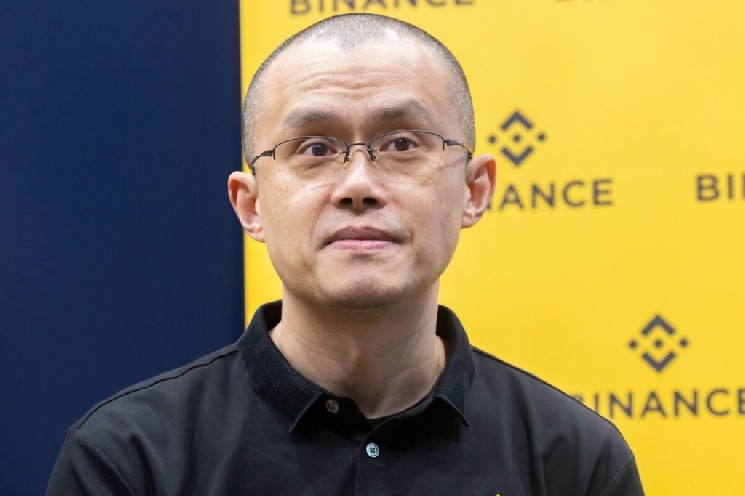
The Anatomy of a Crypto Slide: Why CZ’s Call for Calm Matters as Bitcoin Teeters at $61,000
The Sudden Shift in Digital Asset Sentiment
The financial landscape experienced a sharp realization this week as the buoyant optimism that once pushed digital assets to historic peaks encountered a harsh macroeconomic reality. Bitcoin, the undisputed bellwether of the cryptocurrency sector, suffered a notable setback, dropping approximately 3% within a single trading session to hover precariously around the $61,687 mark, dampening the spirits of investors who had celebrated a tentative recovery just twenty-four hours prior. This downward trajectory was not an isolated event confined to the blockchain ecosystem; rather, dangerous tremors swept across traditional finance, dragging down both the U.S. stock market and gold—an asset traditionally revered as a safe-haven during times of economic distress. As red ink splattered across global trading dashboards, Changpeng Zhao, the widely recognized founder and former Chief Executive Officer of Binance, felt compelled to break his relative silence, stepping into the digital arena to address a growing sense of hysteria among retail and institutional traders alike. Zhao, universally known in global financial circles simply as “CZ,” used his immense public platform to inject a dose of pragmatism into a market increasingly governed by fear, reminding a jittery global audience that market corrections, no matter how painful, are a natural part of any asset class’s life cycle.
The Groundhog Day of Cryptographic Obits
Bitcoin Death Count: A Recurring Paradigm
┌────────────────────────────────────────────────────────┐
│ [Y2013 Dip] ──► “The Bubble Has Burst Permanently” │
│ [Y2017 Drop] ──► “Regulatory Crackdowns Will Kill It” │
│ [Y2022 Crash] ──► “The Systemic Collapse of Web3” │
│ [Current Dip] ──► “CZ: ‘Bitcoin Won’t Stay Dead Long'”│
└────────────────────────────────────────────────────────┘
For seasoned veterans of the digital asset space, the sudden resurgence of terminal predictions for cryptocurrency feels like an exercise in historical repetition. Every significant price contraction inevitably invites a chorus of critics, skeptics, and traditional economists to declare the entire cryptographic experiment a failed endeavor, adding another chapter to the unofficial, ever-growing “Bitcoin Obituary” archive. Addressing these alarmist declarations with a mixture of seasoned weariness and enduring optimism, CZ took to social media to directly challenge those proclaiming that Bitcoin had finally met its demise, confidently asserting that “Bitcoin won’t stay dead for very long.” By leaning into his years of experience navigating the notoriously volatile crypto waters, CZ sought to contextualize the current drop not as a fatal blow, but as a momentary pause in an overarching, multi-decade transformation of how the world defines and transfers value. In an effort to arrest the snowballing panic before it triggered a self-fulfilling prophecy of mass liquidation, he paired his long-term thesis with an urgent directive delivered with characteristic bluntness: “I’m saying this in capital letters and in a friendly way, DON’T PANIC.” This rhetorical intervention highlights the unique dynamic of the crypto markets, where a single, well-timed public statement from a pioneer can serve as a crucial circuit breaker against emotional decision-making, encouraging public market participants to step back from the ledge of reactionary selling.
The Macroeconomic Engine Behind the Panic
To understand the sudden vulnerability of high-risk assets like Bitcoin, one must look beyond blockchain-specific metrics and focus instead on the broader macroeconomic indicators originating from Washington. The primary catalyst for the market’s recent downward spiral was a unexpectedly strong U.S. employment report released last Friday, showcasing a labor market that remains stubbornly resilient despite the Federal Reserve’s prolonged campaign of monetary tightening. While a robust jobs report is generally celebrated as a sign of economic health under normal fiscal conditions, in the current inflationary climate, it signals to policy analysts and market participants that the Federal Reserve possesses ample ammunition to either raise interest rates further or sustain them at elevated levels for much longer than previously anticipated. High interest rates are historically kryptonite for speculative and high-growth assets, as they drastically increase the cost of capital and make yields on risk-free government bonds far more attractive to institutional fund managers. Consequently, when the probability of a near-term rate cut evaporated in the wake of the strong employment data, a systemic flight from risk occurred, draining liquidity not only from the Nasdaq and S&P 500 but also from the cryptocurrency markets, illustrating how deeply integrated digital currencies have become with global macroeconomic mechanisms.
Leadership Beyond the Boardroom: The Lasting Voice of CZ
THE ANATOMY OF CZ'S MARKET INFLUENCE┌─────────────────────────────────────────────────┐
│ Historical Founder of Global Liquidity │
├─────────────────────────────────────────────────┤
│ Navigated Multiple Regulatory Cycle Peaks │
├─────────────────────────────────────────────────┤
│ Maintains High-Trust Relationship with Retail │
├─────────────────────────────────────────────────┤
│ Decisive Commentator During Capitulation Events │
└─────────────────────────────────────────────────┘
The weight carried by Changpeng Zhao’s words during this downturn highlights his enduring status as one of cryptocurrency’s most influential thought leaders, even after his official departure from the helm of Binance, the world’s largest digital asset exchange by trading volume. Following a highly publicized settlement with United States regulators that necessitated his resignation as CEO, many industry analysts wondered whether CZ’s influence would fade into the background of a rapidly institutionalizing industry. However, his latest intervention proves that his relationship with the global retail trading community remains largely intact; to millions of investors, CZ represents the survivalist ethos of early crypto, having successfully guided his platform through regulatory standoffs, unprecedented market crashes, and the dramatic collapses of key industry competitors. When a figure of his stature urges composure, it resonates differently than a generic press release from a traditional investment bank or a sterile corporate board of directors. His ability to distill complex, terrifying market volatility into simple, reassuring dictums represents a form of decentralized leadership that continues to shape market sentiment, demonstrating that personal brand and historical credibility can easily bypass formal institutional titles in the Web3 era.
Psychology in the Trenches: Deciphering the Panic Response
The danger of rapid market downturns lies not just in the immediate decline of paper wealth, but in the psychological cascading effect it induces among retail traders, many of whom lack the historical perspective required to weather multi-million-dollar liqudations. When key psychological support levels like $62,000 are breached, fear often overwhelms rational analysis, leading to a phenomenon known as capitulation where assets are sold at a loss simply to prevent further perceived downside. This collective anxiety was further exacerbated this week by devastating performances in the broader altcoin sector, including a highly publicized incident where an established altcoin dropped a staggering 70% in value due to systemic liquidity struggles, forcing its development team to issue a public address regarding compensation strategies. Such extreme volatility in the lower-cap sector naturally bleeds back into primary assets like Bitcoin, creating an atmosphere of generalized distrust where investors struggle to differentiate between a healthy market correction and a systemic failure of the cryptographic ecosystem. By shouting his friendly reminder not to panic, CZ aimed to dismantle this psychological domino effect, urging market participants to recognize that short-term volatility is the price of admission for long-term, asymmetric returns, and that panic-selling during a dip is the most common way retail participants locking in permanent capital destruction.
Horizon Scanning: What Happens When the Smoke Clears?
COMPARING MARKET PHASES: CORRECTION VS. RECOVERY┌──────────────────────────────┬──────────────────────────────┐
│ CORRECTION PHASE │ RECOVERY PHASE │
├──────────────────────────────┼──────────────────────────────┤
│ Key Macro Stressors Active │ Stable/Declining Inflation │
│ Panic Selling Dominates │ Accumulation by “Smart Money”│
│ Liquidity Crises in Altcoins │ Re-testing High Support lines│
└──────────────────────────────┴──────────────────────────────┘
As the dust settles over this volatile trading week, the primary question lingering in the minds of global market participants is whether this dip represents the beginning of a prolonged bear market or simply a temporary, consolidating pause before the next major upward surge. Historically, Bitcoin has shown an extraordinary capacity to absorb macroeconomic shocks, rising from the ashes of regulatory bans, institutional insolvencies, and global economic shutdowns to achieve higher high-water marks in every four-year cycle. While the short-term outlook remain cloudy—vulnerable to the Federal Reserve’s upcoming policy announcements, geopolitical uncertainties, and shifting regulatory frameworks—the underlying infrastructure of the digital asset economy, including institutional spot ETFs and corporate treasury allocations, remains far more robust than during previous market pullbacks. Therefore, while CZ’s spirited defense of Bitcoin’s durability offers comfort to a battered community, investors must ultimately conduct their own thorough risk assessments and exercise deep financial prudence in this highly volatile market. Ultimately, in a world characterized by currency depreciation and shifting global monetary alliances, the decentralized, finite nature of Bitcoin ensures it will remain a central point of debate, speculation, and potential financial salvation for years to come—regardless of the temporary charts of a single trading afternoon.