



The global center of gravity is undergoing a monumental, historic shift toward Africa, which is poised to eclipse Asia as the world’s fastest-growing economic region this year. Traditionally, global investors, corporate innovators, and international policymakers have scrutinized sovereign borders, asking which specific countries are destined to lead this dramatic rise. However, this nationalistic perspective misinterprets the true engines of modern development; the real story of Africa’s impending transformation will not be written by nations, but by its sprawling, dynamic cities. Throughout human history, the narrative of economic progress has always been a metropolitan tale rather than a purely national one, with singular urban centers consistently acting as the crucibles of innovation and wealth. We saw this when the smoky factories of Manchester catalyzed the Industrial Revolution in Britain, when the towering skyscrapers of New York City anchored the intricacies of global finance, and when the rapid, intentional rise of Shenzhen manufactured China’s unprecedented modern economic miracle. In Africa, this familiar historical pattern is unfolding with an entirely new intensity and under a dramatically accelerated timeline. The continent is currently experiencing urbanization on a scale and at a speed that has absolutely no parallel in human history, occurring at a moment when other global regions are facing rapidly aging populations and contracting workforces. Conversely, by the middle of this century, Africa will stand as the only global region possessing a growing working-age population, creating an unprecedented window of opportunity. This demographic and geographic realignment represents one of the most powerful and transformative forces shaping the global economy in the twenty-first century. If we are to understand where the world is going, we must lift our eyes from traditional geopolitical maps and instead focus on the brilliant, chaotic, and incredibly resilient urban landscapes where millions of people are actively constructing their futures every single day, as home-grown solutions rise directly from the grassroots to command the worldwide stage with bold, energetic, and creative strategies that bypass the outdated development frameworks of a bygone global era.
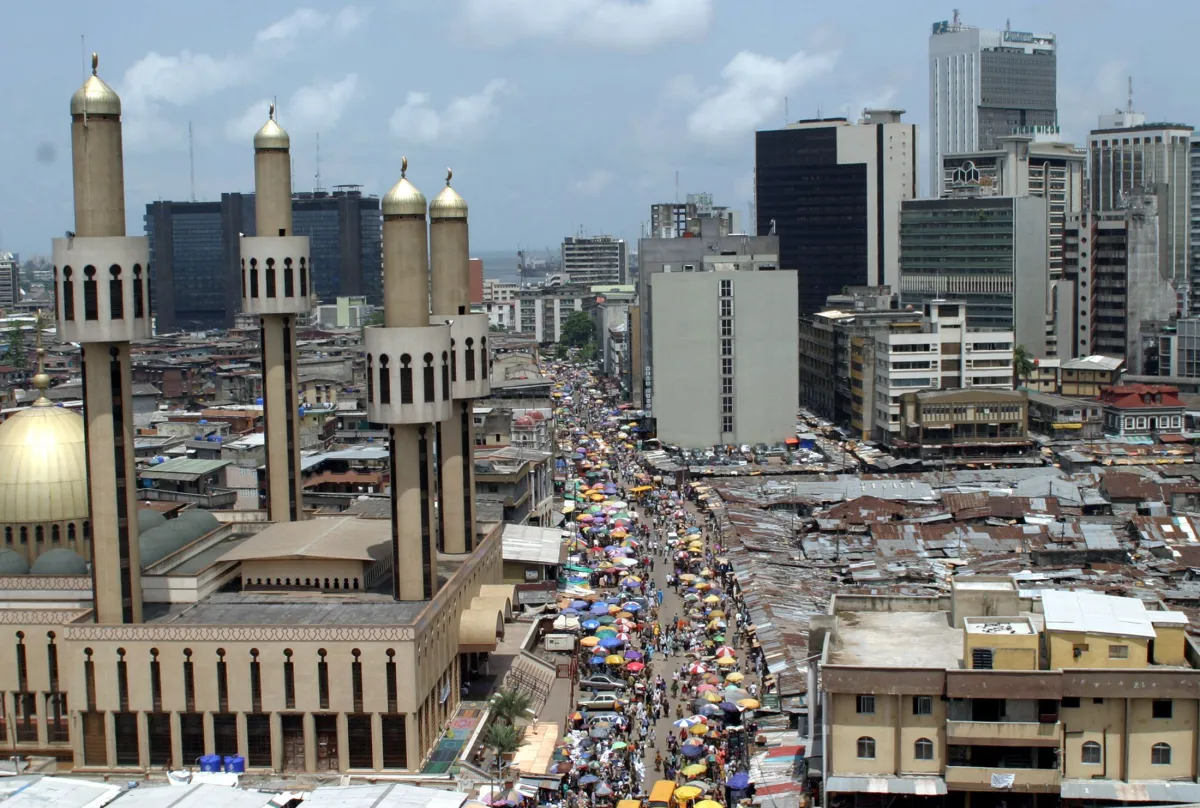
Not long ago, global observers viewed the rapid expansion of African megacities with profound anxiety and skepticism, painting them as dystopian warnings of a disordered future rather than vectors of human progress. My home city of Lagos, Nigeria, was frequently singled out as the premier archetype of this perceived urban chaos, perhaps most famously captured in Robert Kaplan’s grim 1994 assessment of the metropolis as a cautionary tale of developing-world dysfunction. This pessimistic forecast, however, failed to account for the immense resilience, adaptability, and democratic determination of the African people. Decades of military rule had admittedly allowed systemic neglect and infrastructural breakdown to compound, but the historic transition to democratic governance in 1999 sparked a quiet, persistent revolution. Under successive waves of visionary, reform-minded leaders who were held accountable by the ballot box, Lagos began the painstaking, generational task of bringing order, infrastructure, and institutional stability to a city that had suffered from decades of neglect. Today, Lagos has transformed into the undisputed crown jewel of African commerce, holding an economy so massive that if it were a sovereign country, it would rank as the continent’s fifth-largest economy, comfortably ahead of powerhouse nations like Kenya. Furthermore, international investment platforms like Dealroom have recently recognized Lagos as the top emerging technology hub in the entire world, serving as the birthplace and operational home to roughly two-thirds of all digital startups achieving prestigious unicorn status across the continent. Yet, even as it modernizes, Lagos retains its characteristic restlessness, its bustling pathways, and its occasional chaos—a vibrant energy that should not be feared, but embraced, as it is fundamentally inseparable from the relentless creativity, human drive, and capacity for self-reinvention that have always characterized the world’s greatest commercial capitals. By asserting order over historical neglect, Lagos demonstrates that deliberate municipal policy can overcome structural dysfunction and build a thriving environment where business, culture, and human ambition intersect and flourish, showing the globe that local governance is the critical key to unlocking real, lasting, and transformative metropolitan potential worldwide.
The critical challenge and promise of this massive urban migration lie in capturing what economists refer to as the demographic dividend—a unique, time-sensitive window where the working-age population vastly outnumbers both children and the elderly. This precise demographic alignment was the primary engine that fueled the historic economic ascendance of East Asia in the late twentieth century, turning developing countries into global industrial powerhouses within a single generation. Yet, a demographic tide of this magnitude rises only once in the lifetime of a nation, representing a fleeting opportunity that, once missed, can never be reclaimed. Once the tide recedes, societies are inevitably confronted with the complex challenges currently plaguing the developed world, including rapidly aging populations, shrinking tax bases, soaring dependency ratios, and economic stagnation. History will not look kindly on current African leaders, policymakers, or global investors if they allow this brilliant, youthful generation’s potential to slip away unused. Scale and raw population numbers alone do not automatically translate into prosperity; if large populations are left without pathways to upward mobility, educational access, and meaningful work, this demographic advantage risks curdling into deep-seated frustration. Africa simply cannot afford a future where youthful energy and immense passion are met with systemic underemployment and economic exclusion. To prevent this, our cities must design inclusive social systems that welcome newcomers, foster entrepreneurship at the grassroots level, and ensure that the wealth generated in metropolitan areas is reinvested in human capital, healthcare, and education. We must view our exploding populations not as a burden to be managed with fear, but as the ultimate resource—a deep well of creativity, labor, and consumption that, if properly supported, can lift millions of families out of poverty and drive sustainable development for decades to come, ensuring the continent’s long-term prosperity.
To successfully convert this demographic potential into real-world prosperity, public leaders must recognize that governments themselves do NOT create sustainable jobs; rather, that is the natural domain of private enterprises, entrepreneurs, and bold market innovators. The true responsibility of metropolitan and national governments is to cultivate and maintain the foundational environments that allow these businesses to sprout, scale, and thrive across our urban landscape. In practice, this means focusing intensely on what gives massive urban scale its actual economic force: deep capital connectivity. We must build physical and digital systems that seamlessly link talent to modern opportunities, connect bold ideas to patient capital, and bridge local firms with global suppliers and consumers. This translates into constructing smart transportation networks that slice through gridlock, implementing intentional urban planning that champions density over sprawling suburbs, and creating spaces where workers can organically cluster. When geographic proximity is maximized, transaction costs plummet, ideas cross-pollinate with incredible speed, and businesses become far more competitive on both the global and regional stage. Furthermore, robust digital infrastructure, reliable electrical grids, and reformed municipal regulatory environments are essential because they dramatically reduce the transaction friction that historically slowed down commercial operations. When a city gets these fundamental structural elements right, it naturally transforms into a compounding engine of productivity and wealth creation, turning geographic mass into economic momentum. This ongoing infrastructure build-out is not a luxury or a far-off aspirational goal; it is an urgent prerequisite for survival, as we must rapidly lay down the physical and digital foundations that can absorb the daily migration patterns of citizens seeking a better life and transform their individual dreams into collective national prosperity. By focusing on connectivity rather than containment, urban governance can unleash a wave of market-driven growth that naturally sustains itself and drives development.
The scale of this task is incredibly pressing and demands immediate, sustained action because, by the year 2050, African cities are projected to absorb an astonishing 900 million additional residents. To put this staggering statistic into context, the continent’s major urban centers will effectively welcome the combined total urban populations of both Europe and North America within the space of a single generation. If municipal urbanization outpaces effective local governance and proactive fiscal planning, there is a serious risk of reviving the deep anxieties that historically overshadowed the perception of the African megacity, leading to overwhelmed infrastructure, environmental strain, and social instability. However, the geographic magnitude of this challenge is matched step-for-step by the emergence of unprecedented systemic opportunities. A premier example of this is the landmark African Continental Free Trade Agreement (AfCFTA), which connects fifty-four diverse nations into the world’s largest unified free trade area by total population. This historic trade framework serves to dramatically expand the economic horizons of metropolitan areas, liberating them from the historic constraints of small regional markets and domestic consumer demand. No longer isolated by borders or protectionist tariffs, competitive African cities will increasingly serve as manufacturing hubs and financial centers for the entire continent, driving deep industrial specialization, highly resilient supply networks, and exceptionally advanced services. This continental integration means that a factory in Lagos, a software firm in Nairobi, or a logistics company in Kigali can effortlessly serve billions of consumers across the geographic entirety of Africa, fostering a level of prosperity, self-reliance, and collaborative industrialization that was completely unimaginable just a brief decade ago, ultimately redefining Africa’s economic status from a supplier of raw commodities to a sophisticated, high-value global producer of finished goods, services, and creative technologies.
Ultimately, the next great phase of African economic growth will not be defined by national borders, but by the performance and efficiency of its major metropolitan engines. The antiquated geopolitical questions regarding which specific countries will rise are rapidly becoming obsolete; instead, the defining question of our time is which cities will organize, govern, and finance themselves most effectively to lead this historic transition. As leaders, policymakers, and citizens, we must shift our attention to the local municipal level, recognizing that the battle for Africa’s economic future will be won or lost on the streets of its cities. As the host of platforms like Invest Lagos, I witness daily the incredible drive of entrepreneurs, the grit of local laborers, and the brilliant minds of young technological innovators who are rewriting the rules of global business. The human element of this transition is incredibly powerful; behind every statistical trend and economic forecast are millions of individuals seeking to build better lives for themselves and their families. Our collective responsibility is to ensure that these individuals have access to the basic infrastructure, capital, and legal frameworks they need to succeed. Our cities must become spaces of absolute inclusion and opportunity, where a young person with a laptop can build a global business, and a market trader can easily access wider regional customer bases. By investing heavily in our urban centers, building robust transit corridors, encouraging local and foreign partnerships, and fostering governance marked by accountability and vision, we can transform today’s challenges into tomorrow’s enduring triumphs. The rise of the African city is not just an African story; it is a global phenomenon that will reshape the cultural, technological, and economic contours of human civilization for centuries to come, proving once again that when we empower our cities, we unleash the true, boundless potential of our shared global humanity.