


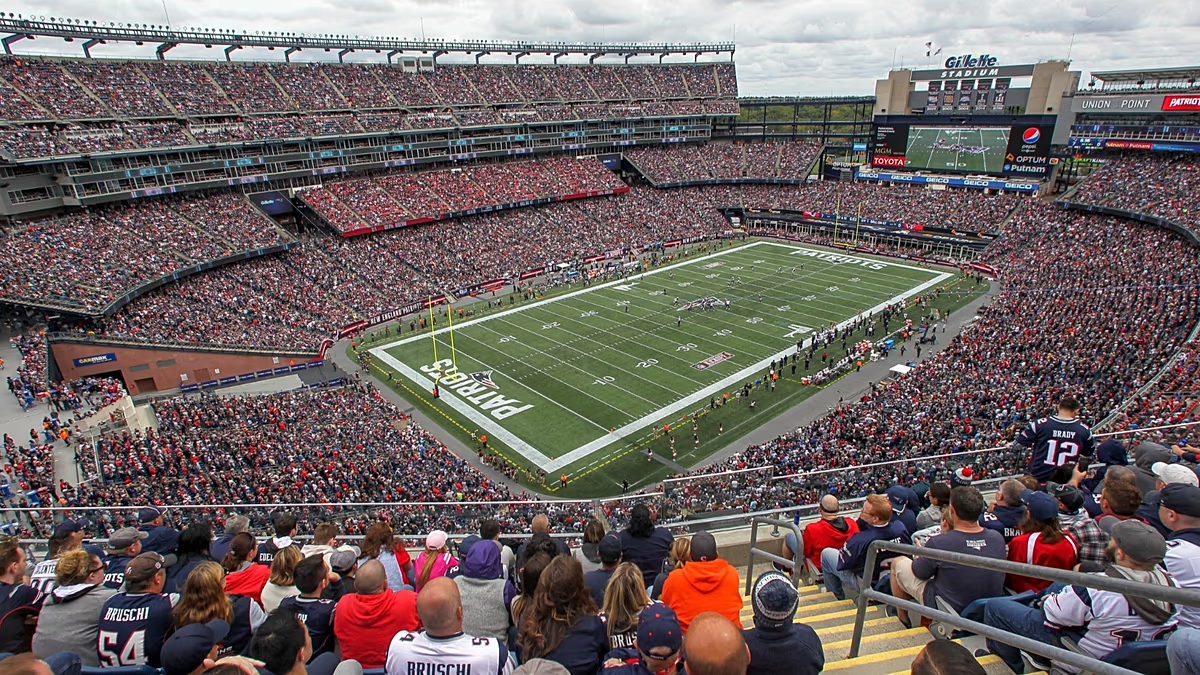
Soccer is an international language built on memory, history, and community, and for the sports-passionate region of New England, the return of the FIFA World Cup represents the rekindling of a romance that has been dormant for more than three decades. The last time this global tournament graced these storied grounds was in the sweltering, emotional summer of 1994, an era when the old, bare-bones, metal-benched Foxboro Stadium served as an epicenter of American soccer, hosting legendary matches including Italy’s dramatic, last-gasp 2-1 victory over Spain in the quarter-finals. Now, decades after that iconic, wind-swept structure was demolished to make way for the modern era, the tournament returns to the peaceful, tree-lined suburban town of Foxborough, Massachusetts, situated roughly thirty miles south of Boston’s vibrant and historic metropolitan core. Today’s high-stakes matches will take place at the state-of-the-art Gillette Stadium, a world-class architectural marvel that has served as the majestic home of the NFL’s highly successful New England Patriots and MLS’s New England Revolution since opening its gates in 2002. While this stadium is deeply embedded in the modern triumphs of American gridiron football, it also possesses a rich and distinguished global soccer lineage, having successfully hosted acclaimed matchups during both the 1999 and 2003 FIFA Women’s World Cups. For the duration of this upcoming tournament, the venue will step out of its traditional American football identity, adopting the official international moniker of “Boston Stadium” to welcome the eyes of the world. This long-awaited homecoming is far more than just a scheduling highlight on a sports calendar; it is a glorious emotional bridge connecting generations of local fans who remember the summer of 1994 with a diverse, energetic new generation of supporters eager to witness the beautiful game carve its name once more into the New England landscape. This beautiful region, historically celebrated for its cultural roots, is now poised to write a magnificent new chapter in global athletic history, uniting diverse communities under the universal banner of sport.
The highly anticipated upcoming slate of fixtures scheduled for Boston Stadium promises to deliver an incredibly diverse tapestry of styles, cultures, and intense sporting drama, transforming Foxborough into a global village over the course of several unforgettable weeks of play. The match schedule is packed with intriguing clashes, beginning on June 13 when the resilient squad of Haiti takes on the passionate and vocal supporters of Scotland in a highly anticipated Group C opening thriller. Just three days later on June 16, Group I action kicks off with an immensely fascinating encounter between Iraq and Norway, bringing together contrasting footballing philosophies onto the same pitch, highlighting how different tactical schools can collide to produce true sporting art on the field. On June 19, Scotland returns to Foxborough to face Morocco, a team that captivated the hearts of millions during their historic run in Qatar, promising a stadium filled to the brim with song, flags, and relentless energy. The global excitement reaches a fever pitch on June 23 with a heavyweight Group L clash between the tactical precision of England and the athletic, dynamic flair of Ghana, a match destined to draw massive crowds from around the country. On June 26, the elite European powerhouse of France takes on Norway in a crucial Group I battle that will certainly showcase some of the finest individual talents on the planet. Finally, the journey culminates in the high-stakes, pressure-cooker atmosphere of the single-elimination knockout rounds, with Boston hosting a Round of 32 match on June 29 and a monumental Quarter-final clash on July 9. For traveling international supporters and local diaspora communities alike, these matches are not merely events but profound cultural pilgrimages, where national pride, collective hopes, and the universal joy of football will paint the stands of Gillette Stadium in every imaginable color. Every pass, tackle, and roar from the crowd will reverberate far beyond the stadium gates, cementing this specific tournament as a legendary chapter in New England’s rich, beautiful, and enduring sporting lore.
To truly understand the electric atmosphere awaiting these arriving international squads, one must dive deep into the legendary sporting culture of Boston, a city where athletics are not merely a leisure pastime but a fundamental pillar of civic identity passed down from generation to generation. Boston has long maintained its hard-earned reputation as one of the ultimate championship metropolises in North America, possessing a relentless winning culture forged by historic teams, landmark stadiums, and highly dedicated supporters. Down in suburban Foxborough, fans are deeply accustomed to the elite athletic standards of the New England Patriots, an organization that dominated the modern NFL landscape, alongside the grassroots passion of MLS’s New England Revolution. Closer to the city’s cobblestone heart, the sporting landscape is dominated by the sacred, green-walled cathedrals of Fenway Park, the oldest and most beloved active ballpark in Major League Baseball, where the legendary Boston Red Sox have continuously played since 1912. Just a brief transit ride across town sits the notoriously loud TD Garden, home to the NBA’s famous Boston Celtics and the NHL’s physical Boston Bruins, two institutions that together hold an incredible array of championship banners testifying to the metropolis’s obsession with competitive success. This profound regional commitment to endurance is perhaps best embodied by the annual Boston Marathon, the world’s oldest contested road race, which unites millions of cheering spectators along the course every spring in a beautiful showcase of resilience and community pride. When the World Cup finally commences, visiting players and fans will not encounter an indifferent populace, but a community that understands the sacrifices of athletics, respects the agony of close defeats, and is fully prepared to embrace the beautiful game with the exact same passion usually reserved for their beloved franchise heroes. This deep regional reverence for athletic competition ensures that absolutely every single match played in New England will feel like a historic milestone, validated by the loudest stadium cheers and the most discerning, insightful, supportive, and passionate sporting minds on the American continent.
Beyond the competitive boundaries of the pitch and the high-octane roaring of the stadiums, travelers visiting Massachusetts will discover a territory cradled in the very birth of the American narrative, offering a fascinating historic journey alongside a culinary landscape of remarkable quality. As one of the highly influential original thirteen American colonies, Massachusetts operates as a magnificent living, breathing history class, inviting international sightseers from across the globe to walk the famous red-brick Freedom Trail to directly experience the defining revolutionary landmarks such as the iconic Boston Tea Party museum ships, the legendary Old North Church, and the extraordinarily well-preserved historic wooden residence of the famous Paul Revere. Wandering through these colonial-era streets of brick and granite naturally stimulates an appetite, and Boston’s legendary culinary scene is perfectly prepared to satisfy any craving with a comforting blend of heritage recipes and spectacular modern culinary creations. Seafood is a truly fundamental element of New England life, with buttery lobster rolls served on warm toasted buns and thick, steaming bowls of authentic clam chowder serving as celebrated, indispensable staples, particularly when tasted along the ocean breeze of Boston Harbor’s historic wharves. For those seeking a taste of different cultural flavors, the historic North End neighborhood represents a true sensory wonderland of rich Italian inheritance, where the warm aroma of fresh garlic, fragrant artisanal wood-fired bread, and exquisitely sweet, sugary cannoli continually drifts through the narrow, friendly streets, beckoning hungry passersby to slow down and enjoy. Furthermore, the modern culinary refinement of the region stretches far beyond simple traditional cooking, with the urban areas of Boston and neighboring Cambridge—the intellectual birthplace of Harvard and MIT—hosting an extensive collection of famous dining establishments and Michelin-starred masterchefs who consistently push culinary boundaries, ensuring that every traveler’s stay is filled with wonderful culinary discoveries. Here, the simple act of sharing a meal with friends is elevated to an art form, mirroring the celebratory and communal spirit of the beautiful game itself, and creating lasting connections over shared plates and shared passions.
For the massive collective of supporters unable to secure a coveted ticket to the live matches in Foxborough, the electric fever of the world’s tournament will remain deeply alive and fully accessible across the metropolitan region, thanks to a carefully planned network of expansive fan zones and free watch parties designed to unite community members of all cultural backgrounds. The official, beating pulse of this local public celebration will be the premier FIFA Fan Festival, which is scheduled to welcome crowds daily from June 12 strictly through June 27 at the historic, centrally located Boston City Hall Plaza right in the heart of downtown, creating a sprawling, high-energy outdoor oasis packed with giant digital screens, interactive sports challenges, local live bands, and a diverse range of global street food stalls. Simultaneously, the popular high-end marketplace known as High Street Place will completely undergo a soccer-themed metamorphosis to become Boston’s dedicated, official ‘House of Soccer,’ boasting a monumental, modern indoor viewing display screen that will broadcast every single match live from the Opening Ceremony on June 11 through to the final whistles of the competition on July 19, allowing urban professionals and local fans a comfortable space to raise a glass and debate strategies. For a more relaxed, maritime community vibe, the coastal city of Revere is planning to organize a series of exciting, free public beachside watch parties commencing June 12 for the opening USA match versus Paraguay, with recurring scheduled match screenings on various dates throughout the tournament’s run. These meticulously organized public spheres successfully break down geographic barriers to ticket access, proving that the true human spirit of soccer belongs entirely to the community, flourishing wonderfully within public squares where thousands of international friends and local neighbors share the collective ecstasy of ninety minutes of drama. Here, under the wide-open New England summer skies, the complex borders separating distant countries fade away incredibly quickly, proving that soccer remains the ultimate modern catalyst for international unity, joy, and deep, truly lasting cross-cultural understanding.
Navigating the geographic span between the historic urban paths of downtown Boston and the stadium-dominated scenery of suburban Foxborough requires some careful preparation, but regional transportation departments and state transit authorities have fortunately launched incredibly comprehensive coordination plans to ensure a comfortable travel experience. The Massachusetts Bay Transportation Authority, known simply by local residents as the ‘T’, has carefully configured dedicated round-trip commuter train service tickets priced at $80, offering a fast, direct transit ride linking major urban stations immediately with the stadium entrance gates. For those seeking alternate routes, a coordinated fleet of deluxe express motor coaches will depart from several major points across the Boston area, providing a direct, comfortable round-trip highway transit journey for a fare of $95. Upon arriving at the highly magnificent Boston Stadium, visitors will be greeted by one of the absolute hallmarks of genuine American sporting folklore: the immensely rich, welcoming tradition of pre-game parking lot tailgating, where rivals and supporters of all backgrounds happily gather together to share cooked grilled foods, play music, swap stories, and enjoy cold drinks many hours prior to kickoff. Nonetheless, international ticket holders must prepare themselves for a substantial logistical variance regarding personal vehicles: while Gillette Stadium commonly provides over 20,000 public parking spaces during domestic New England Patriots NFL games, strict international specifications will permit only 5,000 public parking spots for World Cup attendees. Consequently, designing transport plans early and utilizing the high-speed trains or regional buses is highly recommended for all eager international visitors seeking to enjoy their special World Cup matchday with complete peace of mind. Ultimately, whether traveling by steel rails, express bus, or personal automobile, fans arriving in Foxborough will find a region deeply honored to host the global family, ready to write a beautiful, historic chapter in international soccer lore that will be fondly remembered and celebrated for generations to come. The stage is perfectly set, the passionate hosts are eagerly waiting, and the unforgettable memory of a lifetime is ready to unfold in Massachusetts.