



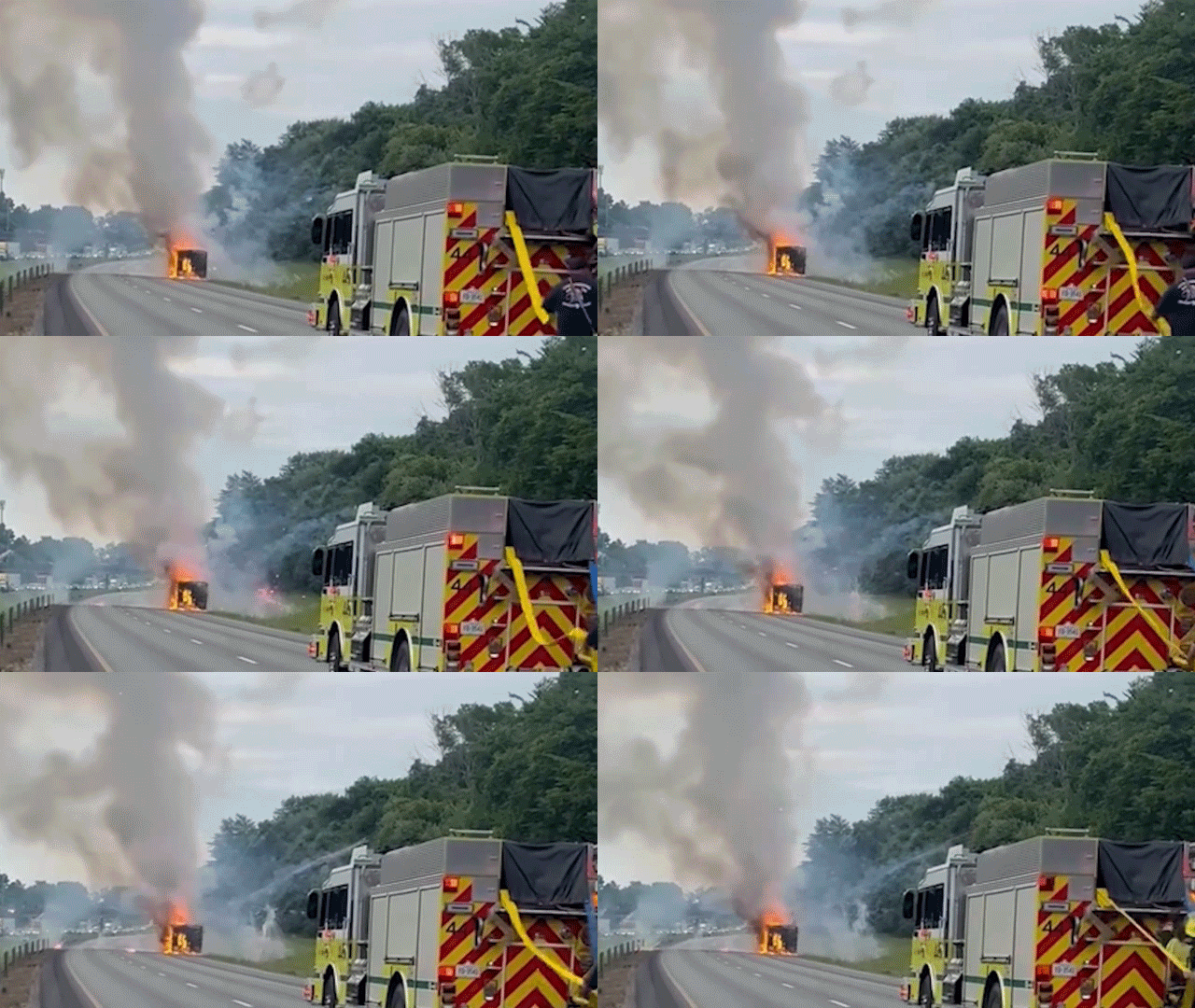
For many travelers on Interstate 75 in Tennessee, Saturday night began like any other weekend drive—a routine journey marked by the steady hum of tires on asphalt, the dim glow of dashboard instruments, and the quiet anticipation of reaching their final destinations. Yet, this mundane tranquility was shattered near the Ooltewah exit, just outside the city limits of Chattanooga, when a large enclosed trailer towed by an unsuspecting vehicle suddenly erupted into a fierce and terrifying inferno. What made this highway emergency uniquely hazardous, and strangely mesmerizing, was its volatile cargo: a massive cache of commercial-grade fireworks. Within moments, the dark, rural sky was transformed into a chaotic kaleidoscope of light, sound, and danger. Instead of a synchronized holiday display, the pyrotechnics ignited in a frantic, uncontrolled chain reaction, shooting blinding rockets, sparkling comets, and explosive shells horizontally across the busy interstate lanes. Drivers who had been cruising at highway speeds were suddenly forced to slam on their brakes, watching in sheer disbelief as colorful projectiles zipped past their windshields and exploded mere feet from their vehicles, transforming a standard stretch of public highway into an active, unpredictable hazard zone.
The immediate emergency response to this unprecedented incident highlighted the seamless coordination and tireless dedication of Tennessee’s local first responders. When the frantic calls first flooded the emergency dispatch systems, the Tri-Community Volunteer Fire Department was quickly designated as the lead agency, as the fire had occurred just outside the municipal boundary of Chattanooga. Recognizing the overwhelming scale of the unfolding disaster, the Chattanooga Fire Department was rapidly mobilized under a vital mutual aid agreement, rushing their own specialized crews and equipment to the scene to assist their volunteer counterparts. Upon arrival, the firefighters faced a logistical nightmare that tested their resourcefulness to the absolute limit. Confronted with a raging vehicular fire that lacked a nearby, reliable water municipal system, emergency responders had to establish a makeshift water shuttle. In an act of tactical ingenuity, fire trucks and support vehicles were authorized to drive northbound against the typical flow of traffic within the completely closed southbound lanes, safely ferrying critical water supplies directly to the frontlines of the battle. This daring and coordinated maneuver allowed the crews to maintain a steady stream of water to suppress the intense heat radiating from the burning trailer.
The sheer unpredictability of the burning cargo elevated the level of danger for every first responder on the scene. Fireworks are designed to be enjoyed from a safe distance, launched from structured, secure platforms under controlled circumstances, but when trapped inside an enclosed trailer and subjected to extreme heat, they behave like unpredictable missiles. Firefighters, who are accustomed to battling predictable structural or vehicular fires, had to approach this inferno with extreme caution. They were forced to dodge flying embers, loud concussive blasts, and erratic sparks that could easily pierce standard turnout gear or damage sensitive firefighting equipment. Dramatic video footage captured by the Chattanooga Fire Department showed the raw intensity of this battle, with brave crew members clad in heavy protective gear carefully deploying fire hoses and aiming precise streams of water at the heart of the skeletal trailer, all while a continuous barrage of colorful explosions lit up the night sky directly above them. This incident serves as a striking reminder of the unique, ever-evolving hazards that first responders willingly face, balancing their professional duty to protect the public with the sudden, chaotic unpredictability of hazardous materials transported on public roads.
The massive scale of the fire and the threat of errant fireworks required law enforcement and transportation officials to take immediate, drastic action to ensure public safety, resulting in a complete standstill on one of the region’s most vital transportation arteries. Fearing that stray pyrotechnics could strike passing vehicles or ignite secondary brush fires along the dry highway shoulders, authorities made the difficult decision to temporarily shut down both the northbound and southbound lanes of Interstate 75. For hours, thousands of travelers were left stranded in their cars, watching the surreal light show unfold from what was deemed a safe, though frustrating, distance. To minimize the economic and travel disruptions, emergency crews worked with heightened urgency; they managed to contain the most volatile explosions relatively quickly, allowing the southbound lanes to be safely reopened to traffic with minimal delay. The northbound side, however, required far more intensive care. Even after the primary flames were extinguished, firefighters remained on the scene for an extended period, meticulously dousing smoking hot spots embedded deep within the charred pile of debris and eventually working to safely tow the ruined, hollowed-out carcass of the trailer away from the roadway.
Amidst the chaos, confusion, and potential for immense tragedy, the most remarkable highlight of the entire incident was the miraculous outcome: despite the sheer volume of explosives involved and the high speed of the highway traffic, absolutely no injuries were reported. This zero-casualty outcome is an extraordinary testament to the split-second decisions made by everyday drivers who had the presence of mind to halt their vehicles at a safe distance, as well as the rapid, decisive intervention of the emergency dispatchers, police officers, and firefighters who secured the perimeter before the situation could escalate further. For the community of Ooltewah and the wider Chattanooga area, the event quickly shifted from a terrifying crisis to a profound moment of relief and gratitude. It highlighted the invaluable role that volunteer fire departments play in safeguarding suburban and rural communities, reminding residents that many of the brave men and women who put their lives on the line that night to dodge flying fireworks were dedicated volunteers who stepped away from their own weekend plans to protect their neighbors.
As the smoke cleared and Interstate 75 was fully restored to its normal, rhythmic flow of traffic, local authorities began the quiet, methodical process of investigating the root cause of the devastating fire. While the official cause has not yet been released to the public, the dramatic visual evidence of the incident continues to circulate online, serving as a captivating and cautionary viral story of how quickly a normal Saturday night can deviate into the extraordinary. Beyond the sensational headlines and the striking videos of roadside pyrotechnics, the incident leaves behind a deeper appreciation for the silent, resilient network of mutual aid agencies that stand ready to assist one another at a moment’s notice. It stands as a vivid reminder of the fragile boundary between celebration and disaster, showing how a truckload of items meant to bring joy can, in an instant, become a major public safety hazard. Ultimately, the story of the Tennessee highway fireworks fire is not just one of flames and explosions, but a story of human professionalism, volunteer bravery, and a community that emerged from a highly volatile situation entirely unscathed.