



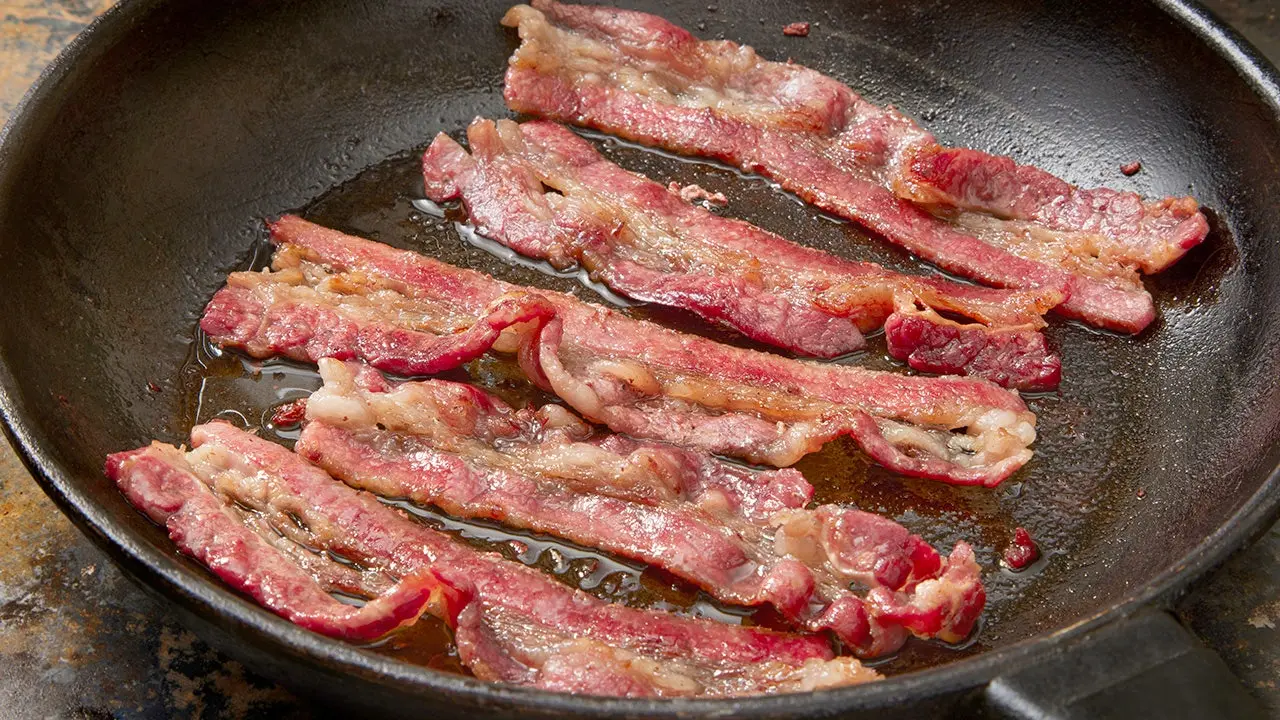
In an era where dietary advice shifts as rapidly as the seasons, a growing number of health professionals are beginning to question the very foundations of conventional nutritional wisdom. At the heart of this paradigm shift is the striking story of a medical doctor who, after struggling for years with his weight and vitality while adhering to standard dietary guidelines, decided to embark on a radical culinary experiment: the carnivore diet. Disillusioned by the traditional food pyramid—which historically emphasized a heavy base of carbohydrates and grains—this physician eliminated all plant-based foods, shifting his daily intake entirely to animal proteins, fats, and water. The results were nothing short of transformative, resulting in a seventy-pound weight loss and a dramatic reversal of chronic inflammatory markers that conventional treatments had failed to resolve. This dramatic physical transformation has ignited a broader, highly humanized conversation about how our bodies process modern food. It challenges the long-held institutional consensus that red meat and saturated fats are the primary drivers of metabolic decline, instead suggesting that human physiology may thrive on the historically consistent, nutrient-dense diets of our ancestors, forcing both patients and practitioners to rethink what truly constitutes a healthy lifestyle.
While large-scale dietary overhauls capture our long-term attention, our daily lives are more frequently dictated by immediate, practical kitchen dilemmas that sit at the intersection of food safety and culinary curiosity. Consider the sleepy-eyed morning routine of preparing breakfast, only to discover a pre-cracked egg nestled in the carton—a common household mystery that leaves many home cooks balancing their aversion to food waste against their fear of foodborne illness. Food safety experts warn that even a hairline fracture in an eggshell can serve as an open gateway for harmful bacteria like Salmonella to penetrate the protective inner membrane, meaning that unless the egg was cracked immediately before cooking in a clean environment, it is far safer to discard it than to risk contamination. Once safety is assured, however, many breakfast enthusiasts look to supercharge their morning routine by pairing their early morning staples with a fresh cup of coffee, occasionally experiment with fruits that are rumored to amplify the caffeine kick. Scientists and nutritionists note that citrus fruits like grapefruit contain specific organic compounds, known as furanocoumarins, which can temporarily inhibit the liver enzymes responsible for breaking down caffeine, thereby extending and intensifying the stimulant’s effects; however, they caution that this bio-hack comes with distinct downsides, including heightened gastro-intestinal acidity, heart palpitations, and an increased risk of severe, jittery caffeine crashes that can ruin an otherwise productive morning.
As individual eating habits continue to evolve toward a more conscious blending of health and convenience, major players in the fast-food industry are finding themselves forced to adapt to a increasingly discerning and health-conscious consumer base. Domino’s Pizza, a brand globally synonymous with late-night, carbohydrate-heavy indulgence, is actively exploring innovative menu alterations designed specifically to appeal to diners who prioritize metabolic wellness, experimenting with gluten-free crusts, plant-based toppings, and reduced-sodium profiles in an effort to retain their market share without sacrificing the iconic taste that made them a household name. This delicate corporate dance between preserving culinary legacy and embracing modern dietary trends mirrors a historic tension that has plagued fast-food giants for decades, perhaps most famously illustrated by the legendary disputes within Kentucky Fried Chicken. Though modern customers have long embraced KFC’s rich, velvety gravy as a beloved comfort-food staple, it was famously loathed by the founder himself, Colonel Harland Sanders, who openly and aggressively criticized the corporate-owned franchises for altering his original, labor-intensive recipe into a quick-prep, starch-thickened version he colorfully described as “wallpaper paste.” This historical clash highlights the enduring struggle between the romantic, uncompromising vision of culinary creators who prioritize artisanal quality and the pragmatic realities of global franchises trying to scale their operations for a rapidly changing, fast-paced society.
Beyond the corporate boardroom, the human element of food is defined by joy, creativity, and the delightful eccentricities of local communities who use food as a medium for self-expression and connection. In one such whimsical display of culinary passion, a quirky local contest recently made headlines when a participant transformed a wonderfully creative, hand-crafted food-themed outfit into a stunning competitive victory, earning a delicious, mouthwatering prize that celebrated both artistic design and a shared love of gastronomy. This spirit of lighthearted innovation is equally mirrored in the way we physically access our favorite treats, as evidenced by a highly creative dessert establishment that decided to completely bypass traditional brick-and-mortar storefronts and curbside delivery in favor of a much more nautical approach, bringing gourmet sweet treats directly to hungry customers by boat. Operating on local waterways, this floating dessert oasis caters to boaters, swimmers, and lakeside loungers, transforming an ordinary summer day into an unforgettable experience and proving that when entrepreneurs combine the universal human love of sweets with a sense of novelty and adventure, they can cultivate a deeply loyal community that extends far beyond the shoreline.
Of course, not all food-related adventures are meticulously planned, and some of our most enduring culinary memories are born out of the hilarious, unpredictable chaos of domestic life and our beloved animal companions. A recent family birthday celebration serves as a heartwarming testament to this truth, going hilariously off the rails when the family’s opportunistic dog staged a daring, perfectly timed heist targeting the birthday feast. As family members gathered to sing, take photos, and bask in the warmth of a shared milestone, the sweet, unscripted moments of human connection were instantly interrupted by the stealthy leap of a canine companion who decided that the celebration’s centerpiece was simply too tempting to resist. While such a sudden dietary theft can initially spark a moment of pure shock and panic, these chaotic mishaps almost always dissolve into fits of helpless laughter, ultimately transforming a standard, highly curated birthday party into a cherished, legendary family story that will be told with fondness for decades, reminding us that the true value of gathering around food lies not in achieving picture-perfect perfection, but in the joyously unpredictable moments we share with those we love.
Ultimately, whether we are dining in the comfort of our homes or navigating the complex, highly charged social landscape of modern dating, food remains the ultimate currency of human interaction, social contracts, and emotional connection. This dynamic was neatly encapsulated by a sharp, widely debated “quote of the week” asserting that “if someone asks you to dinner, then the understanding is they’re going to pay,” a statement that has reignited a fierce cultural dialogue surrounding dating etiquette, financial expectations, and modern romance. In an era where dating apps have transformed the way we meet and high inflation has made dining out a significant financial commitment, the traditional dinner date has become a complex arena where some singles admit to using the promise of a free meal—affectionately termed a “foodie call”—as the primary motivation for going out, while others view the act of hosting and paying as a fundamental gesture of respect, interest, and courtship. How we handle these delicate situations speaks volumes about our evolving social values, illustrating that a simple plate of food shared across a candlelit table is never just about nutrition, but is instead a profound reflection of how we negotiate generosity, vulnerability, and mutual respect in our ongoing quest for meaningful human connection.