



In our incredibly fast-paced modern world, finding a moment of quiet relaxation often involves reaching for a comforting, delicious snack to help us power through a long workday, manage a busy household, or simply unwind after a stressful afternoon. For health-conscious consumers across the United States who strive to balance their nutritional goals with a desire for occasional sweet treats, SkinnyDipped Dark Chocolate Coconut Almond Bites represented the ultimate, guilt-free indulgence—a carefully crafted blend of sweet shredded coconut, crunchy toasted almonds, and a thin, decadent layer of premium dark chocolate, marketed warmly as an “endless summer snack” that boasts significantly lower sugar than traditional candy bars. However, this simple, everyday culinary pleasure was abruptly disrupted on May 27, 2026, when the United States Food and Drug Administration (FDA) issued a critical, urgent safety announcement regarding a voluntary recall of this popular packaged product. The federal safety warning revealed that a manufacturing discrepancy had occurred during production, introducing a high-risk, unlisted ingredient into the packages and creating a hidden hazard that could easily catch unsuspecting families off guard. When we purchase items from the shelves of our local wellness boutiques or grocery supermarkets, we place an implicit, deep trust in the modern food system, believing that the labels we read with care accurately represent every single ingredient we absorb into our bodies and feed to our precious children. This unexpected recall serves as an eye-opening, profound reminder of just how fragile that trust can be, highlighting how a routine trip to the family pantry can instantly mutate into a high-stakes medical struggle for households managing severe dietary restrictions. By swiftly disseminating this widespread warning to the public, safety advocates hope to prevent any tragic outcomes, making it absolutely paramount that consumers possess the concrete knowledge needed to identify these products and keep their families completely safe.
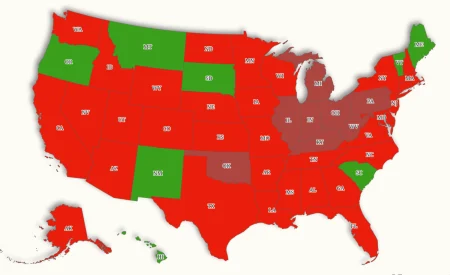
At the absolute center of this developing safety alert is a voluntary, rapid-response recall initiated by Bazzini, the dedicated packaging and manufacturing partner responsible for processing this specific line of SkinnyDipped chocolate treats, following the shocking discovery that particular batches of the Dark Chocolate Coconut Almond Bites might contain undeclared peanuts. What makes this particular incident so compelling is that the terrifying error was not initially caught by routine internal laboratory checks or standard quality assurance procedures, but was instead brought to light by an alert, everyday customer who decided to file an official consumer complaint after opening a newly purchased ten-count package and noticing that “peanut butter-containing products” had somehow been mistakenly sealed inside the individual wrappers. Recognizing that even a trace amount of a misplaced peanut protein could trigger a catastrophic, life-altering immune event in a highly sensitive individual, Bazzini acted immediately out of an abundance of caution, halting further distribution and coordinating with the FDA to spread the word to retail outlets nationwide. The scope of this recall is exceptionally broad, encompassing products distributed across the United States through standard retail grocery chain stores, online storefronts, and even specialized promotional product samples that may have been handed out at public health events or wellness conventions. Thankfully, as of the most recent public updates from regulatory bodies, absolutely no illnesses, allergic emergencies, or adverse health events have been officially reported in connection with this specific batch error. Although this lack of casualties is a massive sigh of relief and a testament to the speed of modern mass communication, the underlying danger is still very real for busy parents or distracted students who might still have these recalled treats tucked away in the back of a kitchen pantry, a work desk drawer, or a preschooler’s backpack.
To truly appreciate why a tiny, unintended peanut ingredient evokes such deep concern and immediate mobilization from federal health regulators, it is necessary to examine the strict medical science, regulatory frameworks, and legislative rules that govern food safety across our nation. Under long-standing United States federal law, food manufacturing companies are bound by both legal and ethical obligations to clearly, boldly, and accurately identify the presence of what are known as the “Big Nine” major food allergens on every piece of consumer packaging. This crucial list consists of milk, eggs, fish, crustacean shellfish, tree nuts (such as almonds, walnuts, and coconuts), peanuts, wheat, soybeans, and sesame—a highly specific group of food items that are scientifically proven to be responsible for approximately ninety percent of all documented, severe allergic reactions in the country. Because these specific substances have the unique potential to initiate rapid and profound physiological changes in sensitized individuals, federal labeling regulations are treated not as trivial bureaucratic red tape, but as an indispensable, life-saving shield protecting vulnerable citizens from harm. Many consumers might not realize that while peanuts and tree nuts are both major allergens, they actually come from entirely different plant families—tree nuts grow on trees, while peanuts are legumes that grow underground—which means a person can be highly allergic to peanuts while safely consuming coconuts and almonds, which is precisely why this accidental substitution in a coconut-almond treat is so extraordinarily dangerous. When a food manufacturer inadvertently fails to declare one of these major allergens, they effectively strip sensitive individuals of their primary defense mechanism, creating an invisible, perilous minefield for families who must painstakingly inspect every single ingredient label just to survive their weekly grocery shopping trips. The rigorous cross-contamination guidelines enforced by the FDA serve as a vital safety check in modern industrialized food production, ensuring that corporations of all sizes maintain strict, parallel manufacturing lines and take accountability for any labeling errors before they lead to tragedy.
For those who do not personally live with or care for if anyone in their family has severe food sensitivities, it can sometimes be difficult to comprehend how a tiny, almost imperceptible trace of peanut protein can swiftly escalate into a desperate, terrifying medical crisis within a matter of mere minutes. A serious food allergy reaction is a complex, hyper-accelerated immunological event that begins the moment a person’s defense system mistakenly identifies an otherwise harmless food protein as a hostile, foreign invader. In a frantic attempt to defend the body, the immune system triggers a massive, systemic release of chemical compounds, including histamines, which flood through the bloodstream and immediately wreak havoc on multiple organ systems simultaneously. The symptoms of this intense reaction can start deceptively mild, presenting as a soft scattering of itchy red hives, an irritating skin rash, a tingly sensation around the lips, or a sudden, unexpected bout of mild coughing or wheezing. However, without warning, these initial symptoms can rapidly spiral out of control, causing severe swelling of the lips, face, tongue, and throat tissues that can physically obstruct the airway, making normal breathing nearly impossible. As the allergic cascade continues to intensify, the victim may suffer from sudden nausea, painful abdominal cramping, violent vomiting, and a dramatic, life-threatening drop in blood pressure that leaves them dizzy, confused, and weak. In the most extreme scenarios, this horrifying sequence culminates in anaphylaxis—a state of profound systemic shock that can cause a person to lose consciousness, slip into cardiovascular collapse, and face fatal consequences if they do not receive an immediate emergency injection of epinephrine followed by urgent, professional medical care at the nearest hospital emergency department. This physiological reality is precisely why the FDA takes undeclared allergen recalls so seriously, treating every single labeling oversight as a potential matter of life and death.
Protecting your household from this hidden, unexpected health hazard requires a few moments of careful observation in your kitchen, an easy step that is especially critical if you frequently host friends, neighbors, or young children who struggle with peanut sensitivities. To determine if your snack collection contains any of the compromised treats, the FDA recommends that you immediately locate and visually inspect any packages of SkinnyDipped Dark Chocolate Coconut Almond Bites that you may have purchased over the past several months. The specific recalled inventory involves the brand’s popular ten-count packages, which can be identified by looking for the product name prominently displayed on the front of the glossy, resealable outer pouch as well as on the individual wrappers tucked inside the bag. Once you have located the product, you must turn the packaging over to examine the official lot codes and expiration details, which are printed clearly in small ink on the reverse side of both the main bag and the individual single-serving chocolate wrappers. In particular, you need to check if the printed “Best By” dates fall within the critical date range of December 20, 2026, through December 29, 2026, as these are the exact batches manufactured during the time of the facility mix-up. It is incredibly important for worried consumers to note that this recall is highly targeted and precise; no other flavorful offerings, unique sizes, or separate product lines manufactured under the broader SkinnyDipped brand umbrella are included in Bazzini’s voluntary emergency recall notice. This means that if you have other varieties of their low-sugar sweets in your cabinet, they remain perfectly safe and healthy to eat, allowing you to focus your attention purely on identifying and isolating these specific dark chocolate, coconut, and almond bites.
If your careful home inspection reveals that you do indeed have one of these recalled packages of chocolate almond bites in your possession, state health departments, consumer safety organizations, and medical professionals advise you to immediately stop consuming them and to keep them safely sequestered away from any member of your household who might unknowingly open them for a quick afternoon snack. Rather than simply tossing the compromised chocolate directly into the trash can and forgetting about it, you are highly encouraged to package the items back up and return them directly to the local retail store, suburban supermarket, or specialty boutique where you originally purchased them, as regional store managers have been fully informed of this safety recall and are prepared to issue you a complete, hassle-free refund for your purchase. If you happened to receive these chocolate bites as a complimentary promotional sample at a public wellness event, or if you have any lingering questions regarding how to construct a return or read the complex manufacturing lot codes, you are urged to contact the manufacturing company’s dedicated customer service team directly during standard business hours to receive personalized, empathetic assistance. Beyond the necessary technical protocols of point-of-sale returns, monetary refunds, and corporate customer helpline calls, this situation serves as a powerful, deeply human reminder of our shared responsibility to look out for the physical safety, physical comfort, and psychological well-being of those around us, especially in a modern society where severe food allergies are becoming increasingly common and challenging to manage alone. By taking just a few extra minutes out of your day to actively share this brand safety update with your friends, family members, school teachers, athletic coaches, and local coworkers, you can help build a far more informed, deeply compassionate community that proactively works together to protect its most vulnerable members from harm, ultimately turning an unfortunate manufacturing oversight into a wonderful opportunity for collective safety and neighborly care.