


The quiet hum of the cruise ship MV Hondius, once a vessel of adventure and polar exploration, was suddenly replaced by a chilling silence when an outbreak of the Andes hantavirus transformed it into a floating quarantine facility. Over 150 passengers and crew members found themselves confined to their quarters, their dream vacations overwritten by a grueling six-week countdown of medical surveillance. For those aboard, and for the contacts who later shared flights with them, the anxiety was palpable, anchored by the tragic knowledge that three of their fellow travelers had already succumbed to the infection, while nine others lay fighting for their lives in intensive care. This quiet, terrifying reality is the signature of the New World hantaviruses—pathogens that move in shadows, whispering through a remarkably long incubation period of up to 45 days before launching a swift, devastating assault on the human body. Unlike typical respiratory illnesses that announce themselves early and steadily wear down the body, hantaviruses act with an almost supernatural stealth, leaving families and physicians to watch and wait, knowing that once initial symptoms appear, the transition from mild discomfort to life-threatening respiratory collapse can happen in a matter of hours.
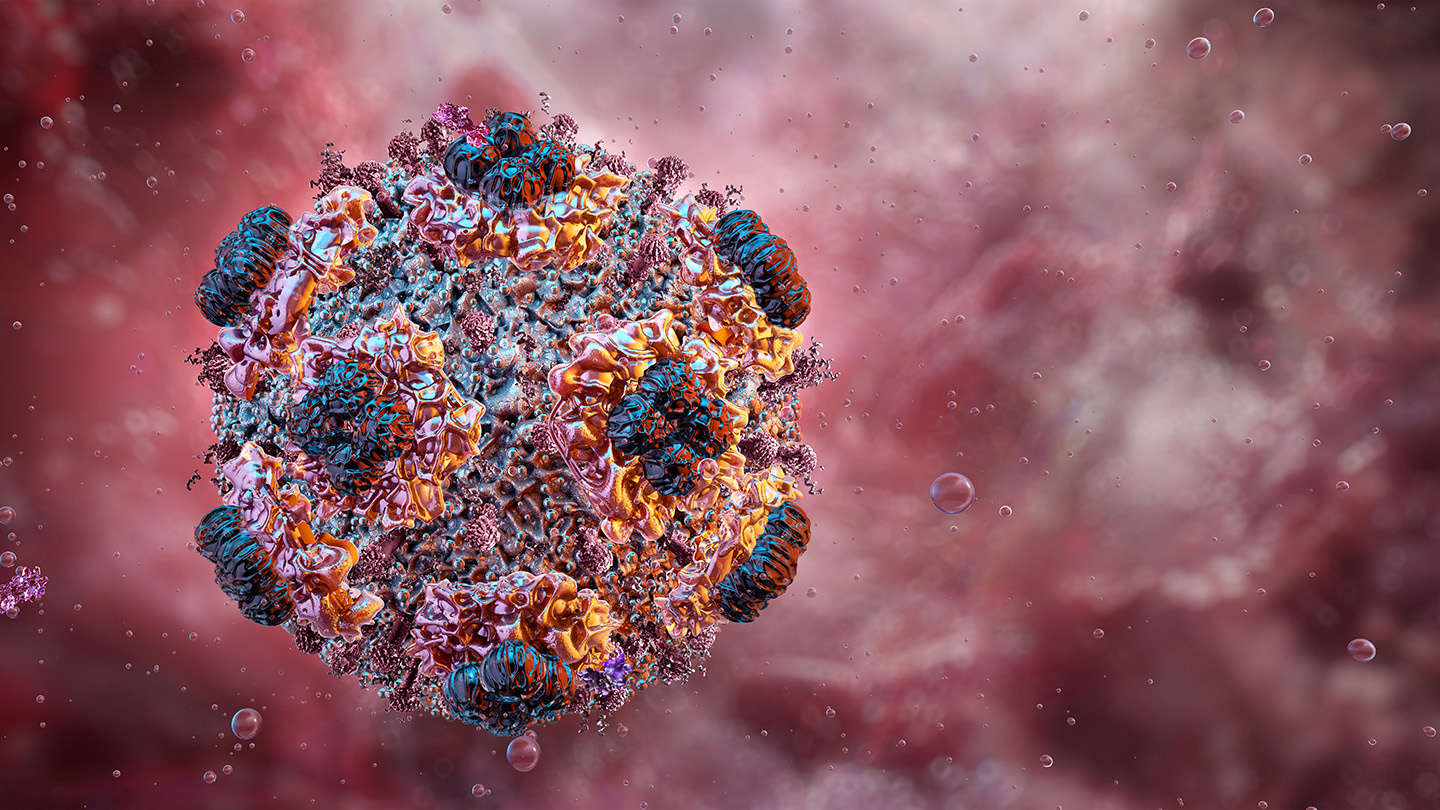
Behind this terrifying suddenness lies a pathogen that defies the standard rules of virology, operating more like a quiet saboteur than an aggressive invader. While common respiratory viruses such as influenza, RSV, and the coronavirus aggressively attack and destroy the cellular structures of the lungs, New World hantaviruses like the Andes and Sin Nombre strains choose a far more delicate target: the endothelium, the single-cell layer lining our blood vessels, particularly the microscopic capillaries. Dr. Pablo Vial, a leading clinical virologist who directs the hantavirus and zoonoses program at the German Clinic at the Universidad del Desarrollo in Santiago, Chile, has spent decades studying this interaction, noting that the virus infiltrates these vital cells without actually killing them. Armed with an incredibly minimalist genetic toolkit of just four proteins—compared to other respiratory viruses that carry more than twice as many—the virus manages to quietly replicate under the immune system’s radar, avoiding early detection while slowly turning the body’s own vascular system against itself. According to Swedish virologist and immunologist Jonas Klingström, this stealthy behavior allows the virus to run circles around our biological defenses, actively suppressing antiviral alarms while refusing to trigger the typical immune responses that would warn a patient of an impending crisis.
The true nightmare of a hantavirus infection begins when this silent replication phase abruptly ends, and the invisible biological welds that keep our vascular system intact begin to dissolve. In a healthy human body, tight junctions of proteins bind endothelial cells securely to their neighbors, ensuring that blood and vital fluids remain safely within the pathways of our circulatory system. During a severe hantavirus infection, however, these cellular welds loosen, turning our microscopic blood vessels into leaky sieves that allow blood plasma, the fluid portion of our blood, to seep uncontrollably into the surrounding tissues. The speed of this transition is nothing short of terrifying; as Dr. Vial recalls, he has conversed normally with patients at noon, only to see them hooked up to mechanical ventilation by two in the afternoon, and placed on extracorporeal membrane oxygenation (ECMO) by three as their lungs rapidly fill with leaking fluid. This rapid drowning from within renders standard emergency interventions, such as administering intravenous fluids to combat falling blood pressure, exceptionally dangerous, as any added liquid simply escapes the porous capillaries and further floods the delicate air chambers of the lungs, showing up on X-rays as a dense, suffocating white cloud resembling stuffed cotton.
Yet, amid the brutal speed and high mortality rate of the disease—which historically claims the lives of up to forty percent of those who develop severe symptoms—lies one of the most profound mysteries of modern medicine: the miraculous and complete recovery of those who survive. Almost as suddenly as the vascular leak begins, the biological spigots shut off, and within a mere forty-eight to seventy-two hours, the porous blood vessel walls repair themselves, returning to complete normalcy. Unlike survivors of severe COVID-19 or influenza, who often endure weeks or months in intensive care units and are frequently left with permanently scarred, fibrous lung tissue, hantavirus survivors walk away with their respiratory systems entirely undamaged. This astonishing phenomenon of profound, temporary physiological dysfunction without permanent cellular destruction has captured the imagination of researchers worldwide, offering a powerful clue that if scientists can simply find a way to keep a patient alive and oxygenated during those critical, leaky hours, the human body is entirely capable of healing itself completely.
The urgent search for therapies to bridge this critical window has led researchers from the bedsides of South American clinics to the meticulous databases of Northern Europe, looking for clues in the blood of survivors. Traditional antiviral drugs and high-dose steroids have repeatedly failed to halt the rapid clinical decline once severe symptoms emerge, leaving doctors with few options beyond highly invasive life support systems. However, Dr. Vial has found that administering convalescent plasma containing rich antibodies from recovered hantavirus patients can dramatically improve survival outcomes if given during the very earliest stages of the illness. In Sweden, immunologist Mattias Forsell is exploring a different angle of hope within the Northern Sweden Health and Disease Study, tracking the blood of 150,000 participants to discover that antibodies against Puumala virus, an Old World hantavirus cousin, remain highly active in the human bloodstream for over twenty-two years. This discovery suggests that a natural hantavirus infection may confer lifelong immunity, and ongoing research indicates that some of these decades-old antibodies are capable of latching onto and neutralizing the deadly New World Andes virus, laying the groundwork for future, long-lasting immunotherapies.
Ultimately, the key to conquering this deadly disease lies in identifying the precise chemical messengers that prompt the blood vessels to leak, and finding a way to safely block them. Recent research by Klingström and his colleagues has pointed to high levels of specific inflammatory proteins, namely interleukin-6 (IL-6) and bradykinin, which appear to act as the primary triggers that force endothelial cells to unlock their tight junctions. By uncovering the specific signaling pathways these proteins use to deliver their damaging instructions, scientists are now testing existing drugs, such as the hereditary angioedema medication icatibant, which blocks bradykinin, to see if they can effectively seal the cellular leaks before the lungs begin to drown. While these medical breakthroughs may not arrive in time to alter the immediate path of those currently quarantined from the vessel MV Hondius, the global attention sparked by the outbreak has injected a renewed sense of urgency into hantavirus research. For the medical pioneers dedicated to this cause, there is a profound hope that they are on the cusp of developing a rapid, targeted drug cocktail that can instantly flip the biological switch, transforming a terrifying, lightning-fast killer into a highly manageable and completely curable condition.