


The Fractured Truce: Netanyahu Vows to Intensify Hezbollah Offensive as Washington and Tehran Navigate a Murky Diplomatic Minefield
As diplomatic corridors in Washington and Tehran hum with the quiet, often contradictory murmurs of a potential breakthrough to end the sweeping war in the Middle East, the reality on the blood-soaked hills of the Israeli-Lebanese border tells a far more combative story. President Donald J. Trump has spent recent days broadcasting characteristically complex and sometimes conflicting signals on social media regarding his administration’s progress toward brokering a sweeping geopolitical settlement with the Islamic Republic of Iran. Yet, even as the prospect of a grand bargain hangs in the air, Israeli Prime Minister Benjamin Netanyahu has signaled that his nation has no intention of easing its military campaign against Hezbollah, the heavily armed, Iranian-backed Lebanese Shiite movement. In a stark, highly produced video address shared across social media platforms, Netanyahu made it unequivocally clear that Israel does not view the current state of affairs as a diplomatic transition phase, but rather as an active, escalating theater of war. “We are at war with Hezbollah,” Netanyahu declared, his words designed to project absolute resolve both to his domestic electorate and to international observers who had hoped a fragile, American-brokered cease-fire established in April might pave the way for a more permanent regional peace. Instead, that truce has largely disintegrated under the weight of daily cross-border exchanges, mutual accusations of bad faith, and a steady escalation of firepower that threatens to drag the broader region into an even deeper chasm of violence. Netanyahu’s comments served as a blunt reminder that whatever diplomatic understandings may be taking shape in the high offices of Washington, Mar-a-Lago, or Tehran, the operational realities on the ground in southern Lebanon remain guided by Israel’s determination to permanently degrade Hezbollah’s military infrastructure, no matter the diplomatic cost.
              THE MIDDLE EAST GEOPOLITICAL TIGHTROPE

 ┌────────────────────────┐             ┌────────────────────────┐
 │     WASHINGTON, DC     │             │      TEHRAN, IRAN      │
 │   Presidential Trump   │             │  Diplomatic Overlooks  │
 │   Conflicting Signals  │             │   "All Fronts Target"  │
 └───────────┬────────────┘             └───────────┬────────────┘
             │                                      │
             │   ┌──────────────────────────────┐   │
             └──►│   THE FRAGILE APRIL TRUCE    │◄──┘
                 │  Under Constant Violation    │
                 └──────────────┬───────────────┘
                                │
                                ▼
                 ┌──────────────────────────────┐
                 │    SOUTHERN LEBANON FLAME    │
                 │  Hezbollah & IDF Escalation  │
                 └──────────────┬───────────────┘
                                │
                 ┌──────────────┴───────────────┐
                 │    JERUSALEM, WEST BANK      │
                 │    Prime Minister Netanyahu   │
                 │   "Press the Pedal More"     │
                 └──────────────────────────────┘
The rhetorical escalation from Jerusalem is matched by a lethal intensification of operations on the ground, exposing the fundamental limitations of the peace framework brokered prior by international mediators. While the April cease-fire agreement was originally hailed as a vital diplomatic safety valve designed to quiet the northern border and allow displaced civilians on both sides to return home, it has instead transformed into an arena of tactical maneuvering and bitter recrimination. Israel argues that Hezbollah has repeatedly violated the spirit and letter of the agreement by maintaining armed positions south of the Litani River and continuing to funnel weaponry through clandestine Syrian border crossings. Hezbollah, conversely, maintains that Israeli drones and combat aircraft continue to violate Lebanese airspace with impunity while conducting targeted assassinations. Rather than showing restraint in the face of these structural failures, Netanyahu revealed on Monday that Israeli forces have systematically eliminated over 600 Hezbollah fighters in recent weeks alone, indicating that the Israel Defense Forces (IDF) are actively widening their target bank. The Prime Minister’s language was devoid of the diplomatic ambiguity typically favored by leaders during active peace initiatives. “We are not removing our foot from the pedal,” Netanyahu stated, looking directly into the camera. “On the contrary, I said to press on the pedal even more.” This aggressive posture serves multiple strategic objectives for the Israeli government: it aims to satisfy a domestic public weary of continuous rocket threats, project military dominance to deter regional adversaries, and establish a firm bargaining position should formal negotiations eventually force Israel to the table. By signaling an unwillingness to compromise, Netanyahu is effectively warning international mediators that Israel will not accept a return to the pre-war status quo, where Hezbollah possessed a massive, unchallenged arsenal directly on its northern frontier.
This dramatic surge in hostilities presents a formidable, highly volatile variable to the already Byzantine negotiations taking place between the United States and Iran. For months, diplomats have attempted to construct a comprehensive architecture that could de-escalate the multi-theater confrontation gripping the region. Iranian officials have made it clear that their consent to any bilateral understanding with the United States is contingent upon Lebanon and Hezbollah being shielded from complete military destruction, demanding that any permanent agreement must encompass a complete cessation of hostilities in southern Lebanon. However, Donald Trump’s public pronouncements have conspicuously avoided any direct mention of the localized, vicious war raging along the Israeli-Lebanese border. In his hallmark flurry of social media posts, Trump has alternated between boasting of rapid progress toward a historic deal with Iran and warning Tehran of catastrophic consequences should they fail to comply with American demands, leaving international observers to wonder whether his administration is prioritizing a narrow, direct deal with Iran or a broader regional stabilization plan. This lack of alignment between Washington’s diplomatic theater and Jerusalem’s tactical operations highlights a growing disconnect: while the White House envisions a grand bargain that could redefine the modern Middle East and secure a landmark foreign policy victory, Netanyahu’s government operates under the belief that only decisive, unchecked military force can guarantee Israel’s northern security. This geopolitical disconnect raises the stakes of the conflict, as any deal signed between Washington and Tehran could easily be rendered obsolete on its first day if Israeli airstrikes continue to systematically dismantle Iranian assets and allies in the Levant.
====================================================================
RENEWED LEBANON CONFLICT: KEY METRICS
Casualty / Operational Indicator Reported Dynamic
Total Confirmed Fatalities (Since March) 3,185 Individuals
Total Wounded & Injured Over 9,600 People
Hezbollah Militants Killed (Recent Weeks) Over 600 Fighters
Targeted Israeli Airstrikes (Single Day) 70+ Operations
Displaced Civilians (Regional/Local) Hundreds of Thousands
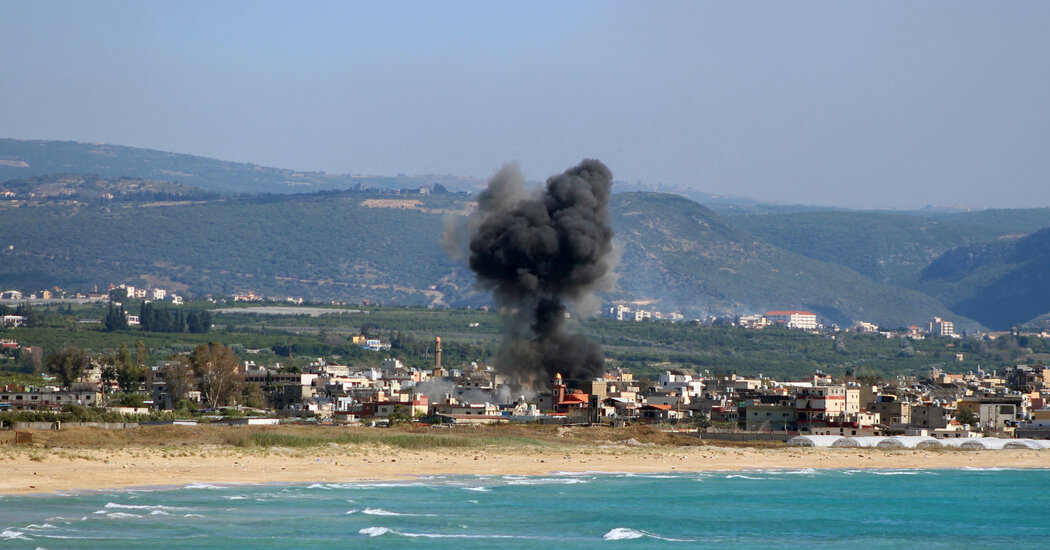
While politicians and diplomats debate terms in comfortable capitals, the human and infrastructural toll of this unresolved conflict continues to mount at an alarming rate, turning swath after swath of Lebanon into a humanitarian disaster zone. According to official figures released on Monday by Lebanon’s Ministry of Public Health, the death toll from Israeli military strikes since the reignition of heavy fighting in March has climbed to a devastating 3,185 people, with more than 9,600 others sustaining injuries ranging from severe trauma to permanent disfigurement. This latest chapter of the conflict—which began in earnest after Hezbollah launched extensive rocket salvos into northern Israel following a joint American-Israeli strike on Iranian installations in late February—has systematically displaced hundreds of thousands of civilians, tearing apart the social fabric of both southern Lebanon and northern Israel. The physical destruction has been concentrated and merciless; on Monday night alone, the Israeli military confirmed it had executed coordinated strikes against more than 70 Hezbollah positions across Lebanon. The ancient coastal city of Tyre, a historic hub known for its millennia-old ruins and vibrant maritime economy, bore the brunt of the onslaught as the Israeli Air Force hit ten major installations, which the IDF described as command centers, ammunition depots, and operational hubs used to plan attacks against Israeli soldiers and civilians. Furthermore, the IDF reported the targeted “elimination” of Hezbollah operational teams utilizing motorcycles in southern Lebanon, highlighting the high-intensity, close-quarters nature of the current counter-insurgency campaign.
                         TYRE TARGETING MATRIX

                ┌──────────────────────────────────┐
                │      TYRE REGIONAL SECTOR        │
                │   Targeted Israeli Airstrikes    │
                └─────────────────┬────────────────┘
                                  │
         ┌────────────────────────┼────────────────────────┐
         ▼                        ▼                        ▼
┌─────────────────────┐ ┌─────────────────────┐ ┌─────────────────────┐
│ Tactical Command │ │ Ammunition Depots / │ │ Multi-use Logistic │
│ Centers (HQ Units) │ │ Storage Facilities │ │ Launch Sites │
└─────────────────────┘ └─────────────────────┘ └─────────────────────┘
For its part, Hezbollah remains a resilient and defiant adversary, relying on its deep network of subterranean tunnels, highly mobile rocket launcher units, and ideological commitment to resist what it characterizes as Zionist aggression. Rather than retreating in the face of Israel’s localized air supremacy, the militant group’s media apparatus, Al Manar, released at least eight separate statements on Monday documenting successful retaliatory strikes targeting Israeli troop concentrations, binary military outposts, and armored columns inside Lebanese territory and across the northern Israeli border. This defiant military posture was mirrored in a highly anticipated, televised speech delivered on Sunday by Hezbollah’s newly minted Secretary-General, Naim Qassem. Speaking directly to the Lebanese populace from an undisclosed location, Qassem sought to project a complex dual message of diplomatic openness and armed resistance. While he stated that Hezbollah would warmly welcome a grand diplomatic agreement between its primary patron, Iran, and the United States—hopeful that such a package would provide his battered organization with a vital geopolitical lifeline—he flatly rejected the legitimacy of direct, separate negotiations between the state of Israel and the official Lebanese government in Beirut. These negotiations, which have been painstakingly brokered by American envoys since the spring, are viewed by Qassem and his loyalists as a thinly veiled attempt to isolate Hezbollah from the broader regional alliance and impose humiliating disarmament conditions that would strip the group of its status as Lebanon’s primary defender.
This complicated diplomatic dance highlights the murky, highly speculative terms of the potential grand bargain being negotiated between Washington and Tehran behind closed doors. While the formal text of any prospective agreement remains closely guarded, three senior Iranian officials, speaking to The New York Times on the condition of anonymity, indicated that the proposed framework is designed as an all-encompassing regional pacification mechanism that would mandate a comprehensive ceasefire across all active fronts, specifically including the volatile borderlands of southern Lebanon. However, such ambitious diplomatic blueprints often disintegrate when confronted with the intractable, deeply personal grievances that fuel the conflict on the ground. Key, existential questions remain completely unaddressed by negotiators: namely, how any international treaty could successfully enforce the disarming of Hezbollah—an organization whose identity is entirely predicated on armed resistance—or how it would persuade Israeli forces to withdraw from the sovereign Lebanese border territories they currently occupy as tactical buffer zones. The deep canyon between diplomatic ambition and domestic political realities was brought into sharp focus on Sunday, when Netanyahu informed his cabinet that he had spoken directly with Donald Trump over the weekend. According to the Prime Minister’s office, the American President-elect “reaffirmed Israel’s right to defend itself against threats on every front, including Lebanon.” As these conflicting narratives collision course, the people of the region remain trapped in a brutal cycle, waiting to see whether the path forward will be forged by pen and ink in distant diplomatic chambers, or by fire and steel on the battlefields of southern Lebanon.