

For over four decades, the coastal town of Atlantic Beach, South Carolina—affectionately known as “The Black Pearl”—has come alive during Memorial Day weekend. This historic enclave, which served as a vital sanctuary and vacation destination for Black families during the era of segregation, proudly hosts the annual Black Pearl Cultural Heritage and Bike Festival. It is a massive, high-energy celebration of African American motorcycling culture, music, and community, drawing crowds that often exceed 400,000 visitors who spill over into the surrounding Myrtle Beach area. Under the warm coastal sky, the roar of motorcycle engines merges with the rhythm of live music, creating an atmosphere of joy, reunion, and cultural pride. For generations of families and riders from across the United States, this festival is not just a holiday weekend getaway, but a beloved tradition deeply rooted in local history, resilience, and fellowship. Unfortunately, even the most joyous gatherings can experience moments of sudden vulnerability, as was felt late Sunday evening when a momentary panic briefly disrupted the festivities.
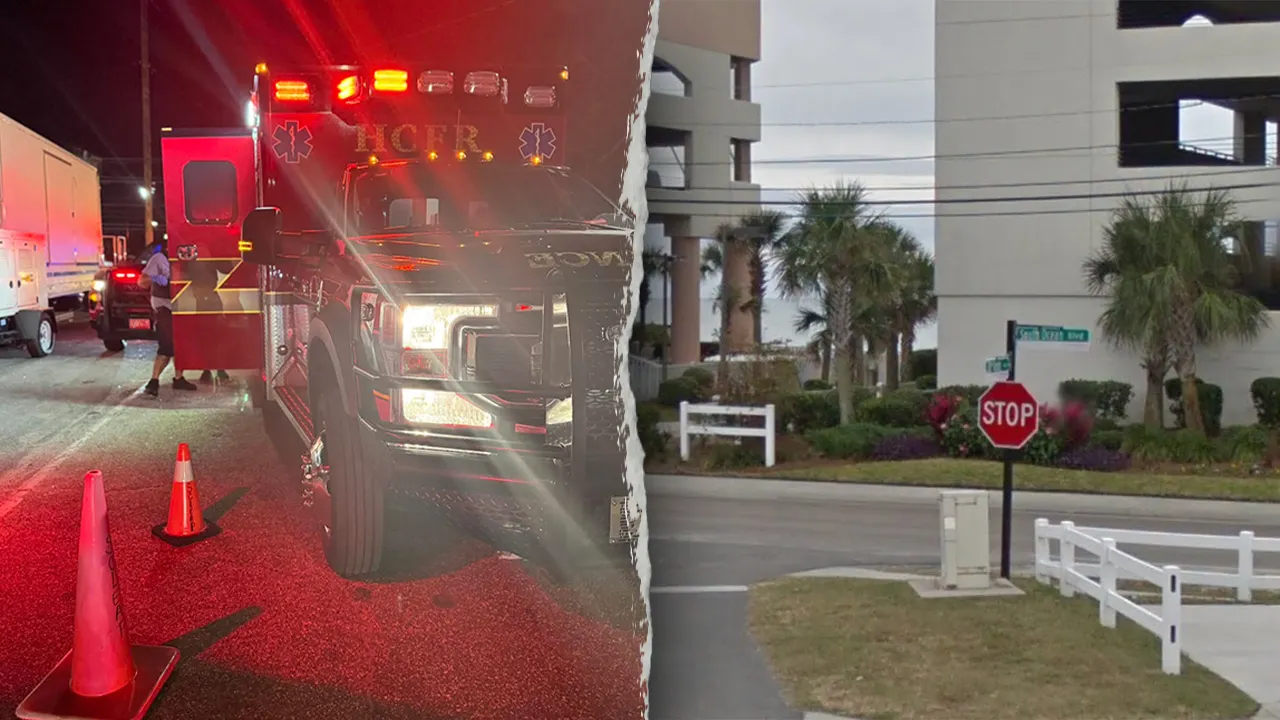
The atmosphere shifted abruptly around 1:05 a.m. on Sunday morning near a bustling stage area along South Ocean Boulevard. In the middle of the late-night celebrations, a single individual suddenly began to run, triggering a rapid, involuntary chain reaction through the packed crowd. Human behavior in dense gatherings often mirrors a physical wave; when one person moves in a panic, those nearby react instinctively to protect themselves, copying the movement before even knowing what they are running from. This psychological ripple effect lasted only a matter of seconds, but it was powerful enough to cause a sudden, chaotic surge that resulted in several people falling and being trampled or bumped in the rush. What was a carefree evening of music and socializing transformed in a heartbeat into a disorienting haze of confusion and fear, leaving lost shoes, spilled drinks, and shaken spirits in its wake as people scrambled to make sense of the sudden commotion.
Fortunately, because of the massive scale of the bike rally, extensive emergency and law enforcement personnel were already stationed throughout the festival area and was able to respond to the scene immediately. Horry County Fire Rescue quickly assessed the situation and made the tactical decision to declare a “mass casualty incident.” While the term “mass casualty” sounds deeply alarming to the public, in the world of emergency medicine, it is a standard administrative designation used to rapidly mobilize and coordinate resources when multiple patients need to be evaluated simultaneously. This organized response allowed paramedics to systematically examine nineteen attendees who had sustained injuries in the crush. Ultimately, none of the injuries were deemed life-threatening; the vast majority of patients were treated on-site for scrapes, bumps, and minor bruises, while three individuals were transported to local hospitals for further medical care, with a few others opting to drive themselves to nearby emergency rooms for evaluation.
When crowds flee in sudden panic, modern anxieties often lead people to assume the worst, fearing that a violent altercation or an active shooter is behind the chaos. In the aftermath of the stampede, rumors began to circulate, but the Town of Atlantic Beach was quick to set the record straight and ease the minds of worried families. In a compassionate public statement, town officials confirmed that at no point during the incident were there any fights, weapons, or direct threats to public safety discovered. The city administration expressed its deep, sincere concern for everyone who experienced the frightening ordeal, emphasizing that the physical and emotional well-being of their visitors is always their highest priority. For the town, witnessing their guests experience fear and injury was deeply distressing, and they extended their thoughts and wishes for a swift recovery to everyone who was hurt or shaken by the fleeting moments of panic.
Managing an event of this magnitude requires a monumental, year-round planning effort, and the Town of Atlantic Beach had already implemented several strict crowd-management protocols throughout the weekend to ensure public safety. To keep pedestrian areas secure and control the sheer volume of visitors, local authorities had restricted incoming vehicular traffic into Atlantic Beach on both Friday and Saturday nights. While the minor stampede was deeply unfortunate, city leaders urged the public not to let this isolated incident overshadow the overall safety and overwhelming success of the four-day festival. They pointed out that the Black Pearl Festival has successfully welcomed millions of visitors over its forty-year history precisely because of the safe, welcoming, and positive environment it consistently provides. In the spirit of continuous improvement, town organizers promised to thoroughly review the incident alongside their public safety partners to determine if any additional crowd-control measures can be integrated into future rallies.
Ultimately, the true measure of a community is not the absence of challenges, but how it recovers from them, and the resilience of the Black Pearl Festival was on full display on Sunday. Once the injured were safely cared for and the area was cleared, the festival resumed its normal operations, with music once again filling the ocean breeze and riders returning to the streets. The brief scare did not dim the vibrant energy of the weekend; instead, it stood as a testament to the efficient work of the local first responders and the enduring strength of the festival community. As the weekend drew to a close, attendees left Atlantic Beach with their bonds renewed, looking forward to returning next year. The town and its visitors remain committed to keeping the spirit of the Black Pearl alive, ensuring that this historic celebration continues to be a safe, joyful, and proud cultural landmark for generations of motorcyclists to come.