


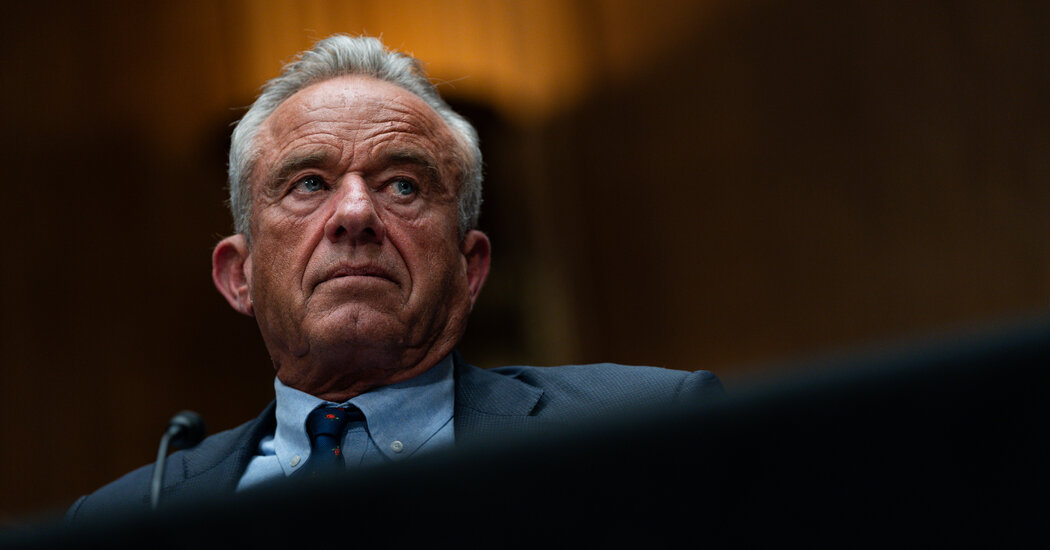
For decades, the annual convention of the American Psychiatric Association (APA) has followed a predictable, almost comforting ritual, cocooned in a familiar white noise of mild public dissent. Attendees in business casual would file quietly past the usual margins of society—fervent Scientologists clutching megaphones, Falun Gong practitioners breathing through meditative poses, and a scattering of deeply hurt former patients holding weathered cardboard signs that told intimate stories of forced hospitalizations, debilitating overmedication, or the permanent cognitive fog of electroconvulsive therapy. These demonstrations were a regular backdrop, a known constant that clinicians could walk past with a polite, insulated detachment. But this year in San Francisco, as thousands of mental health professionals gathered under the vaulted ceilings of the convention center, the air felt altogether different—heavy with a new kind of institutional vulnerability. The typical background static of picketers was suddenly eclipsed by a historic challenge originating from the highest levels of the federal government. Just ten days prior to the meeting, Health Secretary Robert F. Kennedy Jr. had disrupted the status quo by introducing a set of federal policies designed to push doctors toward “deprescribing” antidepressants—specifically, the highly prevalent class of selective serotonin reuptake inhibitors, or SSRIs. Inside the convention halls, this announcement lit a slow-burning fuse of professional anxiety, turning casual corridor conversations into heated debates about clinical autonomy. When Dr. Marketa Wills, the association’s chief executive, took the main stage for the plenary session and boldly declared that the profession would “never support governmental interference in the practice of medicine,” the room erupted in a roaring, standing ovation. It was a moment of fierce professional defense, a collective closing of ranks around clinical independence. Yet beneath the loud applause and the proud public rhetoric of standing up for evidence-based care against political oversimplification, there was a quiet, unmistakable realization that the profession was entering a high-stakes battle for public trust.
To understand the depth of the anxiety rustling through the conference corridors, one must look at the quiet, everyday clinical victories that psychiatrists credit to these widely debated medications. Out in the carpeted alcoves between lecture halls, rank-and-file clinicians spoke of antidepressants not as cold, synthetic chemical straitjackets, but as the essential biological netting keeping millions of fragile American lives from falling into the abyss. A study had recently highlighted just how deeply woven these treatments are into the fabric of American society, revealing that roughly one in six U.S. adults—some 16.6 percent of the nation’s population—currently relies on an antidepressant to navigate daily life. For psychiatrists like Dr. Sung Hyon of Pasadena, the political assault on SSRIs felt like a direct attack on common-sense medicine. In his eyes, these are “boring drugs”—safely established, thoroughly researched, completely non-addictive, and overwhelmingly reliable compounds that have earned their place as the bedrock of modern psychiatric care. Dr. Hyon passionately described them as “God’s gift to psychiatry,” pointing out that his patients are far from blind to the risks. They are acutely, intimately aware of the trade-offs, from the frustrating loss of a normal sex life to the dizzying, flu-like misery of withdrawal. Yet, day after day, patients make an active, informed choice that the trade-off is worth it, choosing these manageable biological side effects over the paralyzing, life-threatening darkness of untreated clinical depression. The consensus among many clinicians in San Francisco was that any heavy-handed federal effort to restrict or discredit these treatments would not only trigger a catastrophic mental health crisis for millions of stable families but would also ignite an unprecedented political backlash from the voter base itself, given how many ordinary citizens rely on these medications to function.
Despite the public show of collective defiance, the leadership of the American Psychiatric Association is quietly executing a delicate, highly calculated diplomatic dance with the federal government. Rather than retreating into an isolationist defensive stance, the organization’s leaders have chosen to cautiously engage with the Department of Health and Human Services. In a surprising development that raised eyebrows across the convention floor, the APA’s leadership agreed to participate in an upcoming federal panel convened by the government to develop official, evidence-based clinical guidelines for tapering patients off antidepressants. This cooperative posture reflects a pragmatic philosophy: if the national conversation about mental health is inevitably shifting toward deprescribing, then psychiatrists must have their hands on the steering wheel to prevent unscientific policy-making. Dr. Wills herself expressed a guarded optimism about this invitation, framing it as a rare opportunity to keep mental health issues front and center on the national stage while ensuring that clinical expertise guides any federal actions. However, this cooperative approach has deeply divided the rank-and-file, raising difficult questions about professional integrity. In hallways and coffee lines, many worried that by participating, the APA is playing into a carefully laid trap, lending its hard-won scientific credibility to an administration that they believe is fundamentally hostile to psychiatric medicine. Dr. Eric Rafla-Yuan, who chairs the APA’s caucus on the social determinants of health, gave voice to this widespread fear, warning of the perilously fine line between securing a seat at the table and being used as a convenient clinical shield to legitimize what he views as a politically motivated anti-drug crusade. He argued that the fundamental scientific data supporting the efficacy of SSRIs has not changed; rather, it is the political narrative that has been aggressively reframed, and that cozying up to the new administration risks validating a public skepticism that could ultimately discourage vulnerable, suicidal people from seeking the critical help they need.
Yet, to depict the convention as merely a battle between medical elites and populist politicians is to overlook a profound, organic transformation happening inside the psychiatric profession itself. Long before the government’s recent announcements, a quiet revolution was already brewing in clinics across the country, catalyzed by a stark generational shift among practitioners. This internal reckoning was highly visible in the exhibition halls, where the newly published volume “Stahl’s Deprescriber’s Guide” was selling out as fast as staff could restock the shelves, and standing-room-only crowds packed panel discussions with provocative titles questioning the long-term utility of ADHD stimulants and multi-drug cocktails. Younger psychiatrists, largely comprised of millennials who entered the field in their thirties and forties, are bringing a completely different lived experience to their practices. As Dr. Chris Aiken pointed out, this younger cohort represents the very first generation of children who were widely prescribed powerful stimulants and antidepressants during their developmental years. Having witnessed the long-term limitations, the emotional numbing, and the prolonged struggles of their peers who stayed on these medications for decades, these younger doctors are deeply skeptical of the “pill-for-every-ill” philosophy. Even senior clinicians are beginning to voice public regrets about their historical eagerness to medicate. Dr. Ronald Winchel, an assistant clinical professor at Columbia University, shared a vulnerable confession during one panel, admitting that his greatest professional regrets lay not in the medications he failed to prescribe, but in those he did not withdraw sooner, bound by a fear of relapse and a lack of sound tapering research. Dr. Winchel urged his colleagues to view this painful public scrutiny not as a threat, but as a healthy catalyst for progress, comparing this historical moment of agitation to the watershed year of 1973, when sustained external pressure forced the APA to finally declare that homosexuality was not a mental illness.
This internal soul-searching, however, quickly collides with the brutal, pragmatic realities of modern clinical practice. Tapering a patient off an antidepressant is not as simple as writing a smaller prescription; it is a slow, agonizingly delicate process that requires immense time, patience, and close therapeutic support—resources that the highly fractured American healthcare system is notoriously ill-equipped to provide. During several presentations, experts emphasized that while severe withdrawal symptoms might be statistically rare, for the patients who do experience them, the physical and emotional torment can be deeply traumatizing, leaving them feeling abandoned by a medical system that easily initiated their treatment but offered no roadmap for an exit. This disconnect is at the heart of the complaints raised by patient advocates like Laura Delano, who argue that they were heavily overmedicated as children and left entirely without medical support when they attempted to stop their medication. Practitioners pointed out the staggering irony of a federal push for deprescribing in a country where long-term, intensive talk therapy remains an elite luxury, routinely denied or severely restricted by commercial insurance companies. Yes, doctors can agree that patients should ideally take fewer medications, but they are left wondering what the state of mental health care looks like without them. Dr. Michael Bostwick, a suicide researcher at the Mayo Medical School, voiced a frustration shared by many when he demanded to know what alternative world the federal government is actually proposing for patients who decide to put down their medication. Without dedicated federal funding to build a robust nationwide network of accessible, affordable psychotherapists, critics argue that telling patients to stop taking their pills is a recipe for disaster. The worry is that patients will be left to drift in a systemic vacuum, expected to cure their deep existential and psychological pain with vague wellness advice, exercise, or unproven alternative therapies, while the structural roots of their suffering—poverty, isolation, and trauma—remain completely unaddressed.
As the convention wrapped up and the thousands of psychiatrists prepared to return to their local clinics, there was a palpable sense that the field of psychiatry had arrived at a profound historical inflection point. Dr. Awais Aftab, a psychiatrist at Case Western Reserve University and author of the popular Substack “Psychiatry at the Margins,” suggested that the demand for antidepressants in the United States may have finally reached a natural limit, where the public’s awareness of the drugs’ real-world limitations and side effects is beginning to balance out their perceived benefits. Yet, global precedents suggest that changing prescribing habits is a monumentally slow process. When Britain launched an extensive national campaign to curb overprescribing, complete with updated guidelines and rigorous medical audits, the actual consumption of antidepressants continued to rise steadily, driven by deep-seated social demand, stigma reduction, and the widespread availability of cheap, generic medications. This global metric suggests that the human yearning for chemical relief from the heavy burdens of modern life is incredibly resilient, often outpacing the warnings of both scientists and politicians. In the end, the swirling debates in San Francisco revealed a profession caught in a deeply human struggle. Psychiatrists are trying to balance the humility required to admit their own past excesses with the courage needed to protect a class of medications that, for all their flaws, have rescued countless human beings from the brink of suicide and despair. The coming years will decide whether this political pressure will fracture the field further, or whether it will force a long-overdue evolution toward a more compassionate, well-rounded model of healing that treats patients not as chemistry sets to be balanced, but as whole people searching for a way through the dark, chaotic waters of existence.