



For generations, the glamorous world of luxury travel existed behind a metaphorical velvet rope, seemingly reserved only for high-earning Wall Street power players, tech moguls, and inheritance-elite families. To the average hard-working professional, the dream of clinking crystal glasses on a private yacht, unwinding in a world-renowned luxury spa, or watching the sunrise over an African savannah felt like a distant fantasy, relegated to glossy travel magazines, Hollywood movies, and carefully curated social media feeds. Fortunately for the rest of us, a massive and highly welcome paradigm shift is currently underway across the global hospitality sector, ushering in a golden age of what industry insiders are calling “attainable luxury.” Today, premier airlines, luxury safari lodges, boutique cruise lines, and even legendary Michelin-starred restaurants are tearing down their exclusive barriers in favor of more flexible, clever, and à la carte options that bring high-end experiences down to earth. By understanding how the modern travel industry operates behind the scenes, you no longer have to settle for uninspired motels or cramped economy flights just because you do not have a massive, six-figure corporate-executive budget. Instead, with a touch of strategic planning, a willingness to compromise on minor details, and some critical insider knowledge, you can experience the absolute pinnacle of high-end travel without emptying your retirement accounts. Ultimately, this structural shift is not about cutting corners, feeling deprived, or settling for less; it is about making highly targeted, high-value choices that allow you to live exceptionally large on a thoroughly sensible, middle-class paycheck.
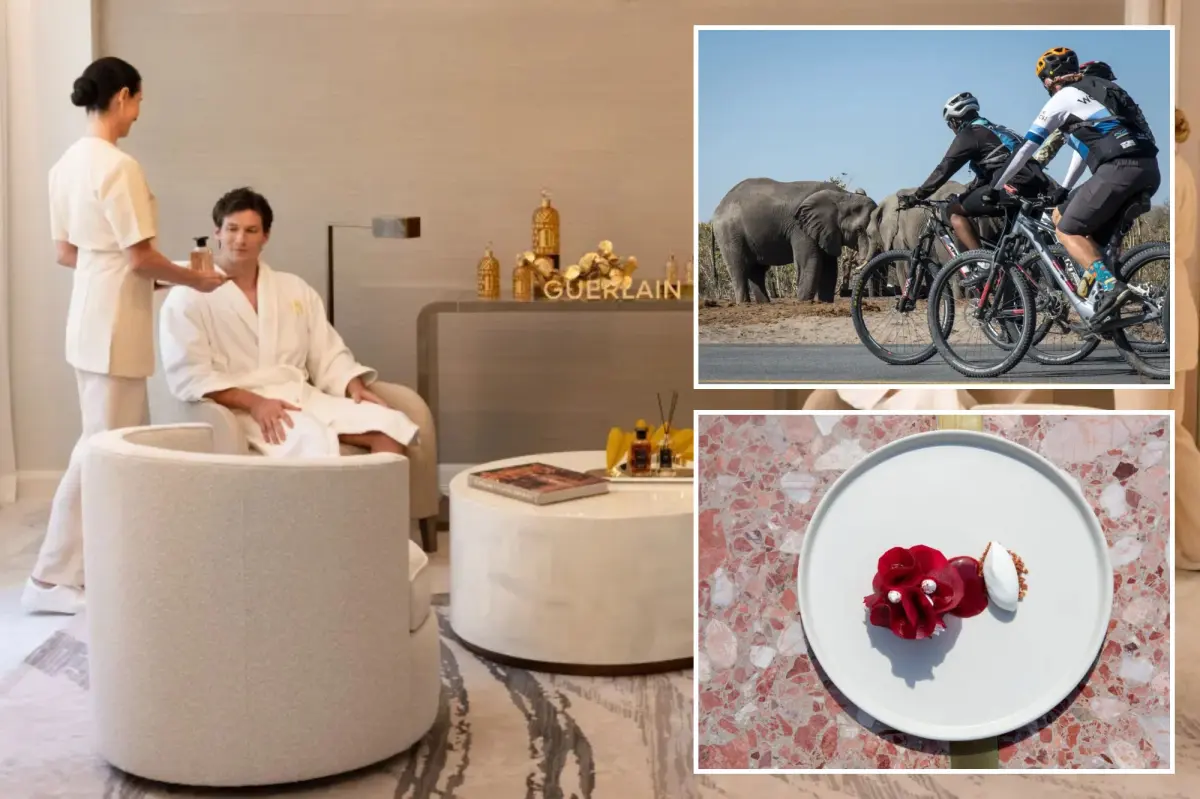
Take, for instance, the classic, bucket-list dream of an African safari—an experience notoriously famous for commanding thousands of dollars per single night. Safaris are often perceived as prohibitively expensive because top-tier lodges traditionally bundle every single amenity, from multiple daily game drives to premium spirits and private charter flights, into an astronomical, all-inclusive price tag. However, you can easily bypass these eye-watering costs by timing your trip to coincide with the “shoulder season,” those sweet-spot months flanking the peak dry periods when the magnificent Big Five do not hibernate and are still incredibly active, yet rates routinely drop by up to fifty percent. Premier properties like Namibia’s stunning Etosha Mountain Lodge, which can easily fetch upwards of seven hundred dollars per person, per night during peak times, drop their rates significantly and even waive the pesky “single supplements” that penalize solo travelers. Furthermore, you can search for magnificent lodges that offer “dinner, bed, and breakfast” rates—such as Etosha’s entry point of around two hundred and sixty-two dollars a night—allowing you to pay solely for the game excursions you actually want instead of paying for a rigid, pre-packaged schedule. Adventure seekers are also discovering the thrill of non-traditional, active safaris; exchanging the standard Land Cruiser for a cycling safari can dramatically lower costs while offering an unmatched physical connection to the landscape. For example, instead of spending four thousand dollars a night at ultra-luxury lodges in Botswana, you can embark on a multi-day mountain biking and mobile glamping expedition deep in the bush with pioneering outfitters like Natural Selection for a fraction of the cost. Alternatively, booking a spot on high-end, small-group expeditions through legendary operators like Micato Safaris allows you to enjoy five-star camps, expert guides, and private accommodations while sharing logistics—and perhaps making lifelong friends, such as a lovely retired couple in your shared vehicle—with a small group of like-minded adventurers, saving you approximately thirty percent.
If your heart is set on sailing the open ocean rather than exploring the dusty African plains, the maritime world is also undergoing a radical democratization. This shifts power back to the consumer by bypassing the traditional, ultra-expensive yacht brokerage system that once priced out all but the wealthy. Thanks to the monumental merger of platform giants Boatsetter and Getmyboat, the “Airbnb for boats” has reached an unprecedented scale, allowing everyday travelers to rent beautiful vessels directly from local owners. By avoiding professional yacht brokers entirely and reaching out directly to boat owners to politely negotiate rates via direct message rather than booking instantly, you can secure stunning watercraft for daytime excursions or extended coastal cruising. The real secret to success lies in assessing your actual needs: if you are comfortable mixing your own cocktails, navigating basic paddleboarding, and cooking simple meals, you can skip the exorbitant cost of hiring a full onboard crew. For those who crave the luxurious pampering of a mega-yacht but lack the funds to charter one privately, the rise of shared yacht charters offers an incredibly elegant and affordable solution. Companies like Cruise Croatia offer intimate seven-night voyages along the sparkling Adriatic Sea aboard sleek, 157-foot yacht-style vessels with a strict limit of just thirty-six guests, giving you a boutique, highly personalized experience with strangers who share your tastes for around three hundred and seventy dollars per night. Similarly, operators like Sun Fun You: Mediterranean Voyages invite small groups of solo travelers to share beautiful, traditional wooden gulet-style yachts sailing the Turkish Riviera. For a highly reasonable rate that hovers around four hundred and thirty-seven dollars per night, you receive a private ensuite cabin and round-the-clock access to an onboard chef, a certified fitness instructor, and an experienced local guide, delivering a truly bespoke yachting lifestyle without the yacht-owner price tag.
For travelers who want to enjoy the finer things without paying premium overnight rates, the art of the “daycation” has become the ultimate secret weapon for smart budgeting. There is absolutely no shame in booking a cozy, budget-friendly three-star hotel for a good night’s sleep, and then spending your daylight hours luxuriating in the majestic, manicured amenities of a neighboring five-star resort. In the past, world-class hotel spas, pristine pool decks, and exclusive fitness centers were reserved strictly for registered overnight guests paying top dollar. Today, major luxury brands have quickly realized the massive revenue potential of offering exclusive day passes to the public. Take the legendary Waldorf Astoria New York, where overnight stays can easily surpass fourteen hundred dollars; its iconic Guerlain Spa—the largest of its kind in the world—now welcomes the public to experience its state-of-the-art steam rooms, saunas, and sensory arctic caves for a weekday pass of just one hundred and five dollars, without requiring you to book an expensive treatment. Similarly, properties like the sprawling JW Marriott Tucson Starr Pass Resort & Spa invite day guests to splash in their multi-level pool complexes, float down lazy rivers, and participate in legendary resort rituals like their nightly complimentary tequila toasts. Over in Texas, the idyllic Lake Austin Spa Resort offers a one hundred and fifty dollar day pass that grants you boundless access to sparkling pools, steam rooms, and outdoor whirlpools, alongside unlimited gourmet snacks and healthy, non-alcoholic beverages. While brilliant booking aggregators like Resort Pass feature thousands of hotel partners offering such daytime escapes, savvy luxury-hunters know that contacting properties directly to inquire about day passes can sometimes yield an additional fifteen percent discount, putting elite-level relaxation well within reach.
The global culinary scene is also evolving to accommodate food lovers who want to experience legendary gastronomy without facing an eye-watering credit card statement at the end of the night. If you want to sample the genius of Michelin-starred culinary masters on a budget, look to Europe, where the midday meal is historically celebrated, and lunch menus are often priced at a fraction of their dinner counterparts. For example, Baeita, a highly acclaimed one-star establishment in Paris, serves an exquisite, multi-course gourmet lunch menu for a mere seventy dollars, allowing you to experience Parisian fine dining at its peak for the price of a standard neighborhood meal back home. Additionally, expanding your culinary horizons beyond major global capitals like London, Chicago, or New York to secondary and tertiary cities can yield massive financial rewards. While a two-star Michelin dinner with wine pairings in Manhattan will easily set you back five hundred dollars per person, you can enjoy a world-class, multi-course feast featuring local ingredients and masterful pairings at Germany’s renowned La Fleur in Frankfurt for nearly half that price. Back in the United States, your best approach is to skip the formal, multi-course dining room entirely and head straight for the bar area. Elite establishments like Jeune et Jolie in Carlsbad, California, offer their stunning Michelin-caliber dishes through casual, à la carte bar menus, completely bypassing the rigid, triple-digit tasting menus and allowing you to curate your own perfect, affordable feast—complete with complimentary bar snacks and an electric, lively atmosphere.
Ultimately, no luxury vacation is complete without a seamless journey, and the aviation industry is stepping up with creative ways to help humanize the flying experience without demanding first-class fares. If you have ever cringed at the thought of congested commercial terminals and endless TSA lines, the post-pandemic boom in semi-private jet charters offers a brilliant middle ground. Innovative operators like Slate Aviation operate private-style jets configured with twelve to eighteen spacious business-class seats, offering travelers a luxury experience flying between major hubs like New York and Palm Beach for around thirty-two hundred dollars round-trip—which includes access to quiet private terminals, lightning-fast departures, and truly functional onboard Wi-Fi. Meanwhile, commercial carriers are aggressively upgrading their domestic offerings to capture the “attainable luxury” market, with American Airlines introducing highly upgraded premium economy cabins on coast-to-coast routes like JFK to LAX. These upgraded seats boast deep-reclining positions, generous legroom, gourmet hot meals served on genuine chinaware, plush designer blankets, and specialized ergonomic lumbar Ostrichpillows, making your journey feel delightfully exclusive. Looking ahead, global aviation giants like Delta and United are joining major international carriers like Air France, KLM, Qatar, and Emirates in “unbundling” their business-class offerings, allowing passengers to pay specifically for a comfortable, lie-flat seat while opting out of services they might not need, such as lounge access during tight layovers or extra checked baggage. By putting control back into the hands of the traveler, these tiered services prove that you do not need an endless bank account to explore the world with elegance, grace, and comfort.