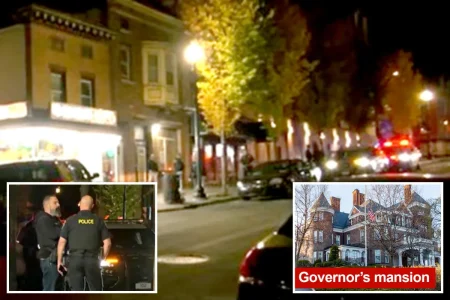




The historic neighborhood of West Ghent in Norfolk, Virginia, has long been cherished by its residents as a peaceful, leafy sanctuary characterized by beautiful old-growth trees, charming historic homes, wide sidewalks, and a comforting sense of safety. On any given Sunday evening, the rhythm of life here is predictable, gentle, and quiet, marked by families winding down from the weekend, children finishing up their homework, the pleasant aroma of home-cooked dinners, and neighbors sharing casual, friendly conversations across their manicured lawns. However, this idyllic domestic serenity was violently shattered on a recent Sunday evening around 8:30 p.m. when the familiar intersection of Redgate Avenue and Greenway Court was suddenly besieged by an uninvited, chaotic tempest of noise, metal, and high-octane adrenaline. What began as a distant, low rumble rapidly escalated into a deafening roar of modified engines and the high-pitched, agonizing shriek of screeching tires as an unauthorized street takeover seized absolute control of the crossroads. Within a matter of minutes, the peaceful night air was heavily choked with thick, toxic, acrid tire smoke, and the neighborhood’s long-standing sense of peace was instantly shattered. Terrified residents could only watch in sheer disbelief and growing anxiety from behind their curtains as their familiar, safe streets were transformed into a lawless arena of reckless behavior, proving just how fragile the boundary between suburban peace and urban chaos can be when a reckless mob decides to lay claim to public space. This sudden, violent disruption left a community of unsuspecting people feeling deeply vulnerable in the very place they call home, highlighting the jarring nature of modern flash-mob style disturbances.
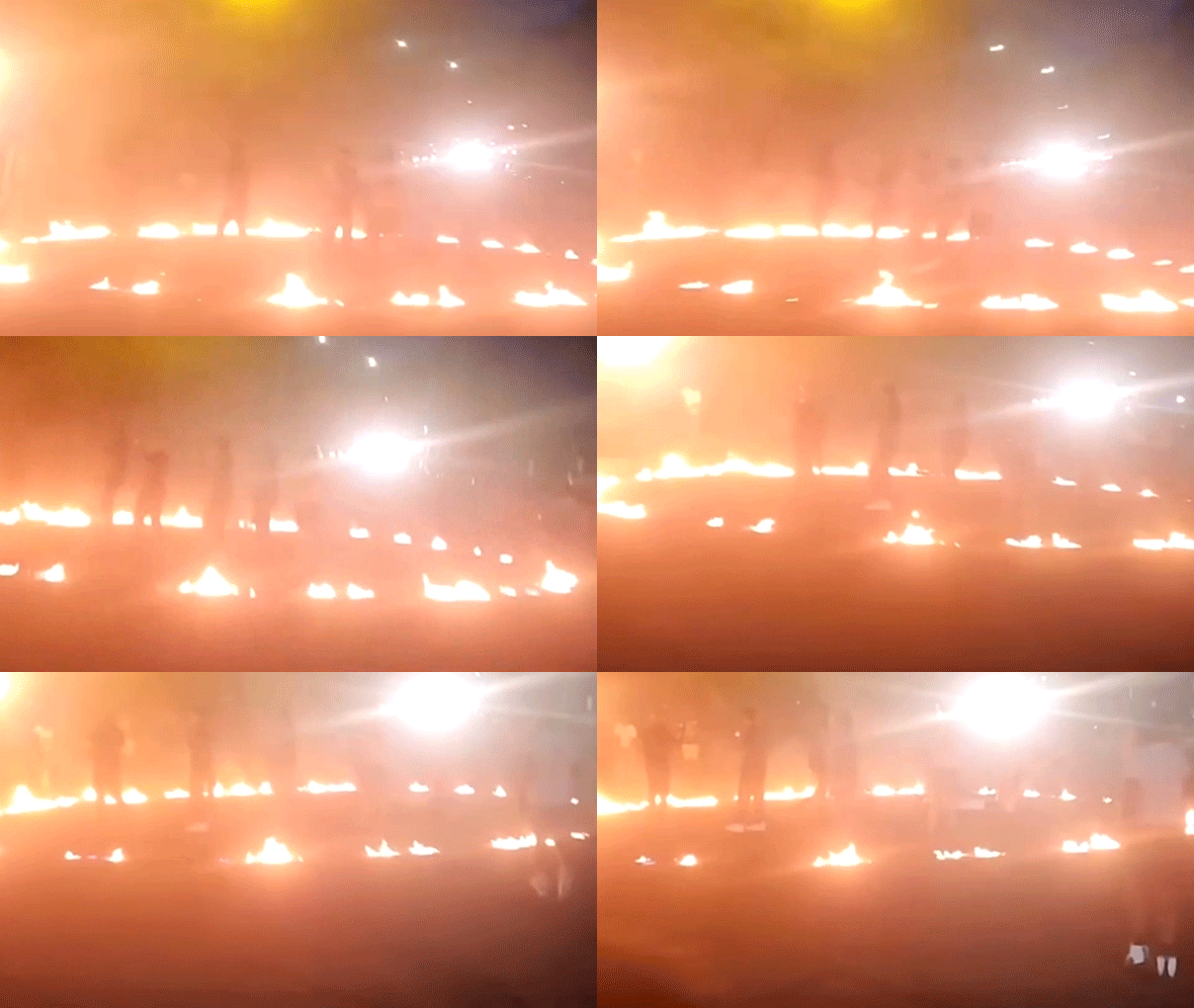
The sheer audacity of the gathering quickly escalated from reckless driving into a terrifying, pyrotechnic spectacle that looked more like an apocalyptic movie scene than a peaceful American neighborhood intersection. As the crowd of onlookers grew larger and more raucous, spectators swarmed the pavement, forming a dense and cheering ring around vehicles performing dangerous donuts and drift maneuvers incredibly close to the vulnerable crowd. The danger reached a fever pitch when individuals in the mob introduced fire to the already volatile situation, elevating the street takeover from a public nuisance to a life-threatening, heart-stopping catastrophe. Shocking video footage captured a masked individual proudly brandishing what appeared to be a literal, military-style flamethrower, aiming the weapon directly overhead and unleashing massive, roaring plumes of bright orange fire that licked the night sky and illuminated the historic homes in a sinister, flickering glow. To make matters worse, other participants were seen casually dousing the asphalt with liquid gasoline directly from a plastic can, igniting instant, uncontrollable walls of flame that danced dangerously close to parked vehicles, dry autumn trees, and the spectators themselves. The reckless disregard for human life and property was staggering, as the mob cheered on the spreading fire, completely oblivious to the horrific potential for a devastating explosion, severe burn injuries, or a rapidly spreading structure fire that could easily engulf nearby family homes in a matter of minutes.
When the flashing blue lights and wailing sirens of the Norfolk Police Department finally pierced through the thick veil of smoke and flames, the chaotic gathering scattered frantically in all directions, leaving behind scarred asphalt, litter, and a deeply shaken community. Amidst the chaotic retreat, alert officers managed to apprehend and arrest nineteen-year-old Isaiah Duncan-Simmons, a resident of nearby Virginia Beach, who was subsequently booked and charged with disorderly conduct and careless damage of property by fire. This arrest highlights a deeply troubling aspect of modern youth culture: the willingness of young individuals to risk their futures, criminal records, and physical safety for fleeting moments of online notoriety and social media clout. For Duncan-Simmons, a night spent seeking adrenaline-fueled validation from a crowd of cheering strangers ultimately culminated in a sobering mugshot, handcuffs, and serious legal consequences that could derail his education and career prospects for years to come. This arrest serves as a grim and necessary reminder of the yawning disconnect between the digital thrill of capturing viral content on a smartphone and the very real, very dangerous real-world consequences of playing with fire—both literally and figuratively—in the heart of a populated, peaceful residential neighborhood where families sleep and raise their children in trust.
Regrettably, for the weary residents of Norfolk, this fiery disturbance was not a completely isolated incident, but rather the latest manifestation of a deeply concerning, larger trend that has been plaguing the region and the nation at large over recent years. Just months earlier, in March, a similar unauthorized street gathering outside a local Norfolk shopping mall degenerated into raw violence when gunfire suddenly erupted, leaving seven people seriously injured and casting a long shadow of fear over the entire city. While the West Ghent incident fortunately concluded with no physical injuries reported, the escalation from reckless driving to the active use of dangerous accelerants and specialized weaponry like flamethrowers indicates a worrying evolution in the intensity and severity of these takeovers. Cities across the United States are finding themselves increasingly under siege by these highly organized, spontaneous events, which are coordinated through encrypted messaging applications and social media channels. This digital coordination makes it incredibly difficult for local law enforcement agencies to predict, prevent, or safely disperse these crowds before the chaos erupts, leaving police and communities constantly playing catch-up against a decentralized, fast-moving threat that treats public asphalt as a consequence-free playground.
The psychological toll of these disruptions on the local population is profound, long-lasting, and far outlasts the physical smoke, tire tracks, and charred debris left behind on the surface of the asphalt. When a neighborhood’s central intersection is suddenly and violently transformed into a fiery warzone, the collective psyche of the community suffers a severe blow, replacing a general sense of safety with persistent anxiety, frustration, disbelief, and hyper-vigilance. Neighbors gather on their porches the following morning, shaking their heads at the blackened scars on the road and discussing on local online forums how close they came to disaster. Parents now worry about the safety of their children playing near the streets, elderly residents feel trapped in their homes, and local business owners fear the devastating financial impact of property damage and declining foot traffic. In response to this direct invasion of their peace, the resilient residents of West Ghent are refusing to remain passive victims of this modern urban plague; instead, they are actively partnering with the Norfolk Police Department, answering the call to submit private home security footage, smartphone videos, and photographs to help investigators identify and prosecute the remaining perpetrators. This collective community effort is not just about bringing lawbreakers to justice, but about active healing, reclaiming their shared neighborhood spaces, and sending an unmistakable message that public streets belong to families and citizens, not to reckless thrill-seekers.
Looking to the future, successfully resolving the growing crisis of illegal street takeovers will require a comprehensive, multi-faceted approach that goes far beyond traditional law enforcement to address the root cultural and social drivers of these dangerous events. While increased police presence, stricter criminal penalties, and physical road design interventions—such as speed bumps, roundabouts, and traffic-calming measures—can act as immediate deterrents, there must also be a concerted effort to educate young people on the extreme physical dangers of these activities and to provide constructive, safe, and sanctioned outlets for automotive enthusiasts to gather. The resilience of the West Ghent community serves as a powerful testament to the strength found in neighborhood solidarity, demonstrating that the cold flames of chaos can ultimately be extinguished by the enduring warmth of community cooperation and mutual support. As Norfolk sweeps away the physical ashes of this terrifying event and works to heal, the hope remains that through proactive policy, modern technological vigilance, and robust community engagement, peace can be permanently restored to the city’s historic avenues. This will ensure that a quiet Sunday evening remains a safe, predictable, and secure haven for generations to come, preserving the simple human right to live in peace without fear of sudden, explosive disruption.