


The physical, social, and emotional landscape of American immigration has undergone a seismic and deeply historic shift during President Donald Trump’s first year back in office, marked by a massive, sweeping exit of over three million undocumented immigrants from the country. According to newly released internal figures shared by the Department of Homeland Security, this unprecedented exodus includes a staggering 2.2 million individuals who chose what the administration formally categorizes as “self-deportation.” To view these numbers purely as administrative achievements or cold statistical milestones, however, is to overlook the deeply human realities currently unfolding in living rooms, neighborhoods, workplaces, and schools across the United States. For millions of immigrant families, this past year has not been defined by political debates or policy papers, but by agonizing kitchen-table conversations, sleepless nights of paralyzing anxiety, and the heartbreaking process of dismantling lives that were built over years, and sometimes decades, in the shadows of American society. Across the nation, parents have had to make the nearly impossible choice between staying and waiting for an inevitable knock on the door, or quietly liquidating their possessions, selling their family cars, saying tearful goodbyes to friends, and voluntarily returning to countries they once fled in search of physical safety or economic survival. The Trump administration has proudly framed this monumental demographic shift as a resounding validation of its aggressive immigration crackdown, presenting it as a direct, orderly, and necessary correction to the historic wave of migrant crossings that characterized the previous administration under Joe Biden. Yet, beneath the triumphant political rhetoric of federal officials lies a complex and painful fabric of human anxiety, as the sudden withdrawal of millions of people ripples through local communities that have suddenly lost valued neighbors, classmates, coworkers, and friends, leaving an eerie silence in places that once bustled with the quiet, striving energy of families.
At the very heart of this dramatic and sweeping demographic shift is a highly modernized, technology-driven approach to border enforcement and interior management that relies as much on digital nudges and structural behavioral incentives as it does on physical barriers or armed patrols. The absolute cornerstone of the administration’s self-deportation strategy has been the rapid expansion and aggressive promotion of the “CBP Home” mobile computer application, a tool that has fundamentally redefined how the federal government manages the departure of unauthorized residents. This digital platform allows undocumented migrants to voluntarily register for their own exit from the country, offering them travel logistics, flight bookings, and modest direct financial support to help ease their resettlement back in their countries of origin. From the government’s perspective, the fiscal argument for this digital outreach and advertising campaign is incredibly compelling, with Homeland Security officials vigorously defending the program amid intense Senate scrutiny by asserting that the self-deportation pathway costs a mere fraction of the massive taxpayer expenses required for traditional physical arrest, long-term detention, and formal judicial deportation proceedings, ultimately saving the public an estimated $39 billion in enforcement, legal, and institutional costs. However, the human experience of interacting with the CBP Home app is profoundly surreal and emotionally devastating, transforming the monumental, life-altering decision to abandon one’s American dream into a clean, sterile, and computerized transaction. Instead of the dramatic, high-visibility physical raids that dominated media coverage in previous generations, this policy operates with a quiet, algorithmic efficiency, systematically dismantling an individual’s viability to work, rent a home, or safely live in the United States until clicking a button on a smartphone screen feels less like a voluntary option and more like the only remaining dignified, state-sanctioned exit ramp from an increasingly hostile, closed-off domestic environment that has stripped away any hope of legal integration.
For those millions of undocumented immigrants who did not or could not choose the digital path of voluntary self-deportation, the administration’s traditional law enforcement apparatus has operated with a relentless, uncompromising, and unprecedented vigor, resulting in nearly 900,000 formal administrative deportations and more than 900,000 targeted physical arrests by mid-May. This massive operational wave has been fueled by a highly visible, heavily funded expansion of interior enforcement actions conducted by Immigration and Customs Enforcement (ICE) agents, alongside the implementation of stringent new asylum restrictions and the systematic, public dismantling of historic “catch-and-release” protocols at the southern border. Under previous administrative frameworks, apprehended migrants were frequently processed, assigned a distant future immigration court hearing date, and temporarily released into the interior to reside with family—a practice that critics long argued acted as a powerful structural magnet encouraging unauthorized border crossings. Today, that processing safety valve has been firmly and permanently shut, replaced by an uncompromising federal mandate of immediate detention or rapid security repatriation, with Customs and Border Protection proudly reporting that its Border Patrol agents have gone a full year without releasing a single apprehended illegal immigrant directly into the country’s interior. This total, systemic shift in operational philosophy has sent a powerful, chilling shockwave through migrant networks stretching from the American heartland all the way down through South and Central America, replacing the old hope of finding a temporary legal foothold in America with the absolute, terrifying certainty of swift detention and rapid expulsion, thereby creating a profound psychological barrier of fear that has ground the historic global flows of migration to a sudden and near-complete halt. Physical arrests in homes and workplaces mean that everyday life for those remaining has become an exercise in high-stakes survival, where simple tasks like driving to the grocery store or dropping children off at school are fraught with the terrifying potential of permanent, traumatic family separation at the hands of federal agents.
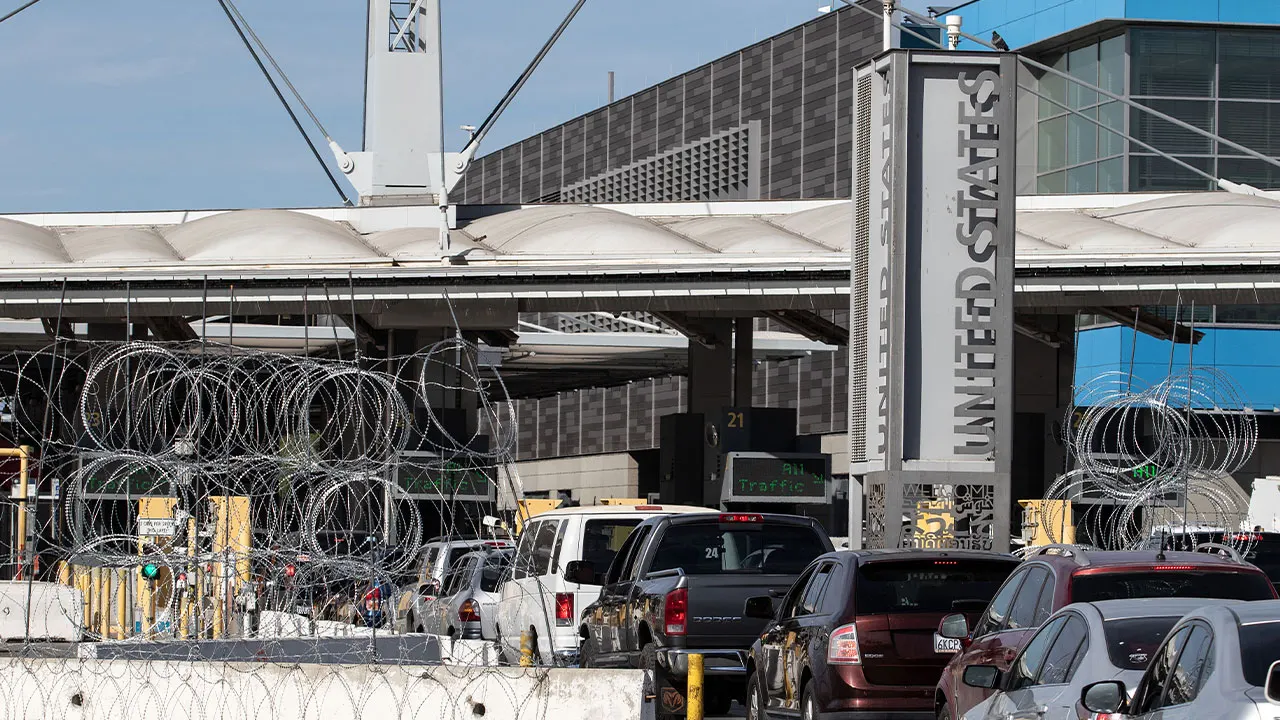
The physical manifestation of this aggressive deterrence policy is most strikingly visible along the southern border, where the chaotic, heartbreaking scenes of crowded riverbanks, makeshift encampments, and overwhelmed processing centers have been replaced by a stark, quiet, and heavily fortified barrier landscape. Official government statistics paint a picture of an unprecedented, historic reduction in southwestern border activity, with the Border Patrol recording a mere 8,943 apprehensions along the entire southwestern border in the month of April—a stunning and historic 94 percent drop from the monthly average recorded during the Biden administration, and a staggering 96 percent decline from the historic peak recorded in December of 2023 when crossings hit record highs. Homeland Security Secretary Markwayne Mullin has pointed to these numbers as definitive, absolute proof that the era of border impunity has officially ended, arguing passionately that “the days of catch and release are over” and that the administration’s layered approach of physical walls, policy restrictions, ICE operations, and interior enforcement has successfully broken the economic model of international human smuggling cartels. For the communities lining both sides of the Rio Grande, this statistical plunge has drastically transformed daily life, turning once-cluttered international bridges and high-intensity staging areas into quiet, orderly federal checkpoints watched over by heavily armed national guard troops, state police, and advanced digital aerial surveillance technologies that detect any movement. While local business owners and municipal leaders in border towns have certainly expressed a collective sense of relief at the easement of logistical and financial strains on their public services, humanitarian organizations warn that this dramatic decline in apprehensions does not mean the desperate conditions driving global migration have magically vanished, but rather that vulnerable families are being pushed further into danger, forced to wait in perilous, cartel-dominated Mexican border cities or seek out even more dangerous, remote desert pathways to avoid the comprehensive federal enforcement net.
This dramatic reduction in the undocumented population and the sharp decline in border crossings have ignited a fierce, multi-faceted national debate, exposing deep, structural tensions between political security goals and the basic economic and humanitarian realities of contemporary American life. Many policy analysts, immigration advocates, and human rights organizations have raised profound ethical questions regarding how the Department of Homeland Security characterizes these departures, arguing that labeling an exit as a “voluntary self-deportation” sanitizes what is, in reality, a deeply coercive and painful process driven by systemic fear, legal disenfranchisement, and the deliberate creation of unlivable social and economic conditions. Indeed, many immigration experts argue that a departure under extreme legal and social duress is no more voluntary than a physical deportation, pointing to the intense pressure created by the administration’s sweeping restrictions on driver’s licenses, professional careers, and basic public benefits. Furthermore, the abrupt departure of more than three million consumers, workers, and taxpayers is starting to send powerful economic tremors through vital American industries that have long relied on undocumented labor, including agriculture, construction, hospitality, and domestic eldercare, where desperate business owners are now facing severe labor shortages, rising operational costs, and unharvested crops rotting in the fields due to a sudden lack of workers. Beyond the economic ledger, the social costs are immeasurable, as communities grapple with the sudden, quiet disappearance of long-term residents and families face the gut-wrenching trauma of mixed-status separations, where parents must decide whether to take their American-born children back to violent homeland regions or leave them behind in the United States with friends or foster care to preserve their educational opportunities, illustrating the profound domestic collateral damage of a policy designed to prioritize border mathematics over basic human preservation. The emotional toll of this atmosphere of exclusion is felt deeply in churches, community centers, and schools where empty desks and empty pews tell a quiet story of a community in retreat, forever altered by the heavy hand of federal domestic policy.
As the dust settles on this highly transformative first year of President Donald Trump’s return to power, the United States finds itself standing at a historical crossroads, navigating a fundamental, generational redesign of its national character and demographic future. The administration’s aggressive, uncompromising enforcement strategy has undoubtedly achieved what many political skeptics once deemed impossible, demonstrating that a combination of strict policy enforcement, persistent technological infrastructure, and systematic deterrence can rapidly reshape global migration patterns and shrink the domestic undocumented population on an unprecedented scale. However, this statistical triumph has come at an enduring, irreplaceable cost to the nation’s traditional, cherished identity as a historic sanctuary and a land built on the strivings of generations of immigrants who arrived with little more than a dream of freedom and opportunity. The quietened streets of immigrant neighborhoods and the digital, transaction-like efficiency of the CBP Home app stand as monument to a brave new era of governance—one that prioritizes national sovereign security, structural barriers, and cold fiscal optimization over humanitarian compromise and the historic ideals of international refuge. As the nation slowly adjusts to this stark new normal, the ultimate legacy of this historic shift will not be measured solely by the millions of people who have left, but by the lasting, generational impact of their absence on the cultural vitality, economic resilience, and global moral standing of an America that has chosen to close its golden door and turn its gaze firmly inward. Ultimately, the country remains deeply and painfully divided, caught in an ideological battle over whether this quiet, massive exodus represents a necessary and long-overdue restoration of law and order, or a tragic, permanent departure from the nation’s foundational promise as a beacon of hope, liberty, and compassion for the world’s most vulnerable, leaving a complex legacy that will echo for decades to come.