


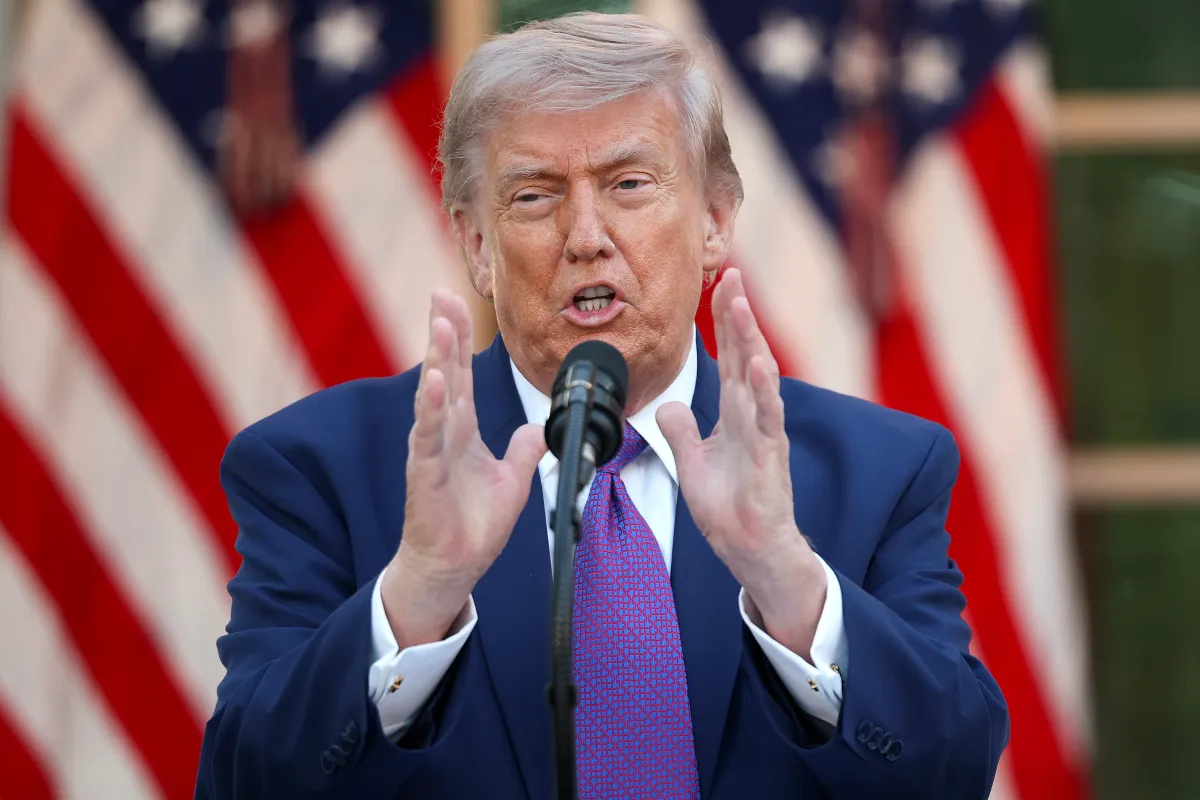
Imagine starting your day with a scroll on Truth Social, where suddenly, the world feels a bit brighter and more patriotic. President Donald Trump just dropped a bombshell announcement, picking West Potomac Park in Washington, D.C., as the perfect spot for his long-touted “National Garden of American Heroes.” Picture this: a space that’s been sitting there, waiting for purpose, now set to bloom into a grand tapestry of American excellence. Trump’s post paints a vivid picture of transforming this so-called “totally barren field” into a lush, landscaped paradise brimming with statues of figures who’ve shaped our nation’s story. It’s not just about monuments; it’s a heartfelt nod to the people who’ve given everything for liberty, innovation, and the American dream. Standing in his virtual podium, Trump exudes that infectious energy, rallying folks to envision a Washington that isn’t just a seat of power but a living tribute to heroism. As someone who’s strolled through D.C.’s parks on lazy Sundays, I can already feel the thrill—imagine families picnicking near life-sized sculptures of trailblazers, kids climbing on benches shaped like historical artifacts, and adults reflecting on how these heroes mirror our own struggles and triumphs. This isn’t cold stone; it’s a breathing extension of who we are as Americans, honoring those who’ve lit the path.
Diving deeper into the heart of D.C., West Potomac Park stretches along the Potomac River, right at the foot of our nation’s capital like a eager canvas awaiting a masterpiece. Trump describes it as barren now, but for city dwellers and tourists alike, it’s a familiar green expanse where joggers zip by, picnics unfold under cherry blossoms, and the Lincoln Memorial looms majestically in the distance. Yet, in Trump’s vision, this space isn’t just untamed wilderness—it’s ripe for redemption. Landscaping crews would roll in, sculpting gardens with native plants, winding paths lined with historical plaques, and fountains that mimic the ripples of American history. Think of it as turning a neglected backyard into a family heirloom. I remember visiting as a kid, tossing breadcrumbs to ducks near the Tidal Basin; back then, it felt magical, but Trump’s plans promise to elevate it into something sublime. Families could wander through themed sections—a wreath of statues for military heroes standing tall under flowering dogwoods, or civil rights icons surrounded by roses symbolizing hope. It’s humanizing history, making it personal: that barren field becomes a storybook where every statue whispers tales of courage, reminding us that heroes are people too, with flaws and fears, just like the rest of us fighting our daily battles.
Drawing from his first term like a favorite chapter in a beloved novel, Trump revives this proposal with renewed vigor, stitching it into the fabric of our national identity. Back in 2017 and beyond, he floated the idea of a National Garden to combat what he saw as divisive forces eroding our shared values—statues toppled, histories rewritten overnight. Now, it’s a comeback tale, promising to heal old wounds and unite us under a canopy of pride. Imagine historians and everyday folks nodding in agreement, seeing this as a counterpoint to forgetting the giants who built this land. In my own life, I’ve pondered how we honor the past without letting it divide us, and this project feels like a bridge, acknowledging pain while celebrating progress. Trump’s announcement isn’t just policy; it’s a personal rallying cry, echoing his belief that America thrives when we remember our roots. Picture veterans gathering, their eyes misty as they recount stories of bravery near statues of comrades long gone, or teachers leading field trips where kids debate which hero shaped their aspirations. It’s about reviving our collective memory, turning nostalgia into action, and ensuring that the next generation doesn’t just learn dates—they feel the heartbeat of history.
At the core, this garden blossoms with heroes from every walk of American life, spanning politics where leaders like Washington and Lincoln debate silently through their bronze gaze, the military where generals and soldiers stand in formation against tyranny, civil rights where champions like Martin Luther King Jr. and Rosa Parks inspire movements of equality, sports icons like Babe Ruth swinging for the fences of possibility, and entertainment legends like Elvis Presley rocking the soul of a nation. Trump’s post hints at a mosaic, each statue a chapter in our sprawling epic. As I visualize it, there’s humor and heart: a baseball cap tilted on Ruth’s bust, or a saxophone gleaming near Duke Ellington’s. These aren’t distant deities; they’re relatable folks whose stories resonate with our own. Families might debate over ice cream—who’s your hero and why?—while teenagers snap selfies, turning solemn statues into viral memes. It’s humanizing these figures, showing how a farmer boy became a president or a seamstress sparked a revolution. In our busy lives, squeezed between screen time and schedules, this park offers refuge, a place to reconnect with the humanity behind headlines, reminding us that heroism isn’t just about medals; it’s the quiet strength in everyday Americans pushing forward.
Weaving into Trump’s grander tapestry, this project aligns with his dream of remaking Washington into the “safest and most beautiful capital in the world,” a safe haven buzzing with energy and unity. Tied to the celebrations of America’s 250th anniversary in 2026, it’s like throwing the ultimate birthday bash for liberty, with the garden as the glittering centerpiece. Picture fireworks over the Potomac, reflecting off statues, as dignitaries and everyday patriots mingle. In today’s world, where cities grapple with discord, this space could be a healing balm, drawing tourists from afar to witness democracy’s artistry. I’ve fantasized about strolling at dusk, the park illuminated, stories of resilience echoing through the night. It’s a commitment to beauty beyond politics—safer streets for evenings out, parks where laughter drowns out chaos. Critics might scoff, but envision the pride it instills, like a hometown parade where everyone feels included. From enhanced security to environmental touches, it’s a promise of progress, making D.C. not just a destination but a mirror of our aspirations.
And yet, as a developing story whispers, there’s so much more to unfold—details on funding, artist selections, timelines, controversies perhaps—keeping us all on edge, eager for the next chapter. Trump’s announcement feels like the spark of a long adventure, transforming potential into palpable excitement. In the meantime, I can’t help but daydream about visiting this future haven, letting its stories wash over me like a comforting tide. Whether you’re a skeptic or a supporter, it ties into our human longing for connection, honoring not just heroes, but the uncelebrated dreams that make America pulse. This barren field is about to become legendary, and in our hearts, it already is. More to follow, indeed—this could be the tale that unites us all in wonder. As I wrap up, thinking about it, one statue might just be for the everyman, raising their arms in silent triumph. What a world it could be, if only we honor those who dared to dream it so.