


The United States State Department made a bold and definitive statement recently, essentially slamming the brakes on its involvement with a United Nations migration forum that many Americans find deeply troubling. On a Monday that felt like just another workday, they announced they wouldn’t be backing or signing onto what was called the International Migration Review Forum’s “Progress Declaration.” This isn’t just bureaucratic jargon; it’s about the U.S. government’s firm refusal to endorse a process that, in their eyes, pushes for what’s been controversially dubbed “replacement immigration”—a euphemism for policies that could flood the West with unchecked migration from other parts of the world. Picture this: world leaders gathering at the shiny U.N. Headquarters in New York from May 5 to May 8, chatting about global migration, but the U.S. didn’t show up. They skipped the whole thing, preferring to stand their ground rather than pretend to play along.
To grasp the full story, let’s rewind to 2017 when President Donald Trump first waved the red flag on this. During his initial term, he pulled the U.S. out of discussions aimed at creating something called the Global Compact for Safe, Orderly, and Regular Migration—a kind of international agreement meant to guide how countries handle people moving across borders. It sounded noble on paper: a cooperative framework to make migration smoother and fairer. But Trump saw it as overreach, a way for global bodies to dictate American policies. Sure enough, the compact got adopted in 2018 without U.S. input, and now, under what feels like a resurgence of that same tough stance, the State Department is doubling down. They’re saying, loud and clear, that the U.S. won’t participate in or affirm these forums anymore. It’s like someone finally saying “enough is enough” after years of polite disagreements turning into real-world headaches.
Diving deeper into the State Department’s critique, they accuse the U.N. of not just facilitating but actively advocating for waves of immigration that disrupt American life. The forum, held every four years, was supposed to review how well countries are living up to that compact, but the U.S. calls it out as a smokescreen. They point to U.N. agencies and their funded partners—orchestrating migration corridors through Central America straight to the southern U.S. border. Imagine if your neighborhood suddenly became a pipeline for outsiders, complete with NGOs helping pave the way—it’s infuriating for many citizens. The department’s statement doesn’t mince words: it describes how “mass migration laid waste to our communities,” bringing crime, chaos, and skyrocketing taxpayer costs for hotels, plane tickets, and cash for migrants. One can’t help but think of the ordinary American families scraping by, only to see resources diverted elsewhere, while big bureaucracies cheer it on.
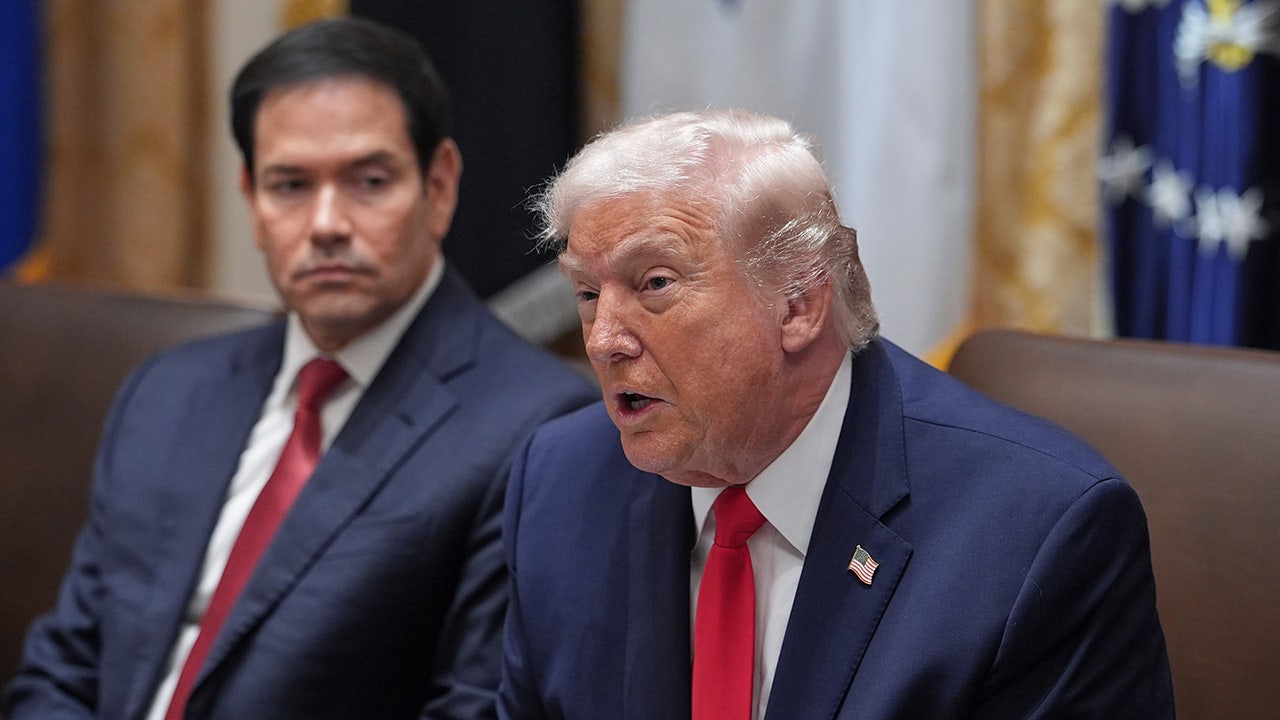
What really humanizes this is hearing the heartfelt echo in Secretary Rubio’s words, quoted in the statement: opening doors to mass migration was “a grave mistake” threatening societal cohesion and future generations. It’s presented as a zero-sum game where working Americans—competing for jobs, housing, and services—bear the brunt, while the U.N. stays silent on their struggles. This isn’t theoretical; it’s tied to real images of border emergencies and overwhelmed cities. The department contrasts this with the U.N.’s portrayal of the compact as “safe, orderly, and regular,” dismissing it as hollow. Instead, they argue it introduced security threats, financial drains, and divisions, making migration anything but safe for Western nations. Readers might nod along, reflecting on personal encounters with these issues, whether it’s through news headlines, community impacts, or policy debates that feel increasingly personal in an interconnected world.
Over on X (formerly Twitter), the State Department threaded out even more allegations, painting a vivid picture of the U.N.’s supposed double-dealing. They claim organizations like the International Organization for Migration—part of a U.N. network of 39 agencies—actively facilitated mass influxes into America and Europe, even as citizens cried for borders. U.N. materials, they say, push for expanding legal pathways and “regularizing” irregular migrants, which feels like rewriting the rules without consent. It’s described as U.N. agencies condemning deportations, lobbying to block flights for sending people back, and invading national sovereignty—like in the UK, where they pushed against plans to stop illegal boat crossings. President Trump’s focus, as stated, isn’t on foreigners or global elites but on putting Americans first. The goal? Not managing endless migration but fostering “remigration”—sending people back to where they came from. This resonates with people tired of feeling like their voices are drowned out by international agendas, sparking debates about who’s really in control of a country’s destiny.
In wrapping up, the U.S. stance is crystal clear: no legitimizing compacts that enable unchecked mass migration into America or the broader West. The department rejects any guidelines that might constrain democratic choices, emphasizing sovereignty over globalist impositions. On the flip side, the U.N. frames the compact as a non-binding, cooperative tool that respects state rights and distinguishes between legal and illegal entries—a framework for cross-border issues like labor, borders, protections, and development. It’s optional, they stress, meant for voluntary collaboration, not mandates. Yet, for critics, even this feels intrusive, a Trojan horse for agendas that prioritize global mobility over local needs. Fox News and others have sought U.N. responses, but the divide remains stark, highlighting how migration policy has become a cultural and political flashpoint. In the end, this isn’t just about documents; it’s about everyday Americans navigating a world where policies ripple into personal lives, evoking empathy for those impacted and frustration with systems that seem disconnected. As we ponder these developments, one wonders what the next forum in 2026 might look like without U.S. buy-in, and whether this hardline approach will spur real change or deepen global divides. It’s a reminder that behind the headlines are families, jobs, and futures hanging in the balance.