


The Rose Garden Buzz: Trump’s Playful Nod to 2028 Dreams
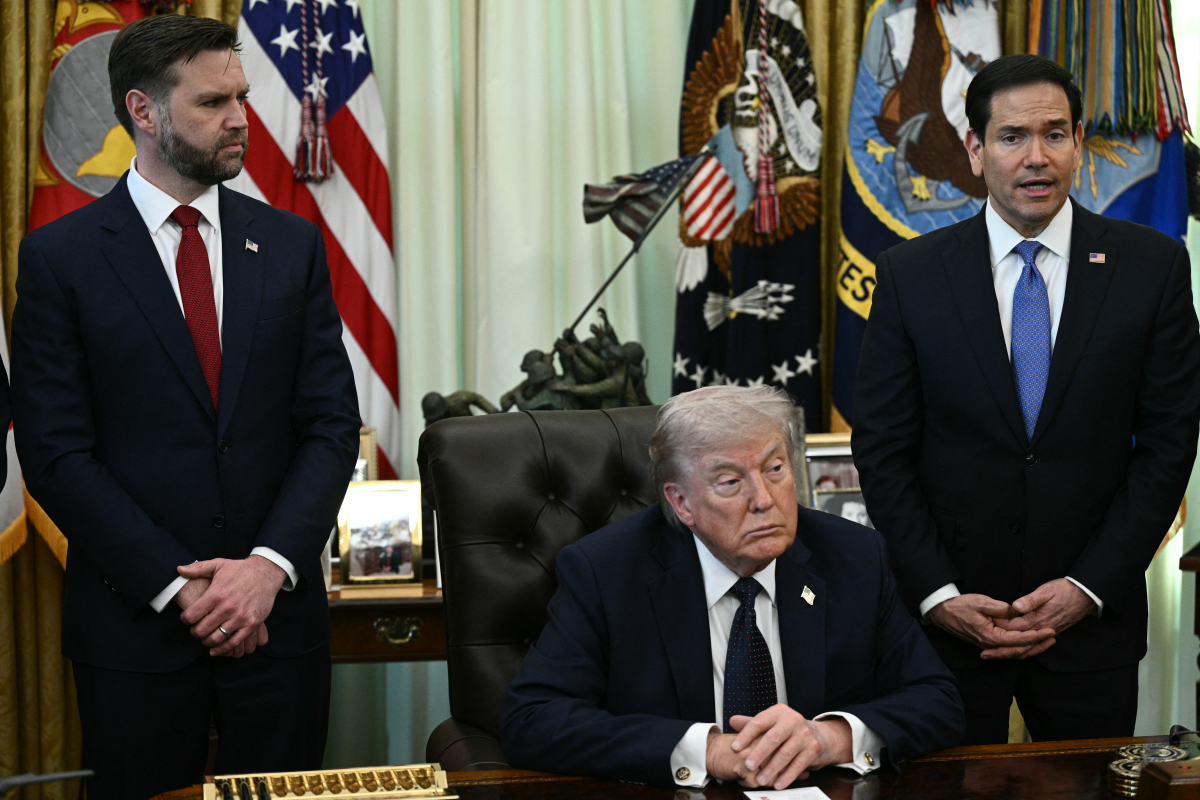
Imagine it’s a balmy Monday evening in September 2024, and the White House Rose Garden is alive with energy. President Donald Trump, fresh off another victory lap after the midterms, is hosting a dinner for law enforcement officers who’ve risked their lives keeping America safe. As the crowd cheers and cameras flash, Trump leans into the microphone with that signature grin, his voice booming across the lawn. “Alright folks, who likes JD Vance?” he asks, and the applause erupts like thunder. Not missing a beat, he follows up: “Who likes Marco Rubio?” More cheers, louder now, as if the audience is in on some inside joke. Then, with a playful wink, Trump declares the pair a “dream team”—a potential 2028 Republican ticket that’s got everyone buzzing. But here’s the kicker: he looks right at Vance and adds, “That doesn’t mean you have my endorsement, under any circumstance.” It’s classic Trump—teasing possibilities while keeping things loose, reminding everyone that in politics, nothing’s set in stone. This moment feels like a family gathering where the patriarch is dolling out compliments, but with a twist of intrigue. Guests exchange glances, wondering if this is just banter or the spark of something bigger. After all, Trump’s always been the ultimate showman, turning a simple event into a spectacle. It’s easy to picture the Secret Service agents buzzing nearby, half-amused, half-watchful, as the conversation shifts. Vance, standing stoically, and Rubio, perhaps smiling subtly from the wings, embody the future of the party: one the intellectual warrior from Ohio, the other the seasoned diplomat from Florida. Polls have been swirling for months now, and Trump’s words add fuel to the fire, making everyone speculate about a ticket that could rally the base like never before. In this charged atmosphere, it’s not just about policy—it’s about charisma, loyalty, and that old-fashioned American dream of winning it all again. The crowd’s reaction isn’t manufactured; it’s genuine, a reflection of a party hungry for unity after turbulent times. As the night winds down, you can’t help but feel the excitement bubbling under the surface, like the first sparks of a bonfire in a cool autumn breeze. Who knows what 2028 will bring, but Trump’s hint has everyone talking, dreaming, and debating over their coffee the next morning.
Vance Leading the Charge: What the Latest Polls Reveal
Delving into the numbers paints a vivid picture of the Republican landscape, where JD Vance is emerging as the frontrunner in everyone’s imagination. A recent Focaldata poll, partnered with The Financial Times, surveyed 1,291 likely Republican primary voters from May 1 to May 5, and the results are telling. Vance lands at a solid 40 percent, dwarfing Marco Rubio’s 14 percent, Donald Trump Jr.’s 15 percent, and Florida Governor Ron DeSantis at just 8 percent. It’s a snapshot of voter sentiment, weighted by factors like age, gender, and political leanings, revealing that Vance resonates with the party’s core—those patriotic, traditionalist voices echoing Trump’s own rhetoric. Picture a grassroots movement building momentum, much like a grassroots uprising where everyday folks gather in living rooms and barbecues, discussing Vance’s journey from memoir-writing Ohio hillbilly to vice president-elect. His relatability, that everyman appeal honed from books and TV spots, seems to be pulling him ahead. Rubio, the eloquent senator with a flair for foreign policy showdowns, garners respect but not the same star power. Trump Jr., buoyed by his father’s legacy and his own fiery social media presence, hovers in second, appealing to the energetic wing that craves unfiltered action. And DeSantis, the ambitious governor once dubbed a potential heir apparent, lags, perhaps stuck in the shadow of his own intraparty battles. These polls aren’t just cold statistics; they’re stories of ambition and aspiration. An Echelon Insights survey from late April echoes this, giving Vance 42 percent against Rubio’s 14, Trump Jr.’s 10, and DeSantis’ 8, with 13 percent undecided. It’s fascinating how Vance’s narrative of rising from humble beginnings mirrors the American dream many voters cherish, making him a symbol of possibility in uncertain times. Voters aren’t just picking names; they’re envisioning leaders who can lead the charge against the opposition, navigating economy woes and international tensions. In this race, where early positioning means everything, Vance’s edge feels earned, a testament to his rapid ascent and the trust he’s built. Yet, with 11 to 13 percent unsure, the door remains ajar for surprises, urging candidates to connect personally, door-to-door if needed, to solidify support.
The Vance-Rubio Tango: A Potential Powerhouse on the Horizon
There’s something almost cinematic about JD Vance and Marco Rubio teaming up, a duo that could rewrite the Republican playbook for 2028. Trump’s Rose Garden tease has sparked endless what-ifs: Vance’s folksy charm paired with Rubio’s sharp, Senate-forged intellect, creating a ticket that’s both relatable and formidable. Vance, as the current vice president-elect, has repeatedly hinted at long-term plans, saying he’d sit down with Trump post-midterms to discuss the next election. It’s that kind of strategic thinking—quiet confidence tempered with humility—that’s winning hearts. Rubio, meanwhile, brings a wealth of experience, having danced with Cuban Missile Crisis echoes in his veins and led foreign policy battles that shaped American diplomacy. Together, they represent a blend of old and new, much like pairing a seasoned quarterback with a surging rookie in a championship game. Polls from Verasight’s 2026 Variety Survey reinforce Vance’s dominance, with 37 percent compared to Rubio’s 16, Trump Jr.’s 13, and DeSantis’ 7, among 802 Republican-leaning adults surveyed in late April. It’s not hard to envision rally crowds chanting their names, energized by visions of a border-secured America and economic revival. Yet, Trump’s earlier caution—”let the voters decide”—echoes wisdom, avoiding the pitfalls of rushed endorsements. Experts like Columbia University’s Robert Y. Shapiro weigh in, advising that imitating past mistakes, like Obama’s choice of Clinton over Biden in 2016, could backfire for the incumbent party. Shapiro urges allowing democracy to flourish organically, letting candidates earn their spots through public appeal rather than backstage deals. This humanizes the process, turning it from a chess game into a community dialogue where voters, from factory workers to suburban families, feel their voices matter. Vance’s potential selection of Rubio as a running mate if he wins the nod sounds pragmatic, balancing youth with proven grit. In the end, it’s about crafting a narrative that inspires, one where personal stories of perseverance resonate louder than any poll number. The excitement builds like a suspenseful novel chapter, with each poll release teasing the next plot twist in this unfolding drama.
Across the Aisle: Democrats Grapple with Their Own Contenders
While Republicans jockey for position, the Democratic side stares at a mirror image of anticipation, with former Vice President Kamala Harris leading the pack in most hypothetical primary polls. A Focaldata survey of 1,339 likely Democratic voters shows Harris at 38 percent, outpacing California Governor Gavin Newsom’s 16 and New York Representative Alexandria Ocasio-Cortez’s 9, alongside Pete Buttigieg’s 9. Other names fade into single digits, and 10 percent remain unsure, painting a portrait of a party still healing after the 2024 shakeup. It’s poignant to think of these figures as people with stories—Harris, the trailblazing prosecutor turned vice president, embodying resilience; Newsom, the charismatic Californian with statewide reform chops; Ocasio-Cortez, the grassroots firebrand whose viral campaigns ignite youth energy; and Buttigieg, the eloquent veteran bridging military service and infrastructure expertise. These polls, conducted amid the same timeframe as the Republican ones, highlight a divided electorate grappling with unity in a post-Biden era. Without formal announcements, the vibe is speculative, like friends debating at a backyard cookout who should host the next big gathering. In this human narrative, voters aren’t robots fed data; they’re individuals weighing emotional connections, policy alignments, and hopeful visions of a fairer America post-pandemic struggles. Harris’s edge feels intuitive, her tenure as VP giving her insider status that resonates with loyalists wary of inexperience. Yet, the uncertainties mirror the Republicans’, reminding us that democracy thrives on discussion, not dictation. It’s easy to imagine campaign stops turning into town halls, where everyday Americans share hopes for healthcare, climate action, and economic fairness. This isn’t just politics; it’s a tapestry of lived experiences, where one candidate’s story might light up a room, another’s inspire action. As the 2026 hypothetical plays out, the Democratic field buzzes with potential, urging self-reflection among supporters who yearn for inspiration amid global uncertainties.
Lessons from History: Why Endorsements Matter and Voters Should Lead
Reflecting on Trump’s tease opens a window into the delicate art of political timing, where lessons from history whisper cautions. Columbia Professor Robert Y. Shapiro’s insight—that potential candidates should tread lightly and “let Trump decide” or, better yet, “let the voters decide”—feels profoundly human. He draws a parallel to Barack Obama’s 2016 endorsement of Hillary Clinton over Joe Biden, a move that, in hindsight, may have complicated the party’s path and contributed to electoral turbulence. It’s a reminder that politics isn’t scripted; it’s lived, with real consequences for real people. Shapiro suggests Vance could emerge victorious organically and then pick Rubio as his vice presidential running mate, crafting a team through consensus rather than command. This humanizes the process, turning it into a democratic dance where everyone has a say, from kitchen table debates to social media threads. Imagine the relief if candidates resisted the urge to jump the gun, allowing grassroots momentum to build authentic support. In 2020s America, where distrust in institutions runs high, such openness could rebuild trust, making voters feel empowered rather than manipulated. Trump’s own past as an endorsed outsider-turned-president adds intrigue; his call for patience mirrors his own journey of defying establishment odds. Polls since last year echo this uncertainty, with close hypothetical races underscoring that early positioning doesn’t guarantee victory—it’s about connection. Encouraging public input feels like a nod to community values, where neighborhood gatherings influence outcomes as much as elite cafés. Ultimately, these expert musings urge humility, reminding us that true leadership emerges from collective wisdom, not unilateral fiat. In this ever-evolving saga, Shapiro’s advice serves as a guiding light, fostering patience and participation in an era hungry for genuine representation.
Prediction Markets and the Road Ahead: Betting on Vance’s Odds
Prediction markets like Polymarket add a gambler’s thrill to the mix, quantifying the excitement with real stakes—though virtual. As of late Monday night, Vance holds a nearly 37 percent chance of clinching the 2028 Republican nomination, far ahead of Rubio’s about 25 percent. Tucker Carlson lags at 6 percent, DeSantis at 3 percent, and Trump Jr. at a meager 2 percent, with others trailing. It’s like placing a wager on a horse race where past performances hint at futures, but surprises abound. These odds humanize the speculation, turning abstract polls into tangible buzz, where everyday enthusiasts bet pocket change on their favorites, fueling online debates. For Democrats, Harris’s lead suggests stability, but the uncertainty keeps the pot stirring. In this narrative, markets reflect collective hopes and fears—Vance’s appeal lying in his authentic pull, Rubio’s in seasoned savvy, Trump Jr.’s in familial legacy. Yet, with no announcements, it’s all hypothetical theater, a reminder that elections are stories of human ambition, not just data points. As we look to 2028, the path forward feels dynamic, urging candidates to engage deeply, listen intently, and embody the dreams of a diverse nation. Trump’s Rose Garden remark? It’s just the appetizer in a feast of possibilities, where every cheer and poll pulses with the heartbeat of democracy. In the end, it’s not about dreams alone—it’s about delivering on promises that touch everyday lives, making the journey feel personal, urgent, and utterly human. As fall foliage blankets the White House grounds, one can’t help but wonder: who will step into the arena next, and how will their story captivate the crowd? The anticipation lingers, sweet and suspenseful, in the air we all breathe.