


The Deep Scars of Survival: Rom Braslavski’s Heartbreaking Testimony
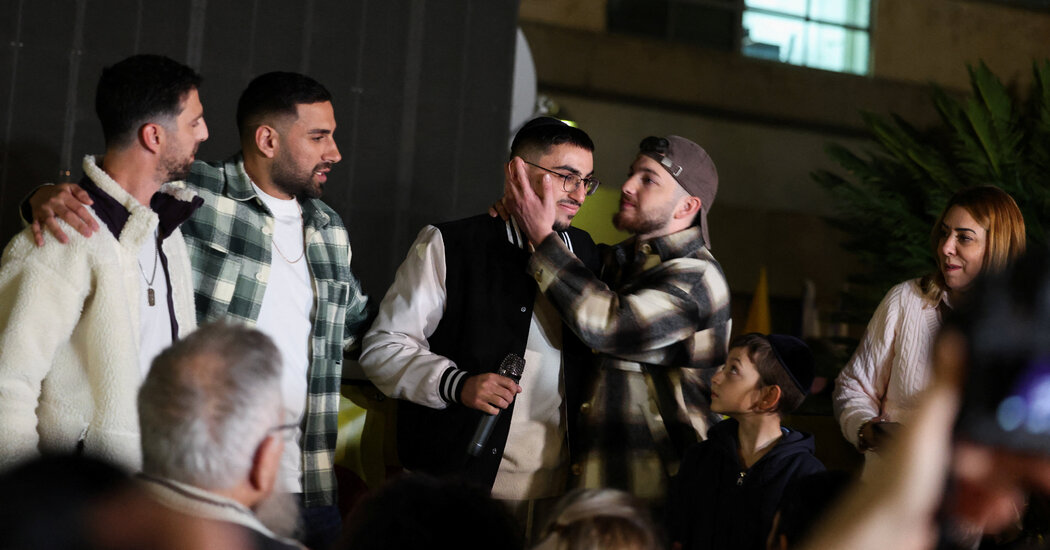
Rom Braslavski stepped into the blinding spotlight of Israel’s Parliament, his body forever marked by 738 days of hell in Gaza. Picture this: an everyday Israeli guy, snatched from a music festival amidst screams and gunfire on October 7, 2023. He buried a young woman’s bullet-ridden corpse under enemy fire, her mother’s desperate calls echoing on a dead phone. Braslavski’s eyes, haunted by starvation, torture, sexual abuse, and isolation, bored into the politicians before him. “Would you answer that mother?” he demanded, his voice cracking with raw pain. As part of the October Council—a group of former captives and their bereaved families—he unloaded on a government that failed spectacularly to protect its people. The October 7 attacks killed 1,200 Israelis and kidnapped 250, including Braslavski, held by Islamic Jihad militants who tormented him until his release, malnourished and weighing just 47 kilograms at 50 years old. In his plea, he begged for accountability, urging every parliament member and minister to resign regardless of politics. This wasn’t just anger; it was a soul’s cry for the students he witnessed slaughtered, the friends lost, and the life ripped from him. Braslavski, now a symbol of enduring trauma, emphasized that apologies from those in power were nonexistent, dismissing them as “miserable cowards.” His demand? A sweeping exit, followed by an independent inquiry to dissect the failures that allowed Hamas to surprise Israel’s defenses. For him, this wasn’t politics—it was personal justice for the blood spilled on that dreadful day.
Yet Braslavski’s outburst echoed a chorus of grieving voices across Israel, turning the Parliament briefing into a reckoning with national shame. We’re talking about real people here, like the families who campaigned tirelessly for hostage deals, only to be vilified by their own leaders during the grueling negotiations. With elections looming in the fall—the first since the 2023 horror—these stories became voter fuel. Jonathan Dekel-Chen, from the devastated Kibbutz Nir Oz, hadn’t even attended the briefing but spoke volumes in his own raw interview. His son was among the kidnapped, and he lashed out at how the Netanyahu government deflected blame to cling to power, even as families suffered in limbo. “This country will never heal if we don’t hold them accountable,” Dekel-Chen insisted, painting October 7 as the bitter fruit of years of neglect—letting Hamas build tunnels and rockets while Qatar funneled millions into Gaza. Opposition leaders like Yair Lapid and Naftali Bennett chimed in, announcing a unity ticket to unseat Netanyahu, promising an independent commission “on Day 1” to investigate the intelligence lapses. Lapid, pleading at Parliament, urged immediate dissolution: “It’s time to start something new.” These weren’t just policy debates; they were human tragedies unfolding in real-time, where parents like Dekel-Chen grappled with the nightmare of wondering if their loved ones were alive or dead amidst Gaza’s devastation. The military response, spanning over two years, had displaced two million Palestinians, piling on civilian casualties numbering over 70,000—making Israel itself a shadow of its former self.
Imagine wandering through a festival turned battlefield, the air thick with terror. Braslavski recounted the chaos of Nova, where he shielded bodies and dodged bullets, only to be dragged into darkness. Isolation ate at him—days turning to months without human contact, beaten and starved, forced to endure unimaginable acts that scarred him physically and mentally. “Has anyone here ever been clinically dead?” he challenged, describing a guard leaping on his frail neck in mockery. His captivity wasn’t just imprisonment; it was a calculated campaign of humiliation by terrorists who reveled in his suffering. Released after arduous negotiations, Braslavski returned to a nation still reeling, yet the government’s response felt like salt in wounds—no deep apologies, no ownership. Instead, Netanyahu pushed for a partisan commission, handpicked by politicians, defying Israel’s tradition of independent probes led by court appointees. Earlier, he circulated a “defense” document blaming predecessors with cherry-picked quotes, further fuelling rage. For survivors like Braslavski, this avoidance prolonged their agony, making daily life a battle against flashbacks and loss. He vowed never to fully heal, questioning why he survived while so many didn’t, all under the government’s watch. It’s a powerful reminder of how one man’s ordeal encapsulates a collective failure, urging us to empathize with the invisible wounds that linger long after the headlines fade.
The October Council’s briefing wasn’t isolated; it rippled through Israeli society, rallying calls for change amid the upcoming elections. Accountability became the buzzword, with voters eyeing how parties addressed the October 7 debacle. Braslavski’s resignation demand mirrored others’ pleas, highlighting how Netanyahu’s coalition thwarted transparent investigations to protect their positions. This frustration stemmed from a pattern: Hamas’s entrenchment was enabled by policies allowing financial aid from Qatar, weakening Israel’s security stance. Families of the missing and fallen spoke of betrayal, feeling silenced when they protested deal terms. Dekel-Chen’s words hit hard—Oct 7 wasn’t a fluke but a preventable catastrophe born from political myopia. As opposition figures like Bennett united with Lapid, they promised swift justice, contrasting Netanyahu’s delays. For everyday Israelis, this translated to personal stakes: grandparents mourning grandchildren, communities obliterated. The two-year war in Gaza added layers of pain, with Palestinian suffering underscoring Israel’s internal reckoning. Yet, in this turmoil, voices like Braslavski’s fought for hope, insisting that truth and resignation could pave the way for renewal. It’s a human story of resilience against systemic neglect, where apologies aren’t enough—action is the only path to healing.
Delving deeper into Braslavski’s psyche, his testimony unfolded like a nightmare retold. The Nova festival’s euphoria shattered into horror as Hamas invaded, gunning down revellers while Braslavski fled, then returned to bury a friend. Held captive, he endured beatings that left him emaciated, tortured in ways that haunt dreams—chains, isolation, predatory guards laughing at his frailty. Sexual abuse compounded the trauma, stripping dignity in a cell that felt like death’s waiting room. Upon release, the world felt alien; the government’s silence amplified his alienation. “Why did I have to be kidnapped on your watch?” he raged, exposing how leaders evaded blame with documents and denials. Netanyahu’s proposed inquiry, stacked with loyalists, appalled traditionalists who demanded impartiality from the Supreme Court’s picks. This wasn’t abstraction; it was personal to Braslavski, who questioned surviving the ordeal only to face indifference. His call for mass resignation underscored a belief that tainted leaders couldn’t rebuild trust. For families, this echoed deeply—parents like those in the Council yearning for closure denied by political games. Isabel Kersner’s reporting captured this essence, amplifying how individual sufferings demanded systemic change. In Brazlavski’s eyes, Israel’s soul hung in balance, urging a collective awakening to confront the pain of October 7 head-on.
Finally, as Israel braces for elections, Braslavski’s plea symbolizes a turning point—a demand for humanity over politics. The wave of resignations he sought aimed at cleansing a system complicit in the disaster, appointing a fair inquiry as a parting gesture. Opposition unity, with Lapid and Bennett spotlighting transparency, offered a glimmer of progress against Netanyahu’s resistance. Yet, this wasn’t about one leader; it was about a nation’s dialogue with its darkest hour. Survivors and families, scarred by loss, pushed for accountability to prevent future horrors. The Gaza conflict’s toll—displacement, deaths—weighed heavily, but Braslavski’s resilience inspired hope. His story reminds us: behind headlines are lives forever altered, calling for empathy and action. In humanizing this tragedy, we see not just a crisis, but a call to rebuild with integrity, ensuring voices like his aren’t silenced again. As elections approach, Israel’s future hinges on heeding such cries, transforming pain into purpose.