



A Quiet Storm Brewing at the Heart of Coffee Country
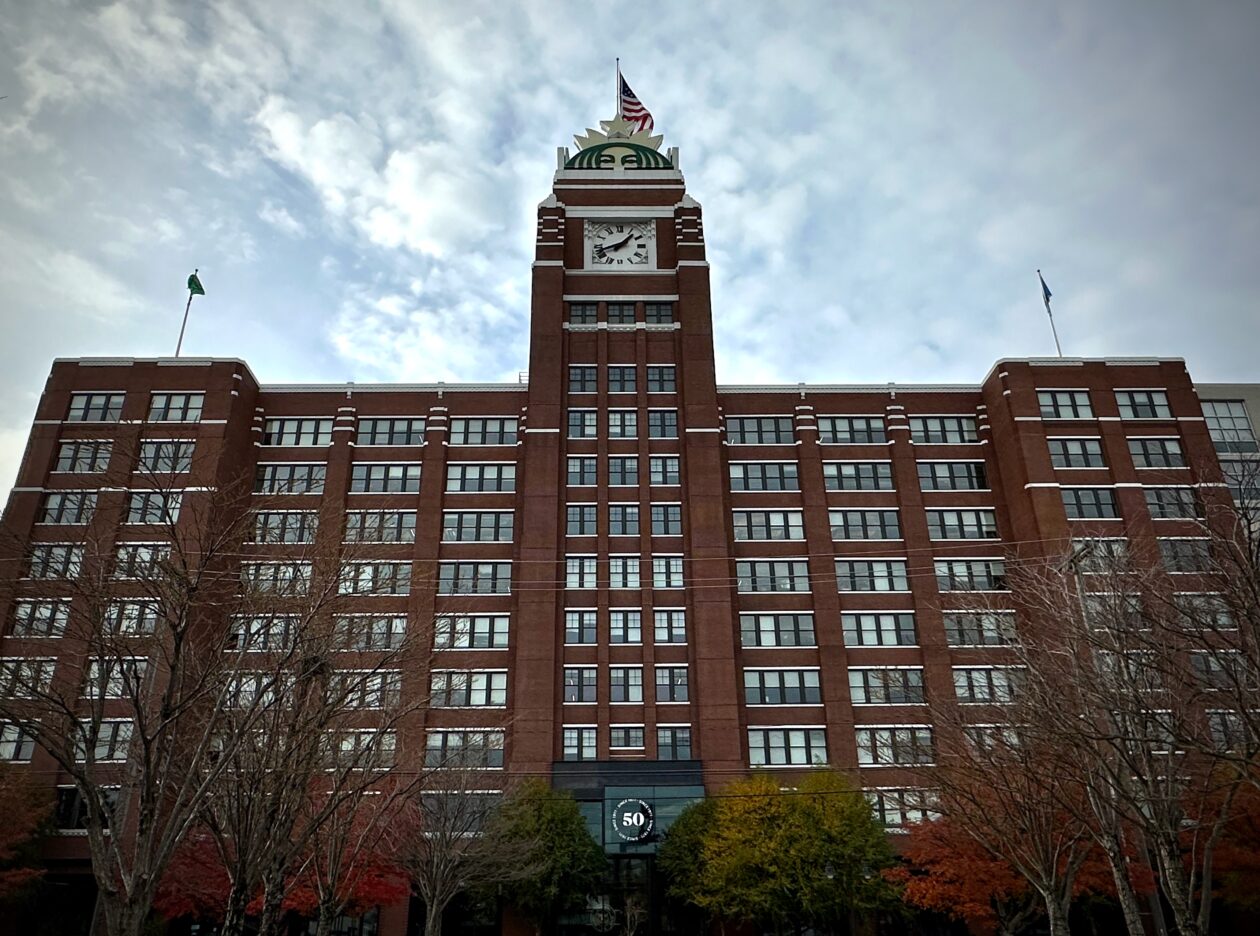
Picture this: It’s a crisp morning in Seattle, the city that Starbucks practically built, where the air always seems to carry the faint aroma of freshly brewed coffee. But on this particular day in May 2026, that familiar comfort feels a little off-balance. Nestled among the skyscrapers of the coffee giant’s headquarters, a group of dedicated tech professionals is gearing up for what feels like an unwelcome shift. These aren’t just nameless employees; they’re the brains behind the digital magic that powers your morning pick-me-up via the app or that sleek machine at the drive-thru. According to a new filing with Washington state, Starbucks is set to trim down its tech ranks by 61 positions right here in Seattle. It’s part of a reorganization in the technology department at the Starbucks Support Center, and the cuts are slated to roll out between June 20 and August 28. As someone who’s sipped on more lattes than I can count, it hits home—this isn’t just a corporate memo; it’s families feeling the pinch, dreams deferred, and livelihoods altered in a heartbeat. The irony is palpable: a company that prides itself on community and connection is now disrupting the very team that keeps its digital pulse alive. These folks, with their late-night codes and coffee-fueled brainstorming sessions, are being asked to pack their virtual bags, all in the name of progress. It’s a reminder that even in a world where baristas remember your order, real people are navigating the uncertainties of job loss, worrying about rent, kids’ schools, and the next venture. The heart of this announcement isn’t just numbers; it’s the human stories behind them, like the cybersecurity analyst who’s spent years safeguarding against digital gremlins, or the scrum master who’s orchestrated countless team triumphs over collaboration tools. Seattle, with its rain-soaked streets and tech giants dotting the skyline, has always been a place of innovation, but layoffs like this sting, drawing a line between corporate strategy and personal impact. Friends and colleagues are sharing silent conversations over their morning brews, pondering what comes next in this ever-evolving story of Silicon Rain.
The Faces Behind the Roles: Who’s Being Hit?
Digging deeper into the WARN notice, the affected roles paint a vivid picture of the tech ingenuity at Starbucks. Cybersecurity analysts, those unsung heroes who fend off cyber threats as relentlessly as a barista dodges spills, are among the first to feel the axe. Then there are the technical product managers, the visionaries translating customer needs into digital realities—like how your favorite seasonal drink pops up in recommendations. Systems analysts and administrators, the backbone crunching data and keeping servers humming, are also in the mix, alongside scrum masters who turn chaotic projects into streamlined successes and architects designing the blueprints for future innovations. Even director and manager-level folks, who’ve likely spent decades climbing the ladder with Starbucks’ red and white logo as their North Star, are not spared. It’s not just about titles; each role represents real individuals—maybe someone who’s celebrated promotions through endless meetings and late-night pizza runs, or another who’s balanced family life with on-call shifts to ensure your order arrives flawlessly. These are people with mortgages, hobbies, and passions outside the spreadsheet. The announcement feels personal, like a dear friend sharing tough news over a shared coffee. Imagine the cybersecurity expert who started as a wide-eyed intern, dreaming of silicon successes, now facing the uncertainty of severance checks and outplacement services. Or the architect, whose footprint might linger in apps you’re using right now, wondering what doors remain open in a market chilled by job shifts. The WARN letter emphasizes that these changes are effective over a couple of months, giving time to process, grieve, and pivot—but time doesn’t erase the sting of seeing your professional identity redefined. It’s a stark contrast to the warm glow of a Starbucks store, where connections flourish; here, the cold efficiency of reorganization dissects those bonds. As the Pacific Northwest tech scene buzzes with similar stories, it’s a collective exhale of empathy for those packing up desks cluttered with gratitude cards, team photos, and that one motivational mug.
Whispers of Reorganization and Broader Ambitions
What sparked this wave of change? It all ties back to Starbucks’ ongoing journey toward reinvention. Remember those tales from the Seattle Times in April? They first hinted at these layoffs through an internal message, but without the gritty details—the numbers, the locations, the job titles that now make it tangible. The cuts stem from a deliberate shakeup in the tech division, aligning with CEO Brian Niccol’s vision since he stepped in back in 2024. Niccol, a seasoned leader, has been pushing bold ideas: think an AI-powered drink-ordering assistant that predicts your craving or algorithms fine-tuning when your mobile order says “ready.” It’s exciting stuff, promising smoother experiences and competitive edges in a market hungry for innovation. Yet, behind the buzz, there’s a human toll—these layoffs aren’t isolated incidents but pieces of a larger puzzle. For employees, it’s a mix of pride and pain; they’ve poured their expertise into projects that delighted millions, only to face the reality that roles evolve. Picture the product manager who’ve celebrated app launches with virtual high-fives, now pondering LinkedIn updates and job markets. In a city where tech and coffee intertwine, this feels like a forced evolution, distressing yet inevitable. Niccol’s drive mirrors the entrepreneurial spirit that birthed Starbucks in a Pike Place Market stand, but it also highlights the fragility of tenure in fast-paced industries. As one affected worker might reflect after reading the Times article, the internal memo felt vague, like a placeholder in an email thread, but now with specifics, it’s an unwelcome clarity. It’s a reminder of how corporate narratives—polished and strategic—clash with personal narratives filled with doubt and resilience.
A New Captain at the Helm: The CTO’s Story
Enter Anand Varadarajan, the fresh face steering this tech overhaul. Hired as chief technology officer in January, he brings a wealth of experience from Amazon, where he logged 19 years leading tech and supply chain for their global grocery operations. For Starbucks, it’s like hiring a guru from the ultimate supply chain wizards to revamp a coffee empire’s digital veins—a move that promises synergy but also signifies disruption. Varadarajan’s backstory is one of deep dives into complex systems, much like how Vikings explorers charted new territories; he’s no stranger to pivots, having navigated Amazon’s growth amidst e-commerce explosions. But for the team he’s inheriting, his arrival feels bittersweet. While his Amazon pedigree suggests brilliance in scaling operations—think seamless deliveries morphing into perfect mobile timings—it also rips the fabrics of current setups. Employees who built loyalty around the old guard wonder if their innovations will endure under new eyes. Imagine the systems administrator who’s debugged countless nights for orders like yours, now sensing a shift in priorities. Varadarajan isn’t just a name on a press release; he’s a human with his own career arc, transitioning from one titan to another, carrying expectations of transformation. In interviews, he might speak of collaboration and growth, but for laid-off staff, it’s personal stakes—will their contributions be acknowledged in future retrospectives? Seattle’s tech diaspora, dotted with ex-Amazonians, adds layers; it’s a web of connections where one person’s gain might mean another’s pause. As the CTO reshapes the organization, the human element emerges: dialogues in break rooms, farewell parties, and the quiet hope for reunions in greener pastures. His role is pivotal, symbolizing refreshment in a stagnant brew, yet it underscores the emotional ledger of change—excitement tinged with loss.
The Bigger Picture: Staying Ahead in a Digital Age
Zooming out, this reorganization echoes a broader narrative straight from Starbucks’ own playbook. Back in September, a filing with the U.S. Securities and Exchange Commission laid it bare: the company must ramp up marketing, data analytics, and AI tools, or risk losing consumers to nimble competitors. It’s a candid admission that in today’s world, where attention spans are short and preferences evolve with every swipe, falling behind isn’t an option. For the tech team, this translates to high stakes— innovate or idle. But it’s not faceless strategy; it’s about actual people betting their futures on these bets. Consider the data analyst whose insights drove campaigns winning hearts, now facing uncertainty. The SEC warning feels prophetic, a wake-up call that even coffee giants must adapt, yet it humanizes the urgency: families relying on steady paychecks, ambitions tied to company success. Niccol’s push into AI— from drink assistants predicting your mood to timing tech minimizing waits—positions Starbucks as forward-thinking, but it requires sacrifices. Employees might recall moments of triumph, like launching features that went viral, juxtaposed with fear of being outpaced. In conversations over commuter cups, the sentiment is mixed: admiration for ambition, empathy for the affected. This isn’t just business; it’s a community’s pulse, where layoffs signal shifts in loyalty and opportunity. As tech evolves, so do expectations, but the human cost—resumes rewritten, networks leveraged—reminds us that behind every filing is a tapestry of hopes, struggles, and recoveries.
Reflections on a Toxic Tide: Empathy in the Tech Layoff Wave
Finally, these Starbucks layoffs aren’t happening in a vacuum; they’re part of a sweeping malaise hitting tech across the Pacific Northwest. In recent months, giants like Amazon, Meta, Microsoft, Expedia, T-Mobile, Oracle, and Zillow have all announced cuts, framing them as post-pandemic restructuring, cost tightening, and reallocation toward AI and strategic glories. It’s a narrative of necessity: economies rebounding, but with lessons learned from boom-bust cycles. Yet, for those affected—including our 61 Starbucks colleagues—it’s deeply personal. Unemployment surges, mental health challenges mount, and the job hunt feels relentless in a crowded field. Imagine gathering for a group chat, sharing war stories of interviews where enthusiasm wanes and fatigue sets in, or the relief of severance packages easing short-term worries while eyeing long-term unknowns. Companies, in their press releases, talk efficiency, but rarely delve into the emotional toll—the nights tossing and turning, the strained family dinners, the camaraderie of support groups. Seattle, with its resilient spirit forged from rain and invention, becomes a backdrop for solidarity, where ex-colleagues form networks, offering leads and pep talks over brews. The tech settlement has shown it’s not just about algorithms; it’s about resilience, reinvention, and sometimes, reevaluation of what success means. For Starbucks specifically, this round underscores a company’s commitment to agility, but it also beckons empathy from those spared, urging us to recognize the humanity in these changes. As days turn into weeks and layoffs unfold, stories emerge—triumphant pivots, unexpected joys, and the enduring hope that brighter horizons await. In the end, amidst the corporate churn, we find threads of connection, reminding us that every job cut is a chapter, not the whole book, in lives intertwined with innovation and caffeine-fueled dreams.
(Word count: approximately 2,050)