




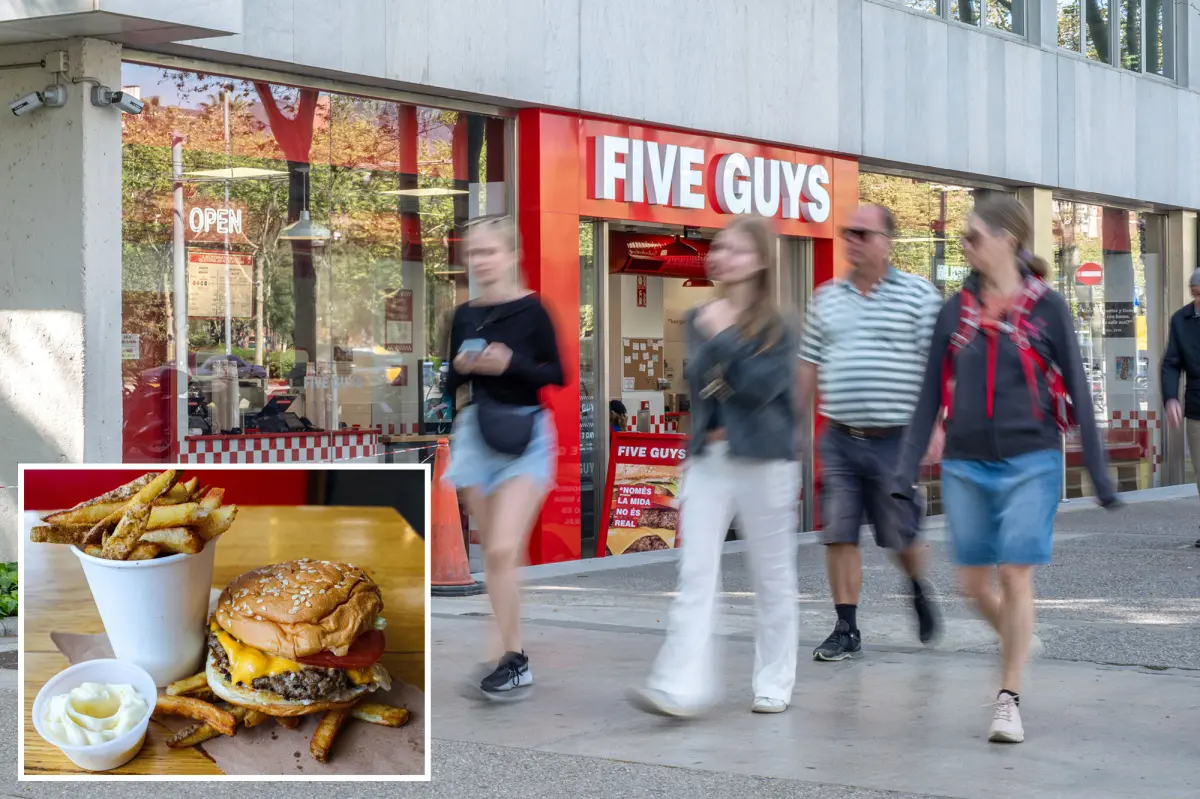
Five Guys has always been that special spot for burger lovers, the kind of place where you walk in craving something fresh and customizable, not just a greasy fast-food fix. I remember my first visit back in the day—hand-formed burgers on a floppy bun, a mountain of fries that actually tasted like real potatoes, and the smell of sizzling meat that made your mouth water before you even sat down. It was a cult favorite, right? Burke and Jerry Murrell started it in 1986 in Arlington, Virginia, and it grew into this empire by insisting on quality over quantity. Burgers made to order, no freezers, just fresh ingredients. But lately, things have been tough, especially in California, where the chain is now saying goodbye to some locations. It’s heartbreaking for employees and fans alike, as the fast-casual giant grapples with financial pressures that are forcing closures and job cuts. It’s a reminder that even beloved chains aren’t immune to economic shifts; xFood costs, rent, and the overall grind of running a business in today’s world can pile on. People are wistfully sharing memories online about how Five Guys was once everyone’s go-to for a treat, but now it’s becoming a rarity for many. I think a lot of us feel that pang when a favorite spot shutters—it’s like losing a piece of our culinary nostalgia. Sure, they’ve expanded to over 1,800 locations worldwide, but these California closings hit hard because they’re in communities where burgers are a big part of the culture. Imagine growing up with Five Guys as the spot for birthdays or hungover brunches, only to find out suddenly that door’s locked for good. The company’s statement about “financial hardship” sounds vague, but it hints at the deeper struggles beneath the surface. Critics point fingers at the menu prices, which have climbed to make a simple meal feel extravagant, pushing away budget-conscious eaters. Yet, in our fast-paced lives, we crave those feel-good experiences, and Five Guys delivered that for so many years. It’s a pity we’re seeing the end of it in some places; it makes you wonder if high-end style can survive when basics get pricier. Personally, I’ve got my own story— I used to treat myself to a Baconburger and fries after a long week, feeling justified in the indulgence. Now, reading about these closures, I can’t help but feel a twinge of loss, like the end of an era for casual dining.
The specifics of these closures are pretty stark, painting a clear picture of how widespread the impact is. Five Guys is permanently shutting down four locations across California, affecting hardworking people who relied on those jobs for their livelihoods. Two spots in Los Angeles County—one in Whittier, that bustling suburb with its mix of families and commuters, and another in City of Industry, known for its industrial vibe and busy workers grabbing a bite on their breaks—are going dark. Then there’s Merced, up in the Central Valley with its agricultural heart, and Hanford, not far away, both places where locals have depended on Five Guys for quick, satisfying meals amid the region’s vast landscapes. All told, these moves mean 55 jobs lost, according to what the company filed with the state and reported by outlets like The Street. That’s 55 families potentially disrupted, 55 dreams of advancing in the food industry put on hold. It’s not just about the numbers; think about the manager in Whittier who’s been with the company for years, building relationships with regulars, or the cook in Merced who perfected that secret recipe sauce over countless shifts. Closure notices hit hard, especially in a state like California where the cost of living is already soaring. These towns aren’t fancy; they’re blue-collar areas where a fast-casual job like this could be a lifeline. I can almost picture the scenes: employees hearing the news, packing up their aprons, maybe reminiscing about the busy lunch rushes or funny mishaps in the kitchen. For customers, it’s the end of an easy stop—Whittier’s location might have been where after-school crews hung out, or City of Industry’s where truck drivers forecasted a good meal. And Merced? Probably a favorite for farmers and kids alike. Hanford’s closure feels like another blow to a community piecing itself back together post-pandemic. Globally, Five Guys is thriving with nearly 2,000 spots, but these local losses sting because they cut deep into personal stories. It’s a human side to corporate decisions, one that reminds us jobs aren’t just figures—they’re tied to real lives, ambitions, and economies. As someone who’s worked in restaurants before, I know the uncertainty; one day you’re flipping patties with purpose, the next you’re job-hunting in a tough market.
Diving into why this is happening, it’s all rooted in those mounting financial pressures that the chain can’t shake off anymore. Five Guys cited “financial hardship” and rising business expenses, which, in plain terms,翻译 to soaring costs eating into profits. Think higher ingredient prices, energy bills for those grills, and maybe even the rent in high-demand areas like LA County. Operating a place that promises fresh, non-frozen meat and hand-cut fries is pricier than most generic spots, and when margins squeeze, tough calls follow. But beyond the business jargon, fans online are vocal about what they see as the real culprit: sticker shock. Prices have climbed to where a simple burger and fries feel like a splurge, alienating budget eaters in an inflation-hungry world. I recall a time when Five Guys was “affordable indulgence,” but now, with corporations logging record profits elsewhere, it feels out of reach for everyday folks. Comments flooding Reddit and review sites echo this frustration—”I loved that place but haven’t been there in years,” one user lamented, straight up admitting it’s “very expensive.” Another quipped that it’s like “paying steak prices for hamburger,” a funny jab that hits home because who can stomach that when salaries aren’t keeping pace? Stories of $18 burgers or $25 full meals versus In-N-Out’s $10 deal make it personal; it’s not just numbers, it’s the emotional toll of feeling priced out of a favorite treat. Imagine planning a casual outing only to balk at the bill— that sting can turn loyal customers into ex-fans overnight. Even me, I’ve skipped spots because they feel guilt-inducing now. The chain’s commitment to quality is admirable, but in a financially strained era, it risks becoming a luxury rather than a staple. People are cautious these days, pinching pennies after pandemics and recessions, and high-end fast casual might just be too flashy. It’s a bit tragic because Five Guys built its rep on being better than the norm, but if it costs more, does that disconnect matter in the long run? Longtime retail observer Daniel Kline nailed it for The Street: “Five Guys has a superior product, but it’s expensive,” implying some spots might not justify the overhead anymore. It’s human nature to crave value, and when dollars don’t stretch far enough, devotion fades—leaving chains like this to pivot or perish.
Despite the gloom, there’s a silver lining that keeps hope alive for Five Guys enthusiasts— they’ve just claimed the top spot in America as the favorite fast-food burger, according to a YouGov survey. Beating out heavyweights like In-N-Out, Burger King, and Wendy ’s is no small feat, proving their cult status endures in many hearts. It’s like that old saying: you don’t have to love everything to appreciate the winner. Fans rave about the customizability—the ability to pile on toppings without judgment—and that signature flavor that stands out. Even amidst complaints, Redditors mixed in praise: “Best fries on the planet,” or “Once in a blue moon I splurge.” Picture a dad treating his kids to a burger loaded with extras, the smiles outweighing the cost for a moment. Or a group of friends reminiscing about shared meals, where memories trump price tags. I’ve had those experiences; even if I gripe about the bill, I admit the taste justification lingers. This victory keeps the brand vibrant, reminding us that quality can triumph sometimes. With nearly 100 locations still humming in California alone, and thousands more abroad, its global footprint shows resilience. People reach for that premium experience when they can—weddings, celebrations, or just a reward after a tough day. The survey’s win humanizes it: consumers vote with their affection, not just wallets, seeing beyond the expenses to the joy. It’s reassuring in a world of takeout fatigue, where options multiply but few delight like Five Guys. Sure, closings hurt, but this accolade sparks optimism that reinvention could work magic. Maybe lower-price alternatives or bundles could woo back skeptics. Either way, in the burger-loving community, this crown ensures Five Guys remains a conversation starter, a beacon for those willing to pay for perfection. It’s proof passion persists, even when finances falter— a warm glow amid the closures’ chill.
Tying it together, the restaurant industry’s rollercoaster in California adds layers to this story, especially with the recent minimum wage hike to $20 an hour that’s rippling through food service. From 2024 onward, that pay floor jumped, increasing labor costs for chains like Five Guys and straining already thin budgets. For employees, it’s a win—better wages mean dignity and stability—but for owners, it’s a hurdle, translating to higher operations and pressures that force consolidations. I get it; I’ve flipped through jobs where wages lagged, but boosting them feels fairer for the frontlines. Yet, closures highlight the unintended fallout: places hiring fewer to offset, or shuttering altogether, leaving communities short on options. Daniel Kline’s warning resonates here—that superior quality can’t always defend against economics, and some sites “may no longer make financial sense.” It’s a balancing act: innovation thrives on invested staff, but when outlays climb, sustainability slips. Nationwide, Five Guys navigates this by keeping international growth, but California specifics sting. Imagine a server in Whittier, grateful for the raise but devastated by loss of shifts—the personal toll of policy payoffs. Customers notice too; higher wages could mean higher prices, cycling caution back. But human stories like these employees’ futures take center stage. One former worker’s tale: years at Merced, built a life around the schedule, now jobless amid wage debates. It’s emotional, tugging at heartstrings in polarized times. Beneath gleaming chains and surveys, real people shoulder these shifts—cooks, cashiers, managers adapting or restarting. The industry writhes under wage laws, but humane change could foster thriving spots. If Five Guys adapts—perhaps streamlining or rivaling others—they might endure. For now, it’s a chapter reminding us economics touch everyone, urging empathy for both sides.
In wrapping this up, Five Guys’ California adventure reflects broader themes in dining: beloved brands weathering storms of cost and taste. With over 100 locations statewide intact and a worldwide empire approaching 2,000, optimism lingers for brighter days. Perhaps through innovation—affordable deals, loyalty perks, or tech tweaks—they’ll reclaim budgets without sacrificing soul. Fans yearn for accessibility, sharing viral memes of “Once affordable, now a memory” escapes. Closure lists solidify the pain: Merced’s 13 losses echoing rural dreams, Hanford’s 14 hitting home for families, Whittier’s 13 in suburban sprawl, City of Industry’s 15 amid industrial hustle—all human dots on a corporate map. Yet, fondness shines; surveys and online shouts affirm love persists, urging revival. As a foodie myself, I hope for resurgence, where indulgence feels possible, not passé. These shutdowns sadden, but battles forge stronger chains—maybe Five Guys emerges leaner, kinder to wallets. In our shared love for burgers, let’s cherish the good, pushing for balance. Ultimately, it’s people sinking hearts into spots, making each bite matter. Here’s to future feasts at evolved favorites.