



Iran Stands Firm: Defending Sovereignty Amid Escalating Tensions with the U.S. and Israel
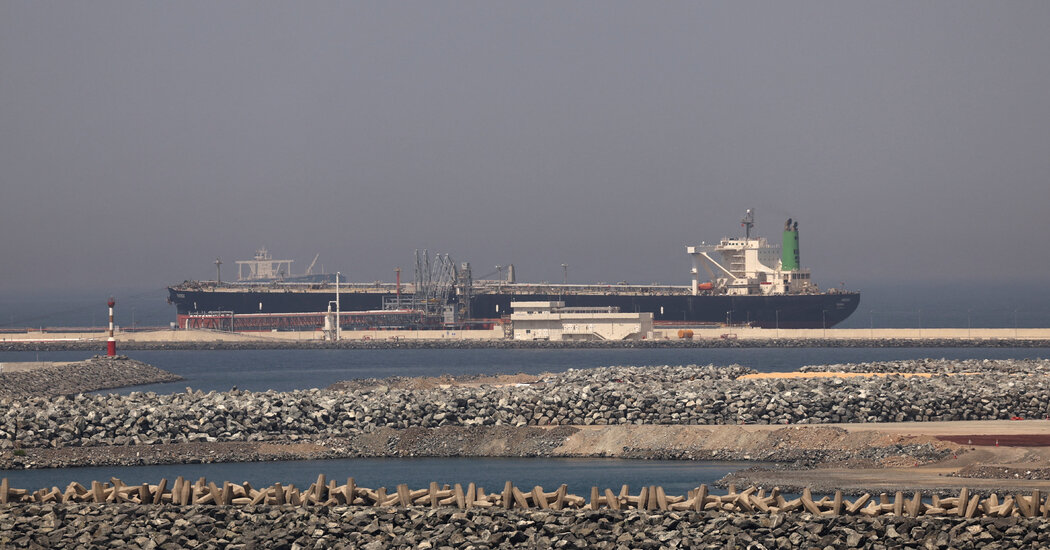
In the shadow of a fragile cease-fire, Iran doubled down on its negotiating stance on Monday, pushing back against what President Trump had lambasted as an utterly unacceptable proposal just hours earlier. The Iranian foreign ministry’s spokesman, Esmail Baghaei, addressed reporters with a calibrated tone, insisting that Tehran wasn’t demanding concessions but merely upholding its “legitimate rights.” This sequence of events underscored the deepening chasm in U.S.-Iran relations, a conflict rooted in the Strait of Hormuz—a vital maritime artery that Iran has effectively shut down since late February’s coordinated strikes by American and Israeli forces. As global oil markets trembled with each twist, observers wondered if diplomacy could prevail or if military escalations lurked just beneath the surface.
Baghaei framed Iran’s position as reasonable and even generous, emphasizing that the proposal aimed to restore safe passage through the strait without compromising national security. Yet, Iranian state media painted a different picture, revealing a list of stringent conditions that included the United States footing the bill for war damages inflicted on Tehran and formally acknowledging Iran’s full sovereignty over the Strait of Hormuz. For Washington, these demands were more than red lines; they contradicted its long-standing push for unrestricted freedom of navigation, a principle Trump had initially tied to the temporary truce that began last month. Critics called Iran’s stance a calculated gamble, one that leveraged the strait’s chokehold on roughly one-third of the world’s seaborne oil supply. The waterway’s importance can’t be overstated—it’s a lifeline for energy exporters and importers alike, and any prolonged disruption sends ripples through economies from the Middle East to Asia.
Flashback to just last week, when Trump unveiled “Project Freedom,” a bold U.S. military initiative to liberate ships ensnared in the Persian Gulf bottleneck. The operation promised sweeping action against Iran’s blockade, drawing echoes of past maritime confrontations. But it fizzled out almost as quickly as it launched, suspended in the name of renewed talks that have dragged on without resolution. Tehran, for its part, remained unyielding, asserting that any vessels traversing the strait must coordinate with Iranian authorities—a condition that smacks of sovereignty over shared waters. Trump’s own rhetoric had ratcheted up the heat, with repeated threats of direct strikes against Iranian targets, only to be tempered by last-minute pulls back. This back-and-forth dance highlighted the high-stakes poker game at play, where bluster met brinkmanship, and neither side seemed eager to blink first.
Iran’s counteroffer extended beyond the strait to encompass a lift on crippling U.S. economic sanctions, a move that experts viewed as a long shot absent major Iranian compromises on its nuclear ambitions. The Islamic Republic’s leaders have steadfastly opposed such concessions, ruling out any nuclear deal that grants America oversight over enriched uranium stockpiles— the very material Trump and Israeli Prime Minister Benjamin Netanyahu allege could pave the way to a bomb. Tehran floated alternative arrangements publicly, but Baghaei artfully sidestepped the nuclear elephant in the room, deferring substantive discussions to a nebulous “later.” Analysts noted the irony: a program that’s drawn international scrutiny for decades remained a sticking point, even as the cease-fire frayed and economies bled through sanctioned trade routes. For Iran, the nuclear file wasn’t just about weapons potential; it symbolized resistance against foreign dictates, a narrative woven into the fabric of its revolutionary identity.
Domestically, the war’s toll on Iran added layers of urgency to the negotiations, amplifying pressure on an already embattled leadership. Before the conflict erupted, U.S.-backed sanctions had eroded the rial’s value, sparking nationwide protests that morphed into a seismic challenge to the Islamic Republic’s grip on power. Security forces responded with deadly force, reportedly killing thousands and quelling dissent through a torrent of repression. The war compounded this misery, with U.S. and Israeli attacks targeting Iranian infrastructure and enforcing an internet blackout that plunged citizens into digital isolation. Gholamhossein Mohammadi, an Iranian government official, quantified the devastation in stark terms: the conflict had erased a million jobs directly, ballooning indirect unemployment to two million people. This economic hemorrhage, chronicled by outlets like Tasnim, revealed a society on the edge—hungry, jobless, and wary of a regime whose survival hinged on diplomatic deftness amid internal unrest.
Yet, despite this backdrop of desperation, Iranian officials exuded a newfound confidence, reflecting a leadership convinced it had weathered the storm. Experts like Danny Citrinowicz, a former Israeli military intelligence officer with deep experience on Iran, diagnosed this mind-set in a social media post: “The Iranian regime’s reply reflects the mind-set of a leadership that believes it survived the war and won, not that it lost it.” This perceived victory bred inflexibility, with demands barring genuine compromise. As Netanyahu and Trump demanded custodial control over Iran’s enriched uranium—a safeguard against proliferation—Tehran countered with proposals that preserved autonomy, but ultimately avoided American stewardship. The result was a standoff, where each move fueled the cycle of mistrust. For reporters on the ground, this wasn’t just geopolitics; it was a human drama unfolding in real-time, with livelihoods, sovereignties, and global stability hanging in the balance. Leo Sands contributed to this report, piecing together threads from diplomatic corridors and on-the-ground assessments that painted a portrait of a region teetering between war and wary détente. As the week wore on, the world watched, hoping that reason might yet prevail over rhetoric. But with both sides entrenched, the path to peace felt narrower than ever.