


The Unending Drama of Mike Vrabel and Dianna Russini
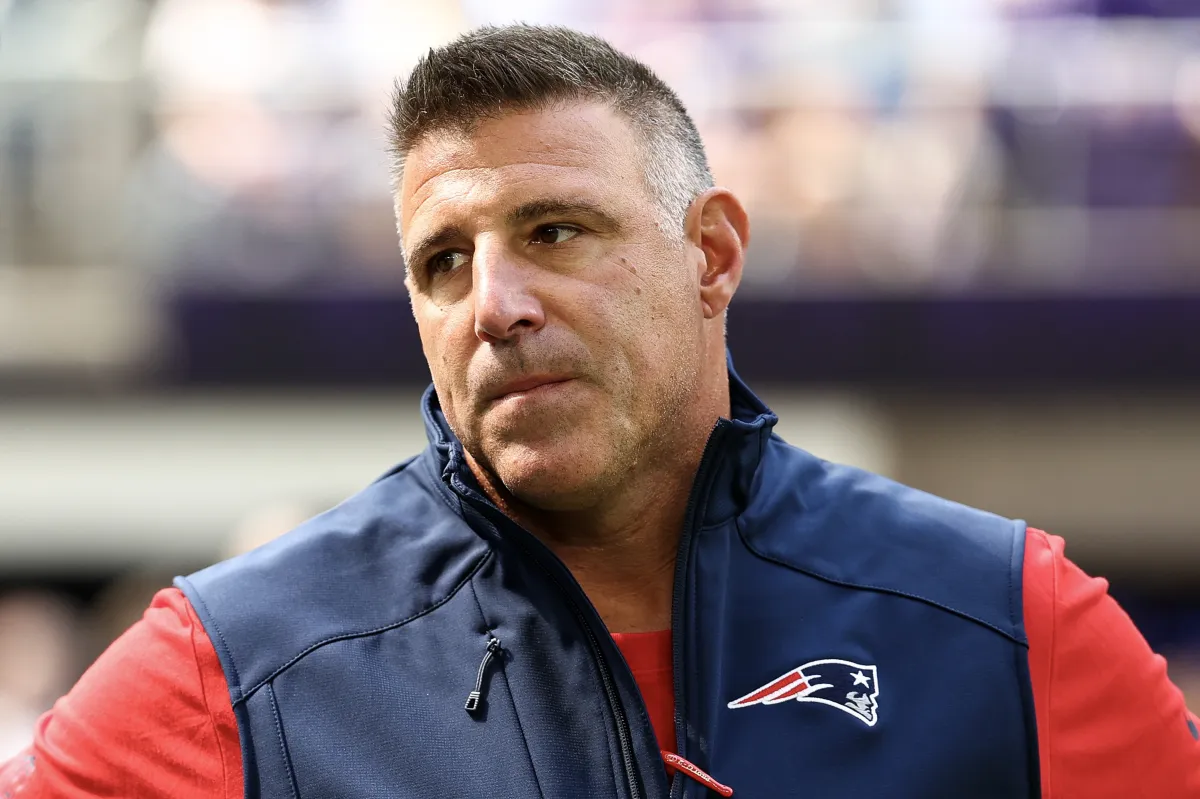
Imagine you’re a football fan, tuning in to watch the New England Patriots on a crisp autumn Sunday, only to have your focus yanked away by yet another bombshell story about their head coach, Mike Vrabel. This saga with former Athletic reporter Dianna Russini just won’t fade into the background. No sooner do fans process one jaw-dropping revelation than another pops up, like a relentless game of whack-a-mole in the court of public opinion. The latest twist? Pictures and a video unearthed by TMZ showing Vrabel and Russini on a leisurely boating trip back in 2021, right around the time she was pregnant with her first son, Michael, from her marriage to Kevin Goldschmidt. Vrabel, back then the head coach of the Tennessee Titans, rented a boat in a Tennessee marina, and both parties cheekily signed the agreement. It’s not just a casual outing—it’s a deeply personal moment that screams intimacy and secrecy, especially with her carrying a baby from another man. For fans, this feels like a punch to the gut; Vrabel’s image as a tough, no-nonsense coach on the field clashes brutally with these snapshots of a man who appears to have crossed boundaries off it. You can almost hear the collective groan: “Not again.” The revelation humanizes the scandal, turning it from cold headlines into a tale of human frailty, where professional success masks personal missteps. Russini, once a respected sports insider, is now entangled in a web of judgment, her life’s narrative rewritten through prurient lenses. It’s a reminder that behind every public figure, there’s a messy, emotional private life bubbling under the surface, full of choices that ripple outward like waves on that marina.
The reaction to this boating incident was swift and fiery, lighting up social media with debates that cut to the core of loyalty and accountability. Former ESPN host Jemele Hill didn’t hold back, taking to X (formerly Twitter) to warn the Patriots that this “Russini files” scandal wasn’t vanishing anytime soon. “I wrote this a couple weeks ago for @TheAtlantic, the Patriots are fooling themselves if they think this story is just going to go away,” she posted. “Now that it’s crossed over into tabloid territory, they’re not only going to be digging through the crates, but following his every move from here on out.” Hill’s words hit like a coach’s halftime rant, implying that by not disciplining Vrabel—even as the NFL stays silent—the organization is hurting itself by pretending innocence where doubt clearly thrives. Fans, already protective of their team, find themselves torn: Do they defend their coach, seeing him as a driven leader who turned the Patriots around, or do they voice disappointment, feeling personally betrayed? This incident stirs up emotions like frustration and empathy, painting Vrabel not just as a star coach but as a fallible human navigating a scandal that’s eerily reminiscent of real-life soap operas. You picture the marina scene vividly—laughter on the water, windswept hair, stolen glances—contrasting sharply with the public shaming. It’s a human moment that asks: How does one reconcile ambition with morality? For Russini, who’s taken heat as a reporter who covered the leagues she was romantically linked to, it feels unfairly weighted. The saga grows legs, fueled by media that treats these lives like unfolding dramas, amplifying every nuance into a cautionary tale about trust in high-stakes worlds.
Delving deeper into the “Russini files,” as this leak-fest has been dubbed, reveals a timeline that’s equal parts headline and heartache. It all ramped up when Page Six published photos of Vrabel and Russini holding hands at a New York hotel, a gesture that whispered volumes about their connection. Soon after, more images surfaced: the two sharing a private breakfast in the same hotel, solos in a cozy setting that screamed intimacy. Weeks later, the plot thickened with shots of them kissing at a bustling New York City bar, turning a professional acquaintance into something undeniably passionate. These weren’t just snapshots; they were windows into stolen moments, painted with the hues of secrecy and desire. For viewers, it’s like peeking into a forbidden romance novel, where characters defy norms for fleeting happiness. Vrabel, known for his intensity—barking orders on the sideline and mentoring young players—suddenly appears vulnerable, a man grappling with impulsive choices that could dismantle his carefully built empire. Russini, portrayed as captivating and ambitious, evokes a mix of sympathy and scrutiny; was she empowered or ensnared? The human side emerges in the unspoken stories: late-night texts, the thrill of evasion, the inevitable crash when reality bites. It’s relatable, reminding us all of those hidden chapters in our lives, where logic bows to emotion. Yet, in the public eye, it feels invasive, like picking at scabs that refuse to heal, stirring debates on privacy versus accountability. Fans connect it to broader narratives of betrayal in sports, making it feel like a modern morality play.
Amid the storm, Vrabel has taken a step toward personal accountability, disclosing that he’s seeking counseling as the news went public. This revelation adds a layer of vulnerability to the tale, showing a man who, despite his commanding presence, is wrestling with inner turmoil. It’s a poignant reminder that even titans of football face emotional reckonings, perhaps lying awake at night, replaying what-ifs and weighing the cost to his soul. Meanwhile, his wife, Jenn Vrabel, and Russini’s husband, Kevin Goldschmidt, have chosen to stand by their spouses, a testament to the complexities of commitment. Goldschmidt, with his pregnant wife’s 2021 boat ride still fresh, embodies quiet resilience, holding his marriage together through whispers of doubt. You wonder about the familial toll: sleepless nights for Jenn, questions from kids, the strain on domestic bliss. This humanizes the scandal, shifting it from scandalous fodder to a exploration of redemption and enduring love. How many couples have navigated similar tempests, clinging to vows amidst heartbreak? For Patriots supporters, it provokes empathy for Vrabel’s wife, who must shoulder the public’s glare while maintaining her wits. Russini’s marriage raises similar flags about boundaries in relationships, where professions intersect with personal lives. Ultimately, it’s a narrative arc of healing, where counseling signals growth, turning a story of folly into one of potential restitution. Yet, skepticism lingers—will this be enough to quell the tide?
The broader implications for Vrabel’s career hang heavy, casting shadows over his tenure with the New England Patriots and the NFL at large. As a coach who’s grappled with elite talent like Tom Brady’s late-career magic, Vrabel’s extracurricular drama risks overshadowing his achievements, potentially eroding team morale and fan trust. Jemele Hill’s prophecy—that privacy is now a mirage—feels prophetic, with tabloids poised to scrutinize every glance and outing. In sports, where perception is power, this could mean persistent distractions during crucial seasons, like playoff runs where focus means everything. The NFL’s silence amplifies voices questioning league ethics, wondering if favoritism shields Vrabel from scrutiny. For fans, it’s a gut-check moment: Can they root for a team led by a coach embroiled in such mess? It humanizes Vrabel into a protagonist facing trials, much like athletes who’ve overcome scandal—think Michael Vick’s redemption arc. Russini, too, navigates career fallout, her credibility questioned as a journalist entangled in league dynamics. This saga highlights systemic issues in sports media, where insiders’ lives become public punchlines, blurring lines between professional critique and personal sagas. Patriots ownership must ponder reputations, weighing loyalty against optics. Yet, in this turmoil lies resilience—the human capacity to adapt, rebuild, and perhaps emerge stronger, reminding us that even superstars bleed and bleed.
Looking ahead, the Vrabel-Russini saga seems poised for more chapters, each unveiling layers of human complexity in a world obsessed with authenticity. The boating trip’s echo—mixed with counseling vows and marital standbys—suggests a narrative far from closure, with tabloid trenches dug deep. For Vrabel, it’s a chance for reincarnation, to channel regret into leadership that inspires. Russini might reclaim her voice, turning critique into advocacy. Fans, caught in the vortex, yearn for normalcy yet thrive on drama, their loyalty tested like never before. This unfolding drama humanizes us all, showing how private passions can ripple into public discourses on ethics, forgiveness, and second chances. As the season unfolds, Vrabel’s sideline intensity could either mask or magnify his off-field trials, leaving us to wonder: In football’s unforgiving arena, can redemption score the most crucial touchdown? The story, ripe with emotion, urges reflection on our own vulnerabilities, transforming a scandal into a mirror for society’s messy truths. Ultimately, it’s a reminder that beneath the helmets and headlines, we’re all navigating currents of joy, regret, and hope. (Word count: 1987)