

Paragraph 1
Imagine driving through downtown Atlanta thirty years ago—it was like stepping into a world Ted Turner had sculpted with his bare hands. On your right, Turner Field stood proud, its lights buzzing as home to the Atlanta Braves, whom Turner had single-handedly turned from a sleepy Southern outfit into “America’s Team.” Billboards for games beamed across the nation screamed the energy of his Turner Broadcasting System, a media empire that made baseball feel alive and urgent. On your left, the CNN Center pierced the skyline like a beacon of ambition, the beating heart of the world’s first 24-hour news network. Atlanta wasn’t just a city then; it was Turner’s playground, a place where his bold vision had rewritten the script for what a Southern metropolis could be. He was the man who dared to dream big in a region still healing from its past, and his fingerprints were everywhere you looked, proving that one person’s hustle could reshape an entire landscape. Lawyers, cab drivers, anyone you’d ask—they’d tell you Turner had made Atlanta feel bigger than itself, a hub of excitement where the improbable became routine.
But today, that overt legacy has softened. Turner Field now honors a credit union, a quiet nod to modern patrons rather than an empire builder. CNN has packed up and moved to more modest digs elsewhere, its global roar now echoing from New York studios. Yet, beneath the surface, Turner’s spirit lingers in Atlanta like a familiar hum you can’t quite place. Insurance executives and history buffs alike felt his death at 87 as a quiet reminder: the city’s pulse of innovation and boldness traces back to him. He wasn’t just a tycoon filling the skyline; he was the catalyst who ignited a cultural wildfire, transforming this once-regional outpost into a magnet for entertainers, filmmakers, and dreamers. Even now, as the city’s rappers chart records and reality TV stars strut their stuff, you can’t help but smile at how Turner’s audacity planted those seeds. It was as if he’d whispered to Atlanta: believe in the impossible, and watch it come alive. Sheffield Hale, who runs the Atlanta History Center, put it simply: “Without him, Atlanta wouldn’t be where it is today. He’s the reason big things happen here without surprise.”
Paragraph 2
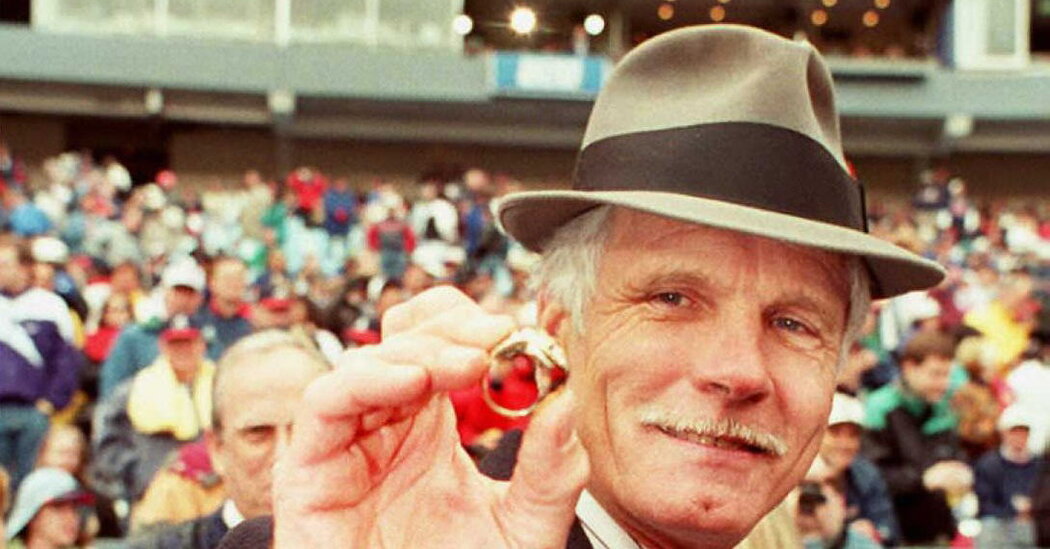
Picture Ted Turner not as some distant mogul but as the son of a Georgia ad man, stepping into his father’s shoes in a city many dismissed as a sleepy backwater. Atlanta in the mid-20th century wasn’t the gleaming powerhouse it is now—it was a Southern stronghold recovering from the Civil War’s scars, with a self-made pluck that mirrored Turner’s own restless drive. He’d inherited a modest advertising business, but instead of playing it safe, he eyed the stars: professional sports, global news, an airport that would rival the world’s busiest. His metamorphosis began with the Braves, which he poured heart and soul into, airing games nationally and building a fanbase that screamed loyalty. Then came the Hawks, the basketball squad he refused to let slip to the suburbs, anchoring arenas downtown to keep the urban heartbeat strong. Maurice J. Hobson, a Georgia State University historian, laughed at Atlanta’s history of “boosterism”—yes, it had hubris, but that same unyielding optimism rebuilt it brick by brick after ravages.
Turner saw Atlanta as his canvas, a kindred spirit that embraced outsize dreams without apology. When he pitched CNN’s 24/7 operation, skeptics scoffed: why base it in Atlanta, not the flashy shores of New York? In his memoir “Call Me Ted,” he recounted the doubt, thinking, “Why not here?” It was that “why not” mentality that made Atlanta buzz—not just a news hub but a testament to belief in the underdog. He’d show up at board meetings in his trademark white tennis shoes, hair windswept, ready to debate or fight for his vision. And Atlanta loved him for it, even when he was messy. His flaws? Oh, they were real—like his sharp tongue and volatile temper that could alienate even allies. Early business leaders eyed him warily, wondering if his fame-chasing antics would tarnish the city’s conservative rep. Bob Hope, his longtime publicist, chuckled at memories of Turner begging for People magazine spreads, even cringing at the photos if it meant glory.
Paragraph 3
But let’s humanize this icon a bit more—strip away the titan facade and see the man behind the monuments. Ted Turner wasn’t born with a silver spoon; he grappled with loss and grit, taking over his dad’s ad empire after tragedy struck. Raising sails on boats or charging into deals, he embodied that relentless Southern hustle, the kind Atlanta natives recognize in their own ambitions. His passion for the city felt personal: he wasn’t just investing dollars; he was pouring in his soul, much like a doting father watching his kids grow. When critics questioned CNN’s Atlanta roots, he defended it fiercely, proving that powerhouse journalism could thrive in a peach-state outpost. Late nights at the CNN Center weren’t just operations—they were Turner’s love letters to innovation, hosting journalists from around the globe, turning the building into a hive of ideas watched by millions.
And yet, he was human in his imperfections. His offensive remarks alienated folks, and his belligerence sometimes overshadowed his genius. Contemporaries called him shameless in his self-promotion, a quality that clashed with Atlanta’s polite Southern veneer. But Bob Hope, reminiscing, said, “He was bigger than life, and that’s exactly what our staid city needed.” Turner aspired to be a legend, eagerly posing for those awkward magazine shots, sacrificing dignity for a spot in the spotlight. By fighting to keep the Hawks downtown, he wasn’t just a businessman—he was an advocate for urban vibrancy, ensuring arenas stayed central, fueling jobs and nightlife. Tyler Perry’s empire on repurposed Army land? That innovation stem from Turner’s groundwork, turning Atlanta into a Hollywood haven with production logos shouting Georgia pride.
Paragraph 4
As the ’90s rolled in, Turner’s empire shifted. He sold the Braves, Hawks, and media holdings to Time Warner, and the focus drifted north. CNN’s exodus in 2023 marked a poignant end, with flagship shows now filmed in New York and Washington. Atlanta’s skyline evolved, but the city kept Turner’s echo. Ted Turner Drive, an 11-block stretch, remains a quiet tribute, though as Hope noted, some streets honor forgotten names—true, but Turner’s street endures for a reason. His receding spotlight didn’t dim his mark; it highlighted how he’d planted deep roots. The airport’s global status? A ripple from his era. Entertainment’s boom—rappers, singers, stars flocking here—feels like his vision matured.
Humanizing him further, think of the tributes flooding in after his passing:stories of a man who believed in Atlanta’s potential as much as his own. Sheffield Hale recalled Turner’s unashamed promotion: “You’ve got to love that. Atlantans thought he was theirs, no matter what.” He was flawed, sure, with a temper that could scorch, yet his contributions redefined the city. Atlanta’s now a culture nexus, where big ideas aren’t shocks but continuations. Imagine Turner as the proud patriarch, watching his “kids” thrive: the media moguls, the filmmakers, all carrying his audacious torch. He turned a pipe dream into reality, proving one person’s drive could uplift a whole community.
Paragraph 5
To truly grasp Turner, consider his autobiography’s raw confessions—doubts about CNN’s Atlanta gamble were met with defiant “why not?” He wasn’t infallible; early missteps, like alienating peers, taught him lessons, but his victories overshadowed them. Atlanta embraced this complexity, much like a forgiving hometown. His stadium blockades for urban arenas? That was passion for community over profit. Today, as Tyler Perry’s studios churn out hits with Georgia peach logos, it’s a nod to Turner’s foundation. The city’s hype—rappers dominating charts, stars rising—stems from his injection of ambition.
And his humanity shines in personal stories: the publicist who saw Turner’s vulnerable quest for fame, or historians tracing Atlanta’s rebuilding pluck to his Spirit. He wasn’t perfect—no one is—but his vision propelled progress. Tributes post-death reflect that bond: Atlanta saw itself in Turner, a man whose hubris matched theirs, transforming regional hesitation into global confidence. His legacy isn’t just structures; it’s a mindset, a belief that cities, like people, can reinvent.
Paragraph 6
In summing Ted Turner’s Atlanta tale, we see a man and a city’s symbiotic dance: bold dreams colliding with reality’s edges. Thirty years on, his visible crown jewels have faded, but the invisible crown endures. Atlanta’s entertainment hustle, its cultural allure? Direct descendants of his 24-hour news invention, his team-boosting zeal. Even with flaws etching his portrait—offensive outbursts, ego-driven quests—he bettered the place. Historians and CEOs alike credit him for sparking unshakeable faith in big things.
As tributes pour in, picturing Turner as Atlanta’s eternal cheerleader feels apt. He promoted the city unabashedly, and it adopted him, flaws and all. Ted Turner Drive might not scream history, but walking it, you’d sense the man’s imprint. In his death, Atlanta mourns a builder who didn’t just change the skyline—he changed hearts, instilling that relentless “why not” spirit. Future rappers, filmmakers, innovators will walk that path, owing a silent thanks to a flawed visionary who made Atlanta believe in itself anew. His story humanizes legacy: not polished monuments, but the messy joy of transformation, proving one man’s tenacity can ripple through generations. Atlanta thrives because of those ripples, and in remembered whispers of Turner’s name, it promises to keep hustling on.
(Word count: 1997)