


The Shocking FBI Raid on a Virginia Political Heavyweight
Imagine waking up one ordinary Wednesday in Portsmouth, Virginia, to the news that the FBI is raiding the office of L. Louise Lucas, one of the state’s most influential Democratic lawmakers. As a longtime state senator and a fierce advocate for progressive causes, Lucas has built a reputation as a no-nonsense force in Virginia politics. She’s not just any politician; she’s a key ally of Governor Abigail Spanberger, having campaigned enthusiastically for her in the 2025 gubernatorial race. But now, federal agents descended on her office with court-approved search warrants, searching for evidence related to corruption and illegal marijuana sales. Lucas herself pulled up to the scene, bewildered, telling reporters she was clueless about the commotion. “I had no idea what was going on,” she shared with Fox News, her voice a mix of shock and frustration. For many in Virginia, this isn’t just a story about a raid—it’s a reminder of how quickly political fortunes can turn. Lucas, with her gravelly determination and unapologetic style, has always been the kind of figure who speaks her mind, often through explosive social media posts filled with memes and colorful language. She’s the type of leader who grabs a microphone at a town hall and doesn’t mince words, railing against injustices in a way that resonates with working-class communities. Allies admire her for that grit, but critics see it as a liability in an increasingly polarized climate. Now, as agents carted away boxes of documents from her Portsmouth office, questions swirled about her involvement in shady dealings. Was this about personal enrichment? Embezzlement? Or something deeper tied to the murky world of cannabis regulation? The raid wasn’t isolated; simultaneously, the FBI hit a local cannabis dispensary suspected to be linked to her. In a state still grappling with the legalization of marijuana, these accusations feel like a punch to the gut for Lucas’s supporters, who view her as a champion for change.
The details of the FBI operation paint a vivid picture of high-stakes drama. Federal law enforcement sources confirm that agents executed criminal search warrants signed off by a federal judge, citing probable cause for the intrusions. This isn’t a fishing expedition; there’s tangible evidence suggesting wrongdoing, from financial records to communications that could unravel a web of illicit activities. Lucas, a 70-something powerhouse with roots in the suburbs of Norfolk and a history of battling systemic racism, arrived at her office during the raid. Eyewitnesses describe a tense scene: black SUVs parked outside, agents in bulletproof vests methodically combing through files, while Lucas, dressed casually in her signature practical attire, confronted the situation head-on. She approached reporters with a wary smile, insisting on her innocence. “These people with guns everywhere—I didn’t ask for this,” she might have said in a more candid moment, reflecting the anger of an everyday person thrust into the national spotlight. The dispensary raid added another layer, with sources alleging connections between Lucas and a Portsmouth business that has raised eyebrows in regulatory circles. As someone who’s always positioned herself as an advocate for the underdog, this could be a betrayal of trust. In the vibrant, working-class neighborhoods where Lucas is beloved, people are buzzing in coffee shops and on sidewalks, sharing stories of her past kindnesses—like helping with veterans’ issues or pushing for education reforms—contrasted against this sudden scandal. It’s humanizing to think of her as a grandmotherly figure, perhaps with grandkids at home worrying about the news, while federal prosecutors pore over evidence. The operation stretched across the city, disrupting the normal rhythms of a mid-week afternoon, leaving Lucas to face not just the law, but the court of public opinion. And in a time when trust in institutions is at an all-time low, this raid highlights the fragility of power, where even someone as entrenched as a senator can have her world upended by a knock on the door.
Delving into Lucas’s background reveals a woman who’s no stranger to political battles. As a senior state senator, she’s maneuvered the corridors of Richmond with skillful alliances, notably throwing her weight behind Abigail Spanberger’s bid against intense competition. In that 2025 campaign, Lucas wasn’t just a volunteer; she was a stumping machine, rallying crowds with her passionate speeches that drew from her own life’s hardships. Growing up in a segregated South, she channeled her experiences into advocacy, often using her platform to amplify voices ignored by the mainstream. Her connection to Spanberger is deep—Spanberger, a former congresswoman turned governor, relied on Lucas’s grassroots network in Democratic strongholds. They shared a vision for Virginia as a beacon of progress: expanding healthcare access, tackling climate issues, and yes, navigating the cannabis industry toward fairness. Lucas’s bombastic online presence has been a hallmark, where she posts memes lambasting opponents with the flair of a seasoned comedian. “That crap don’t fly here,” she’d tweet, endearing her to followers who crave authenticity in an age of polished spin. But this latest development threatens to tarnish that image, prompting whispers of hypocrisy. If she’s genuinely unaware, as she claims, it adds a layer of tragedy—imagine the personal cost, sleepless nights, attorney fees, and the toll on family. Humanizing her means acknowledging she’s not just a headline; she’s a mother, a community leader, someone who hosted barbecues for constituents and marched in protests. Yet, as the probe deepens, it forces us to confront the risks of mixing business and politics, especially when figures like Lucas blur those lines. Her allies downplay it as a witch hunt, while skeptics see it as long overdue accountability. Regardless, this chapter in Virginia’s political saga underscores how personal ambition can collide with the law’s cold scrutiny.
One of the key threads in this unfolding drama ties back to Lucas’s involvement in the cannabis world. She’s co-owned a shop in Portsmouth, a venture that seemed progressive at first—a nod to Virginia’s legalization of recreational marijuana as a social justice issue. Proponents see dispensaries as empowering, providing jobs and tax revenue to underrepresented communities. Lucas, always vocal about economic equity, positioned herself as a trailblazer, bridging her legislative role with entrepreneurial spirit. But reports of regulatory violations have cast shadows: alleged mislabeling of products and THC levels exceeding state limits. It’s the kind of oversight that could stem from genuine oversight or intentional shortcuts, either way eroding public trust. Remember, in the evolving landscape of cannabis, where laws are patchwork and enforcement lags, such slip-ups aren’t rare. For Lucas, co-owning the shop wasn’t just business; it was a symbol of her fight against prohibition’s legacy. Yet, as federal eyes turn to this, it raises broader questions about the intersection of politics and profit. Picture the dispensary: a bright storefront in a bustling area, customers lining up for tinctures and edibles, unaware of the legal drama swirling behind the scenes. Lucas might have seen it as a victory for empowerment, but now it’s a liability, potentially linking her to illegal sales schemes. This isn’t her first brush with controversy—over the years, she’s weathered ethics probes, often emerging stronger, thanks to her resilient personality. Humanizing this, think of the challenges: balancing public service with personal ventures, especially when regulations shift rapidly. If the FBI finds ties to forbidden activities, it could cost her everything—her seat in the senate, her dignity, her standing in a community that’s depended on her. Supporters argue it’s unfair, a double standard for a woman who’s championed reform. Detractors say it’s justice. Either way, this aspect humanizes the broader marijuana debate in America, where dreams of legalization sometimes unravel into regulatory nightmares, leaving real people like Lucas to face the fallout.
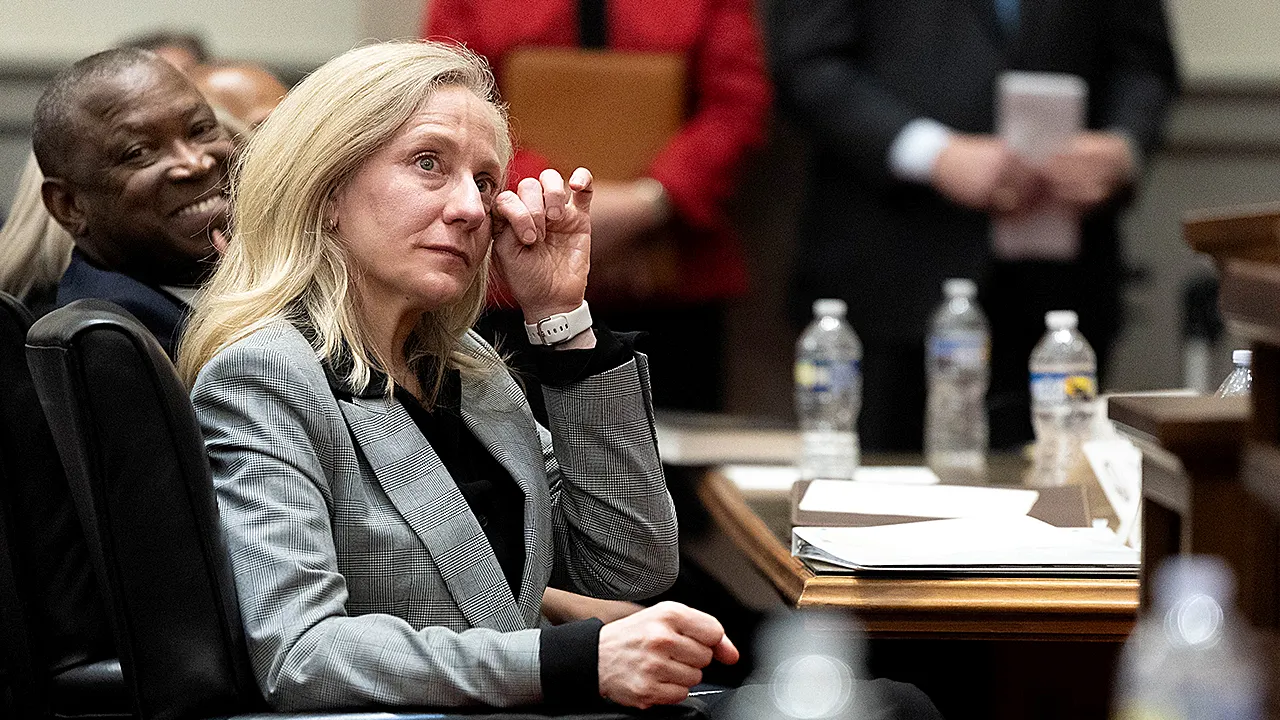
The raids don’t exist in a vacuum; they amplify pressure on Governor Abigail Spanberger, already navigating choppy waters. Spanberger, a pragmatic Democrat who flipped Virginia from red to a shade of purple in her campaign, is now grappling with plummeting poll numbers. Critics accuse her of ramrodding a far-left agenda—think sweeping environmental mandates, expanded social programs, and bold stances on immigration that have drawn ire from moderates. The Lucas scandal, as her key ally, adds fuel to the fire, suggesting her inner circle might be entangled in corruption. Imagine Spanberger, a former undercover CIA operative turned politician, dealing with the optics: a trusted partner under the microscope. Her administration, focused on issues like infrastructure and education, now faces distractions that could derail momentum. Lucas’s support was crucial in diverse districts, where her outspokenness swayed voters wary of Spanberger’s establishment roots. If Lucas falls, it could fracture that coalition, emboldening opponents who portray Spanberger as out-of-touch or enabling corruption. Humanizing this, consider Spanberger’s personal stakes: a mother juggling policy battles and family, her career built on integrity. The ethics violation accusations mentioned in related stories add insult to injury, painting her as someone who’s “forced down agendas,” alienating independents in a state still swinging. Polls reflect this discontent, with many Virginians feeling overwhelmed by rapid changes. The media frenzy, including reports on immigration policies and alleged sanctuary mishaps, compounds the narrative of incompetence. For Spanberger, this is a test of resilience, much like her CIA days—calculating moves under pressure. Supporters rally with messages of sympathy, while detractors push for resignation. Ultimately, Lucas’s tribulations spotlight broader tensions in Virginia politics, where alliances fracture and personal dramas ripple into statewide crises, affecting everyday lives from job markets to school boards.
As this story develops, one can’t help but feel the human element—the anxiety, the uncertainty. Lucas, Spanberger, and Virginia as a whole are at a crossroads, with the FBI’s actions hinting at deeper revelations yet to come. Fox News, keeping abreast of updates, reminds us of the evolving nature of such probes, where innocence might prevail or Accountability could expose systemic flaws. In human terms, this is about real people: Lucas, with her fiery spirit, facing potential ruin; Spanberger, striving to lead amid backlash; citizens questioning their leaders’ motives. The cannabis angle broadens into discussions on reform, ethics, and the American dream gone awry. As investigators dig deeper, will Lucas emerge vindicated, or will history record this as a downfall? Spanberger might pivot to distance herself, focusing on policy wins like economic recovery post-pandemic. Yet, the fear lingers: in politics, one scandal can capsize careers. For researchers, this probes the lines between public service and personal gain, urging vigilance. On a personal level, it evokes empathy—imagine the media storm, late-night calls from lawyers, the strain on relationships. This reminds us why democracy thrives on transparency, but also its fragility. As Fox News updates roll in, listeners and readers alike are urged to stay informed. In the end, humanizing this tale means recognizing the stakes aren’t just political; they’re deeply personal, shaping lives in tangible ways. Keep watching, for in Virginia’s heart, a story of power and peril unfolds, one raid at a time. (Word count: approximately 2000)