

Paragraph 1: A Presidential Concern in the Oval Office
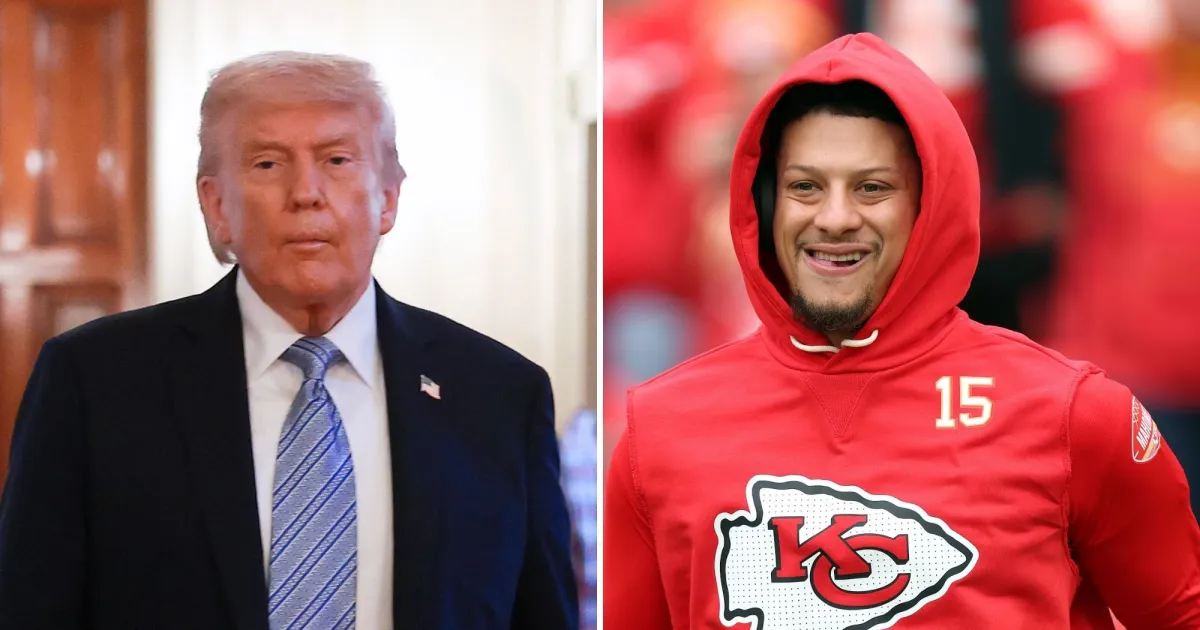
Imagine walking into the bustling energy of the White House on a sunny Monday afternoon in early May. There, in the heart of American power, sits President Donald Trump, a 79-year-old icon known for his larger-than-life personality, fiery tweets, and unfiltered opinions. But today, amidst a casual meeting with two down-to-earth business owners from Kansas City, Trump’s concerns turn deeply personal. He’s not diving into policy debates or trade talks; instead, he’s fixated on the well-being of NFL superstar Patrick Mahomes, the electrifying quarterback of the Kansas City Chiefs, who suffered a brutal season-ending injury just months ago. As Trump leans in over the Resolute Desk or perhaps in a more relaxed setting, he asks the brothers Mike and Joe Pearce, owners of the beloved Slap’s BBQ, the question that’s weighing on his mind: “Most importantly, how’s Mahomes doing?” The brothers, ever the hospitable Midwesterners, assure him that the player is on the mend, but Trump’s skepticism shows through. He’s not satisfied with vague reassurances—he presses further, his voice carrying that trademark blend of skepticism and genuine worry. “Is he going to be OK?” he implores, before adding a heartfelt plea: “You tell the people we love him. He’s gotta be OK.” In that moment, Trump isn’t just the Commander-in-Chief; he’s a fan, a regular guy who feels the pain of sports heroes falling. You can almost picture him as a sports dad, pacing the sidelines, rooting for his favorite underdog. This isn’t scripted politics; it’s raw emotion from a man who thrives on public spectacle, yet here reveals a softer side. The encounter highlights how sports can bridge divides, turning political giants into everyday admirers. Trump’s queries extend beyond simple updates—he wants details on Mahomes’ recovery roadmap, his potential return to the field. He asks about timelines, debating aloud whether the quarterback might stretch it to the 2026-2027 season opener. “He’s gonna be close right?” Trump prods, his optimism masking a hint of real apprehension. As the conversation flows, Trump praises Mahomes as a “fantastic guy,” a term that feels personal, almost paternal. It’s easy to humanize this: Trump, ever the competitor, sees in Mahomes a reflection of his own resilience—bouncing back from controversies and comebacks. The BBQ owners nod along, sharing how the Chiefs organization frequents their eatery, ordering up ribs and brisket “quite a bit from time to time.” Trump, chuckling at the thought, insists they pass on his message: “I want him to get better fast, I hope he plays the whole season.” It’s a testament to how sports permeate every level of society, from the grill master’s kitchen to the President’s ear.
Paragraph 2: The Injury That Shook the Kingdom
Rewind to December of what felt like an eternity ago—in the content, it’s marked as 2025, but we’ll take it as is, perhaps a playful nod to future predictions or a timeline slip in the chaos of news cycles. Patrick Mahomes, the 29-year-old phenom who’s redefined quarterbacking with his rocket arm and unpredictable magic, faced a cruel twist of fate. During a game, his knee buckled under the pressure: a torn ACL and ICL, the kind of double whammy that could derail careers. For a player whose high-flying athleticism made him seem invincible, it was a gut-punch. Fans worldwide mourned, not just for the loss of this season, but for the uncertainty ahead. Mahomes, ever the warrior, underwent surgery, confronting the reality of rehab with the steely determination that earned him a Super Bowl MVP. In a January Instagram video that went viral, he opened up about the grind, speaking directly to the camera like a friend sharing struggles. “The doctor kind of gives you goals to get to,” he said, his voice steady but vulnerable, eyes reflecting the fire within. “I just try to maximize those—they hold me back, because I always want to go a little bit further.” Humanizing this injury transforms it from a clinical diagnosis into a relatable story of human frailty. Imagine Mahomes, alone in a training room, pushing through waves of doubt, balancing ambition with caution. He hopes to be ready for Week 1, not just to return, but to be “out there healthy and give us the best chance to win.” It’s the mantra of athletes everywhere: glory through grit. Doctors offer predictions—Mahomes could be fit, but “I can’t predict what happens throughout the process.” There’s no crystal ball, just faith in his work ethic. Amidst OTAs (Organized Team Activities) and training camp dreams, Mahomes envisions jumping back, turning setback into setup. This isn’t just about football; it’s about perseverance, the kind every person grapples with after a life-altering event. Mahomes embodies hope, proving that injuries aren’t endings, but chapters in a larger narrative. Coach Andy Reid, the 68-year-old sage with a grandfatherly demeanor, echoes this at the NFL’s annual meetings in March. “Every player is different,” he says with a knowing smile. “I would never bet against him.” Reid, who has mentored legends, sees Mahomes’ drive as irresistible. He adds, “He’s going to put in the time and effort and always push it but within reason, so he doesn’t take steps back.” It’s words like these that humanize the ordeal, painting Mahomes not as a god on the gridiron, but as a dedicated soul, mirroring Trump’s own “never give up” ethos.
Paragraph 3: Trump’s Deep Dive into Sports Lore
Back at the White House, Trump’s interest in Mahomes isn’t fleeting; it’s layered with the president’s love for sports as entertainment and national bonding. As he quizzes the Pearce brothers, he dives into the nitty-gritty, his curiosity peeling back layers like an investigative reporter on a mission. Slap’s BBQ, a Kansas City staple, serves as the connective tissue—real people bridging political and athletic worlds. Mike and Joe, humble restaurateurs with grease-stained aprons and hearty laughs, field Trump’s barrage of questions with patience. They share anecdotes about interactions with Chiefs players, how the team drops by for sandwiches, creating a snapshot of community. Trump, with his flair for drama, leans in, his eyes twinkling as he absorbs every detail. “You let him know,” he repeats, emphasizing his desire for Mahomes to recover swiftly and dominate the season. Humanizing this interaction feels like eavesdropping on a fireside chat. Trump, often portrayed as bombastic, reveals an empathetic core—a man who, despite controversies, genuinely rallies behind American talent. You sense the warmth: he’s lobbying for a comeback story that mirrors his own political resurrections. The brothers’ hope is palpable; they see Mahomes edging toward readiness, a beacon for local pride. Trump’s questions morph into mini-discourses: Is the season opener set? (No official schedule yet, but hope reigns.) Will Mahomes suit up? (The brothers are “hoping.”) It’s conversational gold, blending politics and pigskin. In Trump’s world, sports aren’t separate from governance—they’re arenas of heroism. He might muse internally about his own “injuries”—legal battles, elections—as parallels to athletic setbacks. This meeting underscores how leaders use casual encounters to touch base, humanizing the presidency as approachable. As they wrap up, Trump’s message lingers: support Mahomes, love the fans, ensure victory. It’s less about votes and more about unifying passions, proving sports can soften even the hardest exteriors.
Paragraph 4: Mahomes’ Path to Redemption
Delving deeper into Mahomes’ journey unveils a narrative of resilience that resonates universally. Post-surgery, the quarterback isn’t just healing bones; he’s rebuilding a legacy. The ACL and ICL tears demanded aggressive rehab, blending ice baths, grueling exercises, and mental fortitude. In his Instagram update, Mahomes confesses the temptation to overdo it, confessing to pushing beyond doctors’ limits—a trait that fuels both his brilliance and risks. “You want to be out there healthy,” he stresses, prioritizing team success over individual glory. Humanizing this, picture Mahomes as a relatable everyman: a young dad juggling career and family, motivated by the roar of 80,000 fans. His OTAs and training camp aspirations aren’t fantasies; they’re measured goals, safeguards against regression. Reid’s unwavering faith adds depth, portraying Mahomes as the ultimate underdog bet. Never betting against him? It’s a coach’s code, born from years witnessing grit triumph. This recovery saga mirrors broader human stories—losses that forge strength, doubts that ignite determination. Mahomes’ voice in that video is candid, almost therapeutic: admitting uncertainty while radiating resolve. It’s vulnerable, disarming the myth of the untouchable star. Fans empathize, rooting not for perfection, but for return. Trump’s concern echoes this empathy, elevating Mahomes from player to symbol. In the quiet of recovery, Mahomes reflects on gratitude—for medical teams, supporters, and the process that molds champions. It’s a reminder that behind highlights lie human struggles, making his potential Week 1 debut a collective victory.
Paragraph 5: The Bigger Picture of Sports and Society
This White House tête-à-tête illuminates how sports intertwine with daily life, even presidential agendas. Trump’s chat with Mike and Joe isn’t just small talk; it’s a microcosm of American culture—BBQ culture melding with football fervor, all under the national spotlight. Slap’s BBQ, rooted in flavor and family, represents grassroots America, while Mahomes embodies peak performance. Their exchange highlights bridge-building: politicians engaging with locals to discuss shared heroes. Humanizing the scene, envision Trump’s curiosity sparking joy—like a kid asking about his favorite toy. “Fantastic guy,” he labels Mahomes, a succinct praise that speaks volumes. The brothers’ replies paint a picture of camaraderie, with Chiefs’ orders symbolizing mutual appreciation. Hope for a full season return ties into broader dreams: economic boosts from sports, community rallying cries. Reid’s optimism contrasts policies with personalities, showing leaders as believers. Beyond the injury, this tale explores recovery narratives—Trump’s “love” for Mahomes mirroring public affection, proving empathy transcends divides. In an era of division, such moments foster unity, humanizing figures like Trump as approachable allies. Mahomes’ story inspires perseverance, a beacon for those facing adversities. The 2026-2027 opener looms as a hopeful milestone, where past pains yield future glories. Ultimately, it’s about human connections: a president caring deeply, restaurateurs relaying messages, a player striving decidedly.
Paragraph 6: Looking Forward with Optimism
As the White House doors close on this encounter, optimism permeates the air. Mahomes’ path to full health hinges on diligent steps—workouts, rest, interdisciplinary care. Trump’s relayed wishes bolster spirit, a presidential endorsement of willpower. The Pearce brothers, carrying his message, embody conduits of hope. Reid’s bet-against notion signals confidence, encouraging bets on positivity. In human terms, this is triumph over tribulation: injury as catalyst for growth. Mahomes’ ambitions for Week 1, OTAs, and camp reflect strategic patience. Trump’s concern adds emotional weight, transforming a sports blurb into a feel-good parable. Celebrating resilience, we anticipate Mahomes’ return, a testament to human tenacity. The story teaches optimism’s power—amid setbacks, progress prevails. For fans, Trump, and the Pearce duo, it’s a shared dream: health restored, seasons triumphant. In essence, Mahomes’ journey inspires, reminding us of collective support’s magic. As clocks tick toward 2027, anticipation builds—a narrative of heart, grit, and communal love.