



The Spark of Change in Tennis: Players Demand Fairer Shares
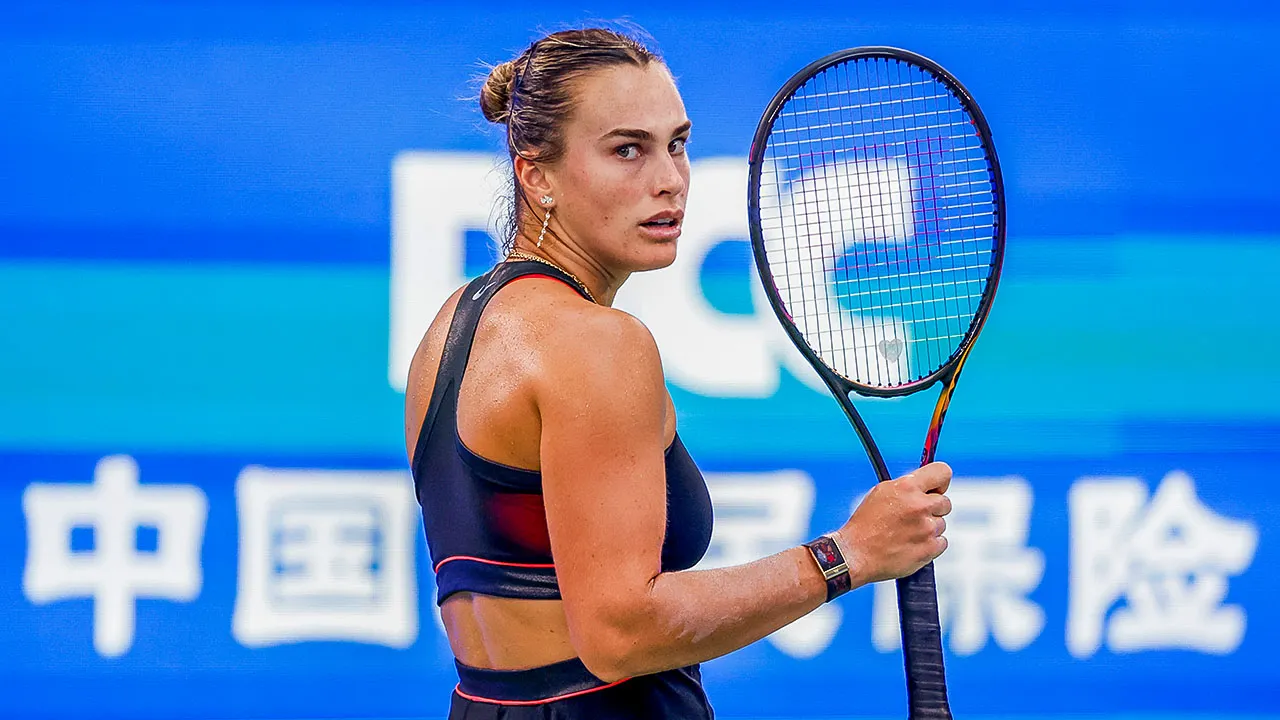
In the glamorous world of professional tennis, where the roar of the crowd meets the thud of the ball against court, a growing chorus of discontent is rallying top players to push for change. Imagine Aryna Sabalenka, the fierce Belarusian powerhouse who’s currently reigning as the world’s number one women’s player, stepping up on a sunny day at the Italian Open to voice her frustrations. She’s not just swinging her racket anymore; she’s advocating for a boycott if Grand Slam tournaments—those prestigious events like the French Open, Australian Open, Wimbledon, and U.S. Open—don’t amp up the prize money they give to players. “Without us there wouldn’t be a tournament and there wouldn’t be that entertainment,” Sabalenka declared, her voice steady but passionate, explaining how players feel undervalued despite driving the spectacle that fills stadiums and captivates millions on TV. She’s echoing a sentiment shared by fellow elite like Italy’s Jannik Sinner, the men’s world number one, who’s part of a group of high-ranked athletes who issued a joint statement targeting the French Open specifically. This isn’t just about money; it’s about respect and the rights of those who dedicate their lives to the sport, training grueling hours on pristine courts under the pressure of global expectations.
Beyond the French engagement, this movement highlights a broader frustration with how these mega-events handle revenues and player welfare. Sabalenka, known for her powerful serves and unyielding attitude both on and off the court, believes a collective stand—like walking away from play—might be necessary to force negotiations. It’s a bold pivot from the usual polite applause of post-match interviews; think of it as athletes finally saying, “Hey, we’re the heart of this game, and we deserve our fair slice.” This push for better representation extends to health benefits, pensions, and even maternity leave, areas where players feel neglected compared to other parts of the tennis ecosystem. As someone who’s battled injuries and the grind of the tour, Sabalenka’s words resonate, reminding us that behind the glamour, tennis is a business where players are often treated more like commodities than partners. Her comments aren’t isolated rants; they’re part of a wave that’s gaining momentum, with echoes of similar labor disputes in other sports, making the tennis community reflect on whether the Grand Slams are truly celebrating their stars or exploiting them.
Delving deeper into the numbers, the French Open’s recent prize money bump to 61.7 million euros—about 72.1 million dollars—sounds impressive at first glance, a 10% rise pushing the total up by over 5 million euros from last year. But for the players, this “increase” feels hollow because their cut of the overall revenues is shrinking. Tournaments rely on players to draw massive audiences and sponsorships, yet the revenue share allocated to competitors has dipped—from a projected 14.9% now down to an anticipated 14.3% loss over the years. The statement from these stars paints a vivid picture: in 2025, Roland Garros raked in nearly 395 million euros, up 14% year-over-year, but prize money only climbed 5.4%, leaving players with scraps. It’s like hosting a blockbuster party where you invest in fancy decor but shortchange the performers creating the magic. Sabalenka and her colleagues aren’t asking for handouts; they’re pointing out the disparity, aiming for a 22% share that aligns with higher-level ATP and WTA events. This isn’t greed; it’s equity in a sport where travel, coaching, and recovery costs can devour a career.
As the debate heats up, other voices chime in, adding layers to this human story of ambition and advocacy. Coco Gauff, the young American phenom who defended her French Open title with grit and poise, draws inspiration from leagues like the WNBA, where a new collective bargaining agreement empowered players. “From the things I’ve seen with other sports, usually to make massive progress… it takes a union,” she mused, envisioning tennis players banding together for strength. Gauff, who’s faced everything from racial slurs from online gamblers to the intense scrutiny of stardom, sees unity as the key to real change—not just for herself, but for every player, especially those lower-ranked ones grinding in obscurity. “We definitely can move more as a collective,” she insists, her youthful energy fueling the conversation. She’s not discounting the appeal of a boycott, noting how a united front could push the Grand Slams to the table. In her world, tennis isn’t just about trophies; it’s about leaving the sport better for future generations, a legacy of fairness she hopes to build.
Jasmine Paolini, the resilient Italian who stunned the tennis world by reaching the finals of the French Open and Wimbledon in 2024, adds her perspective, contrasting the Grand Slams with the WTA and ATP Tours. These tours, she explains, offer perks like maternity benefits and retirement plans that the Slams sorely lack. “There’s a lot of things that the Slams are not doing,” Paolini shared, highlighting how players are left vulnerable after their prime, without the support systems other circuits provide. Her journey from underdog to semifinalist in majors speaks to the resilience required in a sport where one bad match can tank a reputation, and yet, the rewards don’t always match the risks. Paolini aligns with the boycott idea, sensing a rare unity between men and women’s tours. It’s a reminder that tennis, while individual in play, thrives on collective action off it—much like teammates in a relay, passing the baton of advocacy to secure better conditions. Together, these women are weaving a narrative of empowerment, turning the court’s blue lines into battle lines for justice.
Wrapping this up, the French Open kicks off on May 24, with winnings that top out at 2.8 million euros for singles champions and 1.4 million for runners-up, tapering down to 750,000 euros for semifinalists and 87,000 for first-round exits—numbers that look generous but, in context, underscore the players’ plea for more equity. As this movement unfolds, it’s not just about dollars; it’s about recognizing the athletes who make tennis electric, from Sabalenka’s raw power to Gauff’s hopeful vision. Whether through statements, unions, or boycotts, the players are humanizing the business side of the sport, inviting fans to root for change alongside the rallies. It’s a story of standing tall, racket in hand, ready to redefine what victory means in the modern era. For more coverage, keep an eye on Fox News Sports and downloads like the “DON’T @ ME” podcast, where real talk meets real issues without the fluff. With contributions from the Associated Press, this is tennis evolving, one powerful swing at a time.
The Numbers Behind the Net: Revenue Realities and Player Protests
Stepping back to examine the financial tapestry of Grand Slam tennis reveals a stark contrast that fuels the ongoing debate. The French Open, played on the iconic clay courts of Roland Garros in Paris, saw its total prize pool climb to 61.7 million euros this year, translating to around 72.1 million U.S. dollars—a hefty sum that could dazzle anyone unfamiliar with the broader economics. Yet, for the athletes risking their physical and mental well-being each tournament, this “increase” masks a troubling trend. Players, through their collective statement, argue that their percentage of revenues has slid from 15.5% in 2024 to an anticipated 14.3% in 2025 and even lower to 14.9% by 2026. It’s not merely about raw dollars; it’s about proportionality. Imagine pouring your energy into a venture where revenues soar by 14% annually, but your paychecks grow at a snail’s pace of just 5.4%. The tournament’s success hinges on star power like Sabalenka’s explosive game or Sinner’s strategic finesse, yet the rewards don’t reflect their indispensable roles.
Comparative glances at other Slams add nuance to this picture. The Australian Open boosted player compensation by an impressive 16%, while the U.S. Open jumped premiums by 20% the previous year, showcasing pockets of progress amid the resistance. But at Roland Garros, the data tells a sobering tale: 2025 revenues hit nearly 395 million euros, up significantly, yet prize money lags, leaving players short. They’re lobbying for a shift to 22%, mirroring the lucrative ATP and WTA Combined 1000 events, where the split feels more balanced. This isn’t an abstract feud; it’s a human plea. Tennis players often start young, sacrificing education and personal lives for a shot at glory, only to face erratic incomes, mounting expenses for travel and training, and limited post-retirement security. Health options are crucial too—recovering from injuries like torn tendons or chronic fatigue doesn’t come cheap, and the Grand Slams’ stinginess in support exacerbates the grind.
The human element shines through in how these figures impact daily lives. For instance, mid-tier players barely scraping by on 87,000 euros for early exits in a major might think twice about long-term planning. Sabalenka, with her Olympic gold and multiple Slam finals, embodies the pinnacle, but even she voices the collective frustration, advocating for unity. It’s reminiscent of labor movements in other industries, where workers band together against corporate giants to demand fair wages. Here, the “corporations” are traditional tennis bodies, entrenched in European aristocracy and reluctance to modernize. Gauff’s push for unionization echoes historical fights, like those in baseball or soccer, proving that solidarity can tilt the scales. As revenues balloon—from TV deals, merchandise, and digital streaming—the players ask, “Why not share more?” It’s a question that humanizes the statistics, turning cold numbers into stories of dedication and fairness.
Paolini’s insights further personalize this, contrasting the Slams’ shortcomings with the tours’ generosity. She contrasts the podium cash with the real costs: flights to distant cities, specialized coaching, and psychological support, all piling up without commensurate payouts. Some players finance their careers through loans or sponsorships, living on the edge. The statement’s call for pensions and maternity benefits isn’t luxury; it’s necessity for a sustainable profession. Imagine athletes planning families in a sport where maternity policies are absent—it’s a gap that affects not just women but the sport’s future vitality. By uniting men and women, as Paolini notes, the tours build bridges, while the Slams linger in the past.
Ultimately, these revenue battles underscore tennis’s evolution from a gentleman’s game to a global powerhouse. The 61.7 million euro pool is progress, but players view it as inadequate against national economies and rising operational costs. Boycotts loom as a last resort, a dramatic pause that could empty courts and force dialogue. Fans, who revel in the drama, might cheer the potential showdown, but it’s the players’ grit that keeps the sport alive. As the Italian Open fades and eyes turn to Paris, this isn’t just about money—it’s about honoring the humans behind the headlines, ensuring tennis remains a court of justice as much as competition. Keep following Fox News Sports for updates, and dive into podcasts like “Take the Don’t @ Me Podcast” for unfiltered takes on these pivotal shifts.
Collective Voices: Gauff, Paolini, and the Call for Unity
In the heated arena of tennis advocacy, players like Coco Gauff and Jasmine Paolini bring personal touches to the push for reform, transforming statistical debates into relatable narratives of perseverance and hope. Gauff, the 20-year-old American sensation with her spirited play and unapologetic viewpoints, has faced adversity beyond the baseline—remember those racist messages from gamblers after her Madrid Open exit?—yet she’s channeling that resilience into leadership. She admires the WNBA’s collective bargaining agreement, where players negotiated seismic improvements, and argues tennis needs its own unionism. “Usually to make massive progress… it takes a union,” Gauff reflects, envisioning a unified front where amateurs and pros stand shoulder-to-shoulder. Her journey from teen prodigy to Slam champion illustrates the personal stakes; she’s not just playing for titles but pledging to enhance the sport for those who follow, leaving it “better than I found it.”
Paolini, meanwhile, adds a European flair to the conversation, her 2024 season breakthroughs at the French Open and Wimbledon Finals a testament to comebacks and quiet determination. Raised in Italy, she’s blossomed into a top contender, her humor lightening tense moments even as she critiques the Slams’ lack of support. She points out how the WTA and ATP Tours outshine the Grand Slams in offering maternity leave, retirement plans, and overall player welfare—benefits that ensure athletes’ long-term security. “There’s a lot of things that the Slams are not doing,” she notes, contrasting the tours’ proactive approach with the Slams’ inertia. In her view, unionizing could bridge gaps, empowering players to negotiate not just payouts but holistic care, from mental health resources to career-transition aid.
Together, these women’s voices amplify a gender-inclusive struggle; while tennis has historically favored male narratives, this movement unites dominates like Sabalenka, Sinner, Gauff, and Paolini across lines. Gauff admits she hasn’t heard boycott talks yet but sees potential unity, echoing Paolini’s “100%” endorsement of a collective walkout if consensus forms. It’s empowering to hear women lead in a male-dominated discourse, their experiences highlighting disparities among ranks. Lower-ranked players, often invisible in media, suffer most—meager earnings without pensions amplify the divide. This advocacy isn’t radical; it’s pragmatic, inspired by parallel movements in entertainment and sports where unions wrested power from gatekeepers.
Humanizing these calls reveals the emotional toll. Gauff speaks of pride in fighting for change, a legacy beyond Victories. Paolini’s words convey unity’s warmth, reducing isolation in a solitary sport. As they peel back layers, fans glimpse the work ethic behind each ace—the 5 a.m. practices, injury rehab, and international flights. Their stories make abstract demands tangible, urging Grand Slams to modernize. Whether through organized resistance or incremental talks, these players are crafting a fairer future, ensuring tennis thrives on merit and respect equally.
Boycotts on the Horizon: Strategies for Change in Tennis
The specter of a Grand Slam boycott hangs over the tennis landscape like a looming final set, a radical yet potent tool these elite players are invoking to assert their worth. Aryna Sabalenka’s declaration at the Italian Open—that “at some point we will boycott it”—ripples through the community, framing boycotts not as threats but essential strategies when diplomacy stalls. Picture athletes, who’ve devoted decades to perfecting techniques and building fanbases, withholding their talents to spotlight injustices. It’s a tactic with historical weight, evoking boycotts in sports like the NBA in social justice crusades or Olympic withdrawals, proving that withholding participation can compel change. For tennis, where players are the spectacles’ souls, a unified withdrawal could expose the Slams’ dependency, mingling economic pressure with moral suasion.
This approach isn’t impulsive; it’s born from frustration over stagnant shares and inadequate perks. As Sabalenka candidly states, lacking players means no tournaments, no revenue streams from tickets, broadcasts, or sponsorships. Her words humanize the calculus: “I feel like definitely we deserve to be paid more percentage,” resonating with visions of fair compensation aligning tennis with equitable industries. Boycotts represent a collective “no more,” potentially galvanizing lower-ranked players who face harshest disparities, their modest earnings dwarfed by stars’ takings but shared equities in representation.
Debates swirl on implementation—timing before major events, targeting specific Slams, or global halts—but the consensus builds, as Gauff and Paolini affirm, around joint action. It’s an evolution from individual grievances to orchestrated resistance, fostering solidarity against traditionalist resistance. Imagining boycotted Slams conjures empty courts, dimmed lights, and motivated negotiations, a reminder that power shifts when voices unite. While not imminent, this threat underscores tennis’s maturing discourse, blending passion with pragmatism for a sport poised on the brink of renewal.
Beyond the Prize Pool: Aspirations for Health, Pensions, and Futures
Peering past prize money, the players’ manifesto unveils aspirations for comprehensive care, framing tennis as a sustainable career path. Health options top the list—access to top-tier medical support, injury prevention, and mental health services essential in a physically punishing game. Players like Sabalenka and Paolini endure relentless schedules, accruing wear that demands robust systems to sustain longevity. Pensions and retirement plans follow, vital for post-tennis life after athletic peaks. Unlike tours offering maternity benefits, Slams lag, leaving female players navigating parenting without safeguards, impacting family planning and equality.
This push humanizes tennis, acknowledging athletes’ multifaceted lives beyond rankings. Coco Gauff’s commitment to legacy reflects a broader ethos, striving for systemic enhancements benefiting all levels. By championing unions and boycotts, players advocate for welfare that transcends cash, envisioning an empathetic ecosystem. It’s about nurturing the sport’s heart, ensuring athletes thrive off-court as on, fostering legacies of fairness that echo through generations.
Finale on the Baseline: Looking Ahead to Roland Garros and Broader Impacts
As the French Open looms on May 24, with its structured payouts—2.8 million euros for champs, 1.4 million for finalists, 750,000 for semis, and 87,000 for early exits—the players’ clamor crescendos, urging reflection. This tournament, amidst revenue growth and partnership initiatives, now faces scrutiny for fair distribution. The movement, spearheaded by Sabalenka, Gauff, and Paolini, heralds potential transformations, blending tradition with advocacy for a resilient tennis future. Fans witnessing these shifts cheer for equitable courts, where victory encompasses respect, inspiring global discussions on athlete welfare. Follow Fox News Sports for insights, subscribe to newsletters, and engage with pods like “Zero BS. Just Dakich” for candid views on this pivotal narrative.