


The Rise of a Mysterious Player in Venezuela’s Oil Trade
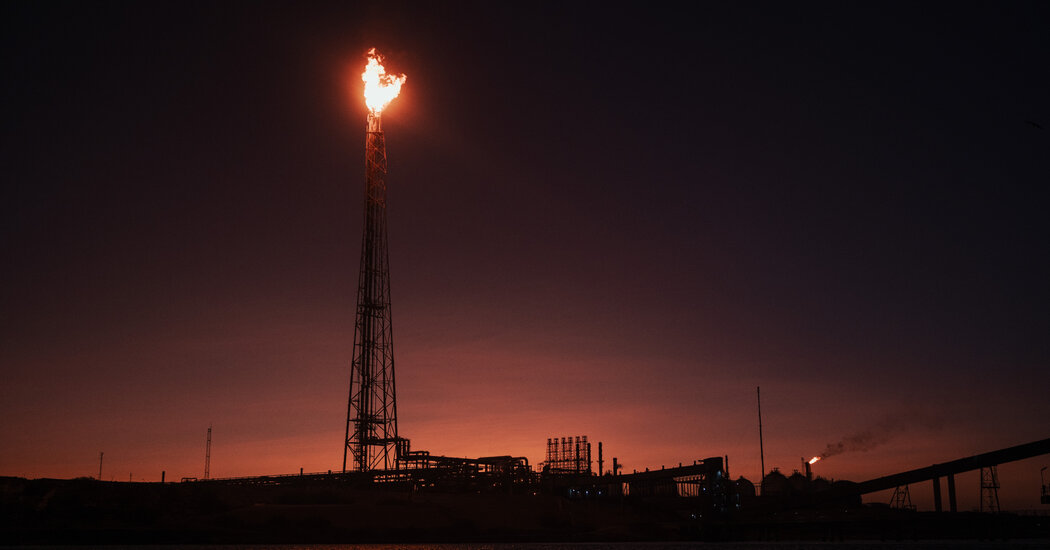
In the sweltering heat of Caracas in 2023, the Venezuelan oil industry hummed with a mix of desperation and opportunism, its backbone bent under relentless U.S. sanctions that choked the life out of the nation’s economic lifeblood. Oil, once the great equalizer that pumped wealth into the pockets of millions, now flowed through murky channels, often controlled by shadowy intermediaries who danced around international restrictions. Among these emerged Hangzhou Energy, a China-registered shell company that seemed to materialize out of thin air, with no prior footprint in the global energy market. Whispers in the oil corridors suggested it was tied to a Venezuelan businessman named Alex Saab Malpica, a figure whose name evoked both intrigue and suspicion in Caracas’ high-stakes business circles. Astonishingly, Hangzhou rocketed to become the second-largest exporter of Venezuela’s crude oil that year, trailing only Chevron, the American giant that had rooted itself in Venezuela’s soil for over a century, extracting barrels upon barrels through wars and revolutions alike.
This wasn’t just a business maneuver; it was a seismic shift in the power dynamics of an industry where giants like Shell and Exxon traditionally called the shots. For many Venezuelans, who remembered the halcyon days when oil revenue built gleaming schools and hospitals, the rise of Hangzhou felt like salt in an open wound. The company, shrouded in opacity, won contracts that defied conventional logic—no refineries, no fleets of tankers to their name, just a virtual entity that captured a staggering chunk of exports. Employees at Petróleos de Venezuela (PDVSA), the state oil behemoth, exchanged puzzled glances in dimly lit office complexes, wondering how this newcomer had bypassed the usual gatekeepers. Rumor had it that connections ran deep into the heart of Nicolás Maduro’s regime, where loyalty to the president outweighed any scrutiny. As oil prices fluctuated wildly in a post-pandemic world, Hangzhou’s deals promised a lifeline for the government, but at what cost to the Venezuelan people, whose rations dwindled and whose futures seemed ever more uncertain? It was a narrative of disparity, where faceless corporations profited while families scraped by on street-corner meals, the kind bathed in sweat and resignation under dim streetlights.
The Dubious Humanitarian Deal
Peeling back the layers of Hangzhou’s ascent revealed a contract that read like a twisted fairy tale, one where oil, the black gold of Venezuela’s hills, was traded not for cold, hard currency but for vague promises of compassion. In 2022, the company secured a sweetheart arrangement allowing it to sell nearly a tenth of the nation’s total export volumes, a volume so immense it could fill millions of barrels. The catch? In exchange, Hangzhou pledged an unspecified amount of “humanitarian aid” to the Venezuelan government—a nebulous term that left officials and onlookers scratching their heads. What constituted this aid? Food parcels for the starving? Medicines for crumbling clinics? Or perhaps just empty gestures to skirt around sanctions from the U.S. and its allies, who had isolated Venezuela for Maduro’s authoritarian drift?
Imagine the scenes in Venezuela’s impoverished neighborhoods: mothers queuing for hours at soup kitchens, their children with distended bellies, oblivious to the elite dealings downtown. Meanwhile, in conference rooms adorned with fading posters of socialist glory, government negotiators nodded approvingly at Hangzhou’s offer. It was a deal born of necessity, officials might argue, a way to feed the machine of state survival when dollars were frozen abroad. Yet, the lack of specificity in the aid clause raised alarms—it was like handing over the keys to a treasure trove without a receipt, a gamble that prioritized evasion over accountability. For those living the daily grind, the “aid” was a cruel joke; reports trickled in of corruption breeding like weeds, where bureaucrats pocketed funds meant for the needy, leaving communities to fend for themselves in a humanitarian crisis that gnawed at the soul of the nation.
Corruption in the Shadows of a Crisis
As the years under Maduro unfolded, these oil-for-aid swaps morphed into a wellspring of graft, siphoning billions from state coffers while the Venezuelan populace grappled with an existential plight. Investigations by outlets like Armando.Info and statements from the U.S. government painted a damning picture: deals ostensibly crafted to dodge sanctions became conduits for elites to drain wealth, diverting resources earmarked for imports of essentials like grains and pharmaceuticals into private Swiss accounts or offshore havens. In a country where inflation ravaged savings and hunger stalked the streets, these schemes felt like betrayal incarnate—leaders dining on caviar while families subsisted on meager staples.
Traders in oil circles spoke in hushed tones of the broader implications, where greed amplified suffering. A container ship laden with crude would depart Venezuela’s ports, bound for distant refineries, its cargo bartering not just for fuel but for shadowy profits that never trickled down. Families in Caracas’ sprawling slums, with walls cracked from neglect and roofs leaking in monsoon rains, watched as promises of aid evaporated. It was a human tragedy layered with economic injustice, where the cycle of poverty deepened, education stalled, and dreams withered. The U.S. Treasury’s blacklists added fuel to the fire, targeting intermediaries like Malpica, but the deals persisted, a testament to the regime’s ingenuity in skirting international norms. For ordinary Venezuelans, this wasn’t abstract policy; it was personal, a knife to the heart of a once-prosperous society now fraying at the edges, where moral erosion mirrored the crumbling infrastructure.
The Invisible Hands Behind Hangzhou
At the center of Hangzhou’s enigmatic operations loomed Alex Saab Malpica, a Venezuelan businessman whose name carried the weight of ambition and infamy. Portrayed in media and government reports as a key player in Maduro’s inner circle, Malpica was no stranger to high-level wheeling and dealing, allegedly facilitating deals that kept the regime afloat amid sanctions-induced isolation. Emails and reports hinted at his intricate web of influence, connecting dots from Caracas boardrooms to Beijing’s corporate labyrinths. Yet, his public face remained elusive, a man who preferred the shadows, perhaps out of self-preservation or to evade the prying eyes of international investigators.
Adding to the intrigue was his partner, compañero in the shadowy dance, a figure by the name of Ramos Carretero, whose role echoed the classic tale of backroom brokers. Though Hangzhou claimed Chinese roots with representatives ostensibly based in mainland China, it was Malpica and Carretero who donned the hats of dealmakers, shuttling between PDVSA offices and clandestine meetings, according to insider accounts from Venezuelan oil officials. An email dispatched to Hangzhou’s operations manager, Zhang Junling, by inquiring journalists went unanswered, a silence that only thickened the fog around the company’s origins. It spoke volumes: perhaps Zhang was a figurehead, a ghost in the machine, while real power pulsed through Venezuelan veins. These men, with their expensive suits and imported colognes, contrasted sharply with the Venezuelan everyman—teachers striking for pay, nurses rationing supplies—who bore the brunt of the economy’s collapse. In humanizing this tale, one imagines Malpica as a product of his environment: a hustler born from adversity, climbing ladders greased by regime favors, perhaps justifying his actions as survival in a dog-eat-dog world where morality bent to pragmatism.
Representations and Unusual Arrangements
Despite Beijing’s address on Hangzhou’s paperwork, the company’s practical heart beat in Venezuela, where Malpica and Carretero navigated the treacherous waters of PDVSA bureaucracy with uncanny ease. Multiple insiders, from seasoned executives to mid-level managers in the oil sector, recalled meetings where the duo spoke with authority, sealing deals over glasses of rum and promises of mutual prosperity. This arrangement defied the surface-level narrative, implying that these men were the true beneficiaries, reaping rewards from a company that existed more as a financial vehicle than a genuine enterprise. It was a shell game par excellence, where legal facades masked the acquisitive human drama beneath.
Their dealings extended to other peculiarities that underscored the opacity of the whole affair. Typically, oil buyers funneled dollars directly into PDVSA’s coffers, a straightforward exchange fueled by global demand. Hangzhou, however, flipped the script: payments flowed in bolívars, Venezuela’s hyperinflated currency, directed to Bandes, the state development bank, as per PDVSA documents and internal memos reviewed by The New York Times. Interviews with oil officials painted a vivid picture of confusion and complicity—messages buzzing through company phones about “special accommodations” that benefited the regime’s allies while burdening state finances. For the common Venezuelan, this translated to yet another layer of hardship: bolívar fluctuations rendering savings worthless, turning daily life into a frantic chase for stability. These arrangements highlighted a human cost, where elites maneuvered for gain, leaving little room for the dreamers and the downtrodden who once believed in oil’s promise.
The Human Toll and Lasting Echoes
As Hangzhou’s story unfolds, it reflects broader questions about power, privilege, and the erosion of trust in a nation scarred by instability. The payment in bolívars wasn’t merely procedural; it was a lifeline for regime insiders, enabling them to sidestep dollar-based scrutiny while the economy spiraled. For families in Venezuela’s countryside, where farms lay fallow and migration dreams flickered like distant stars, these deals amplified woes—exports gone, essentials scarce, and aid that never materialized. Estimates from watchdog groups suggest billions diverted, feeding cycles of deprivation where grandparents retold tales of past glories to wide-eyed grandchildren, hopes dwindling with each empty stomach.
Yet, the narrative isn’t devoid of hope; resistance brewed in journalistic exposes and grassroots movements, where voices demanded transparency. Venezuelans on social media shared poignant stories— a single mother bartering for milk, a student protesting in plazas—challenging the invisibility of corruption. Malpica’s world of opulent highs clashed with the ground-level lows, a reminder of humanity’s divide. As 2023 faded and 2024 dawned, the legacy of Hangzhou lingered, questioning whether true change could stem the tide of sanctioned survival strategies. In the end, it’s a tale of ordinary people yearning for justice, amidst the giants of oil and politics, humanizing the cold facts of power plays into a resonant call for accountability and renewal. (Word count: 2000)