


The Growing Tensions at the Border: A Deep Dive into Texas’s Controversial Law
Imagine waking up in a small town in Texas, where the air is thick with the scent of barbecue and the sounds of mariachi music drifting from neighborhood gatherings. Communities here have long been a melting pot of cultures, with families from Mexico, Central America, and beyond building lives together. But lately, there’s a shadow looming over these vibrant neighborhoods—a new law called Senate Bill 4 (S.B. 4) that’s sparking fear and disbelief among immigrants and their allies. Passed by Texas Republicans, this law seeks to criminalize crossing the U.S.-Mexico border illegally at the state level, even going so far as to allow police officers to arrest suspected migrants. It’s a move that’s shaking the foundations of how we’ve always thought about immigration: as a federal matter, handled by the national government, not local cops in cowboy hats and state judges in courthouses. On Monday, a coalition of civil rights groups, including the Texas Civil Rights Project, the American Civil Liberties Union (ACLU), and the ACLU of Texas, filed a fresh lawsuit in federal court to block key parts of this law before it kicks in next week. They’ve argued that S.B. 4 is not just misguided—it’s flat-out unconstitutional, trampling on federal authority and risking the rights of people who might have already become long-term residents, green card holders, or even U.S. citizens in mixed families. Think about a single mother from Guatemala who crossed the border years ago, now raising kids in Houston. Under S.B. 4, if she were to be suspected of re-entering (even legally now), she could face state charges, tearing her from her children. This isn’t just policy; it’s about real families feeling the chill of uncertainty. The lawsuit specifically targets four provisions: creating a state crime for re-entering after deportation, even if someone has since earned legal status; empowering state magistrates to issue their own deportation orders; penalizing non-compliance with those orders; and forcing prosecutors to press on even if federal immigration cases like asylum claims are still pending. Advocates emphasize that courts have repeatedly struck down similar state laws, calling this one “cruel” and a waste of Texas resources better spent on community support. Attorneys like Kate Gibson Kumar of the Texas Civil Rights Project vow to fight until justice prevails, pleading for protection of vulnerable communities from what they see as a “vile” overreach.
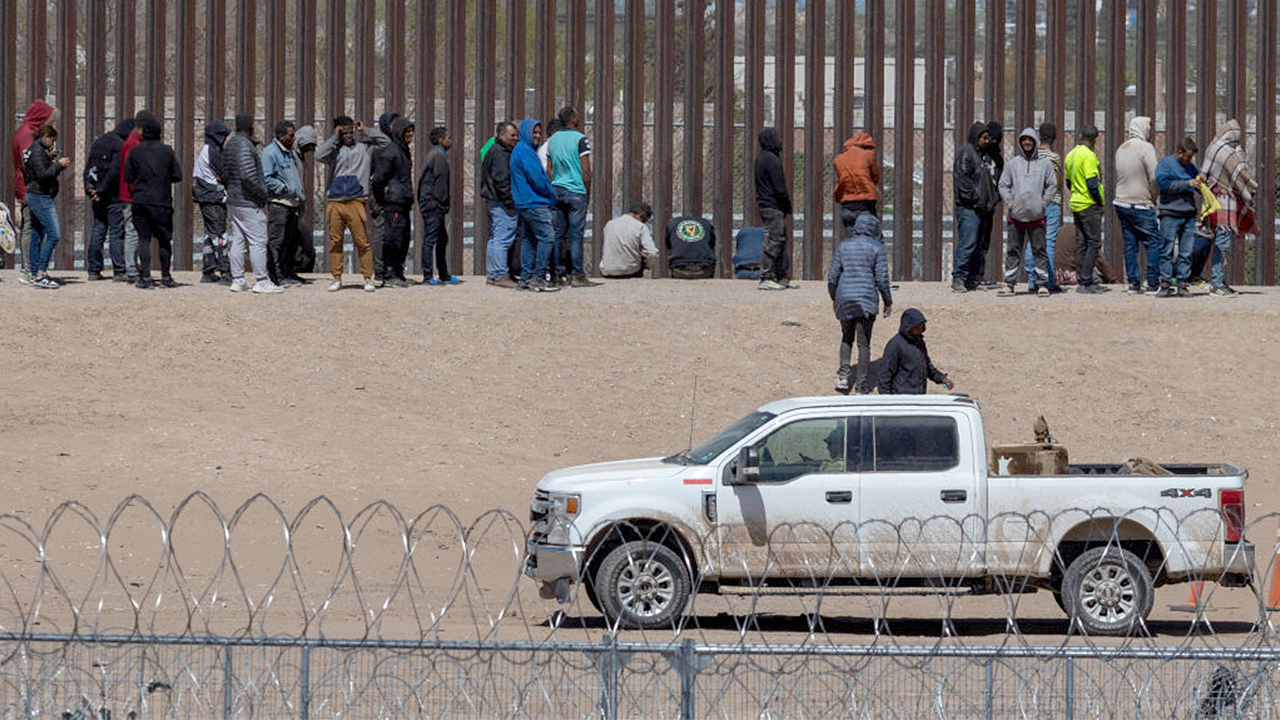
The backstory of S.B. 4 reveals a state grappling with the human crisis at the border, where migrant crossings surged during the Biden administration. Texas lawmakers, frustrated by what they perceive as federal inaction, pushed this bill as a bold assertion of state sovereignty. Senate Bill 4 essentially turns local law enforcement into immigration enforcers, requiring them to collaborate with federal agencies like Immigration and Customs Enforcement (ICE). But critics argue it’s duplicating federal efforts without federal expertise, leading to chaos and inequities. Picture a lone Border Patrol agent or a Texas sheriff’s deputy—trained for drug busts or neighborhood disputes—now deciding the fate of someone fleeing violence in their home country. The appeals court decision last week lifted a lower court injunction that had blocked the law since early 2024, clearing the path for its enforcement starting May 15. That ruling hinged on the plaintiffs lacking standing to sue, a legal technicality that dodged the bigger question of constitutionality. Now, with the new lawsuit in play, the clock is ticking. Experts warn that S.B. 4 could strain already overburdened police forces and courts, diverting attention from genuine crimes. For immigrants, it means heightened fear: a routine traffic stop could spiral into deportation proceedings if an officer suspects undocumented entry. Families with mixed statuses—for instance, a father who arrived years ago now legally married to a citizen spouse—fear the ripple effects, where one member’s past crossing could upend the whole household. Human rights workers on the ground describe scenes of anxiety in migrant-support centers, where people share stories of relatives arrested under rumors of similar laws. This isn’t abstract politics; it’s the daily reality for neighbors who contribute to Texas’s economy through jobs in farming, construction, and hospitality. The ACLU’s Cody Wofsy points out that no state has successfully claimed this immigration power before, and courts have consistently ruled against it. Yet, advocates like Adriana Piñon from the ACLU of Texas remind us: “Immigration enforcement is the federal government’s job,” ensuring fair, consistent processes rather than patchwork state whims.
At its core, this legal battle humanizes the struggles of migration by spotlighting stories from those affected. Take Maria, a farmworker in the Rio Grande Valley, who has lived in Texas for over a decade after fleeing cartel threats in Mexico. She pays taxes, sends her kids to American schools, and votes in local elections as a resident. Under S.B. 4, if she’s caught up in a routine check, a judge could order her deportation without a federal process, ignoring her deep ties to the community. This law doesn’t just criminalize crossings; it retroactively penalizes people who’ve rebuilt their lives legally. Critics say it’s punitive, not preventive, potentially driving migrants underground and increasing exploitation by human traffickers. Meanwhile, pro-S.B. 4 voices argue it’s a necessary tool for border security, responding to record-high crossings where families were released into the U.S. by federal policies. They see it as complimenting federal efforts, with sheriffs gaining tools to deter crossings before migrants reach deeper into the state. But the human cost looms large: asylum seekers, who must navigate bureaucratic mazes under international law, could be denied due process if state magistrates push prosecution forward regardless of pending federal claims. Imagine a young man from Honduras, persecuted for his activism—who’s been waiting months for an asylum hearing—suddenly facing state jail time for “failing” a magistrate’s order. Groups like the Texas Civil Rights Project highlight the “wrath” this brings to communities, where trust in police erodes among immigrant populations that already face bias. Legal precedents abound: similar laws in Arizona and Alabama have been struck down for overstepping federal supremacy, as immigration is listed in the Constitution as a federal domain. Advocates draw parallels to historical injustices, like poll taxes or redlining, where states once disenfranchised minorities. Here, S.B. 4 risks creating a new caste of second-class residents, deepening rifts in diverse Texas towns. As the lawsuit unfolds, supporters rally for dignity, arguing that resources should fund integration programs, not divisive enforcement.
The Trump administration’s reversal adds another layer of complexity to this saga. Initially, the Biden DOJ challenged S.B. 4 in 2024, seeking to block it as preempted by federal law. But last year, as part of its mass deportation agenda, the Trump team dropped the federal suit, effectively green-lighting the state law’s advancement. This shift underscores the political pendulum swinging on immigration, from humane reform to tough enforcement. For migrants, it’s a reminder of the instability: policies flip with elections, leaving lives in limbo. The new lawsuit builds on previous challenges by the same civil rights groups, mirroring fiercely contested cases where they’ve succeeded in halting similar legislation. Quotes from advocates underscore the emotional toll: Kumar calls it “not just unconstitutional, but vile,” reflecting the community fury against using state power to harm neighbors. Piñon warns of transforming police into “immigration agents,” threatening those with years-long roots—raising questions about how officers will vet suspicions without reliable data. This humanizes the debate: law enforcement, often ambassadors in multicultural communities, now face moral dilemmas, trained to protect and serve yet torn between duty and discretion. Economically, Texas benefits immensely from immigrant labor—think the state’s booming tech and energy sectors. Famously, former President Trump hailed “Operation Lone Star,” which inspired S.B. 4, but critics note it hasn’t stemmed crossings; instead, it’s fostered endless litigation. The law’s rollout, set for May 15, could clash with federal priorities, creating jurisdictional headaches. Advocates hope this latest challenge will definitively end the cycle, protecting asylum seekers and legal residents alike from being scapegoated in a polarized climate. Stories from the border—tearful farewells at detention centers, joyful reunions after years apart—amplify the need for compassion over punishment.
Yet, the fight continues, with voices like Wofsy proclaiming every merit-based court ruling has found such laws unconstitutional. This isn’t a numbers game; it’s about preserving the American promise of refuge for the persecuted. Communities in Texas, from El Paso to McAllen, are mobilizing, hosting town halls and vigils where immigrants share how S.B. 4 feels like an existential threat. A nurse from Venezuela recounts saving lives at a local hospital, now fearing arrest if questioned about her path to residency. Such narratives reveal the law’s broader impact on mental health and social cohesion, where fear deters reporting crimes or seeking medical aid. On the flip side, supporters view S.B. 4 as empowering states to act where Washington falters, aligning with calls for stricter borders amid humanitarian crises like unaccompanied minors arriving. But the lawsuit counters this by demanding adherence to federal frameworks, ensuring protections like due process and judicial review. Attorneys General like Ken Paxton, who champions the law, remain confident, but the silence from his office amid this challenge speaks volumes about the uphill battle. As courts deliberate, the human element persists—activism fueled by personal stakes. Kumar’s determination echoes the Civil Rights Movement’s legacy, where tireless efforts overturned unjust laws. In Texas’s warmth-loving culture, this feels akin to defending against a storm threatening to wash away community foundations. Ultimately, the outcome could define generations, balancing border security with the empathy that makes America a beacon for hopeful migrants.
Looking ahead, this lawsuit is a pivotal moment in the ongoing saga of U.S. immigration reform. If successful, it could set a precedent shielding immigrants from state overreach, fostering unity rather than division. But win or lose, it amplifies voices often silenced—those of resilient families eking out dreams amid adversity. Picture the relief if S.B. 4 is struck down: border towns breathing easier, knowing police won’t double as ICE agents. Conversely, enforcement might escalate human tragedy, with deportations tearing apart families who’ve invested in the American fabric. The ACLU and allies won’t relent, promising to “keep fighting” until the law falls. In our diverse society, stories like these remind us that immigration isn’t a problem to solve—it’s a tapestry of human journeys deserving respect and fair handling. As May 15 approaches, millions tune into Fox News and beyond, listening not just for facts but for the humanity beneath them: a mother shielding her child, a worker building a future, a community standing together. This isn’t merely about borders; it’s about the heart of who we are—a nation that, at its best, welcomes the weary with open arms, ensuring justice for all. The legal tides may shift, but the quest for dignity endures, one lawsuit, one story at a time.