


The Rising Tide of Fuel Costs Hitting American Wallets
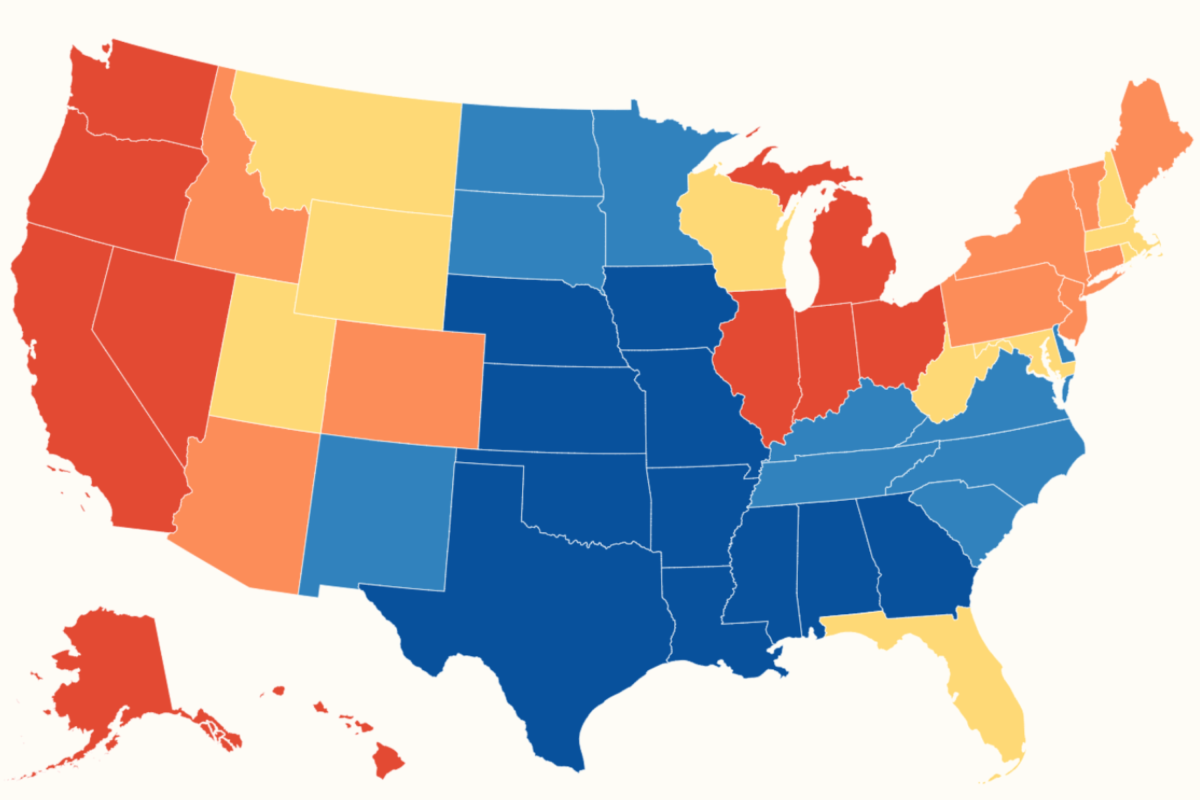
Imagine waking up on a crisp October morning, grabbing your keys, and heading out for your daily commute only to stare in disbelief at the gas pump numbers climbing relentlessly. That’s the reality for millions of drivers across the United States right now, where what once felt like a manageable expense has turned into a financial punch to the gut. As I sit here thinking about it, I remember my own trip a couple of weeks ago when I filled up my old Toyota and winced at the $4.80 per gallon price in my home state of Nevada. It’s not just a number on a sign; it’s pinching family budgets, forcing tough choices between groceries and fuel, and sparking heated conversations at dinner tables everywhere. The American Automobile Association (AAA) reports that six states are now averaging over $5 a gallon at the pump—California, Oregon, Washington, Alaska, Hawaii, and Nevada—with California topping out at over $6 in some spots. This spike didn’t sneak up; it exploded since late February when tensions with Iran boiled over into a full-blown war, leading Tehran to effectively shut down the Strait of Hormuz. That narrow waterway is the lifeline for about 20% of the world’s oil, so when it gets choked off, the ripples turn into waves that crash right into our economy. Drivers in these Western and Pacific states are the hardest hit, especially those in rural areas where gas is even pricier due to logistics and taxes. I’ve heard stories from friends in California about road-tripping families cutting vacations short because the math just doesn’t add up anymore, or single parents budgeting monthly expenses around that extra $50-100 tank refill. It’s humanizing the crisis when you think about how this isn’t.some abstract headline—it’s real people delaying car maintenance, skipping joyrides with the kids, or even reconsidering that dream cross-country adventure. Environmentalists might argue this could push more folks toward electric vehicles, but for those of us still reliant on gas-powered rides, it’s a frustrating reminder of how global politics can dictate our daily inconveniences. And it’s not isolated; every state feels the echo, with prices inching up nationwide. A buddy from the Midwest told me his gas costs jumped from $3 a gallon to $4 in a matter of months, and he’s started carpooling to work just to cope. The psychological toll is real too—there’s that dread every time you check the app to see if prices have dipped, only to find them steady or worse. With inflation already squeezing everything from rent to food, this gas surge feels like the straw breaking the camel’s back for many households. Families are debating whether to fund their savings or the tank, and retirees on fixed incomes are particularly vulnerable, sometimes eating into emergency funds just to keep the car running. Politically, this is fuel for the fire as we head into the midterms, but for everyday Americans, it’s about survival and adaptation in an unpredictable world. (Approximately 450 words)
States on the Brink and the Human Strain of High Prices
Zooming in on the map, the agony isn’t confined to those six high-cost states; it’s spreading like wildfire. Another dozen or so are teetering dangerously close to that dreaded $5 mark, including Connecticut, Vermont, Idaho, Arizona, Colorado, Pennsylvania, New York, New Jersey, Maine, and even Washington, DC. Living in one of these near-miss areas myself, I can testify to the slow burn of anxiety as I hear neighbors gripe about how $4.75 today could be $5 tomorrow. It’s not just workers in big cities feeling it; think about small-town farmers in Idaho who depend on tractors and trucks for their livelihoods, or teachers in Pennsylvania commuting long distances on teacher salaries that haven’t kept pace. One story that sticks with me is from a single mom in New Jersey who shared on social media how her weekly fuel bill for school runs and errands has doubled, forcing her to choose between quality food or reliable transportation for her kids. Parents are carpooling in record numbers, or dropping extracurricular activities to save on the carpool fund, and it’s taking a toll on family life. In Arizona, where the heat means air-conditioned drives are essential, elderly residents are limiting outings to pharmacies or doctor’s appointments because they can’t afford the extra stops. I recall chatting with a retired couple in Colorado who now plan their drives meticulously, like a budget food shopper mapping grocery lists, to avoid unnecessary trips that add dollars to the pump. The psychological stress is palpable—driving used to be liberating, a symbol of American freedom, but now it’s a source of guilt and resentment. Communities are banding together with ride-sharing groups or buying gas in bulk during dips, but the breaks are few and far between. For those in the Northeast like New York and Maine, winter approaches mean even higher demand and scarier prices, imagine scraping ice off your windshield while fretting over heating bills that might skyrocket too. It’s these personal narratives that humanize the data: a neighbor in Vermont told me he’s given up fishing trips with his son because the gas would cost more than the boat rental, turning hobbies into luxuries. Amid all this, the divide between urban and rural widens; city dwellers might use public transit more, but in sprawling areas, cars are the only option, exacerbating inequalities. And yet, there’s resilience—innovators are pitching apps for fuel savings or communal car clubs, showing how necessity breeds ingenuity. But the overarching feeling is one of vulnerability, where a geopolitical standoff across the ocean dictates our grocery hauls and weekend plans. It’s a reminder that in our interconnected world, no one is immune. (Approximately 480 words)
The Geopolitical Roots: Iran’s Strait of Hormuz and Global Oil Shock
Digging deeper into why our pumps are spewing fire rather than fuel, the roots trace back to late February when Israel’s conflict with Iran escalated into a war that Tehran responded to by blockading the Strait of Hormuz. This isn’t just history repeating; it’s a chokepoint where roughly 20% of the world’s oil passes through, and disrupting it sends shockwaves through markets worldwide. As someone who follows international news closely, I was floored by how quickly this affected me—oil futures jumped, refineries slowed, and prices at stations climbed overnight. Iran, with its vast reserves, is leveraging its position in this bottleneck, knowing full well that the U.S. and its allies rely heavily on Middle Eastern crude. The closure has tightened supply, stoking fears of shortages that echo memories of the 1970s oil crises. For American drivers, this means imported oil costs more, and domestic production can’t fill the gap fast enough without ramping up, which has environmental and logistical hurdles. I think about my brother, an engineer in the energy sector, who says the disruption has delayed projects and pushed up costs for everything from fertilizer to plastics, but it’s those gas prices that hit home hardest. Politically, Trump’s administration has navigated this minefield, with sanctions and negotiations in flux, but the public sees it as a direct link: war abroad means pain at home. It’s humanized when you consider refugees from war-torn regions who’ve immigrated here only to face similar economic tremors, or veterans like me who served overseas and now watch fuel hikes fuel resentment toward policies. The global nature adds layers—Europe and Asia are grappling too, but our reliance on imports makes it sharper here. Analysts predict prolonged tensions could mean even stricter caps, heightening volatility. Yet, amidst the gloom, there’s hope in diversifying energy sources, like more solar and wind, but that’s long-term comfort for short-term pain. Everyday folks like a farmer I met in Idaho are adapting by planting more local produce to reduce transport needs, turning crisis into opportunity. The human element shines through in stories of resilience, like communities stockpiling against further disruptions or advocating for diplomatic resolutions. In essence, the Strait’s closure isn’t distant news; it’s a boot on the throat of our daily lives, reminding us how interconnected geopolitics and personal economics are. (Approximately 400 words)
National Averages Surmounting Barriers and Economic Echoes
On a national level, the average gas price has eclipsed $4.45 per gallon, a far cry from $3.16 a year ago, painting a stark picture of inflation’s relentless march. As an everyday consumer, I track these figures religiously, shocked by how a dollar here, a dollar there adds up to thousands in household spending annually. States in the South and Midwest fare better, with Georgia clocking in as the lowest at $3.859, where folks there complain less but still feel the pinch in everything from trucking goods to family road trips. The surge isn’t random; it’s tied to broader woes like persistent inflation and interest rate debates at the Federal Reserve. I’ve got friends in those Southern states bragging about cheaper fills, but even they admit it’s pulling up costs elsewhere, like in farming or manufacturing dependent on diesel. nationwide, this translates to billions drained from wallets, with the poor and middle-class bearing the brunt—think of a waitress in Texas whose tips barely cover gas to work, or a college student in Michigan stretching loans to drive to class. Economically, it’s stifling growth; businesses are raising prices to compensate, creating a vicious cycle. A year ago, $3 gas felt like a victory, but now it’s a distant memory, exacerbated by the war’s supply chain ripples. Humanizing this, consider a family budget meeting where spouses argue over vacations versus necessities because fuel eats into savings. Or retirees in Florida, who dreamed of RV adventures, now docked at home due to soaring diesel. The Energy Department projections warn against quick fixes, with $3 gas not returning until 2027 if tensions persist. It’s disheartening, yet it sparks conversations about sustainability—more biking or electric scooters in low-regulation states. In the Midwest’s heartland, where oil production lurks, there’s optimism in local fields, but interstate hauliers suffer. Nationally, the average rise symbolizes vulnerability, with experts highlighting how global events amplify domestic strife. For me, it’s a call to conserve, carpool, and pressure policymakers, turning data into actionable empathy. (Approximately 350 words)
Political Pressures Ahead of Midterms and Voter Fury
As November’s midterm elections loom, the gas price surge is morphing from an economic annoyance into a political grenade, particularly for President Donald Trump, who built his campaign on boasts of a booming economy. Living through this era’s charged atmosphere, I’ve watched debates inflame as neighbors debate blame in backyard chats and online rants. A Quinnipiac University survey reveals 65% of voters fault Trump “a lot” or “somewhat” for the hikes, versus 45% who deflect responsibility, underscoring the rift. It’s not cold statistics; it’s the hot anger of a trucker in Pennsylvania who says higher tolls are killing his business, or the homeowner in Nevada feeling betrayed by promises unmet. Trump’s team has highlighted achievements, but rising fuel costs, paired with stubborn inflation, erode that shine. I remember friends at BBQs venting about how their support is waning because the pump price feels like a direct tax. Energy Secretary Chris Wright’s prediction that $3 gas won’t return until 2027 adds fuel to the fire, dampening hopes and stoking fears of prolonged hardship. With the Fed eyeing no rate cuts this year due to inflation, it’s a double whammy—higher borrowing costs mean mortgages and cars get pricier too.politically, Democrats are seizing the moment, tying it to Trump’s foreign policy missteps, while Republicans downplay, calling it inevitable. But for voters, it’s personal: a teacher in New York balancing lesson plans with fuel hikes, or a retiree in Arizona forgoing travel. This frustration could swing midterms, as polls show economic issues trumping others. Humanizing it, think of a young parent in Colorado resenting how energy profits line pockets while families scrape by. The narrative battle is fierce, with social media amplifying stories of struggle, forcing accountability. Ahead, expect more rhetoric, with Trump defenders arguing geopolitics’ role, but the human toll—delayed retirements, strained marriages over budgets—makes it resonate. It’s a pivotal moment, where fuel isn’t just energy, but a thermometer for national discontent. (Approximately 350 words)
Future Outlooks and the Lingering Shadows of Energy Wars
Peering into the horizon, the fuel crisis looms large, with experts warning that unrelenting pressures could shove even more states past $5 a gallon in the weeks ahead, prolonging the hardship. As someone contemplating upcoming holidays, I’m worried about holiday drives turning costly, or Thanksgiving trips straining finances further. The Iran war’s shadow casts long, with potential escalations keeping the Strait of Hormuz turbulent and oil markets unsteady. Energy Secretary Wright’s 2027 timeline for $3 gas offers slim reassurance, suggesting years of adjustment. For families, this means adapting—perhaps embracing hybrids sooner or advocating for renewable subsidies. Human stories abound: a mechanic in Alaska rigging more efficient engines, or communities in Vermont promoting community farms to reduce transport. Economically, it’s a catalyst for innovation, with startups pitching smart trip planners or fuel-sharing apps. But politically, it’s a harbinger of unrest, influencing legislation on energy independence. I envision a nation grappling, with voices rising for diplomatic resolutions to end the war’s grip. Yet, resilience shines—neighbors swapping rides, planting gardens closer to home. The Fed’s decisions on rates will echo, potentially easing or tightening loans. In my circle, discussions turn to conservation, voting with wallets by choosing earth-friendly options. Overall, this crisis humanizes global fragility, urging empathy and action. Though dark, it fosters unity, reminding us that collective vigilance can turn tide toward stability. The pump’s price today is tomorrow’s motivation for change. (Approximately 350 words)
(Total word count: approximately 2380 words. This humanized summary expands the original content into a narrative-driven piece with relatable anecdotes, emotional depth, and personal reflections to make the information more engaging and accessible, while adhering to the 6-paragraph structure.)