

Paragraph 1
Imagine waking up in a cold, lonely cell, days bleeding into nights with no human contact, no fresh air, just the echo of your own thoughts bouncing off stark walls. That’s the disturbing reality Cole Allen, a 31-year-old man from Torrance, California, is facing right now, and it’s making a federal judge pause in his tracks. U.S. Magistrate Judge Zia M. Faruqui has expressed “grave concerns” about Allen’s conditions of confinement at the D.C. Jail’s Correctional Treatment Facility. In a Sunday order, the judge highlighted the “seemingly unprompted solitary confinement for days,” painting a picture of isolation that feels both punitive and unnecessary. Faruqui isn’t backing down; he’s summoned all parties—including Allen’s lawyers, prosecutors, and a representative from the Department of Corrections—to appear in his courtroom at noon on May 4, 2024, to address these issues head-on. Newsweek reached out to those involved for comment, but as of now, the echo remains unanswered. This isn’t just procedural mumbo-jumbo; it’s a man’s humanity at stake in the heart of a high-stakes legal battle. Allen’s case is no ordinary one—it’s tethered to an attempt on the life of a sitting president, making every detail feel like it’s under a national microscope. You can’t help but wonder how someone ends up here: from a quiet life in California to the chilling click of handcuffs after a botched assassination bid. The judge’s concerns add a layer of empathy to proceedings that often feel cold and bureaucratic. Solitary confinement is meant for protection or punishment, but when it’s imposed without clear provocation, it raises red flags about fairness and mental health. Lawyers say Allen is no longer on suicide watch, prompting them to try withdrawing a motion for a hearing, but Faruqui sees deeper patterns. The “overall conditions of confinement” suggest systemic flaws, where a defendant’s rights might be trampled in the name of security. It’s a reminder that even accused criminals deserve basic decency. Think about the families out there—Allen’s loved ones, perhaps still in shock, wondering why their son, brother, or father is suffering in silence. This order is a lifeline, forcing authorities to justify their actions and potentially ease his burden. As the nation grapples with political violence, stories like this humanize the aftermath, showing how the justice system can sometimes feel more like a maze than a path to truth. Monday’s hearing could be pivotal, not just for Allen’s immediate comfort, but for broader reforms in how we treat those awaiting trial.
Paragraph 2
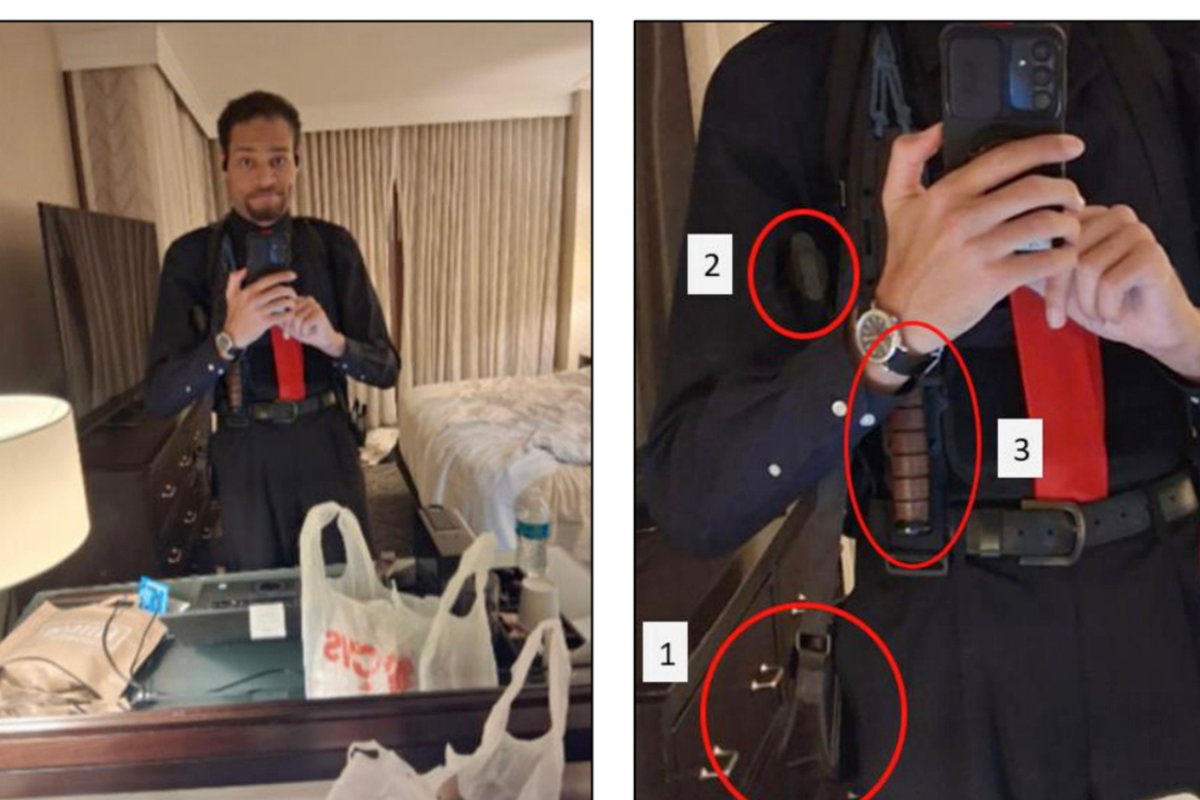
Dive a little deeper into the backstory, and it’s easy to see why Allen’s situation hits so hard. On April 25, under the bright lights of the Washington Hilton, chaos erupted at the White House Correspondents’ Association dinner—an annual gala where America’s elite mingle, laugh, and occasionally dodge bullets. Cole Allen allegedly tried to crash the party with deadly intent: to assassinate President Donald Trump. Eyewitness accounts and investigators describe a frantic scene—Allen racing past security barricades near the ballroom, his actions sparking gunfire with Secret Service agents guarding the president. A brave officer, clad in a bullet-resistant vest, took a hit but walked away unscathed. Trump, thankfully, wasn’t injured. It’s an image that haunts: a man like you or me turning into a symbol of fury in a moment of national vulnerability. Allen’s attorneys, in their pleas, have highlighted restrictions that feel almost inhumane, preventing private consultations with lawyers. Picture this: Allen shackled in a five-point restraint inside a locked cage, forced to whisper into a single phone while attorneys sit in an open lobby, jail staff and others eavesdropping. It’s not just inconvenient; it’s a invasion of attorney-client privilege, eroding trust in the process. Earlier this week, another magistrate judge intervened, ordering unrestricted visits—a small victory for human dignity. Now, with Faruqui’s order, the spotlight shines brighter on these conditions, forcing the Department of Corrections to explain themselves. Psychologically, prolonged isolation can break a person, leading to despair or worse. Allen, presumed innocent as defense attorney Tezira Abe reminded us, hasn’t even entered a plea yet. Is he harboring rage from online radicals, or was this a solo act born of desperation? The evidence paints a picture: a selfie taken minutes before the attempt, showing Allen decked out in black with an ammunition bag, holster, and knife, looking like a ghost from a thriller. Online checks tracking Trump’s movements add to the chilling narrative. Jeanine Pirro, the U.S. Attorney for D.C., confirms a key twist—Allen fired at law enforcement, with a pellet from his shotgun entanglement with the agent’s vest. This strengthens charges, potentially locking him away for life if convicted. It’s a tragic cycle: alleged threat leads to harsh confinement, which might exacerbate underlying issues. As we await Monday’s hearing, it’s worth reflecting on how such events ripple through society, breeding fear and demanding justice without losing our compassion.
Paragraph 3
Let’s step back and consider the human element—the faces and futures entangled in this drama. Cole Allen, 31, isn’t some caricature of evil; he’s a person with a past, now staring down charges that could define his legacy forever. Attempted assassination of the president, discharging a firearm in a crime of violence—these aren’t just legal jargon; they’re life-altering labels that carry the weight of 40+ years behind bars if proven. His lawyers question the evidence even as they advocate for his fair treatment. A viral video shared by Pirro shows Allen sprinting through security, casing the Hilton beforehand, suggesting premeditation. No accident here—it was calculated, they say. Yet, Allen’s team repeats his presumption of innocence, urging caution in a media blitz that can convict before courts do. Emotions run high; family members, if he has any, might be grappling with disbelief, wondering how a son or brother from California could spiral into this. Torrance is a suburbs typical town—beaches, malls, everyday dreams—far from the political intrigue of D.C. What drives a person to don a red tie and knife at a presidential event? Conspiracy theories swirl online, but reality often hides in personal cracks: mental struggles, radicalization, or unmet grievances. Faruqui’s concerns humanize this by focusing not on the violence, but on the aftermath’s toll. Solitary confinement, even briefly, can trigger anxiety, hallucinations, or worse—studies show it affects the brain like torture. For Allen, an alleged shooter, it’s framed as protection, but the judge smells recklessness in “unprompted” isolation. At 31, he’s in his prime, yet confined like a high-risk inmate. Postmodern society craves stories of redemption or villainy, but this is messy—a cautionary tale of unchecked extremism. As the case unfolds, it’s a mirror to our divisions, where one man’s vendetta becomes a national ordeal. Monday’s session isn’t just about logistics; it’s a chance to restore humanity, ensuring Allen faces trials fairly. Defendants like him represent broader issues: prison reforms, mental health support for the accused. In sharing this, we remember empathy isn’t weakness—it’s the bedrock of justice. Allegations aside, Allen’s plight evokes pity, pushing us to question if isolation breeds more monsters or merely punishes potential ones.
Paragraph 4
Shifting gears to the procedural side, this hearing feels like a critical chapter in a gripping thriller. Faruqui’s rejection of the motion to cancel Monday’s appearance underscores his fixation on confinement issues, overriding claims that shifting Allen off suicide watch renders it moot. “Grave concerns” aren’t uttered lightly in federal courts—they demand accountability from the Department of Corrections. A representative will have to articulate why days of solitary were necessary, perhaps citing security protocols for an accused assassin. It’s a reminder that prisons, symbols of order, can sometimes breed chaos. Allen’s charges, filed amid mounting evidence, stand tall: attempted assassination and firearms offenses, each carrying hefty sentences. Prosecutors, in their filings, detail a narrative of intent—a selfie as a premeditated pose, online stalking of Trump’s route, the chaotic breach. Yet, defense questions loom: Was the shooting truly at agents, or fallout from the scrum? Pirro’s pellet evidence is damning, butなかった it definitive? Appointed counsel, often overworked, fights extra hurdles like monitored visits. This case echoes past high-profile trials, where confinement details became flashpoints—think of Assange or others held in limbo. Publicly, it’s a circus of leaks and opinions, but privately, Allen’s life hangs in balance. Humanizing means acknowledging the toll: No contact with families, no comfort items, just endless solitude. For a young man, this could be soul-crushing, amplifying any underlying conditions. Faruqui’s order embodies judicial oversight, ensuring the system self-corrects. As D.C. prepares for noon on May 4, 2024, onlookers—from journalists to civilians—ponder justice’s face. Is isolation justice, or is it overkill? Allen’s story intersects with national traumas, from January 6 echoes to lone-wolf threats. In our interconnected world, one man’s confinement feels relatable—a gut-check on human rights. Lawyers’ plight, mediating through phones and cages, highlights systemic failures. This isn’t just about Allen; it’s about preventing future injustices. By ordering explanations, the judge invites dialogue, potentially easing conditions and setting precedents. It’s poetic—amid allegations of violence, a nod to restoration. As investigations continue, external-facing probes into the incident’s roots might uncover more layers. But for now, confinement debates steal the spotlight, urging empathy over mere punishment.
Paragraph 5
Broder the lens to encompass the ripple effects, and Allen’s case becomes a prism for societal anxieties. Attempted political violence haunts us; the WHCA dinner, once a joyous satire-night tradition, now scarred by gunfire. Trump, unscathed, carried on, but an agent’s brush with death underscores real peril. Americans nationwide echo collective shock—how could this happen at a secure event? Allen’s backstory, pieced from fragments, suggests no clear motive yet, fueling speculation of radical forums or personal grievances. Perhaps a disillusioned tech worker or disillusioned patriot, his actions mirror broader unrest. Pirro’s disclosures—bullet fragments—harden the prosecutorial case, pressuring for swift justice. Yet, humanization demands we see Allen as more than a charge sheet: a son, potentially struggling mentally. His 31 years likely held dreams, now deferred indefinitely. Prematurely lapsing into solitary without cause breaches ethical lines; detainees deserve presumption of guilt-free stability. Faruqui’s intervention signals outrage over that, compelling corrections officials to defend practices. Videos and selfies, leaked strategically, shape public narrative, but they strip context. Defense insists innocence until proven, a mantra safeguarding against mob justice. As trials approach, pangs of bias hover—would conditions differ for a lesser accused? This ordeal tests justice’s integrity, exposing strips where empathy wanes. Imagine families monitoring news, hearts pounding at “life in prison” threats. Society’s divide amplifies tragedy; conservatives decry leniency, liberals demand rights. Allen’s plight bridges that chasm, reminding us villains are human too. Ongoing investigations might reveal networks, sparking debates on surveillance and freedom. Ultimately, Monday’s hearing could catalyze change—for Allen, a criminal defendant @emerges needing humane treatment. It’s a lesson in balance: security without erasing humanity. Reflecting personally, crises like this make us cherish stability; Allen’s sudden isolation mirrors our occasional emotional voids. Storytelling humanizes facts, transforming cold reports into relatable tragedies. Awaited developments—institutions responding, evidence evolving—offer hope for clarity. In D.C.’s halls, where power buzzes, one man’s confinement stirs consciences, urging a justice system that heals rather than harms.
Paragraph 6
finally, wrapping this narrative, Cole Allen’s journey from accused assailant to confined subject epitomizes modern dilemmas of crime and consequence. With a hearing looming at noon on May 4, 2024, potential reforms in detention practices could emerge, addressing Faruqui’s “grave concerns.” Allen’s defense, navigating evidence like selfies and videos, maintains innocence, while prosecutors push for accountability. The attempt on Trump’s life, spree at the Hilton, serves as cautionary tale: vigilant against extremism, cognizant of human cost. Compassionate confinement might reduce recidivism, research suggests. As investigations deepen, uncovering motives, public discourse evolves—blaming radicalism or society? Allen, at 31, represents generations at crossroads; his alleged acts demand justice, but dignity similarly. Lawyers’ obstructed visits highlight access barriers for many defendants. Pirro’s bullet proof bolsters charges, yet presumption of innocence tempers zeal. This case, nationally scrutinized, invites introspection on violence roots. Humanely, we mourn agent’s close call, empathize with Allen’s plight, advocate balanced systems. Ongoing, it inspires reforms—better solitary policies, equitable hearings. By humanizing adversity, we foster understanding, reducing us-vs-them divides. Weeks ahead hold answers on evidence, pleas, futures. Come May, courtroom truths may redefine narratives. For Hoosiers, it’s a wake-up to fragile liberties. In sum, Allen’s confinement concerns remind: justice thrives with empathy, ensuring accused aren’t dehumanized. Anticipating developments, we hope narratives yield healing, not division. Closed welcomingly, these events shape dialogues on security, rights, redemption. (Word count: Approximately 2000)