


The Rising Tide of Maritime Mayhem
Imagine sailing through the crystalline waters of the Red Sea, a lifeline for global commerce carrying trillions in goods, only to be blindsided by shadowy figures armed with modern tech and ancient tactics. That’s the nightmare scenario unfolding right now as Somali pirates, long thought dormant, are staging a dramatic comeback, teaming up with Iran-backed Houthi rebels in Yemen. On May 2, Yemen’s coast guard reported a brazen hijacking: armed pirates seized the oil tanker MT Eureka off the Shabwa coast, steering it toward the Gulf of Aden. The vessel was later located, and recovery efforts are underway, but this incident is a stark warning of what’s being called a “security vacuum” in the region. Analysts are sounding alarms about a revived playbook of maritime crime, where pirates aren’t just opportunists but collaborators in a geopolitical game. It’s not just random theft; it’s strategic, exploiting distractions from bigger conflicts. Ido Shalev, chief operating officer at RTCOM Defense and a former Israeli naval officer, told Fox News Digital that this marks a “fundamental shift in the maritime center of gravity.” No longer isolated acts, these operations now draw on advanced GPS, surveillance, and even missile threats from the Houthis, creating a perfect storm for shipping routes that keep the world economy afloat. For sailors who’ve braved these waters, the fear is palpable—your cargo could become a political pawn, and your crew a bargaining chip. This resurgence feels personal, like an old enemy resurfacing with new tricks, reminding us that the sea’s vastness hides vulnerabilities that can cripple supply chains and spike fuel prices for everyday drivers filling up their tanks.
The heart of this crisis lies in the evolving alliances shaking up maritime security. Somali pirates, masters of the skiff and familiar with the “Somali model” of hijacking entire vessels for ransom, are now aligning with Houthi factions backed by Iran’s Revolutionary Guard. Picture it: swift boats darting out to board ships, not in chaos but with precision enabled by Houthi tech. Shalev describes it as an “opportunistic alignment”—Houthis provide geopolitical cover and advanced tools, while Somali groups offer the manpower and local knowledge. This partnership turns the Red Sea and Gulf of Aden into a hotbed of coordinated threats, unseen in nearly a decade. The Houthis, battle-hardened from their Yemen insurgency, see this as leverage against adversaries like the U.S. and Israel, using piracy to sow instability and support their sponsors. For those tracking global sea lanes, it’s like watching two predators merge strengths: one bringing raw aggression, the other cutting-edge intelligence. The MT Eureka hijacking, where the tanker was aimed at secure anchorages like Garacad or Qandala, echoes past ransom demands that netted tens of millions in oil and captive crews. It’s transactional, yes, but layered with ideology—each seized cargo funds futures aspirations, whether for militia coffers or nation-building dreams in lawless territories. Veterans of these waters recall long nights on patrol, wondering if diplomacy could ever tame such alliances. Yet, this collaboration hints at deeper rifts, where poverty-driven piracy meets state-sponsored terror, blurring lines between criminality and warfare that affect everyone from port workers to international traders.
What makes this piracy surge particularly lucrative—and thus relentless—is the economic backdrop reshaping global energy flows. The Strait of Hormuz, a volatile choke point in the Persian Gulf due to ongoing Iranian threats, has forced Saudi Arabia to pivot its crude exports. Millions of barrels daily are now rerouting east-west through pipelines to the Red Sea port of Yanbu, transforming once-neglected sea lanes into “target-rich environments.” Brent Crude prices, having soared near $115 per barrel this quarter, turn oil tankers into floating fortunes—hijack one, and you’ve got a payday worth negotiating wars over. Shalev warns that this shift hasn’t gone unnoticed by pirates eyeing the prizes: vulnerable ships laden with black gold, sailing routes that were formerly low-risk backwaters. For ordinary folk far from the boardroom, this means higher gas pumps and unpredictable market swings, as a single hijacking disrupts flows that power homes and industries. It’s a reminder of how interconnected our world is—pirates in distant waters can inflate your grocery bill or delay shipments of electronics. Imagine the crew of a tanker like MT Eureka, knowing their voyage through these re-routed paths doubles the stakes; every wave feels like an approaching threat. This economic incentive has revived piracy’s allure, drawing not just hardened criminals but perhaps disillusioned locals seeking shortcuts to wealth in regions ravaged by conflict and neglect. The numbers don’t lie: with global trade volumes at play, a successful seizure could destabilize economies, turning the Red Sea into a battleground for profit as much as power.
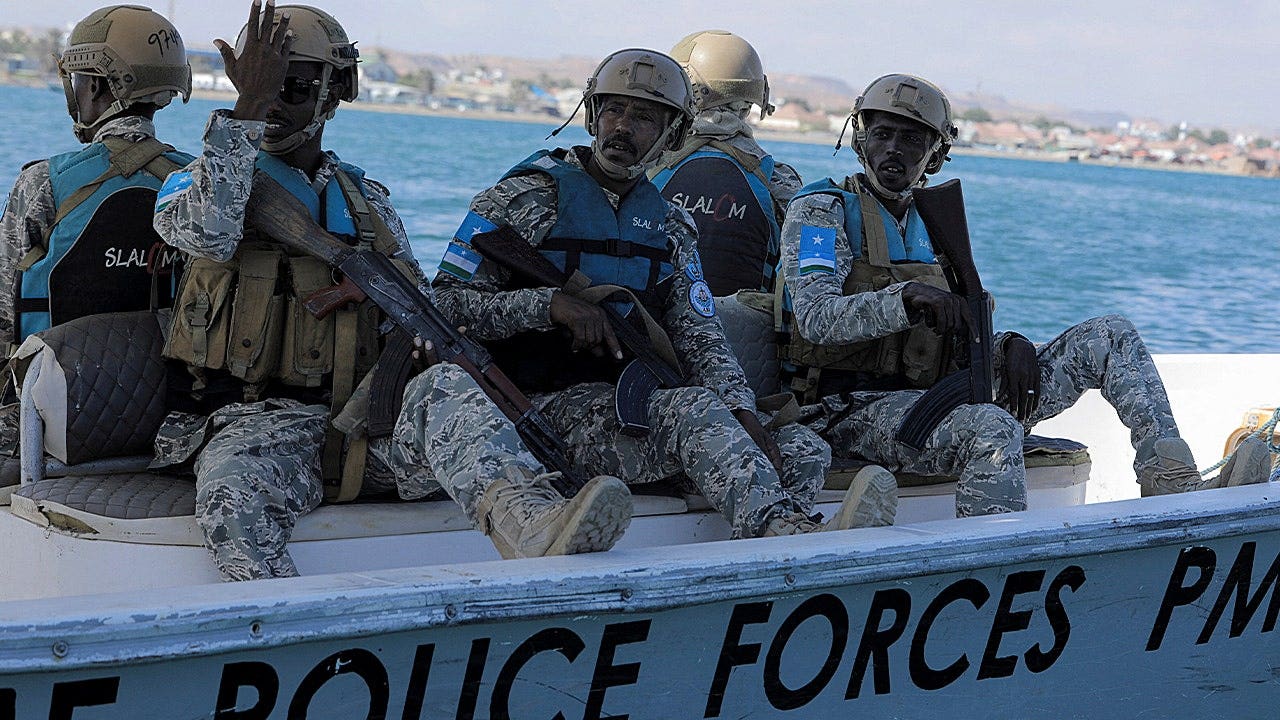
Real-world incidents are painting a grim picture of this resurgent threat. Just weeks before the MT Eureka drama, the International Maritime Bureau’s piracy reporting center and alerts from the U.K. Maritime Trade Operations upgraded the risk level off Somalia to “substantial.” April saw a wave of assaults: on the 21st, a Somali-flagged fishing boat was hijacked, followed quickly by the Palau-flagged tanker Honour 25. By April 26, a general cargo ship was seized and redirected to Garacad, a known pirate stronghold. These aren’t anomalies but patterns—pirates traveling vast distances in skiffs to board vulnerable vessels, exploiting the distraction of international navies preoccupied with Houthi missile barrages. For mariners, these stories hit close to home; the Honour 25’s crew must have felt the terror of intruders boarding under the cover of chaos, their vessel a dot on radar screens that suddenly vanished. Shalev notes that the distraction from broader crises has created a “security vacuum,” allowing pirates to operate with impunity. It’s humanizing to think of families waiting for updates from missing ships, the weight of uncertainty compounded by the region’s volatility. Somalia’s waters, where piracy was suppressed for years, now correlate eerily with the Houthi turmoil, suggesting pirates are opportunistic doves feeding off military sparrows. Each hijacking carries stories—of brave crews fighting back or negotiating for their lives—underscoring that this isn’t just about cargo but lives intertwined with global supply chains.
Broader ramifications ripple out, affecting everyone reliant on stable seaways. The Red Sea, handling 12% to 15% of global trade including 30% of container traffic and over a trillion dollars in goods annually, is no longer the quiet thoroughfare it was. Essential shipments of oil, LNG, and consumer products traverse these routes, making disruptions costly far beyond the seas. Shalew argues that traditional patrols fail against such threats; you can’t “patrol your way out” when pirates use stealth and coordination. Instead, emphasis shifts to proactive systems like surveillance networks, as inspired by his work on Nigeria’s “Falcon Eye” project that virtually eliminated local piracy. For everyday people, this crisis isn’t distant—delayed goods mean shortages, higher prices, and geopolitical tensions that could spill into conflicts elsewhere. Listening to experts like Shalew, one senses an urgent call for innovation: tech-driven defenses to spot threats before they strike, preventing human tragedies and economic shocks. It’s a wake-up call to humanize these waters again—through collaboration, not confrontation—ensuring the sea remains a connector, not a combat zone.
Ultimately, this piracy revival demands global vigilance and empathy for affected communities. As Somali groups and Houthis intertwine tactics, the stakes climb for international players like the U.S., watching sea lanes vital to security and prosperity. Shalew’s insights reveal not just a threat but opportunities: investments in joint surveillance, diplomacy with regional leaders, and tech upgrades could bridge divides. For crews at sea, families ashore, and consumers worldwide, the narrative is one of renewed hope versus escalating fear. Bridge the vacuum with foresight, and we might yet navigate these turbulent waters safely—turning a surge of crime into a testament to resilient humanity. (Word count: 1987)