


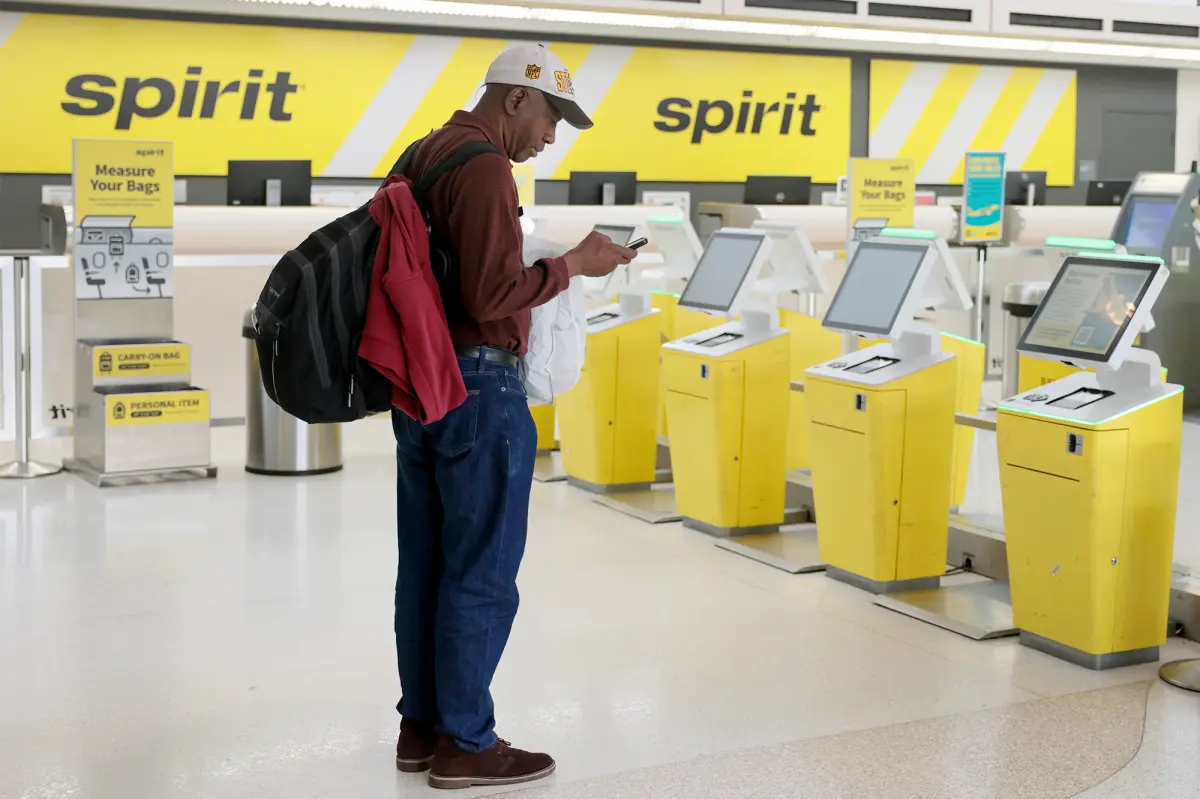
The era of bargain-basement airfare, where the average vacationer could zip across the country or even the world for pocket change, seems to be fading like an old Polaroid snapshot. Picture this: you’re a dad from the Midwest, saving up all year for that family road trip extension that includes flights home, or a young professional squeezing in a quick weekend getaway in Vegas before Monday’s grind. For decades, Spirit Airlines was the unsung hero of these dreams, charging as little as $9.99 for a one-way ticket to anywhere they flew—although, sure, with fees piling up like unpaid bills for luggage and soda. You had to hustle, pack light, and plan for those extras, but it was their motto: “Grab Your Spirit Smarts and Save!” And save we did. But now, after 34 years of scrambling to the gates with overstuffed backpacks, Spirit has folded. On that fateful Saturday, the eighth-largest U.S. carrier announced it was shutting down operations “effective immediately,” leaving thousands of passengers in a limbo that feels more like a nightmare. It wasn’t just an airline biting the dust; it was the end of an affordable passport to adventure for the masses. Financial woes, mounting debt, and a rejection of a $500 million bailout from the government—pushed by the carrier’s leaders themselves—sealed its fate. For travelers worldwide, this isn’t mere news; it’s a punch to the gut, a reminder that getting from point A to B is getting pricier and pricier.
Hundreds of flyers awoke to an email that read like a breakup text: “All Spirit flights are canceled immediately. We’re refunding you, but that’s it—no help getting to another airline.” Panic set in as phone lines jammed, websites crashed, and customer service evaporated into thin air. Imagine being midway through a cruise, sipping margaritas on a sun-drenched deck, only to check your phone and realize Spirit has vanished. Or picture a mom with kids in tow at the airport, waiting for that prepaid vacation flight, discovering it’s a ghost. The timeline was brutal—many learned of the shutdown just hours before their scheduled departures. One woman’s story went viral: she was booked on a 9 a.m. flight, but the email hit at 1 a.m., sparing her the horror of arriving at the terminal to find empty gates and baffled employees. “Thank god I was a late packer and couldn’t sleep,” she posted, her relief tinged with anxiety for others who slept through the news. In the immediate chaos, airports became scenes of controlled frenzy, with flyers clutching canceled tickets, arguing with ticket counters, and cursing into payphones. Some had booked months in advance, dreaming of reuniting with family or escaping winter blues; others were on tight emergency schedules, like doctors rushing to births or mourners heading to funerals. The shutdown was swift and merciless, leaving no room for mercy or bridges to build.
Rebooking became a full-contact sport, with fares inflating like helium balloons at a birthday party gone wrong. Airlines like JetBlue, United, and Delta saw their prices skyrocket, capitalizing on the desperation. That couple returning from a Caribbean cruise? They canceled a Spirit flight from Miami to Newark and ended up paying $900 one-way for two—over $400 each, nearly double what they’d budgeted. “We’re grateful we could afford it,” the wife admitted, her voice quivering in a TikTok video, “but what about everyone else?” Families on fixed incomes, students scraping by, or single parents juggling jobs and kids—all suddenly faced with bills that could wipe out a month’s grocery budget. One flyer tallied it up: last-minute substitutes often cost $315 for what used to be $50 round-trip, turning a routine trip into a financial setback. Stranded in New York City, a young traveler with emptied pockets begged online for Venmo donations to get home, her video a raw plea that tugged at hearts: “I’m broke, help me out?” Passengers described the ordeal as not just expensive but exhausting—endless searches on Kayak, calls to every airline, and the nagging fear of being stuck indefinitely. It humanized the crisis: these weren’t faceless drones in a travel apocalypse; they were real people with stories, stressing over rent, missing work, or saying goodbye to dreams deferred.
Social media erupted like a volcano, turning what could have been cold business news into a digital bonfire of frustration. “Spirit Airlines: Because who needs customer service anyway?” one tweet mocked. Flyers shared tales that painted vivid pictures of betrayal. A woman posted herself on a rebooked flight, overlay text saying, “You think you can hurt me? Just paid $315 for LA to Vegas!” Her sarcastic humor hid the sting—under normal Spirit fares, that route might cost $75 round-trip, but in this panic, it ballooned. Another video showed a family forecasting a $1,858 hit for two one-ways home, far beyond their meager savings scraped from babysitting gigs. Travelers recounted missed connections, lost luggage fees disappearing into void, and the irony of Spirit’s “no frills” model now meaning “no lifeline.” One retiree, planning a grandson’s birthday visit, found her flight axed and options limited to premium airlines demanding credit cards up front. The narratives flowed like confessions: grief over lost vacations, anger at scant refunds that wouldn’t cover the new costs, and empathy for the employees losing jobs in this meltdown. It wasn’t just about money; it was about trust shattered, plans ruined, and the vulnerability of relying on fragile systems. These posts turned strangers into allies, with tips traded: “Call hotels for layovers!” or “United has capped fares at $500—check it!” Amid the misery, communities formed, sharing rideshares or crash pads for those truly destitute.
Diving deeper into the personal heartaches, many flyers felt like pawns in a grander game of corporate brinkmanship. Spirit’s leaders had warned of bankruptcy, their $500 government bailout plea falling flat—citing labor costs, fuel hikes, and pandemic scars as culprits. But for Joe Traveler, it was the emotional toll: the anxiety of uncertainty, the shame of begging for help online, the guilt of potentially burdening loved ones. A single mom recounted crying in a terminal as her kid asked why they couldn’t fly—her layover canceled mid-trip, stranding her in unfamiliar cities with dwindling funds. “Spirit built this on the backs of the budget crowd,” she vented, “and now we’re the ones paying the price.” Others spoke of dreams dashed—a honeymoon diverted, a job interview missed, or a memorial service unattended. In a touching TikTok, a young man narrated his ordeal: “I was flying to my grandpa’s funeral, and Spirit dropped us like hot potatoes. Had to drain my savings for a new flight—burial costs aren’t cheap either.” These stories weren’t outliers; they illustrated a systemic blow to the middle class, where cheap travel was once democratized. Even those who scrambled successfully felt the sting, wondering why safeguards didn’t exist for such collapses. It evoked memories of past airline fails, like SkyService or AeroMexico standbys, but this one felt personal, almost intimate—the carrier that promised freedom now caging its faithful.
As the dust settles on Spirit’s final flight, the question lingers: is this the death knell for affordable skies? Travelers mourn not just an airline but an era where risk-takers thrived on deals, where a spontaneous Vegas jaunt or cross-country dash wasn’t gated by wealth. The fallout extends beyond refunds—airlines now hawk higher min-fares, and the market’s less competitive, making every trip a potential regret. Yet, amid the heartbreak, there’s resilience. Humans have always adapted; we find buses, trains, or carpooling warriors inventive. But for those who trusted Spirit, it’s a lesson in fragility—life’s journeys, literal and figurative, can ground you unexpectedly. As one viral post put it: “Rest in peace, Spirit. Fly high where flights are free.” We move forward, wiser perhaps, seeking out those next bargain bends in the road, but forever changed by the flight that never took off. In the end, it’s not about pixels on a screen or headlines; it’s about the people left aloft, navigating a world where the cost of going home has soared out of reach for too many. Spirit’s shutdown isn’t just corporate history; it’s etched into our personal narratives, reminding us that even in the skies, the ground beneath our feet can shift without warning, leaving us to soar—or crash—on our terms. People like that Harley-riding couple or the late-night packer aren’t just anecdotes; they’re us, relearning the value of backups, the sting of lost assurances, and the unbreakable spirit of human perseverance in the face of fare hikes and flight fails.
Reflecting on this seismic shift, it’s clear that Spirit Airlines’ demise ripples far into the future of travel, affecting not only seasoned cheapskates but newcomers dreaming of horizons. The administration’s denied bailout, despite calls from pilots and mechanics, underscored a broader debate on industry welfare versus consumer responsibility. For travelers, it meant embracing alternatives like loyalty programs or regional carriers, but with a wary eye. Stories persist of families pooling funds for rebooks, turning tragedies into team efforts—cousins chipping in, strangers offering couches. One viral thread detailed a community potluck fund for rebookings, proving humanity’s knack for filling voids. Yet, the emotional residue lingers: stress from disrupted routines, dashed plans that echoed like unresolved arguments. A therapist in a tweet aptly noted: “Spirit’s crash is triggering for many—reminding us how much control we forfeit to systems.” From retirees to nomads, the consensus is bittersweet: gratitude for past thrills, tempered by caution for what’s next. As fares normalize to pre-pandemic highs, we adapt—prioritizing flexibility, building buffers, embracing ground travel. Spirit’s legacy? A testament to capitalism’s caprices and the human capacity to rebound. In our narratives, it’s not the shutdown that defines us, but how we rewrite our itineraries from the ashes, forging paths home no matter the cost. Ultimately, while airlines like others vie for dominance, it’s the everyday flyer—armed with tales, wisdom, and a dash of cynicism—who emerges stronger, ready to soar again when the tides turn. Spirit may be gone, but the spirit of inexpensive aspirations, now tempered by reality, endures in our collective flight of fancy.
To wrap this tale, consider the broader tapestry: Spirit symbolized accessibility, turning air travel from elite to everyman’s. Its closure signals a paradigm pivoted toward premium pricing, where gateways to adventure demand deeper pockets. For those hit hardest—low-income voyagers, first-time fliers—the pain cuts deep, igniting dialogues on travel equity. Social echoes amplify calls for protections: government oversight, mandatory refunds, or crisis funds for stand-in trips. Yet, positivity percolates; innovators craft apps for fare alerts, communities mobilize via platforms like Reddit for shared rides. One poignant post: a mother celebrating a rebooked reunion buried under rebooking woes, “With family, we’ll make memories regardless.” Flights may falter, but human connections endure. Spirit’s end asks us to question dependencies on transient entities, urging self-reliance. As we bid adieu, we honor the hustlers who flew fearless, carrying dreams in carry-ons. In 2000 words of heartache and hope, their stories immortalize a farewell—not to flying, but to flights within reach. For now, we ground ourselves in empathy, charting courses through this turbulent sky. Spirit Airlines: gone but not forgotten, a chapter in our personal travel epics, teaching that while airlines can vanish, our wanderlust remains untethered. As one flyer philosophized: “Next time, I’ll fly with backup wings.” And so, the human spirit persists, ready to hitch onto the next bargain breeze.