


The Shadowy Dance of Sanctions-Busters at Sea
Imagine the open ocean, a vast expanse of blue where nations clash not with armies, but with clever deceptions and electronic smokescreens. Right now, in the turbulent waters near Iran, a high-stakes game of hide-and-seek is unfolding between U.S. sanctions enforcers and oil smugglers who refuse to play by the rules. President Donald Trump’s administration has ramped up pressure on Tehran by imposing a naval blockade on its ports, cutting off much of the country’s oil lifeline to force concessions on its nuclear program. But just as the U.S. tightens the squeeze, smart operators—those sanctioned tankers from the so-called “dark fleet”—are fighting back with digital wizardry, spoofing their locations to dodge scrutiny. Maritime intelligence firm Windward AI has blown the whistle on this, revealing how these vessels are falsifying their Automatic Identification System (AIS) signals to appear anchored off Iraq while secretly slipping into Iranian harbors for loads of crude. It’s like a modern-day pirate tale, where the pirates aren’t swinging cutlasses but hacking code to cloak their illicit voyages. This isn’t just about oil; it’s a geopolitical chess match where technology meets tenacity, and the prize is hundreds of millions in black-market profits. As sanctions bite harder, these tanker captains are turning their ships into digital ghosts, hopping across borders in plain sight yet invisible underneath the radar.
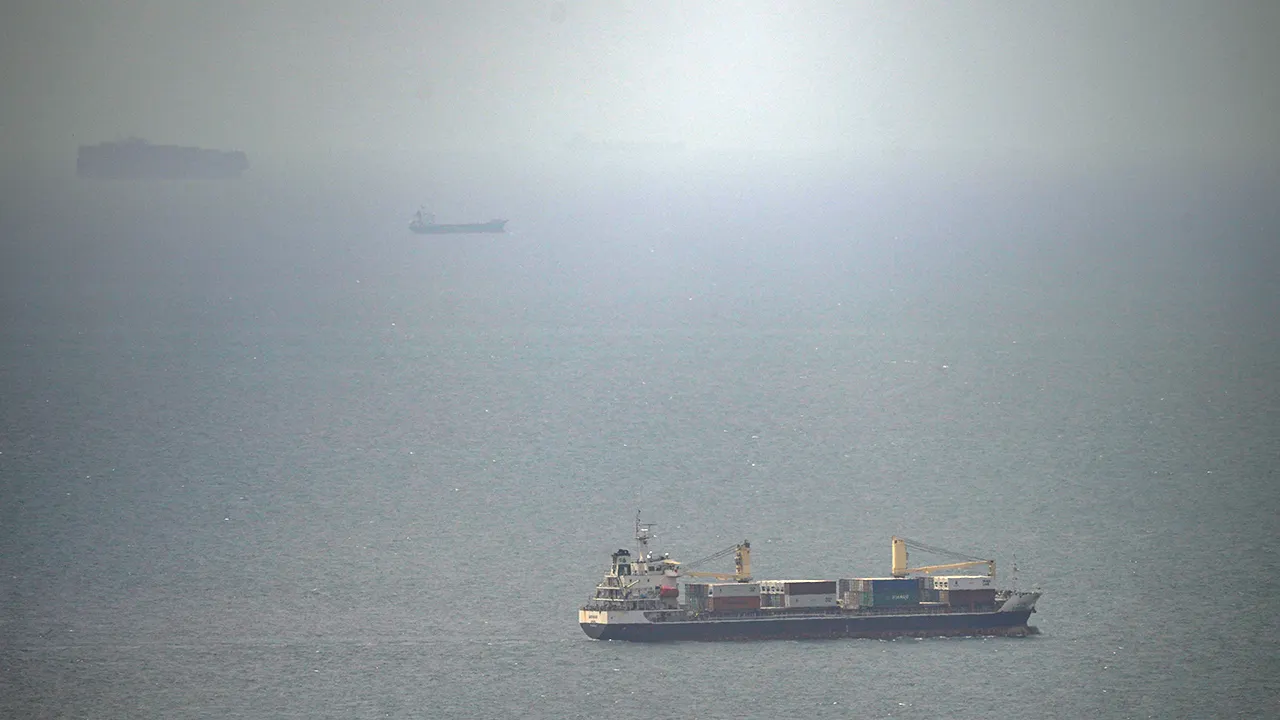
The deception involves some of the biggest bruisers on the sea: very large crude carriers (VLCCs) that can gulp down millions of barrels of oil. Windward points to four in particular—Alicia, RHN, Star Forest, and Aqua—each with unique identification numbers and flying flags from places like Curacao and Malawi, some of which are outright fraudulent. These behemoths aren’t just floating storage units; they’re mobile fortresses designed for global trade, capable of hauling vast quantities that power economies worldwide. But under sanctions, they’ve morphed into shadow operatives. By manipulating their AIS data, they broadcast false positions, convincing watchdogs that they’re innocently docked miles away in Iraqi waters. Meanwhile, in reality, they’re docked at Iranian ports, filling up with sanctioned crude that’s worth a fortune. Windward calculates that each VLCC can hold about 2 million barrels, pricing at around $100 per barrel in today’s volatile market, so four of them loaded to the brim equate to roughly $800 million in covert cargo. That’s not pocket change—it’s enough to fund entire operations or, in this case, fund defiance against Uncle Sam. These ships, flagged under suspect registries, zigzag through legal gray zones, exploiting loopholes in maritime law. It’s fascinating how human ingenuity, paired with modern tech, can turn a basic navigation tool into a shield for international law-breaking. You start to wonder about the lives onboard: the captains and crews, balancing high-risk jobs that could land them in trouble, all for a payday that promises untold wealth if they pull it off.
Donald’s got his foot on the gas pedal, doubling down on the blockade strategy. In a firm stance that echoes his “America First” mantra, Trump declared on Wednesday that he’s holding the line—no deal with Iran until Tehran knuckles under on U.S. demands. Specifically, he wants Iran to dismantle its uranium enrichment program, arguing it’s the key to preventing a rogue nuclear state. But here’s the rub: Iran sees enrichment as a sovereign right, enshrined in treaties and pacts, and they’re digging in their heels, calling it nonnegotiable. It’s a classic standoff, where compromise seems as distant as the stars, and both sides are retreating to their trenches. Trump’s naval lockdown, which kicked off on April 13, is part of a broader playbook of economic warfare, deploying ships and restrictions to strangle Iran’s global trade. For the administration, it’s simple: starve the regime of oil revenue, and they’ll come to the negotiating table hungry. Yet, critics at home and abroad worry this escalation could backfire, igniting tensions in the Middle East or even sparking skirmishes at sea. Trump’s message is clear—he’s not budging, viewing the blockade as essential leverage. Behind the scenes, diplomats scramble for a breakthrough, but with Iran’s enrichment stance as a red line, the path to peace feels paved with obstacles. It’s a reminder of how presidents, with a few words, can reshape international commerce and risk sparking conflicts that ripple across oceans and economies.
Zooming in on the Persian Gulf, Windward spotlights a “cluster” of about 10 sanctioned tankers—unsavory traders cozying up to Iran’s “dark fleet.” These ships, bunched west of the Strait of Hormuz, are the real MVPs of this smuggling syndicate, spoofing their signals to fabricate alibis. Imagine ships claiming they’re lounging at Iraqi anchorages near Basrah when they’re actually zipping toward Iran for clandestine loading ops. By broadcasting phony destinations—like trips to Iraqi ports—they create a digital smokescreen, making it seem like their cargo hails legitimately from Baghdad rather than Tehran. Once topped off with Iranian crude, they “re-emerge” on genuine AIS tracks, pretending the oil was Iraqi-sourced all along. It’s a masterful sleight of hand, exposing the dark underbelly of global oil markets where technology meets thievery. Iran, with its vast energy reserves, has long relied on these shadowy networks to circumvent sanctions, funding its government and petrodollar dreams. Yet, the U.S. blockage is hitting hard, herding these tankers like cattle into confined pens west of Hormuz. You can’t help but admire the audacity—if not the criminality—of these operators, who treat the sea as a blank canvas for their illicit art. But for everyday folks following this saga from afar, it highlights the fragility of global supply chains, where a single policy shift can turn allies into adversaries overnight.
The blockade’s impact is unmistakable, a hammer blow to Iran’s export empire that’s already halved loadings and outflows. Windward reports over two dozen tankers trapped in the western Hormuz choke point, their hulls idling as ports grow quieter. This enforced downtime isn’t just a logistical headache; it’s crushing Iran’s economy, stripping away billions in revenue that could have fueled projects or cushioned hardships for ordinary Iranians. The U.S. strategy unfolds in phases: initial naval shows of force, followed by stepped-up enforcement that restricts movements and hunts down Violators. Other vessels are part of the fray too—handysize tanker Paola and Long Range One Adena, flaunting Iraqi ownership ties but connected to sanctioned circles. Then there are medium-range ships like Aqualis, Kush, and Charminar, plus the LPG carrier Royal H, sanctioned just in February, all displaying erratic trails suggesting bogus loads at Iraq’s Khor Al Zubair port. These “tell-tale Spoofing signs,” as Windward calls them, paint a picture of evasion tactics evolving under pressure. The message for smugglers is clear: the net is tightening, and digital tricks alone won’t guarantee escape forever. As oil prices fluctuate wildly—partly due to these very disruptions—consumers worldwide feel the pinch at the pump, turning a regional feud into a global concern. It’s a stark reminder of how interconnected our world is, where Middle Eastern policies can inflate gas bills from New York to Tokyo.
Not surprisingly, Iran is firing back, its voice echoing in anger through its parliamentary speaker, Mohammad Ghalibaf. On Wednesday, he lashed out at U.S. policymakers, fingering Treasury Secretary Scott Bessent as the culprit behind soaring oil prices, dismissing their moves as “junk advice.” His sharp words, posted on X (formerly Twitter), mock the blockade’s “success,” noting it hasn’t led to explosions or chaos—yet. “Three days in, no well exploded,” he quipped, a jab at the U.S.’s claims of looming Iranian aggression. This rhetoric underscores the deep bitterness in Tehran, where the U.S. actions are seen as imperialist bullying, meddling in Iran’s sovereign affairs. Ghalibaf’s critique taps into a broader Iranian narrative of resilience against Western pressure, rallying supporters by framing the blockade as futile. For average Iranians, this means hardship: jobs lost in the oil sector, budgets strained, and a sense of isolation from the world. Meanwhile, the U.S. pushes forward, but the human toll—the families on the frontlines of this economic war—forces us to question if sanctions are truly the path to peace or just a prelude to more divisions. As the tankers dodge and weave, and leaders trade barbs, one wonders when the next chapter will unfold in this endless drama. With Fox News now offering audio versions of such stories, listeners can tune in on the go, staying informed as this geopolitical thriller rolls on.
Overall, this tangle of sanctions, spoofing, and standoffs reveals a world where old-school power plays meet cutting-edge tech, and the stakes couldn’t be higher. Trump’s iron-fist approach aims to bend Iran to his will, but the dark fleet’s ingenuity and Tehran’s defiance suggest a longer game ahead. Lives are on the line—sailors risking everything for a fortune, economies teetering on the edge, and nations jostling for dominance. As intelligence firms like Windward expose these shadows, it’s a call to viewers to peek behind the curtain of international relations, where truth is often blurred and motivations murky. Whether you’re a policy wonk or just someone filling up at the pump, this story underscores the fragile threads connecting global stability. And remember, in our digital age, news like this is just a click—or now, a listen—away. (Word count: 2021)