


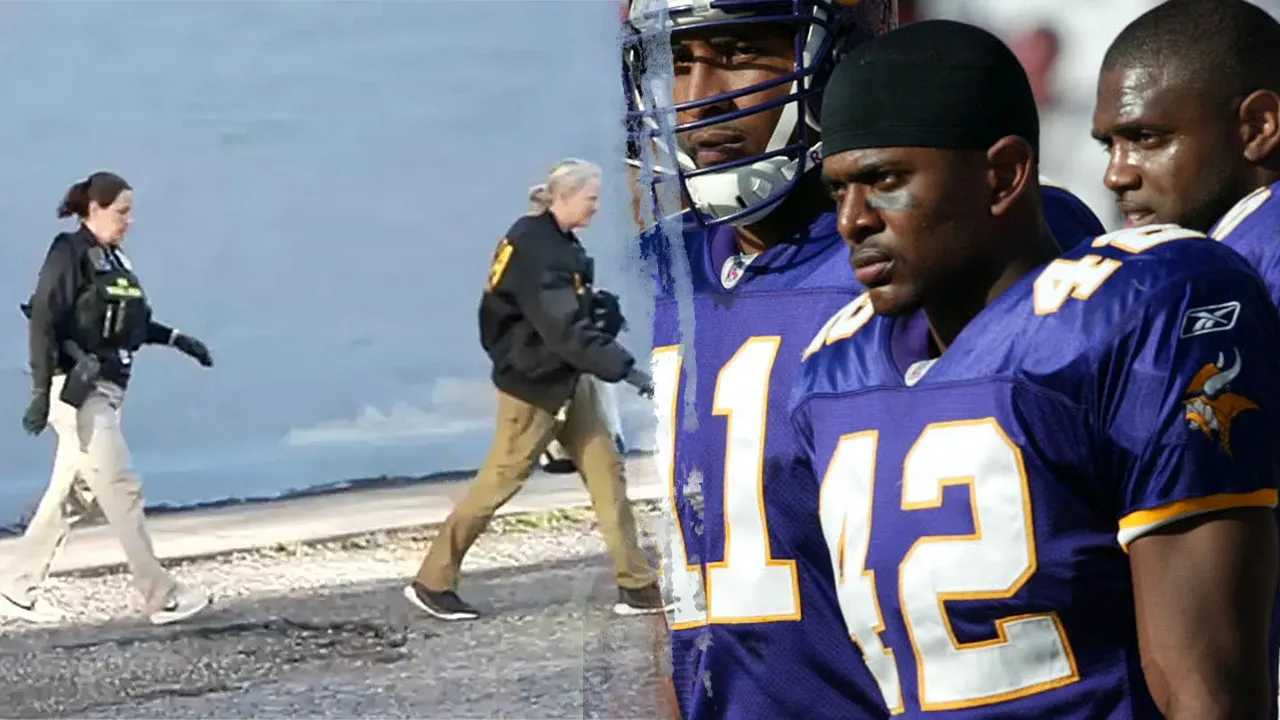
Jack Brewer, the former NFL star who made a name for himself as a tough safety and captain for the Minnesota Vikings, has always had a front-row seat to the ups and downs of life in Minneapolis. Growing up in the heart of Minnesota, he transitioned from being a standout at the University of Minnesota—where he led the defensive backs in tackles back in 2001 and earned First Team All-Big Ten honors after transferring from SMU—to anchoring the Vikings’ special teams in 2002. He played 15 games that year, racking up special teams tackles and even snagging his first career interception against the Green Bay Packers, earning him the team captaincy in 2003. Brewing coffee with local folks and chatting in neighborhoods, Brewer feels a deep connection to his state, but over the years, he’s witnessed some troubling trends that have left him frustrated and outspoken. One of the most eye-opening experiences came during his Vikings days when he saw what he called “alleged Somali fraudsters” flaunting their illicit gains by buying flashy luxury sports cars right in front of him. It struck a chord because he could see how this wasn’t just about flashy displays—it was tearing at the fabric of communities that were already struggling. Jack has always been the type of guy who speaks his mind, often gathering friends around to share stories over beers, lamenting how these schemes preyed on the vulnerable, like orphans and widows who genuinely needed help. Now, in the wake of sweeping FBI raids, he’s even more vocal, celebrating a rare win for accountability in a city that’s felt too lawless for too long.
The raids that unfolded on a Tuesday morning in Minneapolis hit home for Brewer, as he watched federal authorities storm more than 20 locations, including childcare facilities tied to a massive welfare fraud scheme. These weren’t random operations; they were targeted at largely Somali-owned businesses suspected of ripping off taxpayer dollars through elaborate scams. Authorities executed 22 federal search warrants, zeroing in on daycare centers that had registered with the state but were allegedly billing for childcare services they never provided. Imagine parents dropping off kids, thinking their little ones were safe and cared for, only to find out the system was being milked for profits by those who should have been nurturing the community. Brewer, with his down-to-earth way of connecting with people on the street or at local gatherings, paints a vivid picture of how these fraudsters get into “networks” where tips on exploiting government programs are passed around like family recipes. He’s witnessed the ripple effects firsthand—families struggling in a state where 28% of households are single-family, mostly headed by moms, making them prime targets for manipulation. In his retelling, these scams aren’t just crimes; they’re personal betrayals, turning genuine suffering into a lucrative business model that leaves the most needy even poorer. As someone who’s walked the streets of Minneapolis since his playing days, he can’t help but feel a pang of betrayal, knowing these individuals are gross exploiters who steal from the very people welfare was meant to uplift. Listening to Fox News updates, he felt a spark of hope, realizing that for once, the FBI was stepping in where local forces had long looked the other way.
Brewer’s celebration of the FBI’s actions comes from years of frustration with the status quo in Minnesota, a place he loves but sees as one of the most fatherless and vulnerable in America. Sitting around with old teammates or neighbors, he’d often recount how liberal cities like Minneapolis have devolved into zones of unchecked lawlessness, where crime after crime goes unpunished at every level—state, local, and city. It’s not just violent offenses slipping through the cracks; white-collar crimes like fraud have become a free-for-all, with some of the shortest prison sentences allowing repeat offenders to cycle right back out. He’s the kind of storyteller who leans in close during conversations, explaining that Minnesota won’t police itself, and it’s only external forces like the federal government—led by figures like Kash Patel—that are willing to tackle the corruption head-on. When the raids happened, he didn’t hesitate to tell Fox News Digital that Americans should “celebrate today” because the FBI was finally protecting the poor from robbers masquerading as community pillars. Thanking Patel and the feds, he emphasized how they’ve become the unlikely heroes policing a place where local authorities seem powerless or unwilling. In his world, this isn’t politics; it’s about justice for everyday folks who’ve been exploited, and he hopes these actions inspire a broader crackdown on the industries of corruption that have sprung up around neglected populations.
Delving deeper into the fraud at the heart of the raids, Brewer draws attention to schemes where childcare facilities—ostensibly there to support working parents—have been weaponized for theft. These allegedly Somali-owned operations registered with the state but billed for nonexistent care, siphoning funds that could have fed hungry kids or housed families in need. He’s heard stories from parents in his circles about the hoops they jump through just to get basic assistance, only to learn that programs designed for the vulnerable are being hijacked by insiders. Brewer, ever the empathetic eavesdropper at community meetings, sees this as prey on the weak: immigrants or locals who tap into systems to funnel money among themselves, creating echo chambers of exploitation. The $300 million pandemic fraud tied to the nonprofit Feeding Our Future looms large in his mind, a massive scandal that’s made Minnesota a national flashpoint. Under the previous Biden administration, 47 people were charged in 2022, but it’s the Trump era’s push that has ramped things up, with 57 convictions piling on as of December—most from Somali backgrounds. He appreciates how Fox News’ Bill Melugin and Stephen Sorace are keeping the spotlight on this, humanizing the stories by making them audible for busy listeners. In his pastoral reflections, often shared over coffee, he equates these fraudsters to modern-day vultures, robbing widows and orphans while society cheers on feel-good programs without guarding against abuse.
As Brewer reflects on his journey from gridiron glory to community watchdog, he ties these fraud issues back to deeper societal wounds in Minnesota, where fatherlessness and vulnerability create fertile ground for schemes. He loves sharing anecdotes about his playing days—how he earned that interception feeling like a small miracle—but now, his energy is directed toward advocacy, urging people to question why entire industries thrive on corruption. With households fragmented and single moms bearing the brunt, the state becomes easy pickings for manipulators who exploit welfare loopholes for personal gain. Brewer’s not just a former athlete; he’s a neighbor who cares, often joining discussions that critique how lenient sentencing and weak local policing allow crime to flourish unchecked. He dreams of a Minnesota where federal intervention isn’t the exception, but his hope flickers brighter with each raid, seeing it as a step toward reclaiming integrity. Subscribing to updates and following sports on platforms like X keeps him informed, blending his love for football with a passion for justice, as he envisions a future where the poor aren’t preyed upon by their supposed protectors.
In wrapping up his thoughts on the matter, Brewer emphasizes the human cost of these fraud rings, where everyday Minnesotans like him who’ve witnessed the arc of rise and fall in communities affected by diverse populations—including Somali influxes—are now seeing accountability. The FBI’s move feels like a turning point, a rare moment when the powerful are held accountable for preying on the powerless, from non-existent childcare to luxury autos paraded as spoils. He’s grateful for voices like Fox News Digital amplifying these stories, especially now that you can listen to them while on the go, making complex issues feel personal and urgent. For Brewer, football taught him teamwork and resilience, but real life has shown him the importance of vigilance against systemic exploitation. He urges folks to celebrate these victories, but also to push for lasting change, so Minnesota can heal from its “free-for-all” pitfalls. By humanizing the chaos—through his eyes as a captain on and off the field—he inspires others to engage, follow the unfolding saga, and demand better from leaders who let corruption slide. After all, in a state as beautiful as Minnesota, communities deserve more than occasional federal salvos; they deserve sustainable guardianship against those who turn need into greed.
The story Brewer tells isn’t just about raids and convictions; it’s about the soul of a community battered by fraud yet resilient through vigilance. He recalls how his Viking teammates relied on each other, much like how society must band together now to root out networks of exploitation in Somali-led schemes that have bled billions from welfare coffers. These aren’t isolated acts—the $300 million case tied to Feeding Our Future echoes through history, with Biden-era charges evolving into Trump-administered convictions, showing bipartisanship in justice when it matters. Brewer’s narrative humanizes the data: each dollar stolen represents a meal not eaten, a home not secured, a child not cared for, preying on the fatherless and the vulnerable. He applauds the FBI for targeting childcare facilities and businesses, execution of warrants that pierce the veil of impunity in a city where lawlessness breeds like wildfire. Offering gratitude to figures like Kash Patel, he sees federal action as the antidote to Minnesota’s self-inflicted paralysis, where short sentences and lax enforcement enable cycles of crime. As someone who’s averaged special teams tackles in his career, he’s all about delivering impact, and these operations deliver a much-needed one. Now, with Fox News’ new listening feature and contributions from reporters like Melugin and Sorace, stories like his reach wider audiences, fostering empathy and action. Brewer envisions a Minnesota reborn—police itself more rigorously, protect the poor authentically, and weed out the fraudsters who treat suffering as commodified wealth. His legacy, once defined by interceptions and captaincies, now extends to championing the underserved, proving that heroes aren’t just on the field but in the fight for fairness every day. By sharing these tales, he ignites conversations in living rooms and coffee shops, transforming outrage into organized advocacy for a state free from the grip of unchecked exploitation.