



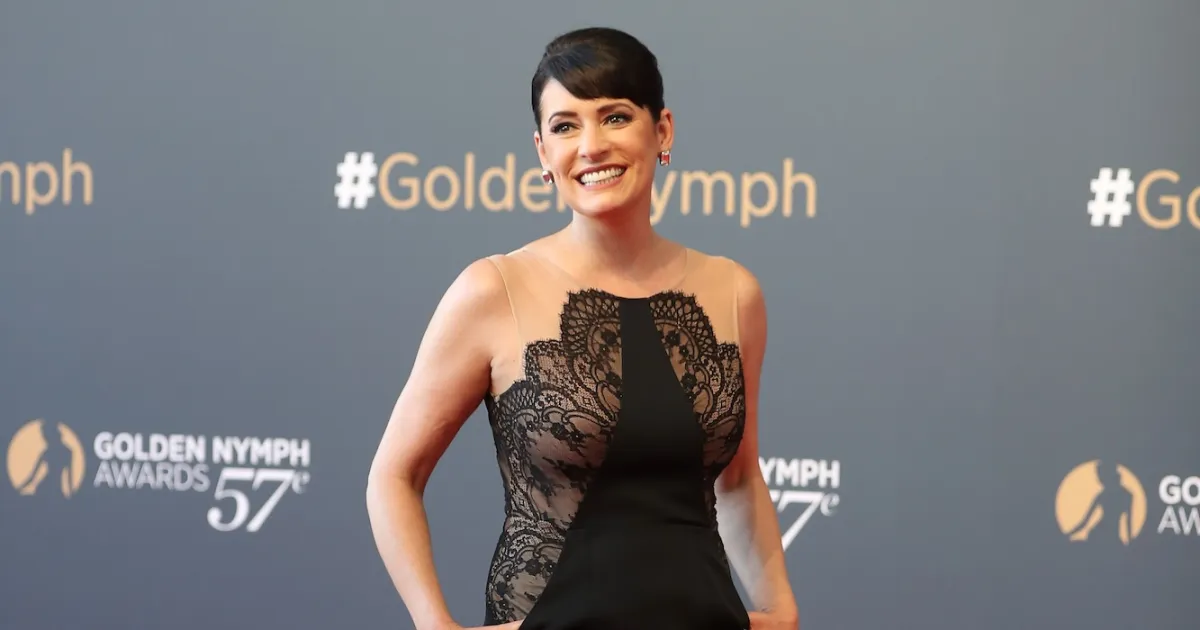
Paget Brewster, the talented actress best known for her role as Emily Prentiss on the long-running CBS crime drama Criminal Minds, recently opened up about a tumultuous chapter in her career during an appearance on the “Are You a Charlotte?” podcast. It all happened around seasons six or seven of the show, she shared, laughing wryly while recounting the drama. Brewster, now 57 and reflecting on her journey with that signature warmth and wit, tells the story like it was a crazy chapter from a novel she didn’t write herself. She joined the series in season two, stepping into the shoes of the brilliant, enigmatic profiler who brought a layer of intellectual edge to the BAU team. Fans loved her chemistry with the ensemble, especially alongside characters like Hotchner and Reid, as they chased down serial killers week after week. But behind the scenes, corporate decisions at CBS shook things up in ways that still sting Brewster to this day. She paused during the podcast, her voice tinged with a mix of amusement and lingering frustration, as she described how a simple creative experiment turned into a personal professional crisis. It’s the kind of Hollywood story that reminds everyone how fragile careers in TV can be, especially for women in a male-dominated industry.
The trouble began with what Hollywood calls a “backdoor pilot,” Brewster explained, her eyes lighting up with that storytelling sparkle. These are sneaky little episodes crafted to sneakily introduce a potential spin-off series within an existing show’s framework, testing the waters for a new venture without committing too much upfront. On Criminal Minds, they wove in an episode that doubled as a teaser for another project, hoping to gauge its potential success. Now, picture this: Les Moonves, who was the big boss at CBS back then—the powerful president who called the shots—was reportedly a busy man, maybe not tuned into every facet of the network’s programming. From what Brewster heard through the grapevine, Moonves caught that specific backdoor pilot episode, and it was the first time he’d watched Criminal Minds in what felt like forever. Instead of seeing the gripping suspense or the intricate plots, Brewster claimed he took one look and declared something along the lines of, “Oh, I don’t like those women.” Boom—just like that, in the blink of an eye, the fate of two beloved actresses was sealed. She and her co-star A.J. Cook, who played the compassionate Jennifer “JJ” Jareau, were both let go. It’s wild to think how one man’s offhand remark, rooted in who-knows-what personal biases, could derail careers built on talent and dedication. Brewster recalls the shock rippling through the set, as the crew and cast grappled with the unfairness of it all. Moonves, now infamous for his own scandals that led to his resignation in 2018 amid allegations of sexual harassment, seems like a relic of a bygone era where network execs wielded god-like power over talent without accountability.
After that gut-punch of being fired, Brewster didn’t slink away quietly—she fought back, and her return added even more drama to her tale. Her agent, a fierce advocate, battled it out with CBS, and Brewster popped back into a few episodes of season six to wrap up Emily Prentiss’s storyline. But the anger bubbled beneath the surface. By season seven, in 2012, she chose to walk away from the show altogether, her fury at the network reaching a boiling point. “I was so mad,” she admitted, her voice carrying that raw emotion even years later. It wasn’t just the firing; it was the sense of betrayal, the disrespect of their hard work. She and Cook had been the epitome of professionalism—always prepared, always on time, never causing a ripple. Yet, they paid the price for someone else’s whims. Brewster vented that holding onto that anger was toxic, like swallowing poison and waiting for the other person to die. So, she pivoted to comedy, diving into roles on shows like Grandfathered, where she played alongside John Stamos as a quirky family member, or Community’s hilarious parody sketches, and even Another Period’s outrageously fun historical satire. It was a breath of fresh air, proving her versatility beyond the dark worlds of crime-solving, and it gave her space to heal and rediscover her love for acting without the weight of past grievances.
Four years later, though, Brewster underwent a pivotal shift in perspective, a moment of clarity that pulled her back to Criminal Minds. She reflected on how clinging to that bitterness wasn’t serving her well—it was unhealthy, a barrier to the joy she once found in the show. “Why am I not there?” she wondered aloud, realizing the problem was never the cast or the characters she adored. She loved slipping back into Emily’s suits, loved the camaraderie with her colleagues who felt like a second family. It was Les Moonves who was the outlier, and by then, he was out of the picture, having no further involvement with the show. That epiphany led her to reconcile with the idea of returning. It wasn’t just about the paycheck or the fame; it was about reclaiming her narrative. Brewster spoke of how life sometimes throws curveballs, but forgiveness—especially self-forgiveness—opens doors you didn’t know were there. Fans can sense that growth in her, as she’s evolved from a fired actress to a voice advocating for equality on set.
When she did come back for season 12 in 2016, it was on her terms, and Brewster made sure to advocate hard for better compensation. Ironically, the show’s needs—desperately, after the shocking firing of Thomas Gibson, who played the stoic Aaron Hotchner—gave her leverage. Gibson’s exit stemmed from a heated altercation with a producer, leaving a hole in the leadership of the Behavioral Analysis Unit. Brewster’s Emily stepped in seamlessly, bringing her sharp intellect to the role of unit chief. But equality was non-negotiable. Women on the show had long grappled with the pay gap, earning less than their male co-stars despite carrying equal weight in the ensemble. Brewster, empowered by their dependency on her, negotiated fiercely. “We were always paid less,” she pointed out, but she demanded—and got—a raise that brought her episodic fee closer to the men’s. And she didn’t stop there. As other female cast members’ contracts came up, she encouraged them: “This is what I got—now go get more.” It sparked a ripple effect, leading to raises for the likes of Kirsten Vangsness (Penelope Garcia) and Aisha Tyler (Haley Hotchner in flashbacks), turning Brewster into an accidental trailblazer for gender equity in Hollywood. It’s stories like hers that highlight how individual bravery can shift industry norms, even if incrementally.
Today, Criminal Minds endures beyond its initial run, proving that great characters and compelling stories have a way of transcending administrative blunders. Originally canceled after season 15 in 2020, the series roared back in 2022 as Criminal Minds: Evolution, picking up where we left off with familiar faces and fresh cases on Paramount+. Brewster, alongside veterans like Joe Mantegna and Matthew Gray Gubler, returned with enthusiasm, blending nostalgia with new thrills. Season 19 kicks off on May 28, promising more twists as the BAU tackles evolving threats. Brewster’s journey—from firing to feminism in front of the camera to championing pay equity—mirrors the show’s themes of resilience and justice. It’s a testament to how, even in a field as cutthroat as television, the human spirit finds ways to persevere and prevail. Brewster’s story isn’t just about one woman’s Hollywood ups and downs; it’s an inspiring reminder that anger can fuel change, and with time, letting go can lead to the greatest comebacks. As she shared on the podcast, life in the spotlight is unpredictable, but the friendships forged on set? Those are forever. And for fans tuning into the latest episodes, her return isn’t just fulfilling—it’s downright triumphant. After all, in the world of profilers, Brewster has mastered the art of turning setbacks into strengths.
In the end, Paget Brewster’s experiences encapsulate the rollercoaster of being a woman in entertainment, where talent meets the unpredictability of power dynamics. Her narrative challenges us to examine how far we’ve come since those days of corporate whims toppling careers. As Criminal Minds enters its ninth life, Brewster stands as a symbol of quiet revolution, having not only reclaimed her seat at the table but also pulled up chairs for others. It’s the kind of arc that makes binge-watching the series even more engaging, knowing the real stories behind the fictional ones. Brewster’s laughter during the podcast interview hints at the healing humor infuses her life now, turning old wounds into wisdom. She poses for photos with fans at conventions, signs autographs with a smile, and continues to inspire. In a landscape where voices like hers are still crucial, Paget Brewster reminds us that true profiling isn’t just about catching killers—it’s about understanding the human heart, flaws and all.
Brewster’s advocacy extends beyond paychecks; it touches on the deeper issue of respect in a male-dominated field. During her negotiations, she didn’t just demand money—she demanded acknowledgment of their value to the show. The women of the BAU weren’t side characters; they were integral to its success, drawing audiences with their intelligence, vulnerability, and strength. Brewster’s willingness to stand firm sent a message to studios everywhere: talent can’t be dismissed so cavalierly. And as the show evolves, so does her legacy. Encounters like the one on the podcast show how open conversations can heal old rifts. Brewster’s experiences, shared over Zoom calls or live chats, connect with listeners who see their own struggles reflected in her tale. It’s not just celebrity gossip; it’s a blueprint for resilience. Paired with the show’s revival, her story adds layers of authenticity to Emily Prentiss’s on-screen depth. Fans eagerly await each installment, knowing the real triumph is in the human element—much like how Brewster found her way back home.
Reflecting on the Les Moonves era, Brewster notes the irony in how his own downfall paralleled the show’s renewal. While his controversies exposed systemic issues, they paved the way for a more equitable industry. Brewster, ever the profiler herself, dissects these parallels with grace. Her return in Evolution isn’t a comeback; it’s a continuation of something unfinished. As season 19 airs, viewers witness not just crime-solving prowess but the quiet victories off-screen that fuel the drama. Brewster’s journey from anger to action exemplifies personal growth, proving that holding onto grudges only imprisons the holder. In interviews, she speaks candidly about therapy’s role in processing that chapter, a subtle nod to mental health in Hollywood. This humanizes her even more, transforming a TV star into a relatable figure. As the show explores new territories with the BAU, Brewster’s real-life equity fight enriches the narrative, reminding us that justice, fictional or otherwise, starts with calling out injustice.
Ultimately, Paget Brewster’s odyssey with Criminal Minds is a masterclass in perseverance. From the sting of unfair dismissal to empowering negotiations, she’s emerged not just as an actress but as a force for change. The revival series, streaming on Paramount+, capitalizes on that enduring appeal, with each episode echoing the show’s timeless themes of empathy and grit. Brewster’s laughter and candor on podcasts invite us into her world, where drama isn’t confined to script pages. It’s in these shared stories that true connection happens, bridging the gap between celebrity and everyday life. As fans prepare for the latest season, Brewster’s legacy assures us: no setback is final, and every triumph begins with owning your worth. In the realm of serial killers and behavioral analysis, Brewster has profiled her own path brilliantly.
Paget Brewster’s recounting of her Criminal Minds saga isn’t just entertaining—it’s empowering. Her journey from indignation to inspiration highlights the power of advocacy in entertainment. As the show embarks on its evolution, Brewster’s presence symbolizes hope, proving that careers, like great series, can rebound magnificently. Her negotiations broke ground, inspiring waves of change for women in TV. Off-screen, she champions causes like animal rights and mental health awareness, extending her profile beyond crime dramas. In podcast discussions, like the one with Kristin Davis, Brewster shares wisdom gleaned from years in the industry, fostering connections with listeners worldwide. The revival’s success underscores the BU’s magnetic pull, but Brewster’s human story adds heartfelt depth. Fans cherish her not just for Emily’s cunning interrogations, but for her unfiltered honesty. As season 19 premieres, we’re reminded that behind the thrillers lies a tapestry of real-life resilience. Brewster’s tale, told with humor and heart, invites us to celebrate not just survival, but thriving amidst chaos.
Brewster’s advocacy ripple effects continue to inspire, turning personal grievances into collective gains. Her equal pay push revolutionized contracts for female leads, a quiet victory amid louder entertainment scandals. In the post-Moonves era, shows like Criminal Minds benefit from heightened awareness, creating opportunities for diverse voices. Brewster, reflective yet spirited, attributes her growth to letting go of anger, embracing a healthier mindset. Therapy sessions and comedy pivot played pivotal roles, teaching balance between passion and peace. As the BAU evolves, so does Brewster’s influence, echoed in younger actresses navigating similar terrains. Her podcast anecdotes humanize the star, revealing vulnerabilities beneath the veneer. From Coen Brothers collaborations to Criminal Minds camaraderie, Brewster’s eclectic resume showcases versatility. The revival premieres celebrate her comeback, blending nostalgia with novelty. Ultimately, Brewster’s narrative transcends TV drama, embodying empowerment’s essence—rising stronger after falls. In interviews, she emphasizes gratitude for supportive fans, fueling renewals emotionally and artistically. As new episodes unfold, her story stays resonant, proving transformative power of experience.