


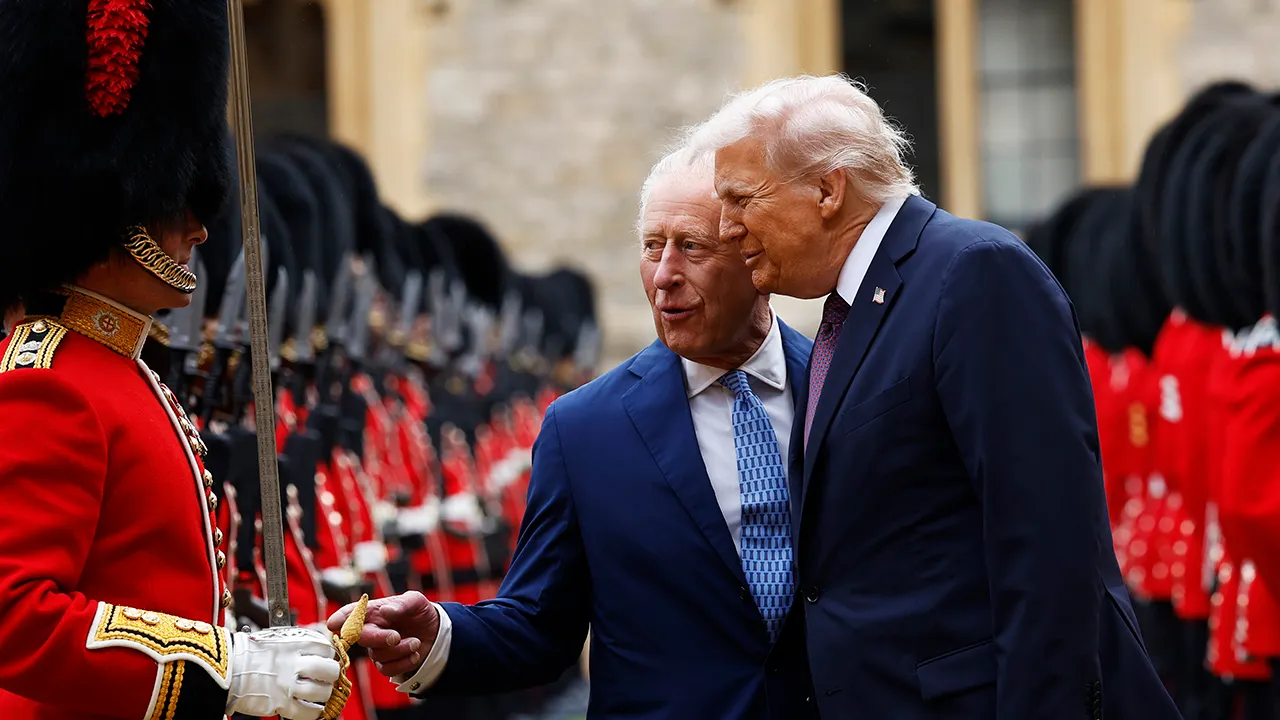
Imagine stepping into a world where a king isn’t just a figure on a postage stamp or the face of currency, but a bridge-builder in the choppy waters of international relations. With Britain and the United States drifting apart like estranged old friends over disagreements—think Iran sanctions, immigration policies, and who gets the last say on defense strategies—King Charles III’s upcoming visit to the White House feels like more than just a royal tea party or a photo op for the history books. It’s a calculated move to remind everyone that personal connections can sometimes heal political rifts better than endless diplomatic cables or stern statements from world leaders. Picture this: as the U.S. pushes its aggressive “economic fury” against Iran, Britain is playing it cool, saying, “We get it, but we’re not going all-in on that blockade thing.” Enter King Charles, not as a policymaker in a suit, but as a sincere ambassador with a handshake and a winning smile, aiming to smooth things over with President Trump. Experts are buzzing that this visit could be Britain’s ace card, preventing fractures in the “special relationship” from turning into a full-blown meltdown. It’s like when a family mediator steps in during Thanksgiving dinner to keep Uncle Bob and Cousin Sue from duking it out over politics—except here, it’s about avoiding global instability. Alan Mendoza from the Henry Jackson Society puts it plainly: the monarchy has long been Britain’s secret weapon for whispering sweet nothings and rebuilding trust when elected officials are at each other’s throats. And with Trump criticizing Prime Minister Keir Starmer as “not Winston Churchill” for refusing to back direct strikes on Iran, Charles might just be the charm that turns things around. You can almost hear the sigh of relief from British corridors, hoping this royal booster shot keeps the alliance alive, not just for trade and security, but for shared values and mutual hand-holding in a world full of hotspots. It’s a reminder that in politics, sometimes the person with the crown wins where suits falter, creating that “new beginning” Mendoza talks about. But as the clock ticks, will it be enough to stop the tide?
Now, let’s rewind a bit and get personal about this “special relationship” that everyone’s so wound up about. For those of us who aren’t knee-deep in geopolitics, think of it as that unbreakable bond between two best friends who’ve been through thick and thin—wars, economic hiccups, and everything in between. But lately, it’s feeling more like a rocky marriage after the honeymoon phase. Britain’s Keir Starmer’s government is hedging bets, supporting the U.S. on keeping the Strait of Hormuz open for global shipping (because no one wants Iran playing pirate and ransoming oil tankers), but holding back on full-throttle support for Trump’s blockade tactics. It’s like saying, “Yeah, I love you, bro, but I’m not joining your extreme fast.” Deputy Minister Stephen Doughty laid it out at a U.N. meeting: we’re in this together against Tehran’s games, but we’re not endorsing the full economic chokehold. This balancing act is tricky, and it shows Britain’s not ready to burn bridges with a key ally, even when policies clash. On the U.S. side, Trump’s team, via spokesperson Anna Kelly, is emphasizing the personal chemistry with Charles—a rapport built from Trump’s U.K. trips and White House welcomes. It’s warm and fuzzy, like old friends catching up over a pint. But underneath, analysts like Matthias Matthijs from the Council on Foreign Relations are sounding alarms: sure, the royal visit adds shine and ritual, but it won’t magically fix structural cracks. Things like immigration squabbles, energy choices, and stances on Iran-Israel showdowns are fraying the edges. For the average Brit or American, this might feel abstract, but it translates to real stuff—like job security in defense industries or stable gas prices at the pump. Charles’s role here could be the human touch, reminding Trump that beyond Starmer’s decisions, there’s a long history of cooperation worth preserving. It’s almost poetic: while leaders argue over maps and missiles, the king steps in to remind everyone of shared laughs and mutual respect, keeping the door open for future fixes.
Diving deeper into the monarchy’s secret sauce, it’s fascinating how King Charles is channeling something so old-school yet oddly effective in modern times. Historically, British royals like Queen Elizabeth II have been these invisible mediators, swooping in when diplomacy hits a wall. Think of Elizabeth’s quiet nudges that helped thaw relations with Ireland—personal, genuine, and without the baggage of elections. Mendoza isn’t exaggerating when he says the Crown has acted as a stabilizer, like a family elder breaking up a fight with wise words and a smile. In today’s context, Charles isn’t expected to dive into nitty-gritty policy chats about Iran sanctions or NATO budgets; experts agree that’s not his lane. Instead, he’s about fostering that “general mood music”—a vibe of trust and openness that makes Trump more likely to listen. Imagine hosting a party where the guest of honor (Trump) is bristling from political debates, and the gracious host (Charles) offers a calming cup of tea, shares anecdotes about shared heritage, and subtly shifts the energy. It’s not about changing minds, but creating space for solutions, like making sure Washington stays amenable even when London disagrees. For us regular folks, this paints the monarchy not as outdated pomp, but as a relatable force for goodwill—a reminder that sometimes, heartfelt connections trump cold strategy. Queen Elizabeth proved this time and again, and now Charles, with his environmental passions and diplomatic finesse (built over decades of public service), might pull off a similar magic. Yet, it’s poignant: he influences “mood,” not mandates, preserving the alliance’s spirit without overstepping. In a world where alliances crack under pressure, this human element feels essential, like a comforting hug in uncertain times.
Zooming in on the Iran drama, which is the elephant in the room here, you can see why a royal detour might be needed. The U.S. is ramping up pressure to economically isolate Iran—call it “maximum economic fury”—via blockades and sanctions to protect shipping routes like the Strait of Hormuz. Britain supports the goal (freedom of navigation is global good news), but not the heavy-handed tactics, as Doughty made clear in his U.N. remarks: we’re team players, but no to holding the world ransom. This nuance highlights a widening gap, with Trump slamming Starmer for lacking Churchill’s bravery. It’s tense stuff, akin to neighbors feuding over a fence line, where one side wants to bulldoze and the other suggests negotiation. Enter Charles, whose visit could ease the sting, building rapport personally with Trump amid the criticism of Britain’s leader. White House officials highlight the existing warmth—Trump’s respect for the king from past visits—and tie it to the monarch’s potential to “create a new beginning.” But as analysts note, this isn’t just pageantry; it’s a pressure valve against “deeper unraveling” of ties. For everyday people, this means watching world events unfold with a layer of humanity—leaders arguing, but a king fostering goodwill. The hope is Charles helps keep the alliance intact, ensuring cooperation on bigger issues like defense and trade, even if Iran policy remains a bone of contention. It’s like family therapy: not everything gets resolved, but better understanding prevents permanent divorce. Matthias Matthijs warns spectacle alone won’t heal, adding to the intrigue of whether personal diplomacy can outmaneuver political divides.
Pulling quotes from experts humanizes this story even more, turning policy talk into lived wisdom. Mendoza, from his think tank perch, argues the monarch’s value lies in interpersonal magic—easing tensions where officials bicker. He recalls how royals have smoothed feathers historically, saying, “People often wonder why the British monarchy still exists in the 21st century. This is why.” It’s a nod to the crown’s enduring charm, like a trusted advisor in royal garb. On the risks, constitutional expert Francesca Jackson raises red flags: mixing monarchy in politics could lead to backlash or embarrassment for Charles, especially if he’s seen ping-ponging between Trump and Starmer. It’s a fair concern—imagine the media frenzy if the king is caught in a diplomatic tug-of-war, pitting legacy against politics. Yet, Mendoza tempers expectations: no policy flips from Charles, but a subtle shift in atmosphere that encourages flexibility. Kelly from the White House underscores the personal bond, painting a picture of mutual admiration that transcends current spats. Matthijs adds layers of reality, noting the visit’s symbolic power amid structural strains, where Charles might carry the diplomatic load if Starmer can’t. These voices make the narrative feel accessible, like overhearing seasoned friends debate at a pub. For us, it underscores that behind high-stakes decisions are real people, with emotions and histories. Charles’s visit, with its potential to unite or highlight divisions, reminds us diplomacy isn’t just about facts—it’s about human connections. As Mendoza hints, the monarchy’s gift is access to the king, a lifeline that might just keep the U.S.-U.K. ship steady through stormy seas.
Finally, reflecting on the bigger picture, what hangs in the balance from this royal escapade? If Charles nails it, he could forge a parallel diplomatic path—crown-to-president—that cushions the alliance while exposing the dysfunction between Trump and Starmer. It’s optimistic: personal rapport preserving broader cooperation, ensuring Britain retains influence with Washington without echoing every U.S. stance. But risks loom; if Trump embraces the king yet persists in critiquing Starmer, it might amplify political fractures, making Charles a symbol of continuity amidst chaos. Scholars warn of embarrassment, yet Mendoza sees hope in not fracturing beyond repair. For everyday folks, this symbolizes resilience—nations navigating differences through humanity. As Fox NewsDigital noted (with efforts to contact Starmer’s office unmentioned), the visit’s drama unfolds amid airstrikes on Iran and questions about opposition unity. In essence, Charles’s trip humanizes geopolitics, showing repair starts with respect. If successful, it proves monarchies aren’t relics but anchors in turbulent times, keeping friends close even when policies drift. It’s a story of hope, reminding us: in politics, as in life, a genuine connection can bridge gaps wider than oceans. (Word count: 2019)