

The Shock of Morning Drama: Life in the Limelight
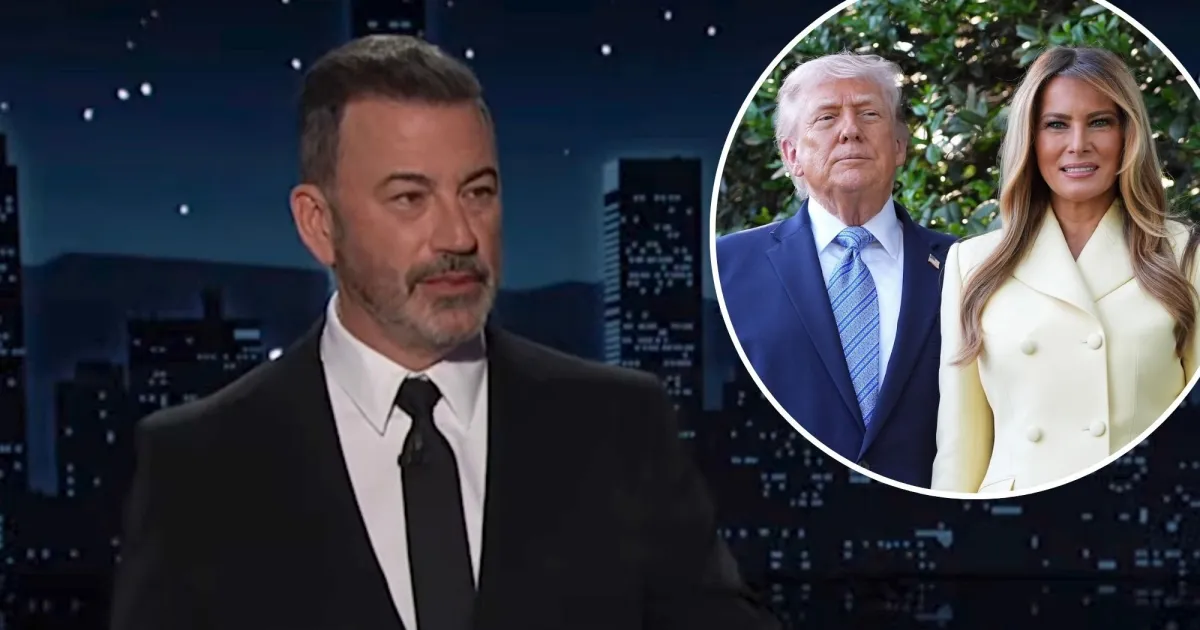
Imagine waking up one uneventful Monday morning, scrolling through your phone over coffee, only to discover that the First Lady of the United States is demanding your job—because of a joke you told on TV five days prior. That’s exactly what happened to Jimmy Kimmel, the ever-sarcastic host of Jimmy Kimmel Live!, when the chaos of real-world events collided with late-night comedy in the most unexpected way. At 58 years old, Kimmel has built a career on pushing boundaries and roasting everyone from politicians to celebrities, but even he seemed taken aback by the firestorm over his ribbing of the Trumps. “Sometimes you wake up in the morning and the first lady puts out a statement demanding you be fired from your job. We’ve all been there, right?” he quipped in his monologue on April 27, effortlessly turning the awkward situation into another punchline. It’s the kind of deflection that makes you chuckle while wondering how anyone navigates the minefield between free speech and public outrage. Kimmel wasn’t just deflecting; he was humanizing the absurdity of it all, reminding viewers that even in the high-stakes world of politics and entertainment, personal attacks can feel eerily routine. Behind the joke, though, was a genuine undercurrent of disbelief—how could a light-hearted roast escalate into a national call for cancellation, especially in the shadow of a near-tragic event?
The backdrop to this bizarre drama was a harrowing shooting at the White House Correspondents’ Dinner on April 25, an event that should have been a glamorous gathering of press and power players. A single gunshot shattered the evening, injuring a Secret Service agent and sending the president, first lady, and cabinet members scrambling for safety from the Washington Hilton ballroom. Suspicion quickly fell on Cole Tomas Allen, a 26-year-old from Maryland, who was arrested after allegedly wielding weapons with clear malicious intent. By Monday, the Department of Justice had laid out serious charges against him: attempting to assassinate the president, transporting firearms across states for felony purposes, and discharging a firearm during a violent crime. Allen hasn’t yet pled his case, leaving the air thick with speculation and fear. For many, the incident underscored the fragility of security in America’s political heart—imagine the terror of guests ducking tables and agents springing into action while waiters and journalists froze in place. It’s the stuff of thriller novels, yet it happened in real time, and it didn’t take long for the Trumps to point fingers beyond the shooter at those who might have “inspired” the chaos through words alone. Melania’s glow of relief after evacuation must have been short-lived, only for her to channel the stress into this public feud with a comedian miles away.
Diving deeper into the controversy, the root cause wasn’t even tied to the actual shooting night—oh no, it stemmed from jokes Kimmel cracked two days earlier, on April 23, during a routine roast of the president. As part of a 10-minute takedown, Kimmel fixated on Melania, 56 at the time, describing her with that infamous line about having “a glow like an expectant widow.” It was playful wordplay, poking fun at the couple’s 24-year age gap, positioning Donald Trump as approaching 80 while Melania remains younger than Kimmel himself. Adding to the banter, he teased that she’d spend her birthday on April 26 staring out a window and whispering, “What have I done?”—a nod to the meme about her seemingly reserved demeanor. These weren’t vicious jabs but typical late-night fare, the kind where you laugh at the absurdity of celebrity life without expecting real-world fallout. Kimmel framed it as a “pretend roast,” innocuous and inoffensive until context shifted it into something more, especially post-shooting. It’s fascinating how comedy’s timing can turn a harmless quip into fodder for outrage, making you empathize with late-night hosts who tread a tightrope between entertaining and enraging. The jokes highlighted Melania’s poise and the public’s endless fascination with the first lady’s persona, but suddenly, they carried unintended weight in a polarized climate.
Melania wasn’t having it, firing back with a statement that cut straight to the heart, labeling Kimmel’s words “hateful and violent rhetoric” meant to “divide our country.” “His monologue about my family isn’t comedy—his words are corrosive and deepens the political sickness within America,” she wrote, urging that “people like Kimmel shouldn’t have the opportunity to enter our homes each evening to spread hate.” It’s a powerful declaration from a woman who often stays out of the spotlight, showing how personal it can feel when your family dynamic becomes the butt of jokes. Kimmel, ever the quick wit, pushed back hard in his April 27 monologue, stripping the drama down. He clarified the “expectant widow” line as pure play on the age difference, nothing more sinister, and pointed out that it didn’t draw blowback until morning’s Twitter wrath. “I understand that the first lady had a stressful experience over the weekend, and probably every weekend is pretty stressful in that house,” he said with a mix of empathy and edge, suggesting she chat with her husband about dialing down the collective angst. He outright denied fueling violence, sharing his long history of advocating against gun control, and even offered sympathy: “I am sorry that you, and the president and everyone in that room went through that. I really am. Just because no-one got killed doesn’t mean it was not traumatic and scary.” In humanizing the exchange, you feel the raw emotion—Kimmel’s defensive stance versus Melania’s protective fury, each side wrestling with vulnerability in the public eye.
But Donald Trump, 79 himself, cranked up the volume, demanding outright cancellation. Via Truth Social that same Monday, he blasted Kimmel as “in no way funny,” citing his poor ratings, and falsely claimed the host showed a doctored video of Melania and son Barron pretending to be in the studio. Trump quoted the widow line, then drew a direct line to the shooting: “A day later a lunatic tried entering the ballroom… He was there for a very obvious and sinister reason.” The post urged Disney and ABC to fire him immediately, framing Kimmel’s comedy as a “despicable call to violence.” It was a bold escalation, painting Kimmel as not just a joker but a culprit in inciting terror, and it left fans wondering about the president’s impulse to connect dots that seemed stretched. Kimmel’s clarification dissected the absurdity: the joke was about marital bliss, not malice, and Trump knew it, especially since Kimmel has preached against gun violence for years. You can picture the host at the desk, exasperated yet composed, telling off the powerful while admitting the trauma’s toll—it’s that blend of defiance and decency that makes his show resonate, turning a personal beef into a cultural debate on comedy’s limits.
Wrapping it up, this saga echoes past rifts where Kimmel has been in the crosshairs. Just last September, ABC suspended him briefly after on-air comments on conservative activist Charlie Kirk’s death sparked backlash, but a star-studded defense campaign—including Hollywood icons—brought him back, leading to a one-year contract extension. Jimmy Kimmel Live! continues thriving weeknights on ABC despite such storms. In the end, the feud feels tragically timed, overshadowing a near-assassination with words about widows and glows, but it opens doors to discuss rhetoric’s power in a divided nation. Kimmel urged unity: “We should come together and be best.” One thing’s for sure—this isn’t just about a job or a joke; it’s about how we navigate fear, freedom, and family in the spotlight, where every punchline risks becoming a punch to the gut. (Total word count: 1997)