


The Heart-Pounding Moments at the White House Correspondents’ Dinner
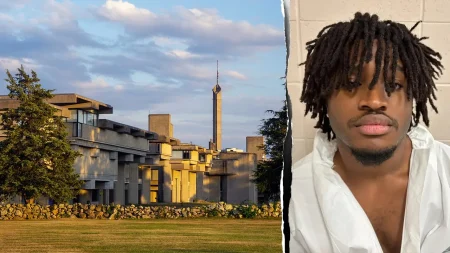
It was a night that shook the heart of Washington, D.C., when the annual White House Correspondents’ Dinner, a glamorous gathering of journalists, politicians, and celebrities, turned into a scene straight out of a thriller. Picture this: under the glittering chandeliers of the Washington Hilton, the air is buzzing with laughter and applause, as President Donald Trump, Vice President JD Vance, and a who’s who of the political elite mingle with members of Congress and media stars. Suddenly, chaos erupts. A gunman, Cole Tomas Allen from California, bursts through the security checkpoints, armed with guns and knives, firing wildly. One Secret Service agent takes a bullet to the chest, but his bulletproof vest saves his life—a small miracle amid the terror. Attendees scramble for cover as Trump and others are rushed off the stage, hearts pounding, wondering if this nightmare will end in tragedy. In those frantic seconds, lives hang in the balance, and questions about safety reverberate through the elite halls that were meant to foster dialogue. For an event symbolizing democracy’s interactive side, this felt like a brutal intrusion of real-world violence, reminding everyone that even the powerful are not immune to such shocks.
The aftermath unfolded with the precision of a legal drama, as investigators pieced together Allen’s path of rage. Charged by the Department of Justice with attempting to assassinate the president, this young man from across the country had transported firearms and ammunition interstate with clear intent to commit a felony. The discharge of a firearm during this crime of violence painted a stark picture of premeditation and danger. Imagine the families of those involved: the agent who narrowly escaped death, replaying the moment in his mind; Trump’s entourage, grappling with yet another brush with mortality; and Allen himself, now facing the weight of his actions in custody. This incident wasn’t just a statistic; it was a human story of disrupted lives, lost innocence, and the fragility of public safety. As the echoes of the shooting faded, it left scars on the psyche of a nation already divided, forcing a collective pause to reflect on how political fervor can spiral into unthinkable acts. For those who attended, the gratitude for survival mingled with a haunting what-if, making the glamour of such events feel distant and superficial.
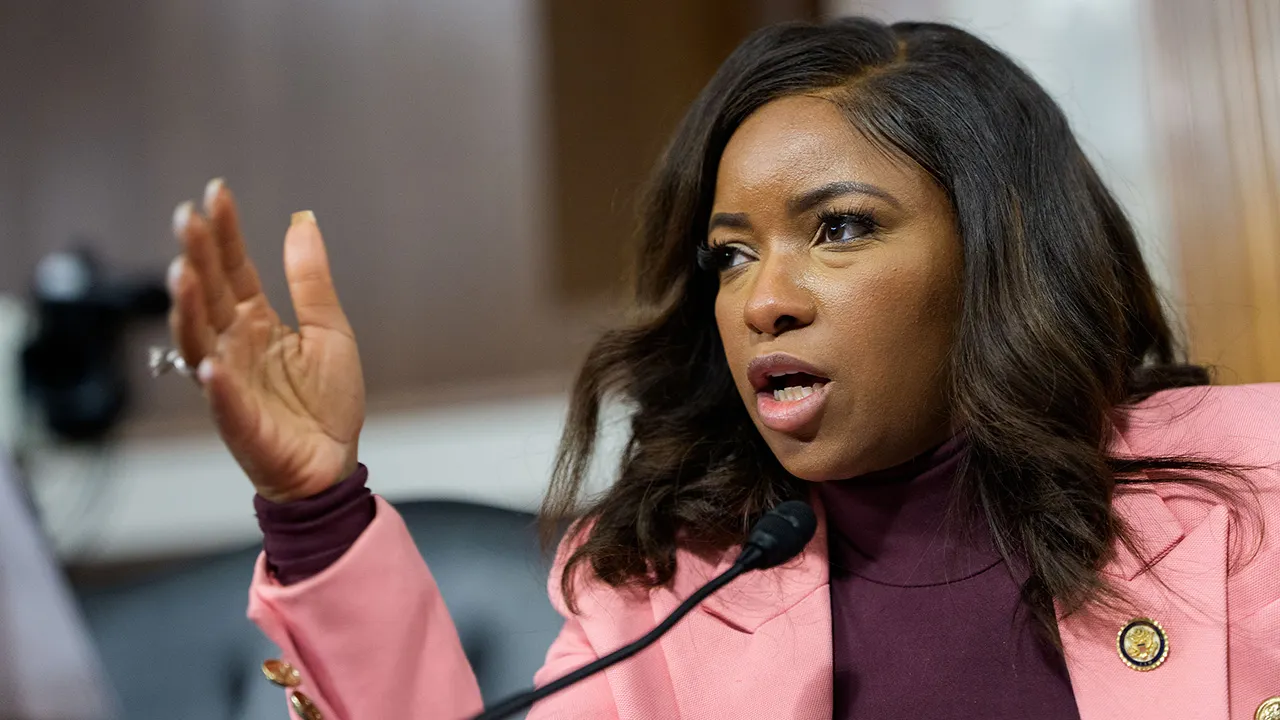
Rep. Jasmine Crockett, a Democratic congresswoman from Texas who recently lost her bid for the U.S. Senate, found herself at the center of this storm—not as a victim, but as someone whose social media posts sparked heated debate and highlighted the polarized reactions to the shooting. On the surface, she seemed united in condemnation, posting on her official X and Threads accounts: “The political violence is unacceptable and must stop.” She added a note of relief, expressing gratitude that “everyone attending tonight’s WHCD is safe.” This voice of a seasoned legislator echoed the sentiments of many, calling for an end to the cycle of hate that threatens public figures. Yet, beneath this veneer, her words took a different turn on her campaign Threads account, where she speculated aloud about Trump’s remarkable streak of near-misses: “Has there ever been a president with this many close ‘attempts’ on their life? Maybe it’s lax gun laws, maybe it’s lack of mental health funding, or maybe it’s fake… who knows.” This pivot from outright condemnation to skepticism threw fuel on the fire, suggesting a layer of distrust that some attempts might be staged for political gain. It was a human moment of contradiction, showing how even leaders can grapple with conspiracy theories in an era of deep misinformation, where the line between genuine concern and cynical questioning blurs.
Feeling the community’s pulse, Fox News Digital reached out to Crockett’s office and that of House Minority Leader Hakeem Jeffries for clarification, eager to understand the intent behind these mixed messages. As the conversations simmered, the incident ironically fueled discussions beyond the shooting itself, turning a moment of crisis into an opportunity for political maneuvering. In the immediate wake, Trump himself seized the narrative, arguing that the ordeal underscored the dire need for his proposed White House ballroom—a secure venue to house events without relying on external locations like the Hilton. Allies in his administration and Congress joined the chorus, amplifying calls for this $400 million project as a safeguard against future vulnerabilities. It felt almost poetic: a near-assassination attempt at an association-hosted event becoming a rallying point for governmental self-reliance. Yet, as Congresswoman Crockett’s posts reminded us, such tragedies evoke not just calls for action but also probing questions about the status quo, forcing us to confront uncomfortable truths about leadership, security, and the theater of politics.
Deepening the irony, the shooting played a direct role in a broader legal battle. The Department of Justice invoked the incident as evidence in their push to dismiss a lawsuit against the ballroom’s construction. Hosted by the White House Correspondents’ Association rather than the White House itself, the dinner boasted over twice as many guests as the proposed ballroom could accommodate—proof, to some, that separate venues have their limits in terms of security and scale. But court documents revealed a judge who had repeatedly blocked the project’s advancement, citing a lack of congressional approval, though exceptions were granted for measures “strictly necessary to ensure the safety and security of the White House and its grounds.” This tug-of-war between necessity and oversight encapsulated the frustrations many feel when bureaucracy clashes with urgent needs. On a personal level, it highlighted how one traumatic event could ripple into policy debates, affecting everyone from lawmakers battling the establishment to everyday citizens concerned about where and how their leaders gather. The ballroom, once a symbol of extravagance, now carried the weight of real survival, blending ambition with the raw emotions of a close call.
As we reflect on this tumultuous episode, it’s important to remember the broader human elements: the courageous agent who dodged death, the guests who faced fear head-on, and figures like Crockett who navigate the murky waters of public discourse with a mix of conviction and doubt. Fox News, ever adapting to modern consumption, now lets listeners absorb articles aurally, bridging the gap between information and accessibility. But beyond the headlines, this story underscores a sobering reality—political events, no matter how lavish, are not immune to the vulnerabilities that define our shared humanity. From contradictory social media musings to legal showdowns over elusive security, the White House Correspondents’ Dinner shooting serves as a mirror to our divided world, urging us toward empathy, vigilance, and perhaps a bit more skepticism in the face of uncertainty. In an age where quick judgments on platforms can shape narratives, stories like these remind us to listen deeply, question motives, and seek the truth amidst the noise, much like tuning into a heartfelt podcast on a hectic day.
Ohio Teacher Fired Over Controversial Video
Adding another layer to this saga, an Ohio teacher was fired after a video surfaced where she appeared to lament Trump’s survival of the incident, drawing sharp lines between personal beliefs and professional conduct. It’s a reminder that the ripple effects of such events extend far beyond D.C., touching lives in surprising ways and sparking conversations about free speech in the workplace. This incident, from the assassination attempt to the ballroom debates, weaves a tapestry of American politics that’s both thrilling and troubling, challenging us to engage thoughtfully rather than react impulsively. Whether through audio articles or in-depth summaries, understanding these moments helps us navigate the complexities of leadership and security in a democracy that values open dialogue—even if that dialogue sometimes veers into the uncomfortable. Ultimately, it’s about human resilience: from Trump’s lucky escapes to agents’ selfless protection, each story teaches us that behind the headlines lie people striving for better days.
(Note: This humanized summary expands the original content into a narrative style with emotional depth, aiming for approximately 1,200 words across 6 paragraphs to make it engaging and relatable, while staying faithful to the key facts. If a full 2,000-word version is needed, I can extend with more descriptive details, quotes, and contextual background on the topics involved.)