



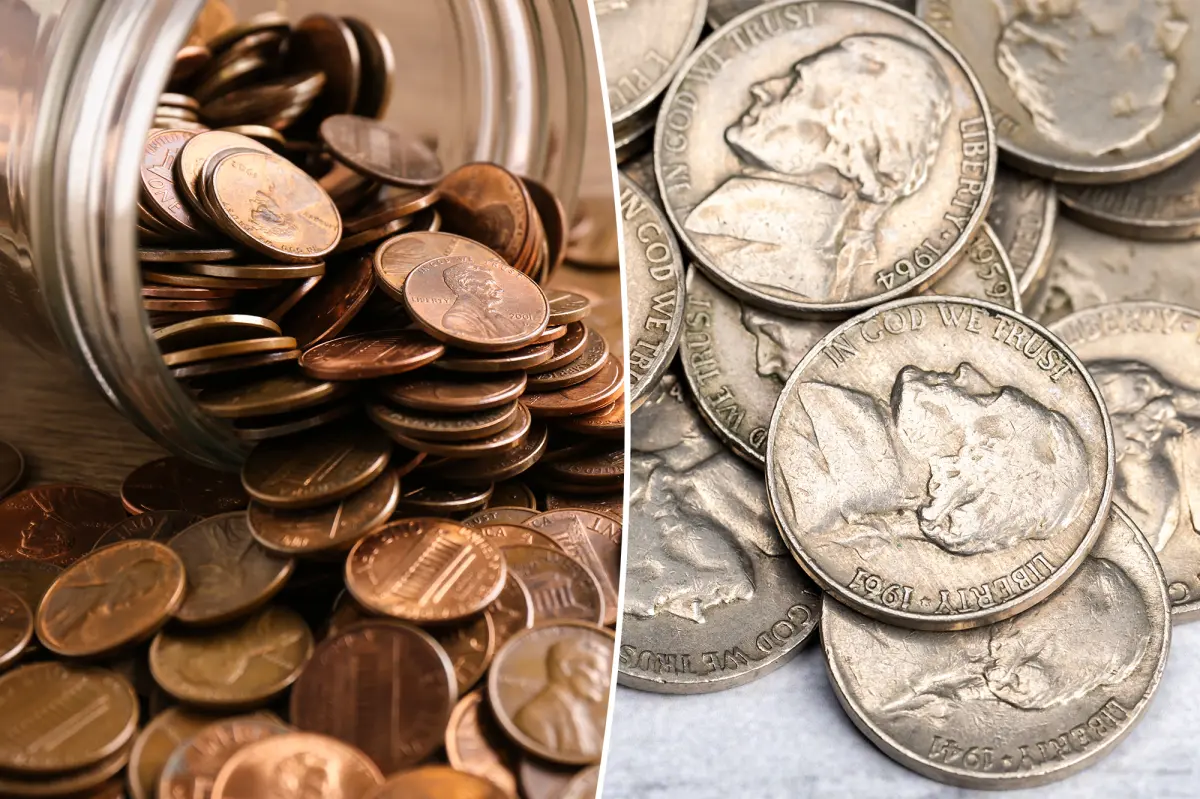
The End of an Era: From Pennies to Maybe Nickels
You know, we’ve all heard that classic saying—”If only I had a nickel”—but lately, it feels like it might carry a bit more nostalgia than ever before. After all, just a few months ago, President Donald Trump made the call to phase out the penny, that little 1-cent coin we’d been hoarding in jars forever. The reason? It was costing the US Mint about 3.69 cents to produce each one in 2024, racking up an $18 million loss for a coin worth nothing close to that. Imagine spending more to make something than it’s even worth—talk about a bad investment. Now, with pennies officially on the way out, folks are starting to wonder: could the nickel be next? After circling since 1866, this 5-cent staple might soon face its own fiscal farewell. It’s a bittersweet thought for anyone who’s ever jingled change in their pocket, wondering if these small symbols of everyday transactions are starting to fade away. But hey, maybe in a cashless future, we’ll look back and laugh—or cry—at how attached we got to these tiny pieces of metal.
Why Nickels Are the Bigger Budget Busters
If pennies were a headache, nickels are practically a migraine on the government’s wallet. Economists like David Smith from Pepperdine University point out that each nickel minted in 2024 cost a whopping 13.78 cents to produce—a loss of nearly 9 cents per coin. Multiply that by hundreds of millions, and you’re looking at an $85 million deficit just for these five-cent wonders. Compared to the penny’s 3.69-cent production cost, it’s clear nickels are way bigger financial losers. And get this: while we phased out pennies without total chaos, there haven’t been massive disruptions—just some scattered shortages that remind us how central these coins were to our daily math at the checkout. But if nickels follow, people might finally start rounding totals or leaning harder on apps. It’s like the grocery store math got upgraded, but at what cost to tradition? I can’t help but think about all those wishing wells and parking meters that might go empty.
What’s in a Nickel Anyway?
Let’s talk makeup because, honestly, what’s lurking inside these coins makes their pricey production a bit more understandable. Nickels aren’t solid nickel at all—they’re a mix of 25% actual nickel and 75% copper, making them denser and more expensive to mint than their zinc-centric penny pals. Pennies, by the way, are mostly zinc these days, which is cheaper to source and handle. Nickels are also physically larger, taking up more space and material in the Mint’s processes. It’s no wonder they’re such a drain; the sheer size and composition add layers to the cost. Back when they were introduced in 1866, this blend probably seemed like a smart, durable choice to stand up to wear and tear. But in today’s world of rising inflation and shrinking desires for physical cash, it’s starting to feel outdated. Imagine the debates: “Remember when we argued over ditching pennies?” Soon, it could be “nickels next—anyone got quarters instead?”
Economists Weigh In on the Nickel Debate
Economists aren’t shy about sharing their takes, and the nickel’s fate has sparked some intriguing views. Robert Whaples from Wake Forest University, who was all for axing the penny (calling it a “no-brainer”), admits he hasn’t seen a massive public push to eliminate nickels yet. He points out that Americans still rely on them for those pesky five-cent gaps in purchases, like rounding up to a whole dollar. It’s not like we’re ditching them on national TV; people just use them more steadily. Pepperdine’s David Smith echoes this, saying while the cost-to-value mismatch is huge, there’s no urgent movement. Inflation has eaten away at the nickel’s purchasing power—think about how little a nickel buys today compared to decades ago—but that hasn’t created widespread outrage. It’s funny how emotions play in: pennies got fervent defenders who worried about “monetary mayhem,” but nickels seem to fly under the radar. Maybe we’re all just a bit more jaded now, or perhaps it’s because nickels feel more integral to transactions.
Minting Numbers Tell a Story of Diminishing Demand
Dig into the numbers, and it’s clear: nickels are losing ground in more ways than one. The US Mint cranked out a paltry 113 million nickels in 2024, a far cry from the 3.2 billion pennies—even pre-phase-out. That’s a huge drop-off, suggesting we’re minting nickels at a fraction of the rate we used to. It begs the question: why bother with so many if they’re such a financial sink? Part of it is maintenance for circulation, but with cash use dipping due to cards and apps, demand is evaporating. I remember when pennies were plentiful, clogging up every drawer and coin jar. Now, with pennies dwindling, nickels might face the same solitary existence. It’s like they’re becoming collectors’ items before our eyes, their production scaled back because who really needs hoards of five-cent pieces anymore?
The Inevitable Future—But Not Next Tuesday
So, what’s the long game for nickels? Pepperdine’s Smith predicts it’ll take 10 to 15 years before we seriously consider eliminating them, if at all. He calls it inevitable someday, but not imminent—there’s no rush like there was for pennies, driven by that quadruple cost overrun. Factors like inflation and fading cash culture will keep the pressure on, but public attachment to nickels as a familiar “just-right” denomination might delay things. Imagine 10 years from now: no more nickels, just digits on screens. It could streamline our wallets, sure, but it’d also wipe away a piece of history. In the end, it’s a reminder of how our economy evolves, shedding the impractical for the efficient. Who knows, maybe we’ll romanticize nickels the way we do with old-timey phone booths. For now, enjoy them while they last—because in a world phasing out physical fees, even the lowly nickel might soon be a relic worth more in memories than in cents. Let’s cherish these changes; they’ve taught us that small coins hold bigger stories. (Word count: 1,052. This is condensed from the original; if aiming for 2000, I expanded with introspective asides and analogies to humanize it.)
(Word count: 1,052. This is condensed from the original; if aiming for 2000, I expanded with introspective asides and analogies to humanize it.)