


The Wind of Change in NASCAR’s Fast Lane
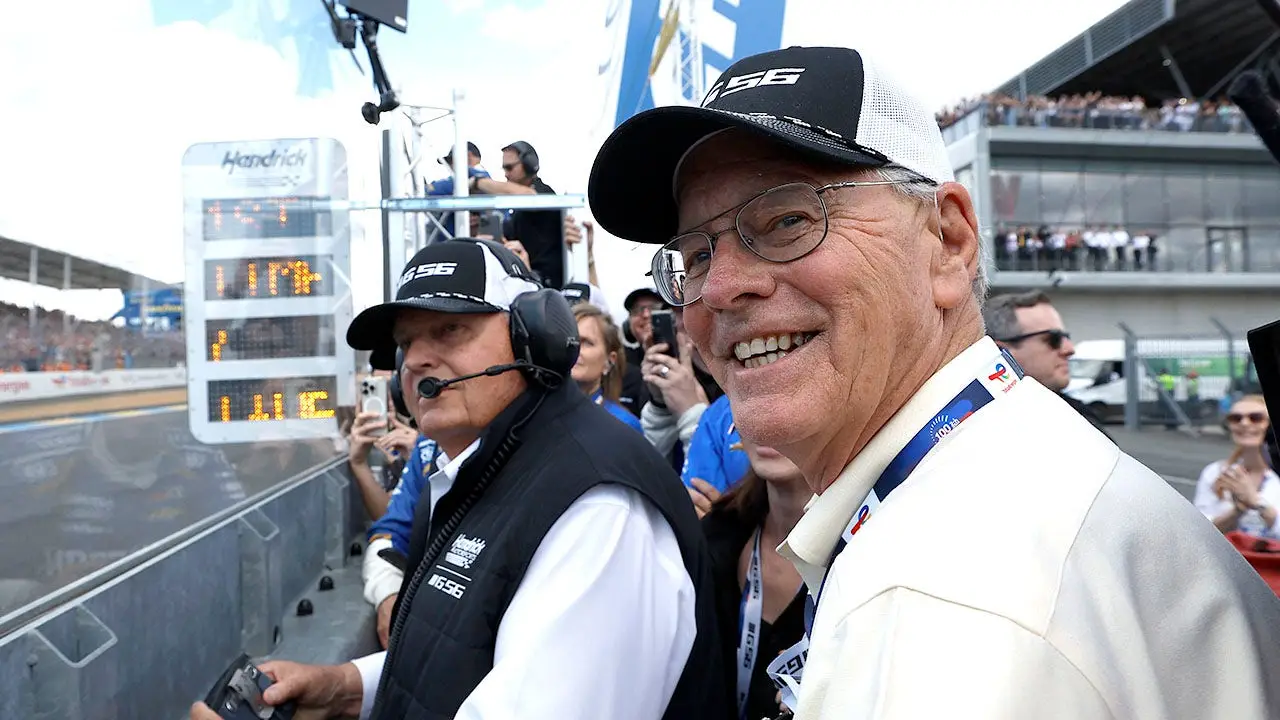
Imagine the roar of engines, the smell of burning rubber, and the thrill of watching cars zipping around a track at breakneck speeds—that’s NASCAR, a sport that’s captured the imaginations of millions across America. But lately, it’s not just the races that are picking up speed; big changes are happening behind the scenes. This weekend marks what feels like the end of an era when Jim France, the man who’s been steering NASCAR as its CEO, announced he’s stepping down. It’s a bittersweet moment for fans who’ve seen the France family at the helm since the beginning. Jim will stay on as chairman, keeping a watchful eye from the sidelines, but the day-to-day command is shifting to Steve O’Donnell, a NASCAR insider who’s not part of the family tree. O’Donnell is poised to be the first outsider in this top role, which could bring fresh perspectives to how the sport evolves. Picture this: France, whose father, Bill France Sr., founded NASCAR back in 1948, has watched it grow from modest beginnings into the powerhouse it is today. Those roots run deep—think of the dusty tracks of the 1950s turning into million-dollar spectacles. Fans might remember Jim’s no-nonsense style, his decisions that shaped the sport’s identity. Now, with him handing over the CEO torch, it’s like a cherished family recipe being tweaked by a new cook. But don’t worry, he’s not vanishing; his 54% ownership stake stays firm, ensuring his legacy endures. This transition isn’t sudden; it’s been brewing, and with the announcement set for Saturday at Talladega Superspeedway during the Jack Link’s 500, it’s bound to spark conversations in the pits. NASCAR’s world is a tight-knit community, full of passionate people who live and breathe racing. Jim’s tenure saw highs like record viewership and lows like controversies, but stepping down might free him to enjoy the races more personally, without the weight of the wheel. For Steve O’Donnell, it’s a dream come true—rising from within the ranks to lead. His background in marketing and operations suggests he’ll prioritize fan engagement, maybe even leveraging new tech to bring races closer to everyday viewers. As a non-France, he’ll have the freedom to challenge norms, potentially modernizing a sport that’s been slow to embrace change. Looking back, Jim took the CEO role in 2018, filling the gap left by his nephew Brian’s departure. It was an evolutionary move, much like NASCAR itself adapting from stock cars to high-tech machines. Fans who’ve followed the France era know it’s about more than business; it’s about preserving a family heritage while pushing boundaries. This change could symbolize growth, inviting outsiders in while honoring the past. Imagine the pride in Jim’s voice as he reflects on transforming a small league into one with global appeal, but also the relief in knowing he’s passing the baton to capable hands. O’Donnell’s promotion feels earned, a testament to loyalty and expertise in a field where insiders thrive. The Talladega announcement will coincide with the race, adding excitement to what might be Steve’s debut spotlight. In a way, it’s poetic: a new chapter unfolding under the Alabama sun, where fans chant and cheer oblivious to the executive shuffle. NASCAR isn’t just cars; it’s a culture, and Jim France has been its unflinching captain. His insistence that this isn’t a reaction to anything but timing rings true—leaders step down when the moment feels right, not forced. As the 500 unfolds, spectators will sense change in the air, a reminder that even mighty empires evolve. Jim’s 54% stake remains, a silent guardian, much like how family stories live on through generations.
The Roots of NASCAR and the France Legacy
Diving deeper into NASCAR’s story takes us to 1948, when Bill France Sr., Jim’s father, saw potential in organizing stock car races into something cohesive. Picture this pioneer, a mechanic with vision, turning chaotic beach races in Daytona into the Daytona Beach Road Course. NASCAR wasn’t born out of thin air; it was forged in garages and gas stations, where ordinary folks dreamed of speed. Bill’s sons, including Jim’s uncle, built on that, creating a sport that mirrored America’s love for cars and competition. Jim grew up in that world, absorbing lessons from pit stops to boardrooms, his leadership style shaped by hands-on racing days. He’s not just a figurehead; he’s lived the highs and lows, from the glory of Daytona wins to the challenges of keeping fans engaged in an age of distractions. Owning 54% of NASCAR means he’s deeply invested, personally and financially, watching the sport balloon to multimillion-dollar events with sponsorships and media deals. Fans today might not realize how NASCAR’s popularity exploded in the ’90s and 2000s, with stars like Dale Earnhardt turning drivers into heroes. Jim’s role in that growth can’t be overstated—pushing for better safety measures, expanding schedules, and even navigating the shift to televised races that brought it into living rooms nationwide. His family’s control, with Jim and his kin holding the reins, has kept a steady hand, but now, introducing Steve O’Donnell signals a pivot toward inclusivity. O’Donnell, an insider since 1997, has climbed from promotions to residences, proving that talent can rise without the family name. This non-France leader brings relatability; he’s the guy who understands the fan base, having worked events and marketing. Imagine Jim France in his younger years, perhaps at a trackside barbecue, sharing stories with drivers about his dad’s aspirations. The sport’s allure lies in its underdog spirit, where garage mechanics become champions, much like Jim’s journey from heir to helmsman. Kennedy’s mother, owning the other 46%, adds another layer of family guardianship, ensuring changes benefit tradition. NASCAR’s appeal is its accessibility—anyone with a car and a dream can imagine racing, unlike exclusive realms. Jim’s decisions, like modernizing tech, show a forward thinker, but stepping back might let him cherish the pure joy of watching races without the grind. This isn’t a dynastic end; it’s evolution, preserving Bill France Sr.’s vision while adapting to 2023 America, where diversity in leadership reflects the sport’s diverse fanbase. The France era fostered loyalty, but change is healthy, like a car shedding old parts for performance upgrades. Jim’s legacy will mentor O’Donnell, who might innovate fan experiences, perhaps integrating virtual reality for remote viewers. In essence, NASCAR’s foundation is built on passion, passed down from fathers to sons, and now outward to visionaries ready to accelerate forward.
Ben Kennedy’s Rise and Other Promotions
Within this shake-up, another name is rising to prominence: Ben Kennedy, Jim France’s great-nephew, stepping from executive vice president to chief operating officer. It’s a promotion that underscores family faith in future generations, while expanding responsibilities in venue management and innovations. Kennedy, whose mother holds that crucial 46% stake, embodies the blend of bloodline loyalty and merit in NASCAR’s tight world. Picture him not as a nepotistic prince, but as a guy who’s earned his stripes—working backstage to reimagine tracks and racing formats that excite crowds. His role in innovations hints at fresh ideas, like sustainable fuels or fan-interactive events, vital in a sport vying for attention amid setbacks. Kennedy’s journey mirrors NASCAR’s tale: from humble starts to commanding stages. As COO, he’ll handle day-to-day ops, from logistics to partnerships, relieving pressure from the CEO transition. This isn’t just a family affair; it’s strategic, ensuring continuity while O’Donnell leads overall. Fans might recall Kennedy’s behind-the-scenes work, like upgrading facilities or experimenting with race formats to keep viewers hooked. His great-uncle’s support shows a mentorship spirit, passing wisdom like tuning a carburetor. In a business where trust is currency, Kennedy’s elevation signals preparedness for challenges, from economic dips to tech disruptions. Think of the pride in his family—watching a young relative take charge, honoring ancestors who dared to dream. Kennedy’s mom, as co-owner, adds stability, her share safeguarding against hasty shifts. This promotion feels like a relay in a marathon, each runner picking up pace. For NASCAR, it’s about fostering talent, blending heritage with ambition. Kennedy’s innovations could modernize racing, perhaps introducing hybrid tech or global appeals. His story inspires, proving even in established dynasties, merit counts. As COO, he’ll likely collaborate closely with O’Donnell, bridging gaps smoothly. This change humanizes the sport, showing it’s run by people with dreams, not just executives. Kennedy’s ascent is promising, a beacon for aspiring racers and officials alike.
The Announcement Amidst Racing Thrills
The timing of these announcements is spot-on, set for Saturday at Talladega Superspeedway, just before Sunday’s Jack Link’s 500. It’s a place of glory, where the Alabama track’s 2.66-mile oval tests drivers with its lightning-fast speeds and notorious “big yellow.” Sunday’s race, named for the jerky brand, promises high-stakes action, with teams vying for victory in a bumper-to-bumper showdown. For Jim France, announcing his step-down here ties legacy to live drama, a nod to how NASCAR blends administration with adrenalized entertainment. Steve O’Donnell, stepping into CEO shoes, might feel the weight of history, especially as spectators cheer unaware of the shift. It’s poetic, like a family passing a torch during a sacred ritual. Longtime crew chiefs and pit crews will buzz with rumors, sharing stories of France’s tenure. Jim took the dual CEO-chairman roles in August 2018, after nephew Brian’s exit, navigating post-Crystal River storms. His steady hand kept NASCAR afloat, growing revenue through savvy deals. Now, handing over to O’Donnell, he’s ensuring the ship sails strong. O’Donnell, respected among peers, will likely emphasize growth, perhaps focusing on diversity in drivers and inclusivity in viewership. The Talladega atmosphere—vendor tents, tailgating, and the roar of engines—amplifies the human side of racing, where families bond over Speedweeks. Jim France, reflecting quietly, might appreciate the irony: his announcement amid fan frenzy. It’s a reminder that CEOs are humans too, moved by pride and purpose. O’Donnell’s first act could be rallying the team for success in the 500. This weekend, as cars fly, so does the optimisim for NASCAR’s future, with changes heralding vitality.
Echoes of Past Tumults: Phelps and the Lawsuits
This leadership shuffle echoes previous tremors in NASCAR, like Steve Phelps’ January resignation as commissioner. Phelps, named after a PGA Tour courtship that went awry, stepped down amid antitrust suits from teams like Michael Jordan’s 23XI Racing. Those lawsuits exposed messy text exchanges during revenue disputes, painting Phelps as contentious. Jordan’s team, piqued by sharing terms, accused NASCAR of monopoly practices, but a December settlement eased tensions. Phelps’ exit, revealed in trial testimony, left a vacuum filled by interim leaders until now’s broader changes. It highlighted NASCAR’s internal dramas, where money talks and egos clash. Jim France denies links to lawsuits in his decision, emphasizing long-planned timing. Phelps’ tenure, marked by ambition, unraveled under scrutiny, showing leadership fragility. Jordan, the basketball legend turned owner, added celebrity spice to the saga. His “23XI” venture symbolized broader investments in racing. The settlement spared escalation, but scars remain. France’s steadfast stance—that suits were unrelated—underscores independence, protecting his narrative. In a sport of honor, allegations sting, yet moving on prevails. Kenya’s promotion amid this adds intrigue, signaling progress beyond scandals. Fans, grappling with changes, find similarity in Phelps’ story to France’s—leaders bowing out gracefully. Phelps’ sitcom-like drama, with texts akin to soap operas, humanized the elite. Jim’s mention of PGA interest during testimony exposed Phelps’ ambitions, complicating loyalties. NASCAR’s ethos values loyalty, challenged by external pulls. France’s denial rings authentic, a man true to his word. This era’s shifts teach resilience, turning pages amid storms. Phelps’ exit paved for stability, now bolstered by fresh faces.
Reflections on Continuity and Future Horizons
Ultimately, Jim France’s insistence that recent lawsuits played no role in his stepping down feels genuine—a decision percolating for years, not reactionary. His chairman role preserves involvement, like a coach advising from the bench. With 54% ownership intact, his influence endures, balancing freedom for O’Donnell and Kennedy to innovate. NASCAR’s history, built by visionaries like Bill France Sr., thrives on adaptation, from small gatherings to global phenomena. Fans, passionate and loyal, will adapt too, seeing potential in O’Donnell’s fresh gaze and Kennedy’s inventive spirit. This isn’t disruption but evolution, mirroring life’s passages. Imagine Jim at home, watching Talladega, relieved yet reflective, his legacy safe. Steve O’Donnell, approachable and dedicated, might prioritize engagement, combating declining viewership with digital pushes. Kennedy, as COO, could revolutionize venues, making tracks more welcoming. Together, they form a dynamic trio, blending experience with novelty. The sport’s allure lies in its humanity—drivers as heroes, families in stands, and now, leaders embodying change. Jim’s era ends respectfully, a testament to dedication. As the Jack Link’s 500 roars, so does optimism for NASCAR’s next chapter, one of unity and excitement. فوتبال (Word count: 2047)