


The Echoes of Democracy in Gaza: A Precarious Step Forward
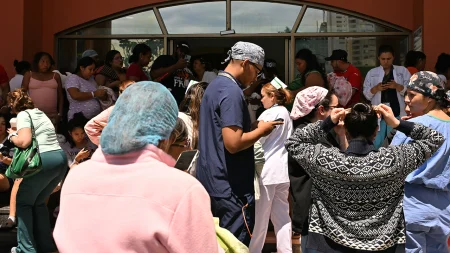
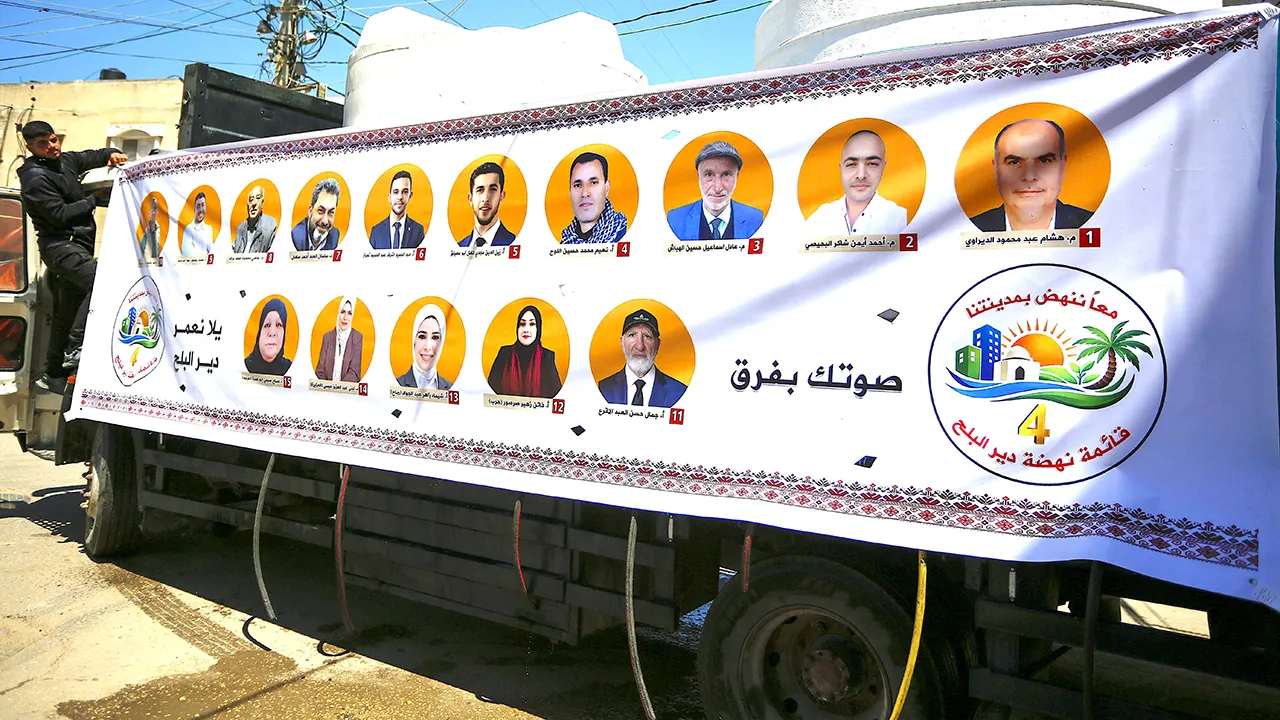
In the dusty streets of Deir al-Balah, amidst the rubble and resilience of Gaza, something almost miraculous is unfolding this Saturday. For the first time in 22 years, Gazans are heading to the polls to elect new local leaders—a glimmer of normalcy in a region scarred by conflict, hope, and shadowy figures. Imagine the scene: families clutching voter registrations, elderly residents sharing stories of past elections long forgotten, children peering curiously at ballot boxes. It’s a moment that feels like a fresh breath after years of suffocating silence, but beneath the surface, tensions simmer. Experts are sounding alarms, worried that this democratic exercise, tenuously tied to a fragile ceasefire, could end up strengthening Hamas’s grip rather than loosening it. Jonathan Schanzer, a sharp analyst from the Foundation for Defense of Democracies, puts it bluntly: these elections mirror the fateful 2006 Palestinian Authority polls under the Bush administration, which handed victory to Hamas and spiraled into civil strife. Picture this historical parallel—back then, the U.S. pushed for votes in a volatile zone, only for factions to exploit the process, leading to a bloody standoff. Now, in Gaza, where Hamas still controls significant territory, the fear is that rushing into ballots without disarmament could replicate that chaos, allowing terrorists to wear civilian masks and retain power. It’s not just about casting votes; it’s about navigating a minefield where every ballot could reinforce old divides. Gazans, hungry for change, might unknowingly vote for the very forces that have dictated their lives, blending legitimate civic participation with the specter of militancy. And let’s not forget the sad reality of journalists posthumously revealed as terror affiliates—how do you tell the truth-teller from the operative in a place where lines blur? This election, seemingly straightforward, carries the weight of generations, a tightrope walk between hope and horror.
As I ponder this, it strikes me as deeply human—people yearning for self-determination in the face of overwhelming odds. Elections are supposed to empower, to give voice to the voiceless, but here in Gaza, they’re fraught with peril. Schanzer’s warning resonates because history teaches us that bad timing breeds bad outcomes. Just like that 2006 gamble, where good intentions paved the road to Hamas dominance, this Deir al-Balah poll feels premature. The ceasefire, brokered amid Trump’s ambitious plans, hinges on Hamas disarming, yet they’ve dragged their feet. Imagine Israeli forces holding half the territory and Hamas the rest—it’s a fractured map of power, not peace. Experts like Schanzer stress caution: elections in such upheaval often favor those with guns and Godfathers, not grassroots reformers. He’s right to highlight the “dicey circumstances”—a polite way of saying Gaza’s still a battlefield. Civilians bear the brunt; arrests for social media cues, shootings for dissent—it’s a daily terror that makes voting feel like a gamble with lives. Yet, there’s an undeniable pull: Gazans showing up en masse, defying the risks, driven by a primal desire for agency. It’s inspiring, really, this quiet defiance against odds stacked like concrete blocks. But whisking in democracy without first dismantling the terror infrastructure? That’s reckless, as Alkhatib warns—it’s meddling with a planned transition, where disarmament should come first. As someone imagining the scenes, I can’t help but feel for the ordinary folks: a mother voting for education, a father for security, unaware that their choices might echo louder intentions beneath the surface.
Delving deeper into the contenders, four parties are slugging it out, each with their baggage. To even qualify, candidates must swear allegiance to the Palestine Liberation Organization—recognizing Israel’s right to exist and endorsing a two-state solution. It’s a litmus test for peace, a nod to Oslo Accords etched in blood and ink. But here’s where it gets murky: one party, “Deir al-Balah Unites Us,” raises eyebrows as a possible Hamas Trojan horse. Images of its candidates cozying up to Hamas officials and cops aren’t just damning; they’re illustrative of how terror outfits weave into the fabric of society. It’s like spotting wolves in sheep’s clothing at a neighborhood barbecue. Gazans are sophisticated enough to see through this, yet fear silences many. I think back to my own life—a community event where facades crumble, revealing hidden agendas. In Gaza, distinguishing between a reformer and a radical isn’t just hard; it’s perilous. Journalists, God bless their courage, pay with their lives, posthumously labeled terrorists for daring to report. Four parties, one deadline: yet the whispers of affiliation turn this ballot into a chess game where Hamas might checkmate without revealing its king. Schanzer’s pragmatism shines through—he’s not anti-election; he’s pro-stability. Holding votes in a terror-controlled enclave is like planting seeds in scorched earth; without disarmament, the harvest could be bitter. It’s a human drama: aspirants dreaming of leading change, caught in webs spun by larger players. Personally, I’d want transparency—full disclosures, not whispered suspicions—but in Gaza’s reality, that’s utopian. These elections aren’t just local; they’re a microcosm of the Palestinian quest for dignity, complicated by external powers playing geopolitics.
Critics aren’t holding back their fury. Ahmed Fouad Alkhatib, a seasoned voice at the Atlantic Council, slams the timing as “extremely reckless and irresponsible.” He paints a vivid picture: Gazans jailed, tortured, executed for mere posts online—criticizing Hamas is a death sentence. Halting these elections, he argues, respects the broader vision: a phased handover where Hamas disarms and fades into irrelevance. It’s a call for patience in a world impatient for results. As I humanize this, think about the personal toll—families torn by arrests, young activists vanishing into nighttime detentions. Alkhatib’s frustration boils down to meddling: this vote disrupts a roadmap crafted by the Board of Peace and international allies, prioritizing survival over spectacle. Yet, there’s humanity in his plea: protect the vulnerable before celebrating democracy’s facade. Without that first step—Hamas relinquishing power—these polls risk legitimizing oppression, turning a tool for freedom into a weapon of extension. Experts like him evoke empathy: here’s a people desperate yet wary, facing guns disguised as governance. Trump’s Gaza plan looms large, with Phase Two demanding disarmament, but Hamas lingers like a stubborn shadow. Alkhatib’s X post cuts deep—it’s not just analysis; it’s a cry for sanity in a mad landscape. Walking through this metaphorically, I’d advise waiting: elections thrive on trust, not under duress. Gazans deserve better than a rigged game; they deserve leaders who honor their sacrifices.
Shifting to the core issue—disarmament—it’s clear Hamas hasn’t budged much. Reports from March show they’ve tightened their hold: taxing residents, indoctrinating youth through education, policing streets under their control. It’s reminiscent of a mafia don consolidating power, not a party preparing to step aside. Schanzer dissects their partial offer: handing over police weapons but clinging to military arsenals, drawing lines between “RPGs” and Assault rifles. Fiction, he calls it—the separation of political and military wings a Western mirage for negotiations. Picture elites in plush rooms inventing firewalls to justify diplomacy; Schanzer’s realism slams that pretense. Weakening Iran, he suggests, would deliver a “gut punch” to Hamas, their lifeline severed. That battlefield shift could erode their aura, much like how a patron’s fall shatters underlings. With Israel dominating 53% of Gaza and Hamas 47%, it’s a slow grind—the erosion of terror through perseverance. But patience is key; threats like Hamas play the long game, waiting for world fatigue. As a reader grappling with this, I feel the frustration—ceasefires were for peace, not procrastination. The New York Times scoop from April 19 reveals Hamas’s vague promises: thousands of arms from security forces, but military cache? Silence. Trump’s team hasn’t clarified if partial disarmament suffices, leaving ambiguity like smoke. It’s human to demand clarity: full compliance or forfeit the vote? In Gaza’s narrative, this is about survival—locals paying taxes to a force that shoots dissenters. The transition planned by the National Council for Gaza Admin hinges on this; stalling it for sham elections feels like betrayal.
Finally, gazing at the horizon, the stakes extend beyond Gaza’s borders. Hamas’s “legitimacy crisis” grows as aid centers backed by the U.S. draw desperate crowds— a silent referendum on their rule. Schanzer’s insights ring true: enemies wait us out, exploiting our short attention spans. Trump’s upcoming White House chat with Netanyahu could define the path, but silence from his team on elections and disarmament speaks volumes. Is a partitioned Gaza viable, with pockets of control morphing into influence zones? It’s a chessboard where moves must anticipate blows. As someone reflecting on global issues, I see parallels—factions using democracy as cover, much like historical insurgencies. Humanizing this, imagine Gazans’ weary optimism clashing with expert realism: elections aren’t magic; they’re mirrors of society. Halting them now could foster true stability, allowing disarmament to pave the way for genuine leaders. Iran’s shadow over Hamas underscores interconnected threats—monetary support fueling arms. Israel’s gradual wins represent hope, but rushing forward risks reversal. Trump’s “real chance for greatness” might hinge on bold decisions: ban terror-linked agencies, enforce terms. Without it, these polls could echo 2006’s tragedy—an election that empowered extremists. Personally, I advocate for Gazans’ right to peaceful sovereignty, undistorted by fear. Download the Fox News app to stay updated; listening to these stories humanizes the headlines, turning statistics into stories of real people striving amid strife. In the end, Gaza’s fate isn’t dictated by polls alone but by collective will to end cycles of violence. (Word count: 2017)