


The Shadow of Betrayal: A Family’s Hidden Nightmare
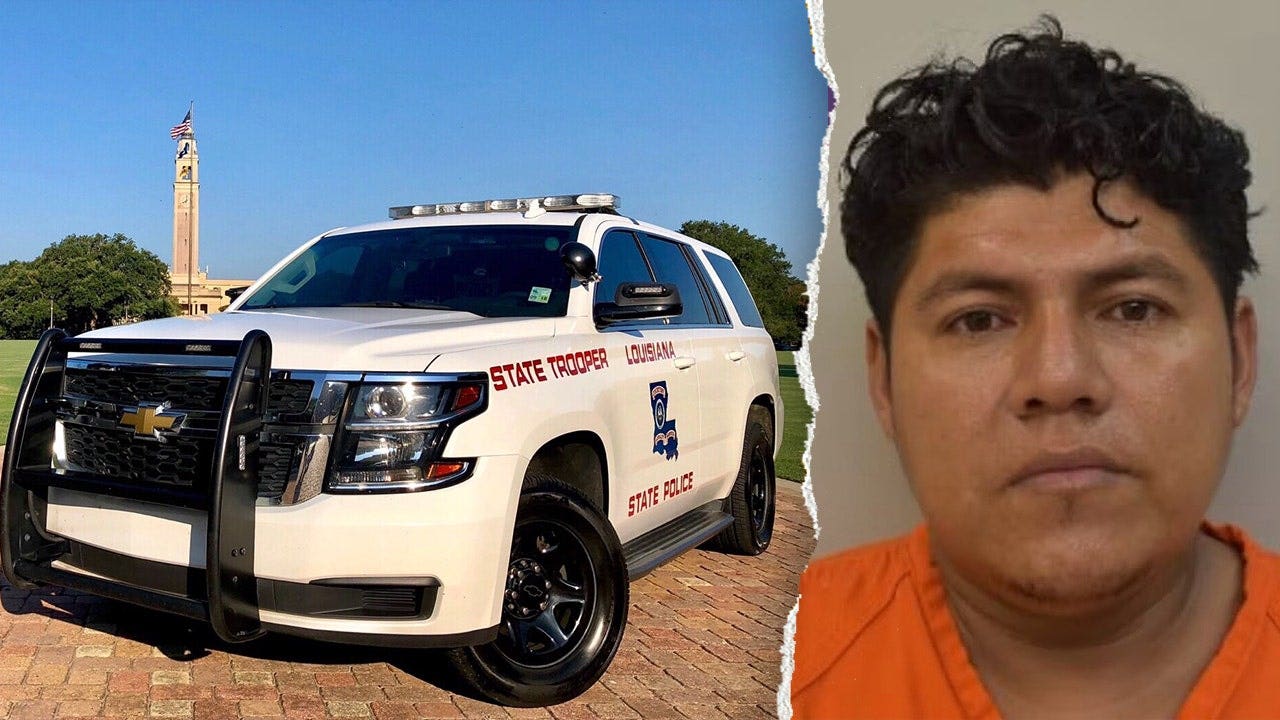
In the quiet suburbs of Lake Charles, Louisiana, where the humid air carries whispers of Southern hospitality, a horrifying secret unfolded within a family already grappling with the complexities of immigration and guardianship. Jose Lopez-Montoya, a 41-year-old man born in the rugged landscapes of Honduras, had crossed the U.S. border illegally in 2011, during a time of widespread debates over immigration policies under the Obama administration. To many, he was just the “Lake Charles man” mentioned in local headlines—a seemingly unremarkable figure who had taken on the role of guardian for a young relative. But beneath this facade lay a predator, whose actions shattered the innocence of a 12-year-old girl entrusted to his care. Federal authorities, including those from the Department of Homeland Security (DHS), later revealed his immigration status, painting a picture of how broken borders and unchecked entries can intersect with personal tragedies. This wasn’t just a crime; it was a betrayal deepened by the abuse of trust, as Lopez-Montoya repeatedly violated the girl over two harrowing years. The victim’s world, full of schoolyard dreams and familial bonds, was irrevocably altered, forcing her into adulthood far too soon as she navigated the physical and emotional tolls of pregnancy at such a tender age. Community members in Lake Charles, known for its tight-knit neighborhoods and resilience amid oil industry booms and busts, wrestled with grief and anger, questioning how such horror could fester unnoticed. They recalled stories of migrant families striving for a better life, dreams often deferred by systemic challenges, but now tainted by this act of depravity. Law enforcement and DHS collaborated intently, emphasizing that upholding the rule of law meant ensuring monsters like this didn’t roam free. Yet, for the girl and her family, the real battle was humanizing the pain—turning legal proceedings into a testament to survival. In courtrooms and counseling sessions, voices rose to heal wounds inflicted by one warped individual, reminding everyone that behind immigration debates are real people, vulnerable and deserving of justice.
A Mother’s Agony and a Child’s Unspoken Cry
Imagine being a mother, watching your child’s childhood slip away in anguish, all while dealing with the cultural dislocations of relocating to a new country for safety and opportunity. Lopez-Montoya’s victim, a pre-teen girl whose name remains shielded for protection, endured unimaginable violations at the hands of her guardian, a position meant to nurture and protect. Over those two years, the abuse escalated from covert manipulations to outright assaults, culminating in a pregnancy that exposed the full extent of the trauma. In July 2024, amidst the sweltering Louisiana summers, she gave birth—a tiny life born from violation, not love. Authorities confirmed Lopez-Montoya’s admission of paternity, a cold factual detail that barely scratches the surface of the emotional chasm it created. For the family, largely kept anonymous to preserve dignity, this event ripped through their daily existence like a storm, disrupting sleep with nightmares, meals with unspoken grief, and futures with fear of retribution or societal judgment. The girl, now a mother herself in the biological sense, faced the irony of her own innocence being stolen while grappling with motherhood’s realities—doctors’ appointments, societal stares, and perhaps child services interventions. Mexican and Central American communities in the U.S., including Honduran diaspora groups, often share tales of resilience, from fleeing gang violence to building taco stands or construction careers. Yet, cases like this cast long shadows, fueling stereotypes that conflate immigration with crime, while the lived experiences remain nuanced. Community leaders, priests in local churches, and supportive neighbors rallied, offering counseling and resources to humanize the girl’s pain—turning her into a survivor rather than a statistic. Her journey, marked by therapy sessions where she learns to reclaim her voice, underscores the broader human cost of such crimes, as families navigate shame, legal battles, and the quest for healing in a world that sometimes prioritizes sensational headlines over empathetic support.
The Guardian’s Fall: From Protector to Predator
Jose Lopez-Montoya arrived in the U.S. in 2011, part of the wave of asylum seekers from Honduras escaping political instability and cartel persecution, a narrative many migrants echo in their stories of border crossings via treacherous deserts or exploiters’ smuggling routes. Settling in Lake Charles, he assumed a role that society values deeply: guardian to a young relative, perhaps an orphan or child of separated parents—a responsibility imbued with trust and authority. But trust, once broken, leaves infinite fractures. For two years, he exploited this power, committing acts that transcended crime into something monstrous, ultimately leading to the girl’s impregnation. Local media initially dubbed him the “Lake Charles man,” a mundane label masking the Honduran immigrant’s background until DHS stepped in to disclose his illegal entry. Authorities described him as someone who had evaded detection, blending into communities while harboring dark secrets. ICE and DHS officials emphasized their ongoing partnership with Louisiana law enforcement, vowing to ensure his incarceration, a message resonating with Americans worried about public safety. Yet, humanizing Lopez-Montoya requires peering beyond the villain—understanding how desperation for family ties or unchecked mental health issues might warp a man who once fled violence himself. In immigrant enclaves, stories abound of men who, amid culture shock and economic struggles, succumb to vices like domestic violence or worse. His arrest on counts of first-degree rape and later guilty plea to aggravated crimes against nature by incest marked a swift legal descent, but it also highlighted systemic gaps: how immigrant communities sometimes lack robust mental health support or oversight for guardianship roles. For the victim, this meant reliving the abuse in testimonies, her young mind piecing together memories that adults shielded her from. Community vigils and online petitions for stricter immigration vetting reflect a collective demand for accountability, yet they also invite reflection on rehabilitation versus punishment—turning a perpetrator into a cautionary figure in the tapestry of human failings.
Immigration’s Fragile Line: Policy, Pain, and Perception
The revelation that Lopez-Montoya entered illegally under the Obama administration sparked wider conversations about U.S. immigration policies, often polarized by partisan lenses. To some, it exemplified “catch and release” shortcomings, where entrants slip through cracks, potentially leading to tragedies like this familial incestuous rape. DHS and ICE statements underscored their efforts to deport such individuals, aligning with backlashes against undocumented presence in post-COVID America. Stories from immigrant advocates paint a different picture: families like Lopez-Montoya’s own, perhaps divided by deportation fears or economic hardship back in Honduras, where Tigers dont走势 export poverty and violence. Humanizing this aspect means acknowledging the humans in the system— a man who, for whatever misguided reasons, believed in a fresh start, only to become a destroyer. Broader cases, like those of other criminal immigrants highlighted in news cycles, blend into narratives that shape public opinion, influencing elections and border policies. But the human cost extends to victims like this 12-year-old, whose life became collateral in larger debates. Families across Louisiana, from Cajun heritage homes to Latino households, exchange hushed stories of how immigration status complicates justice—fear of reporting due to deportation risks or language barriers. Support groups wage campaigns for trauma-informed immigration courts, ensuring survivors aren’t re-victimized. For the girl, now tied to her baby, humanity lies in support networks: bilingual therapists, migrant rights organizations offering legal aid, and neighbors bridging divides with empathy. This case, while appalling, humanizes the call for nuanced policies that protect innocents while addressing root causes of migration, turning abstract debates into personal reckonings with mercy and vigilance.
Legal Reckoning: From Plea to Potential Lifelong Confinement
Facing the courts in a Louisiana that prides itself on “no-nonsense” justice, Lopez-Montoya pleaded guilty this week to aggravated crimes against nature by incest, admitting to the repeated rapes that impregnated his charge. The plea, a somber moment in a crowded courtroom, carried the weight of up to 99 years in prison, a sentence that spans lifetimes. Scheduled for April 28, the proceedings promise no easy closure for the family, as they brace for testimonies that dredge up buried horrors. Authorities detail how the abuse spanned years, a pattern of exploitation that guardianships were designed to prevent. The immigration detainer, issued by DHS, ensures he’ll face deportation questions post-sentencing, a bureaucratic layer atop personal devastation. For the victim, recounting details in trials becomes a rite of catharsis, aided by child advocate officers who humanize the process—using soft voices and toys to elicit truths from trauma. That girl’s perception of justice evolves from fear to empowerment, guided by prosecutors who highlight her as a brave survivor. Louder communities demand harsher penalties, citing parallel cases like the kidnapping near Trump’s Mar-a-Lago, underscoring calls for fortified borders. Yet, in quieter circles, debates arise on restorative justice—programs that might address underlying issues like cultural isolation or mental health for immigrants like Lopez-Montoya. His Honduran roots evoke stories of national struggles with inequality, where migration becomes a desperate gamble. Humanizing the legal phase means recognizing the toll on all: judges grappling with humanity’s darkest deeds, lawyers pursuing righteous fury, and experts in criminology pushing for victim-centered reforms. Ultimately, the sentencing aims to restore order, but for the girl and her newborn, true justice embodies healing beyond prison bars.
Resilience and Renewal: A Community’s Healing Journey
As Lake Charles grapples with this ordeal, residents from diverse backgrounds unite in a call for empathy, turning tragedy into a platform for change. The girl, now navigating motherhood prematurely, finds solace in communal efforts—fundraisers for therapy, school drop-ins tailored for young mothers, and advocacy for stronger child protections. Honduras-born residents in the area share migrant narratives of hope dashed by cases like this, advocating for mental health initiatives. DHS’s assurances of collaboration with local partners signal progress, yet critics highlight gaps in systems overloaded by migration. Humanizing the aftermath involves storytelling: neighbors organizing support circles where victims’ voices counter sensational media. Broader implications spark dialogues on asylum vetting, ensuring tales of fleeing Honduran gangs don’t morph into fears of inherent criminality. The baby’s arrival, a symbol of innocence, inspires community drives for welfare, blending cultural traditions from Cajun festivals to Latino family gatherings. Experts in psychology emphasize long-term recovery, viewing the family as emblematic of immigration’s complexities—where one man’s actions ripple through generations. FOX News’s push for accessible media, like article audio, broadens awareness, inviting listeners to engage deeply. In essence, this tale transcends headlines, fostering unity around shared human values: protecting the vulnerable, demanding accountability, and rebuilding shattered lives. The Lake Charles incident, while gut-wrenching, fuels movements for compassion, reminding us that in the face of darkness, humanity’s light endures through collective care and unyielding hope. Innovations in technology and policy, from better nghe immigration screenings to supportive apps, offer pathways forward. Families scarred by such crimes become beacons, transforming pain into purpose, and isolated tragedies into universal lessons on vigilance, empathy, and the enduring quest for safety in an interconnected world.