


The Heartbreaking Loss and a System in Question
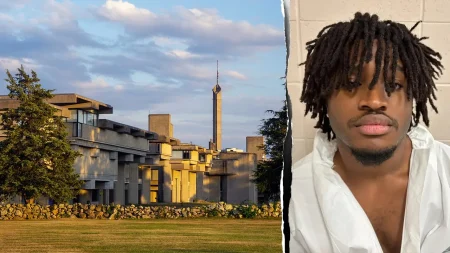
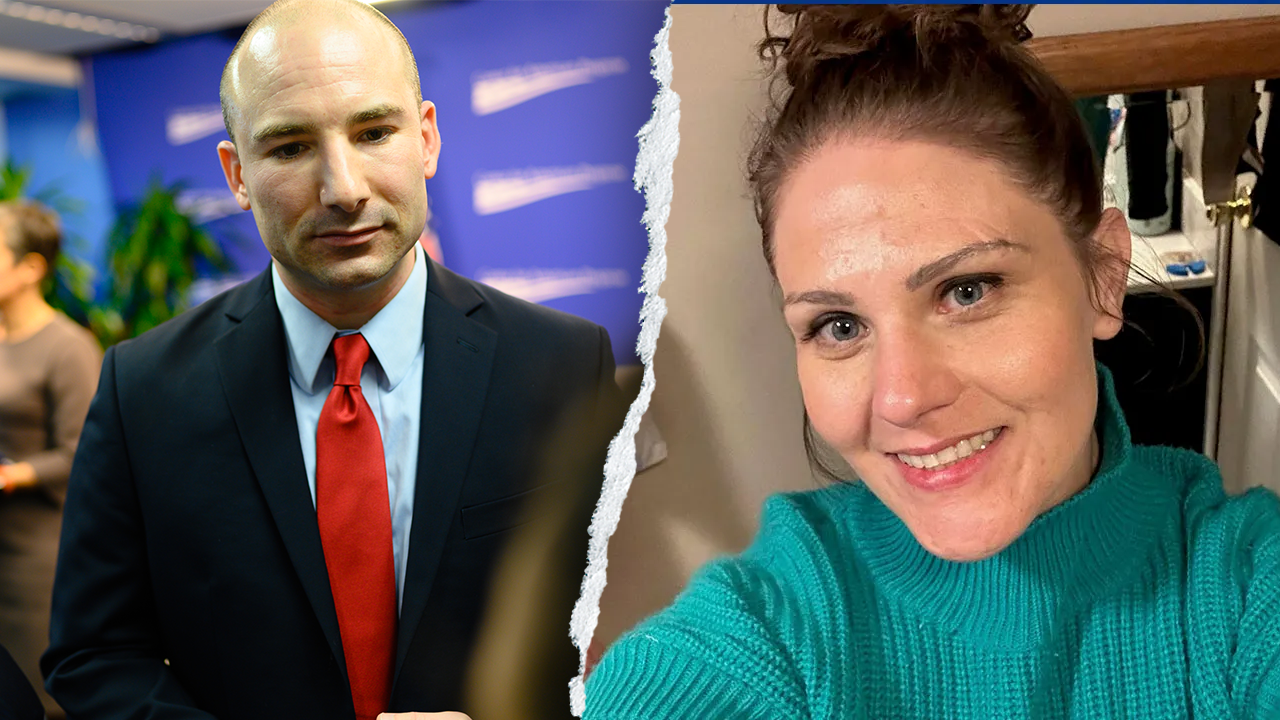
In the quiet suburbs of Fairfax County, Virginia, Cheryl Minter’s world shattered when she lost her 41-year-old daughter, Stephanie, in a senseless act of violence. Stephanie, a vibrant woman who had likely dreamed of a simple life filled with family and purpose, was stabbed to death at a local bus stop earlier this year. The perpetrator, Abdul Jalloh, a 32-year-old man from Sierra Leone who entered the United States illegally under the Obama administration in 2020, was quickly apprehended. Now held without bond and charged with second-degree murder, Jalloh’s path to this tragedy was paved by a system that, according to Cheryl, seemed to prioritize something— or someone—over public safety. “My daughter should be alive today,” Cheryl told reporters, her voice echoing the raw grief of a mother who has buried a child too soon. She explained how Jalloh had been released repeatedly despite a cascade of red flags: a final deportation order since 2020, a criminal history spanning over 30 arrests for offenses ranging from rape and assault to drug possession and identity theft. In 2023, he was convicted of malicious wounding, receiving a seven-year sentence with five years suspended; he served just seven months behind bars before being back in society. Imagining Cheryl’s anguish, one can picture her scrolling through old family photos of Stephanie laughing with friends or sharing holidays, only to confront a reality where such joys were snatched away by what she perceives as systemic failures. The Victims Rights Reform Council (VRRC), an organization dedicated to advocating for those harmed by violent crimes, stepped in on Cheryl’s behalf, filing a federal civil rights complaint against Fairfax County’s commonwealth attorney, Steve Descano. They argue that Descano’s lenient policies directly contributed to this “preventable” murder, framing it not just as a personal loss but as a symptom of broader inequities in justice. As Cheryl navigates this grief, she grapples with the injustice: “Had I murdered someone, I would be doing life in jail,” she said, highlighting perceptions that illegal immigrants often face lighter consequences than citizens for similar acts. This isn’t just about one death; it’s a family’s plea for acknowledgment in a world where mourning blends with anger at unseen hands that failed to act. The complaint opens a window into the emotional toll on families like the Minters, who must relive the horror while fighting for change, reminding us that behind statistics are real people—mothers, daughters, fathers—whose lives are forever altered.
A Man with a Troubled Past and a Nation’s Borders
Abdul Jalloh’s story is one of opportunity squandered and borders breached, painting a portrait of an individual whose actions shattered countless lives, starting with his own. Born in Sierra Leone, Jalloh entered the U.S. illegally in 2020, during a time when immigration policies were under intense scrutiny. Shortly after, he accrued a litany of arrests—over 30, according to records—spanning serious crimes like rape and assault. Yet, despite clear warnings of his dangerous nature, Jalloh was repeatedly let go under policies that, critics say, downplayed his immigration status. In 2023, a conviction for malicious wounding led to a slap-on-the-wrist sentence: seven years, with most suspended, and only seven months served. This leniency allowed him freedom until that fateful bus stop encounter with Stephanie Minter. From a human perspective, Jalloh’s life reads like a cautionary tale of unchecked behavior; one can imagine a young man arriving with hopes for a new start, only for choices or circumstances to spiral into criminality. Reports indicate he had been deported before, yet policies in sanctuary areas like Fairfax seemingly shielded him from full accountability. Cheryl Minter, speaking with palpable frustration, notes the disparity: it appears citizens face harsher penalties for the same offenses, leaving families to question if equality under law has been eroded. As Jalloh sits in custody now, charged with taking a life, the broader narrative ties into national debates about immigration and crime. Virginia’s Fairfax County, one of the nation’s most populous, has seen fairy-tale-like situations where sanctuary policies intersect with violent acts. The Department of Homeland Security reveals that three of the four murders under active investigation there were committed by illegal immigrants—a statistic that doesn’t just spur policy debates but evokes the fear and sadness in communities grappling with safety. For the Minter family, Jalloh’s past isn’t abstract; it’s the ghost that haunts their every day, a reminder that someone with such a history wandered free, crossing paths with their beloved daughter at the most ordinary of places: a bus stop. This humanizes the issue, turning cold facts into stories of potential averted tragedies, of borders not just as lines on maps but as protections for everyday citizens going about their routines.
The Prosecutor with Powerful Backers
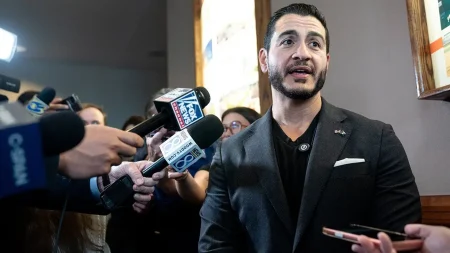
Steve Descano, Fairfax County’s commonwealth attorney, rose to prominence amid a whirlwind of political funding that has now become fodder for controversy. Elected in 2019, Descano’s campaign was fueled by a staggering $627,653 from the Soros family’s Justice and Public Safety PAC, constituting about 70 percent of his funding. This backing, from a family often linked to progressive causes, propelled him into office, but it has also invited scrutiny over his policies toward crime, especially involving illegal immigrants. For Descano, a career in law has been marked by a commitment to what he sees as fair and balanced justice, but critics paint a different picture: one where ideology trumps public safety. In interviews, Descano stresses his office’s dedication to keeping communities safe, dismissing claims of favoritism as “purposeful misreporting” by those seeking political gain. He points out that his team handles cases impartially, rejecting allegations of discrimination. Yet, the Soros connection looms large, symbolizing to some a network influencing local decisions from afar. George Soros, a billionaire philanthropist with a history of supporting liberal prosecutors, funds initiatives aimed at reforming the criminal justice system, often with an eye toward reducing incarceration and immigration enforcement. For acquaintances of Descano, this support might seem like a lifeline in a competitive political landscape, helping a committed attorney bring fresh perspectives to a role fraught with tough choices. However, for families impacted by crime, it feels like an invisible barrier to accountability. Descano himself appears earnest in his responses, reiterating that his office doesn’t favor one group over another. Standing outside the Fairfax County Courthouse, he addressed reporters after a sentencing, emphasizing safety as the ultimate goal. But as he faces a federal complaint, one can humanize this figure: a prosecutor perhaps true to his convictions, navigating the pressures of public office, from campaign debts to media scrutiny. The funding narrative adds layers, portraying a man whose ascent was boosted by influential advocates, yet whose tenure is now defined by accusations of leniency that have deadly consequences. In Cheryl Minter’s eyes, this isn’t just about politics; it’s about a system that enabled her daughter’s killer to roam free, suggesting a web of influence that prioritizes certain offenders over victims.
Allegations of Systemic Failures and Discriminatory Practices
At the heart of the complaint against Steve Descano’s office lies a series of pointed allegations that dig deep into prosecutorial practices, revealing what VRRC describes as deliberate indifference to public safety. The organization claims Descano’s policies systematically mitigate immigration consequences in criminal cases, effectively shielding illegal immigrants from harsher outcomes. For instance, they argue that repeated releases of known violent offenders under Descano’s watch were not mere oversights but intentional choices rooted in ideology. Jennifer Harrison, VRRC’s executive director, summed it up poignantly: “When known violent offenders are repeatedly released despite clear warnings, and policies yield unequal outcomes, the federal government must act.” This humanizes the complaint by focusing on the lived experiences of those affected—victims and their families who feel justice is unevenly applied. Harrison’s statement underscores a demand for accountability, painting a picture of a system that failed not just one woman, but “too many others,” evoking images of grieving families echoing Cheryl Minter’s cries. The complaint details “discriminatory prosecutorial practices,” suggesting that immigration status is weighed too heavily in sentencing decisions, potentially under the influence of external factors. Speculations of “potential outside influence” on policy add intrigue, hinting at the Soros funding as a shadow over impartiality. For communities in Fairfax, this isn’t abstract; it’s experienced in the fear that predators like Abdul Jalloh can evade full punishment, allowing cycles of violence to persist. Cheryl punctuates this with her personal anguish, feeling that her daughter’s case exposes a deadly flaw in how justice is meted out. To empathize, consider the emotional weight on prosecutors: juggle heavy caseloads, societal expectations, and ethical dilemmas under public gaze. Yet, the allegations portray Descano’s office as a machine favoring leniency for some, ignoring warnings about reoffending. This extends to broader patterns in sanctuary jurisdictions, where migrant crime sparks national outrage. By framing it as preventable tragedies, the VRRC amplifies voices like Cheryl’s, who see it as prioritizing ideology over safety. Such criticisms resonate with everyday citizens who wonder if their security is secondary to political agendas, turning legal debates into deeply personal battles for fairness.
Responses Echoing Through Hollow Halls
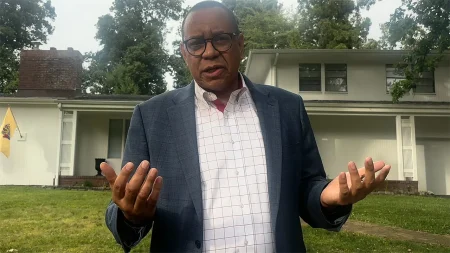
Amid the storm of allegations, voices on all sides chime in, creating a chorus of defense, indictment, and calls to action that echo the human drama unfolding. Steve Descano, ever the composed public servant, stood firm outside the courthouse, addressing the complaint indirectly. “The idea that we favor one group over another is completely wrong,” he asserted, attributing misperceptions to “purposeful misreporting” for political gain. He insisted his office’s sole mission is public safety, a refrain that likely stems from his dedication to a career built on fairness. Watching Descano speak, one might see a man burdened by the weight of his decisions, defending a legacy tarnished by association with high-profile funding. In a different light, Jennifer Harrison of VRRC cut through with urgency: “Equal justice means protecting innocent people—not prioritizing ideology over safety.” Her words, amplified by Cheryl Minter’s trauma, demand a federal pattern-or-practice investigation from the Trump Department of Justice into Descano’s policies. Sean Kennedy, head of Virginians for Safe Communities, added fuel with stark warnings: “Descano’s discriminatory policies are deadly,” alleging that if Stephanie Minter were alive, it would be due to equal treatment under the law. He urged the DOJ to “act now before another parent buries a child” due to such protections for illegal immigrants. From Kennedy’s perspective, this is not hyperbole but a rallying cry born from witnessing recurring patterns. Cheryl herself, in her statements, blends sorrow with outrage, suggesting citizens endure harsher fates, humanizing the debate with familial loss. The DOJ, when reached, offered no immediate comment, leaving a void in the narrative—as if the system’s gears are still grinding, indifferent to the pleas. In another recent case that mirrors this tension, an 18-year-old illegal immigrant, Israel Flores Ortiz, was sentenced to 360 days for groping teenage girls, with Descano expressing contentment. Yet, he’ll serve only 135 days, sparking further criticism. These exchanges reveal a fractured dialogue: prosecutors upholding their ethos, advocates pushing for reform, and families clutching at justice’s frayed edges. Humanizing it, imagine the late-night emails, the tense meetings, the personal toll on all involved—from a mourning mother to a defending attorney—each navigating their role in a larger story of safety and equality.
Broader Implications and a Call for National Reform
As allegations swirl around Fairfax County’s prosecutorial practices, the story of Stephanie Minter and Abdul Jalloh ripples outward, mirroring nationwide tensions on immigration, crime, and justice. Sanctuary policies, which limit cooperation with federal immigration enforcement, are under the microscope in localities like Fairfax, where three-quarters of active murder investigations involve illegal immigrants per DHS data. This isn’t isolated; it fuels debates about whether such policies embolden dangerous actors or reflect compassionate reforms gone awry. For Cheryl Minter, the complaint represents a beacon toward accountability, demanding the DOJ scrutinize patterns that she perceives as discriminatory and deadly. Her journey from grief to activism encapsulates the emotional arc of countless families thrust into advocacy, challenging a system that feels rigged. Descano’s Soros-funded rise adds layers, symbolizing ideological battles that divide communities: progressive reforms versus demands for stricter law enforcement. In human terms, this pits personal losses against political narratives, where one mother’s story becomes a flashpoint for questioning national priorities. Advocates like those at VRRC envision equal justice for all, urging federal intervention to prevent repeat tragedies. Sean Kennedy’s pleas resonate, warning of more “buried children” if policies favoring immigrants persist. National outrage, amplified by media, humanizes the issue—transforming statistics into faces, like Stephanie’s, lost to an avoidable fate. Policymakers grapple with balancing humanitarian impulses and public security, often conflating compassion with dereliction. As the complaint seeks a thorough investigation, it highlights systemic flaws: lenient releases, mitigated immigration impacts, and external influences that critics argue skew outcomes. For affected communities, this is a quest for reassurance, a hope that justice adapts to protect the innocent without favoritism. In descano’s defense, his office claims dedication to safety transcends politics, yet public trust hinges on transparency. Ultimately, stories like this catalyze calls for change, urging a reevaluation of how sanctuary areas handle migrant crime—a narrative pulsing with urgency, loss, and the promise of reform for a safer, fairer society. As Fox News taps into audio delivery, extending reach to listeners, these human elements ensure the conversation endures, compelling reflection on where justice truly lies. (Word count: 2015)