


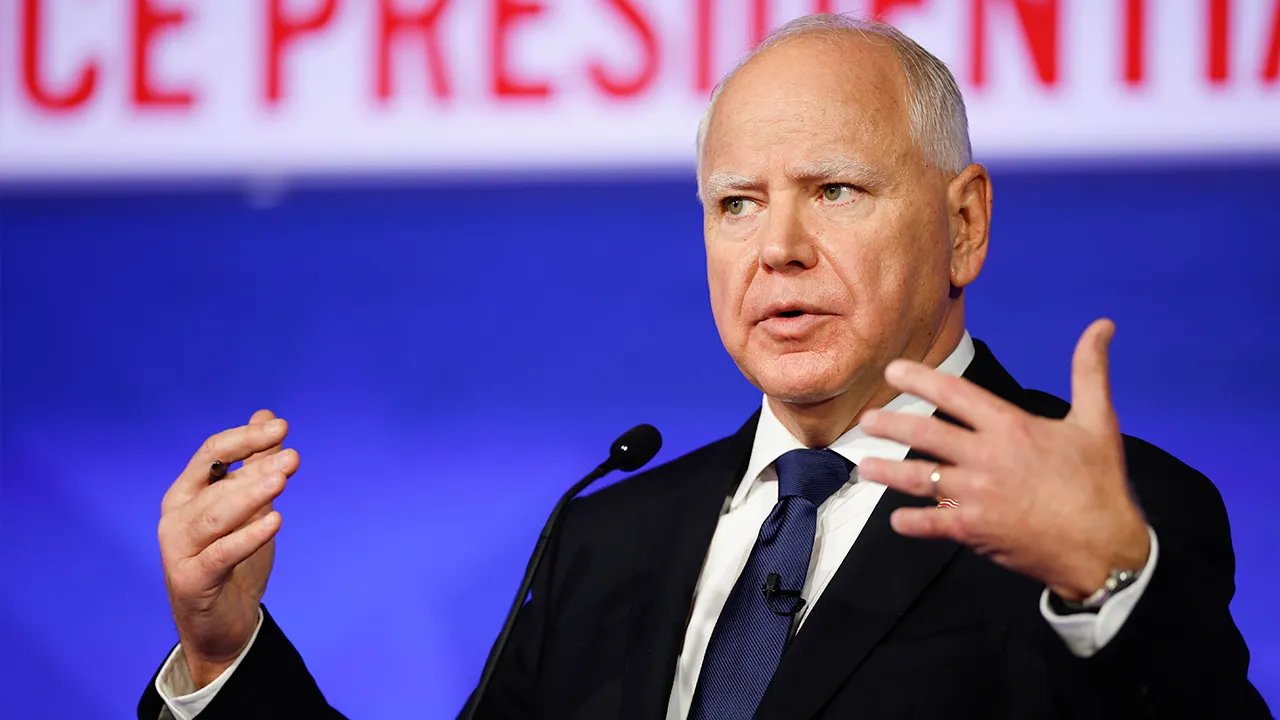
Minnesota Governor Tim Walz has always had a knack for stirring up controversy, and his latest move is no exception. Just imagine, a guy who grew up in small-town Nebraska, working the farm and hunting game, deciding to launch a political action committee (PAC) right in the heart of America’s political drama. On a crisp Monday morning in October 2024, Walz unveiled “Small Town PAC,” a venture aimed at reconnecting Democrats with the forgotten corners of America. It’s not just about throwing money around; it’s about Tim stepping into those rundown diners and community halls where folks sip coffee and swap stories, trying to rebuild trust where it’s been frayed. Walz posted on X about it, saying Democrats need to “show up in more places,” painting a picture of hardworking people in places like his own rural Minnesota, where life is tough but resilient. But here’s the kicker: conservatives erupted online faster than a wildfire in dry grass.
The name “Small Town PAC” became fodder for relentless mockery almost immediately after Politico broke the news. You could almost hear the chuckles and groans echoing through the Twitterverse as conservative voices like columnist Dustin Grage and Republican rep Harry Niska piled on. “Small towns and townships overwhelmingly voted against you, Tim,” Grage tweeted, zeroing in on how rural areas rejected Walz’s policies. It was like old wounds reopening; in 2024, when Walz ran for VP with Kamala Harris, he tried so hard to cozy up to rural voters by talking hunting and blue-collar life, but many saw it as inauthentic. Niska chimed in that in eight years as governor, Walz’s Democratic Farmer-Labor Party (DFL) has alienated folks in “Greater Minnesota,” those expansive rural stretches. And let’s not forget the personal jabs—Grage dredged up the nickname “Tampon Tim” from Walz’s days supporting menstrual products in all school restrooms, including boys’, dubbing him unfit for small-town values. It felt like a front-row seat to a family feud, where one side sees Walz as out of touch, pushing what they call “trans insanity,” open borders, and defunding police.
Vocal critics linked Walz’s ideas to broader frustrations bubbling up across America. Daniel Turner from Power the Future blasted Walz for hating everything small-town folks hold dear, rattling off issues like rampant crime and “Somali fraud” scandals under his governorship. Kristin Robbins, a GOP state rep eyeing the gubernatorial seat, accused Walz of disparaging rural communities through his “left-wing policies,” referencing groups like Rocks and Cows HQ that skewer his rural appeals as phony. It was a gut-punch to Walz, who once bragged about his hunting trips and folksy demeanor, but now faces a wall of disdain. These reactions weren’t just political; they struck at personal levels, where rural America feels besieged by economic shifts, cultural changes, and policies that seem to ignore their way of life. For many conservatives, Walz embodies the urban elite dismissing their struggles, turning small towns into battlegrounds for bigger ideological wars.
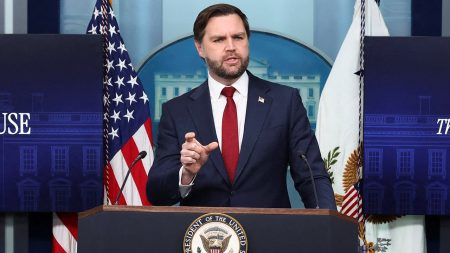
But Walz didn’t back down; instead, he fired back with a sharp critique of his own, targeting his former VP race rival, JD Vance. In his announcement, Walz said, “Republicans like JD Vance like to portray their small-town neighbors as petty, resentful, and small-minded.” He flipped the script, arguing the real problems stem from Republicans themselves—think about it, this is the same Vance who wrote “Hillbilly Elegy” and now champions Rust Belt woes. Walz positioned himself as the defender of small-town virtue, someone who understands the grit and community spirit. It was a bold move, injecting energy into his post-VP life, and won some nods from liberals tired of the GOP’s narrative dominance. Vance’s office retorted sharply: “The problem facing many small towns in Minnesota is that Tim Walz gives their money to fraudulent daycares.” That hit a sore spot, referencing the massive daycare fraud scandal that forced Walz to abandon his 2024 gubernatorial reelection bid. It painted a picture of Walz as both a victim of circumstance and a symbol of failings, his political comeback shadowed by past missteps.
Amid this political theater, “Small Town PAC” isn’t just a name—it’s a mission. According to the website, after leaving office at year’s end, Walz plans to invest in fresh Democratic talent with “energy, integrity,” and grassroots organizing to strengthen the party. He’s envisioning a bottom-up revival, where red-to-purple districts get real attention, not just lip service. This comes on the heels of Walz dropping reelection amid investigations into alleged fraud benefiting immigrant-owned businesses, a scandal that rocked his legacy. Humanizing this, imagine Walz—a former teacher, football coach, and National Guard veteran—reflecting in quiet moments about returning to his roots. He wants to be the bridge, not the divider, showing up for barbecue nights and town hall meetings, listening to stories of lost jobs and community pride. It’s a plea for Democrats to rediscover authenticity in an era of cynicism, where party’s identity often feels stuck in coastal bubbles.
Fox News reported no comment from Walz’s office, leaving the backlash to simmer online. This episode captures the raw pulse of American politics, where personal backstories collide with policy battles, and a man’s attempt to redeem himself in the eyes of skeptical voters. “Small Town PAC” could be a game-changer or just another flashpoint, but in the grand tapestry of democracy, it’s a reminder: small towns aren’t just backdrops; they’re the heartbeats of the nation. As Walz embarks on this new chapter, one wonders if his PAC will resonate with the very people mocking him now, or if it’ll deepen the divides. Either way, it’s a human story etched in ambition, regret, and the unyielding spirit of places too often overlooked. From Nebraska boy to governor to political architect, Tim Walz’s journey mirrors America’s own quest for unity in division. Conservatives see it as opportunistic; supporters, as hopeful. In this polarized world, “Small Town PAC” stands as a small-town dream: to rebuild, to listen, and perhaps, to heal. The experience feels intimate, like sitting around a kitchen table debating futures, far from the headlines’ glare. It’s politics infused with humanity, where every name and nickname reveals deeper truths about who we are and what we value. As the PAC launches, the echoes of past elections linger, but so does the promise of new beginnings. Walz, with his gravelly voice and earnest gaze, embodies that duality—flawed yet forward-looking—a man trying to recapture the magic of shared American soil. In rural eateries and online forums, the story unfolds endlessly, a testament to the enduring power of place and politics intertwined. Will this PAC succeed? Only time will tell, but it’s already sparked conversations that matter, bridging divides one small town at a time. For those tuned into the drama, it’s more than news; it’s a slice of life’s messy, heartfelt journey toward connection. And hey, if you’re into multimedia, you can even listen to this on the Fox News app—because in our fast-paced world, why not hear the buzz firsthand? This is the essence of “Small Town PAC”: not just a venture, but a call to action, a nod to forgotten voices, and a challenge to redefine what’s possible in the face of adversity.<|control514|>In the ever-turbulent world of American politics, where every move can spark a digital storm, Minnesota Governor Tim Walz made a splashy announcement that seemed poised to divide rather than unite. Picture this: a guy whose roots run deep into the heartland, who hunted and farmed his way through Nebraska’s open fields, deciding to pivot from his vice-presidential defeat and launch a federal political action committee. Named “Small Town PAC,” it was unveiled on Monday in October 2024, as first scooped by Politico Playbook. At its core, Walz envisioned it as a lifeline to Democrats, urging them to “show up in more places” and rebuild power in forgotten hamlets. “Small towns and townships” are where he wants to invest energy, he tweeted on X, drawing from his blue-collar upbringing to appeal to the everyday folks who toil in those quiet communities. But beneath the heartfelt rhetoric, conservatives were ready with their pitchforks, mocking what they saw as yet another insincere outreach from a man they feel has betrayed rural values.
The backlash exploded across social media like wildfire, turning the PAC’s name into a punchline. Critics didn’t hold back; Townhall’s Dustin Grage tweeted about how “small towns overwhelmingly voted against you, Tim,” pointing to Walz’s 2024 vice-presidential run where he touted his rural credentials—hunting, farming, and all—to skeptical audiences. “We think your policies are despicable,” Grage added, echoing a sentiment that Walz’s Democratic policies alienated Minnesota’s diverse landscapes. GOP state rep Harry Niska chimed in that Walz has spent eight years as governor showing “Greater Minnesota” that the DFL no longer represents them, with left-leaning stances on immigration, crime, and cultural issues. Then there were the personal digs, like dredging up “Tampon Tim,” a derogatory nickname from Walz’s support for providing free menstrual products in all school bathrooms, including boys’. Conservative radio host Gregory Jon tweeted, “Oh look, Tampon Tim wants to expand the fraud,” linking it to controversies like alleged scams in child care. It felt like a rerun of the VP campaign mockery, where Walz’s attempts at relatability were dismissed as performative, revealing deeper frustrations in rural America about being overlooked by urban elites.
Kristin Robbins, a Republican running for governor, amplified the criticism: “Small towns across Minnesota loathe @Tim_Walz… He infamously disparaged them as @RocksAndCowsHQ and his left-wing policies are opposed by most!” This referenced a satirical account that skewers Walz’s rural messaging. Daniel Turner from Power the Future piled on, decrying Walz for opposing “everything small towns stand for: open borders, trans insanity, defund the police, rampant crime, Somali fraud.” These online tirades painted Walz as out of touch, his administration plagued by scandals like daycare fraud that drained taxpayer money to benefit immigrant-owned businesses, forcing him to drop his reelection bid. It’s a human story here—the pain of rural voters feeling gaslit, their towns struggling with economic decay while national issues dominate headlines. Conservative fury wasn’t just about policy; it was a visceral cry from people who cherish self-reliance and traditional norms, seeing Walz as an intruder pushing agendas that threaten their way of life.
Walz, ever the fighter, flipped the narrative by targeting former rival JD Vance in his PAC announcement. “Republicans like JD Vance portray small-town neighbors as petty and resentful,” he declared, arguing that true perils stem from GOP policies. It was a pointed jab at Vance, the Ohio VP pick who’s authored “Hillbilly Elegy” and champions working-class woes. Walz positioned himself as the defender of authentic small-town spirit, not the caricaturist. Vance’s office retaliated: “The problem facing many small towns in Minnesota is that Tim Walz gives their money to fraudulent daycares.” This hit hard, referencing the ongoing scandal that tarnished Walz’s legacy and led to his withdrawal from the 2024 governor’s race. Fox News sought comment from Walz’s team but didn’t get a response, leaving the PAC to stand on its own. In Walz’s retort, you see a man recalibrating—once the folksy coach and soldier, now hardened by electoral losses and scandals, fighting to reclaim his narrative.
Post-office, Walz plans to channel “Small Town PAC” into cultivating “fresh ideas, energy, and integrity” for Democratic candidates, strengthening the party from grassroots up. The website envisions building futures by investing in people, a echo of Walz’s teacher background and commitment to public service. This venture emerges just four months after the fraud investigations erupted, compounding his personal narrative of redemption amid injustice. Humanize this: Envision Walz, perhaps alone at a cabin, pondering the backroads of Minnesota where he grew up and governed. He’s not just a politician; he’s a father, son, and husband grappling with public scrutiny, vowing to bridge divides in places that shaped him. The PAC is his olive branch, a bid to listen to diner conversations and porch debates, where issues like job loss and community erosion hit home. It’s a story of perseverance, mixing ambition with humility, in a climate where trust is hard-won.
Ultimately, “Small Town PAC” captures the soul of American discord—a governor’s gamble to humanize Democrats in red-leaning territories, met with scorn from those who feel abandoned. Conservatives view it as hypocrisy, amplifying scandals like Walz’s handling of fraud and policy clashes. Yet, for supporters, it’s inspirational, a call to embrace diversity and unity. And with options like listening on the Fox News app, this tale invites reflection on politics’ human side: flaws, fights, and fragile hopes. As Walz steps forward, his journey mirrors ours—a nation of contrasts, seeking common ground in the unlikeliest places. Whether “Small Town PAC” succeeds in mending fences or deepens rifts remains to be seen, but it’s already a catalyst for dialogue, proving that even in division, stories of place and people endure. From Nebraska roots to Minnesota leadership, Walz’s story is one of heartland grit, a reminder that small acts can ripple into big changes. In an age of polarization, it’s a plea: let’s show up, listen, and rebuild together. And if you’re following this, dive into the full dramas via Fox News—because understanding America means tuning into its every beat, from urban sprawl to rural rolls. This PAC isn’t just strategy; it’s emotion, ambition, and the relentless pull of home. Tales like this tug at our shared humanity, urging us to see beyond headlines and into the lives we share. Fame, scandal, and hope intertwine in Walz’s narrative, a testament to resilience. As he navigates this new path, it’s a mirror for all—reflecting dreams deferred and possibilities anew. Engaging with “Small Town PAC” feels personal, like rooting for a neighbor’s comeback. The stakes are high, the emotions raw, making politics less about power and more about the people it affects.seamnă In crisp autumn air, American politics swirled with controversy as Gov. Tim Walz unveiled his new venture, a bold step toward reclaiming lost ground for Democrats. Drawing from his Nebraska upbringing on family farms, where hunting trips and community gatherings shaped his worldview, Walz announced the “Small Town PAC,” a federal political action committee designed to prioritize rural America. Reported first by Politico Playbook, the PAC aims to organize in underserved towns, as Walz passionately shared on X: Democrats must “show up in more places” to win. It’s a personal mission for a man whose roots run deep in small communities, envisioning a reconnection with folks who call these quaint hamlets home. Yet, the name itself ignited a firestorm, exposing the chasm between Walz’s intentions and conservative skepticism, where critics saw through what they perceived as political theater.
Social media erupted into a frenzy of mockery, with voices from the right unleashing barbs that echoed beyond the screen. Townhall columnist Dustin Grage fired off, “Small towns and townships overwhelmingly voted against you, Tim. We think your policies are despicable,” highlighting rural Minnesota’s rejection of Walz’s agenda. During his 2024 VP bid alongside Kamala Harris, Walz positioned himself as a blue-collar bridge, emphasizing hunting and hard work, but conservatives branded it inauthentic. State Rep. Kristin Robbins, a GOP challenger for governor, tweeted that Minnesotans loathe Walz, accusing him of disparaging rural life through groups like the satirical @RocksAndCowsHQ. The sentiment grew visceral; Daniel Turner from Power the Future declared small-town folks despise Walz’s stances on “open borders, trans insanity, defund the police, rampant crime, Somali fraud.” Each post peeled back layers of frustration, where rural inhabitants feel abandoned by policies they deem elitist, turning personal anecdotes into political ammunition against a former football coach now navigating national scrutiny.
Nicks like “Tampon Tim,” resurrected from Walz’s support for menstrual products in all school restrooms—including boys’—added fuel, as conservative radio host Gregory Jon quipped, “Oh look, Tampon Tim wants to expand the fraud.” These jabs weren’t frivolous; they humanized the divide, showcasing small-town sensibilities clashing with perceived liberal overreach. For these communities, issues aren’t abstract; they’re personal, from economic hardship to cultural shifts, painting Walz as an outsider who forgets where he came from. Amid this, Walz struck back at JD Vance, accusing Republicans of painting small-towners as “petty and resentful.” It was a rejoinder to Vance’s narrative of Appalachian struggles, positioning Walz as the true ally. Vance’s team countered, accusing Walz of squandering funds on “fraudulent daycares,” referencing scandals that forced his reelection withdrawal. Such exchanges reveal the raw underbelly of politics—exchanges not just of ideas, but of identities and lived experiences.
As Walz prepares to exit office, “Small Town PAC” promises a “ground-up” resurgence, as detailed on its website, investing in energetic leaders to empower Democrats. Emerging post-scandal, it reflects his resilient spirit—once a National Guard veteran and teacher—who’s breathed life into this venture. Imagine Walz, perhaps in a quiet Minnesotan diner, chatting with locals about futures untapped,his ambition burning despite setbacks. The PAC isn’t policy alone; it’s a heartfelt ode to overlooked voices, urging attentiveness to rural nuances. Yet, conservatives decry it as pandering, a cycle of electoral battles highlighting America’s polarized soul.
In this tale of ambition and backlash, “Small Town PAC” illuminates human stories within the machinery of governance. Walz’s journey, from farm boy to governor, underscores themes of perseverance amid adversity, as he seeks to redefine relationships with communities that shaped him. Critics see hypocrisy; proponents, hope. With Fox News offering listening options, it invites all to engage deeply, fostering empathy in divisive times. Whether it rebuilds or divides depends on reciprocity, reminding us of politics’ emotional core—dreams, regrets, and the pursuit of shared purpose. As Walz’s chapter unfolds, small towns become canvases for national narratives, where every citizen’s story matters. In the end, “Small Town PAC” is more than a label; it’s a human plea for connection, illuminating paths toward understanding in an often fractured landscape.