



Imagine yourself at a lively draft party, surrounded by family and friends, the air thick with anticipation as you watch the NFL Draft unfold on TV. You’re Shedeur Sanders, a promising Colorado quarterback hopeful, and the picks are flying by. The first round ends without your name called, then the second, and now the third is wrapping up. Excitement buzzes, but suddenly, your phone rings. It’s a prank call from Jax Ulbrich, a high schooler impersonating New Orleans Saints general manager Mickey Loomis. And get this—you’re live-streaming the whole thing for thousands of fans online. The call, dripping with bad intentions, goes viral in seconds, turning what should have been a private moment into national fodder. Sanders, ever the cool communicator, handles it with poise on camera, but behind the scenes, it’s a stark reminder of how vulnerable young prospects can be amid the chaos of the draft process. This wasn’t just any joke; it exposed a serious breach of privacy, where Jax had swiped Shedeur’s phone number right off his dad’s iPad in their home. The incident sparked outrage and led the NFL to rethink how they protect these rising stars. Now, as we dive deeper, picture the human side—teenagers making impulsive decisions that ripple through the pro football world.
Let’s rewind to April during the 2024 NFL Draft. Shedeur Sanders, a standout QB from Colorado, had been touted as a potential first-round pick, but as the rounds ticked by, he kept falling. By the time the Saints had the 40th overall pick, Jax Ulbrich—then a 16-year-old son of Atlanta Falcons defensive coordinator Jeff Ulbrich—decided to pull a stunt. Using his dad’s work iPad, which was left open and accessible during a family visit, Jax scribbled down Shedeur’s number from internal NFL lists that teams use. Then, posing as Mickey Loomis on a voice-altering app, Jax called Sanders, pretending the Saints might trade up to take him. The call was timed perfectly, happening live on Sanders’ stream just before the Saints’ real pick—a running back named Blake Corum. It’s the kind of dumb teen prank that feels harmless at first, like sneaking a peek at your parent’s phone, but amplified by the high stakes of professional sports. Jax later admitted to local outlets that he thought it would be “fun” to say he’d picked Sanders, but it backfired horribly, leaving the quarterback bewildered and the Falcons organization scrambling. You can almost hear the echo of laughter turning into gasps as the call aired, capturing a raw, unfiltered moment of human mischief colliding with the polished facade of the NFL.
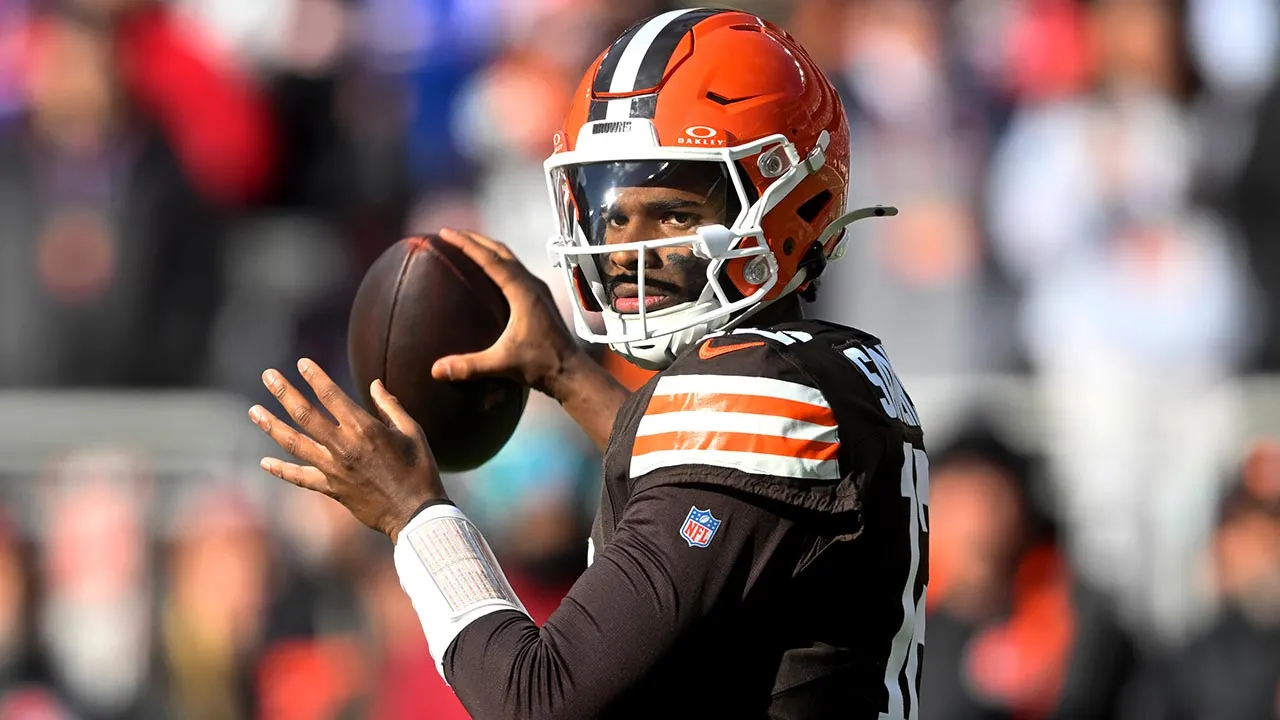
On the receiving end, Shedeur Sanders showed incredible composure. While he got real calls from team representatives that day—none of which were from the Saints—he had to navigate this fake one mid-stream. “Hey, who’s this?” he responded, puzzled, before realizing it was a joke. Infinitely patient, Sanders didn’t lash out; he chuckled it off and kept chatting, embodying that Southern charm and resilience we’ve come to admire in football. But let’s not sugarcoat it—this prank stung. Here he was, sliding down the draft board, not picked until the fifth round (slot 108) by the Cleveland Browns, who also snagged Dillon Gabriel in the third. Sanders might’ve dreamed of going higher, maybe to a team like the Tennessee Titans (who took Cam Ward first overall) or the New York Giants (Jaxson Dart at 25). Instead, he waited, watching the Saints opt for Tyler Shough, a player who fits their offense better but still left room for what-ifs. Fans rooting for Sanders felt the frustration, like seeing a star overlooked. In training camp reports, he’s stayed humble, working with Browns’ young QBs without complaint, saying it “doesn’t really faze me.” It’s a testament to his character, growing up under the spotlight as the son of Colorado QB legend Deion Sanders, turning adversity into motivation.
The NFL, ever the dutiful custodian of its events, couldn’t ignore this security lapse. In response, they overhauled how draft prospects’ contact info is shared. No longer would teams get broad access; now, each franchise designates just one trusted person in football operations to receive and safeguard the numbers. “That’s it,” a league spokesman explained to The Athletic, emphasizing that this “single point of contact” is responsible for gatekeeping. Imagine being that person—holding the keys to potentially life-altering conversations, knowing the liability if something slips. This change isn’t just procedural; it’s born from empathy, recognizing that prospects like Sanders are more than players—they’re young men navigating a cutthroat industry. The incident highlighted real vulnerabilities, from unsecured devices to the temptations of social media and pranks. By tightening the leash, the NFL aims to protect privacy, preventing future viral woes that could haunt careers before they’ve even started. It’s a step toward building trust, where scouts and execs focus on talent, not distractions.
On the Falcons’ side, the fallout was swift and stern. Atlanta’s defensive coordinator, Jeff Ulbrich, faced the music, owning up to his part in the mess. During a press conference at the team’s facility, he expressed deep remorse: “My actions of not protecting confidential data were inexcusable… We are both deeply sorry.” He took full blame for leaving his iPad out, turning a home visit into a gateway for his son’s youthful mistake. The NFL didn’t pull punches—the Falcons got hit with a $250,000 fine, and Ulbrich personally shelled out $100,000. That’s not just money; it’s a black mark on his record, a lesson in accountability that reverberates through the coaching ranks. Ulbrich vowed to redeem himself, promising hard work to prove his integrity. Picture a father-son duo reflecting on poor choices—Jax, a kid probably just experimenting with the thrill of mischief, and Jeff, a seasoned pro learning that even family moments can have professional repercussions. This humbling experience might shape how coaches guard their work-life boundaries, reminding everyone that the NFL isn’t just about touchdowns; it’s about the people behind the plays.
Looking ahead, this episode paints a broader picture of change in professional sports. The NFL Draft, crammed with emotion and high drama, has always been a hotspot for human stories—think thunderous booms when quarterbacks like Andrew Luck or Patrick Mahomes hear their names. But incidents like the Sanders prank underscore the need for evolution, blending tradition with modern safeguards against privacy invasions. As fans, we root for the talent, celebrate the journeys, and sometimes chuckle at the chaos, but moments like these remind us that behind the sports spectacle are real lives. Sanders’ patience amid chaos inspires; Ulbrich’s apology humanizes the mistakes. With the new contact policy, perhaps future drafts will flow smoother, freer from unwanted interruptions. And who knows? Maybe one day, we’ll look back at this as the spark for a more secure, respectful NFL universe, where pranks stay off the field and dreams play on. It’s all part of the beautiful, messy tapestry of American football.
In the end, stories like Shedeur Sanders’ prank-call drama remind us why we love sports—they’re unpredictable, full of heart, and endlessly relatable. Jax Ulbrich’s impulsive act, borne from teenage curiosity, collided with the gravity of NFL stakes, teaching lessons in responsibility for all involved. Jeff Ulbrich’s unwavering apology shows growth, a coach stepping up not just as a leader but as a dad. For Sanders, it’s fuel for his rise with the Browns, proving resilience turns setbacks into strengths. The league’s tightened protocols echo a commitment to dignity, ensuring prospects can focus on their craft without fearing disruptions. As the 2025 draft looms, these changes foster a healthier environment, where trust builds franchises and joy rises above jests. It’s a narrative of progress, proving that even in the face of viral mishaps, football finds a way to unite, entertain, and enlighten. Through it all, we see the humans—vulnerable, apologetic, unstoppable—keeping the game alive and thrilling.