


The Shock of a Quiet Night Turned Deadly
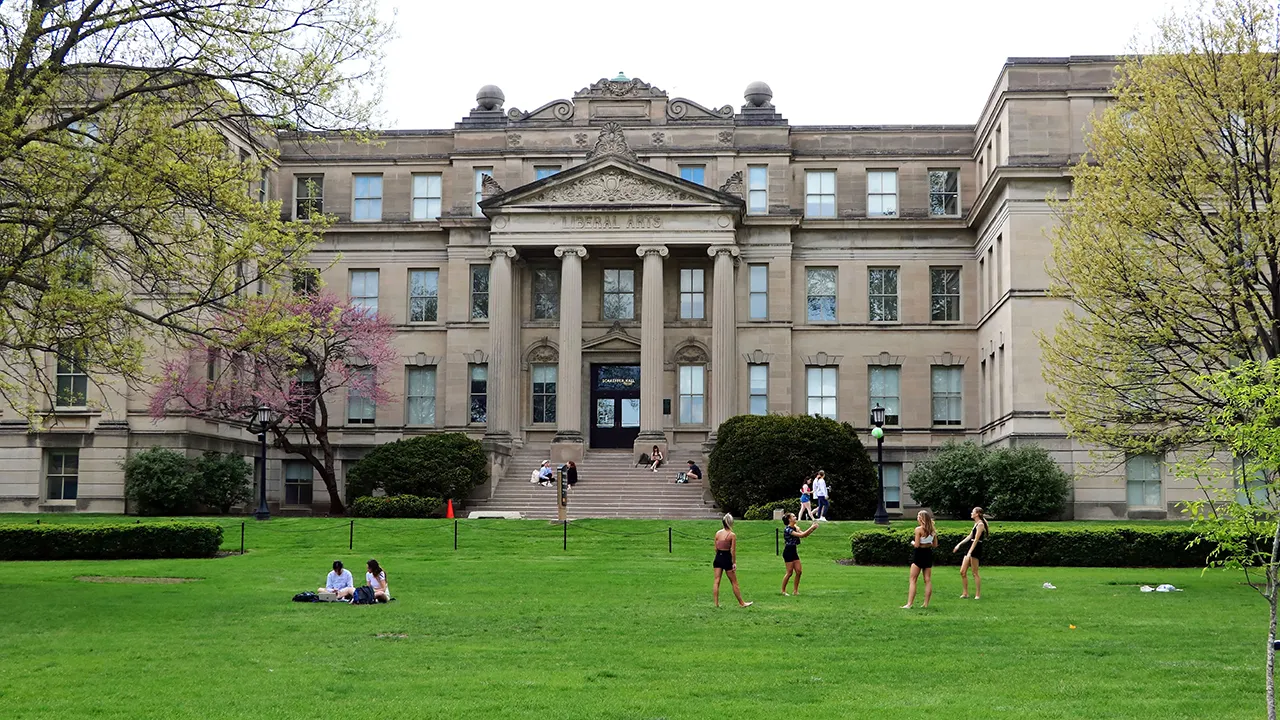
It was a typical late-night scene in Iowa City, where the air hums with the energy of young people letting loose after a week of classes and responsibilities. The Pedestrian Mall, that lively stretch near the University of Iowa, was buzzing with weekend crowds—students mingling, laughing, grabbing late-night bites or drinks to unwind. East College Street, specifically the 100 block, is always a hotspot after dark, filled with the kind of electric vibe that defines college towns: vibrant, a bit reckless, and full of promise for the future. But around 1:46 a.m. on Sunday, that familiar rhythm shattered. Reports of a brawl broke the calm, drawing local police to the area. What started as a seemingly routine call escalated into chaos when officers arrived and heard the unmistakable crack of gunfire. In an instant, the bustling hub of student life turned into a scene of terror and confusion. Gunshots rang out, scattering people in panic as the gunfire erupted, wounding multiple individuals who had just been going about their weekend plans. It was a stark reminder of how fragile peace can be in places meant for joy and growth. Eyewitnesses described the scene as a blur of screaming and scrambling, with shops and cafés that usually overflow with life suddenly becoming makeshift shelters as people dove for cover. The Pedestrian Mall, a symbol of Iowa City’s youthful spirit, now bore the scars of an unprovoked attack, leaving the community reeling from the intrusion of violence into their safe space. For those who weren’t directly involved, the shock rippled outward—the kind of event that makes you hug your loved ones a little tighter and question the world around you. As dawn crept in, the area remained cordoned off, police lights flashing like a grim beacon amid the stillness. It was hard not to think about the families and friends caught up in it all, turning what should have been a simple night out into a nightmare that would echo through the town’s history. The Pedestrian Mall, once a gathering place for dreams and late-night adventures, now stood as a testament to sudden peril, prompting deeper conversations about safety in college environments where fun and freedom often collide with real dangers. Community members expressed a mix of disbelief and resolve, vowing to support those affected and urging authorities to act swiftly. This incident highlighted the stark contrast between the carefree lives students lead and the hidden threats that can lurk in the shadows of such vibrant areas.
The Immediate Response and Chaos Unfolding
When the first calls came in, Iowa City Public Safety swung into action with the precision of a well-oiled machine, but the situation on the ground was anything but controlled. Officers, arriving in response to vague reports of a fight, were greeted not with drunken altercations but with the sharp reports of gunfire piercing the night air. It’s moments like these that test a community’s emergency responders, as they scrambled to secure the Pedestrian Mall and evacuate anyone still in harm’s way. Imagine being a patrol officer, trained for disturbances but not expecting a full-blown shooting—a jarring escalation from peacekeeping to crisis management. The area, still populated with lingering crowds, became a maze of confusion, with people clutching phones and running in all directions, unsure if the danger had passed. Ambulances wailed as they arrived to ferry the wounded to nearby hospitals, treating a scene that felt more like a war zone than a college neighborhood. For the first responders, it was a night of adrenaline-fueled decisions: prioritizing injured victims, cordoning off the block, and pushing back the throng of onlookers who began gathering, smartphones at the ready to capture the unfolding drama. Social media lit up almost immediately, with fragments of stories spreading faster than official updates, heightening the tension as rumors mingled with facts. Those officers on the scene didn’t just see it as a job; they felt the weight of protecting a university town, knowing many of the victims might be young people just like their own kids or nieces—full of potential and now fighting for their lives. The pedestrian area, usually a pedestrian’s paradise, transformed into a controlled zone, with yellow tape fluttering in the breeze and officials shouting directives to maintain order. It was a visceral reminder of how quickly life can change, forcing individuals to confront their vulnerability in what should have been a sanctuary. Community leaders rallied virtually, expressing solidarity and pledges to host vigils or support groups for the affected families, emphasizing that resilience starts with empathy and action. As the sun rose, the Pedestrian Mall stood eerily quiet, a far cry from its usual hum, leaving many to ponder how something so horrifying could happen in such an everyday setting.
The Victims: Stories Behind the Numbers
Behind the headlines of “multiple people wounded” lie deeply personal tragedies—human lives altered in the blink of an eye at a place meant for connection, not catastrophe. Five victims were identified in the wake of the shooting, each with their own story of interrupted futures: students from the University of Iowa, locals grabbing a post-idle snack, or just passersby caught in the crossfire. One was in critical condition, fighting battles in the hospital that no one should have to wage after a night out. The other four were more fortunate, stable but undoubtedly scarred by the ordeal, with surgeries, therapies, and lingering fears ahead. It’s heartbreaking to think about these young people—perhaps just hanging out with friends, dreaming of finals or summer plans—now dealing with bullets and bandages instead of textbooks and parties. The university issued a statement acknowledging that students were among the wounded, a somber note that hit home for the entire campus community. Though authorities stressed there were no indications that the students were specifically targeted, the randomness amplified the terror; it could have been anyone, shuffling home or chattering about classes. Families back home were glued to news updates, hearts pounding as they awaited word, reliving the anxiety of worried texts and hospital waits. For some, this event triggered memories of other campus tragedies, fostering a collective grief that united strangers in support. Recovery would be slow, involving not just physical healing but emotional scars—nightmares, PTSD, and a newfound wariness of crowds. Friends formed care packages and virtual support circles, turning isolation into collective healing, proving that community bonds can withstand even the darkest intrusions. It’s in these moments we see the humanity: the nurses tirelessly tending wounds, volunteers offering transport to hospitals, and strangers donating blood in solidarity. The Pedestrian Mall incident wasn’t just about numbers; it was about real people whose lives now had “before” and “after” chapters, reminding everyone of the fragility of carefree nights in a vibrant college town.
The Investigation Begins: Uncertainty and Scrutiny
As the immediate chaos subsided, the investigative gears kicked into high gear, painting a picture of a community demanding answers amid the fog of unknowns. With no arrests made, police released photos of five persons of interest, urging the public to sift through memories and video feeds for leads. It was a collective call to action, transforming neighbors into detectives, poring over social media posts, security footage from nearby businesses, and witness accounts. The perpetrator remained at large, a ghost in the night, heightening the sense of unease as families locked doors a little tighter and walked with purpose instead of leisurely strolls. Investigators scoured the scene for clues—shell casings, footprints in the dew, anything that might point to motive or method—while piecing together timelines from scattered eyewitnesses. For locals, this wasn’t just about justice; it was personal, especially with students involved, evoking outrage and a fierce protective instinct over the university’s “family.” Rumors swirled, but officials cautioned against speculation, focusing on facts: the shooting stemmed from what appeared to be a brawl gone horribly wrong, escalating into armed violence. Technology played a role, with forensic teams analyzing ballistics and surveillance cameras capturing glimpses of the suspects. Yet, the human element loomed large—detectives working overtime, families providing statements, and the sheer weight of expectation to catch the culprit before more harm ensued. Community forums buzzed with tips and theories, fostering a sense of unity in vigilance. This phase of the investigation underscored the challenges of modern policing in a digital age, where phones could be both witnesses and distractions. For those affected, it was a waiting game filled with hope and fear, hoping for closure that would allow healing to begin. Authorities promised transparency, holding press conferences to share updates and calm nerves, reminding everyone that solving crimes takes time and teamwork. In Iowa City, known for its progressive spirit, this event sparked broader discussions on gun control and community safety, blending empathy with advocacy for change.
Persons of Interest: Faces Behind the Mystery
The release of photos of five persons of interest injected a layer of anxiety into the investigation, turning the abstract fear of an unknown shooter into tangible portraits that circulated across screens and walls. These images—grainy yet haunting—depicted individuals whose actions had turned a lively night into a horror show, and now the community scrutinized them with bated breath, wondering who they were and what drove them. Police, careful not to jump to conclusions, emphasized that these were persons of interest, not charges laid, inviting the public to connect dots from personal recollections or digital traces. For everyday Iowans, it was unsettling, like flipping through a wanted poster and realizing real lives hung in the balance. Perhaps one was a familiar face from campus events, or strangers whose paths had crossed unknowingly with the victims. Social media amplified the call, with shares and tags urging tips, creating a ripple effect that could lead to breakthroughs or false alarms. Encroaching nerves made people question motives—were these acts of retribution over a bar dispute, random aggression, or something deeper rooted in personal turmoil? Psychologists might point to the impulsiveness of youth or external pressures, but for families, it boiled down to human folly colliding destructively. Sharing these images wasn’t just about apprehension; it was a plea for accountability, appealing to anybody’s conscience to step forward. Anonymous submissions through Crime Stoppers became lifelines, ensuring that fear of retaliation didn’t stifle justice. In this digital echo, the faces symbolized the human cost—of trust shattered, relationships strained, and a town united in seeking resolution. For the persons in question, if innocent, the ordeal represented its own injustice, while if guilty, it begged for redemption or reckoning. Iowa City’s ethos of openness meant embracing the uncertainty as a path to truth, fostering dialogues on prevention through awareness and empathy. Ultimately, these photos bridged the gap between victim and perpetrator, humanizing both sides of a tragedy yet to find its end.
A Call for Solidarity: Healing and Prevention
In the aftermath, Iowa City’s heart remained resilient, channeling trauma into calls for solidarity that transcended the incident itself. With the suspect still at large, authorities beseeched anyone with information or footage to reach out—whether to Detective Cade Burma directly at [email protected] or 319-356-5275, or anonymously via Crime Stoppers at iccrimestoppers.org and 319-358-TIPS. It was a democratic plea, empowering ordinary citizens to become guardians of justice, reminding us that community thrives on collective vigilance. Beyond tips, the response involved psychological support: counseling for the wounded, vigils for healing, and town halls to air grievances and brainstorm safer nightlife strategies. Families leaned on each other, sharing meals and stories to rebuild normalcy, while the university ramped up safety patrols and mental health resources for students. Broader themes emerged—from advocating stricter gun laws to promoting de-escalation training for bars—reflecting a community’s evolution through pain. Humanizing this tragedy meant acknowledging the ripple effects: changed routines, heightened awareness, and renewed appreciation for life’s unpredictability. For the victims’ loved ones, support poured in like a warm tide, with neighbors cooking comfort food and crowdfunding medical funds, proving empathy’s power. As Iowa City healed, it pledged to listen to Fox News articles anew—audibly, perhaps?—symbolizing adaptability in the face of disruption. This wasn’t just an end to a chapter but a call to action, ensuring such horrors didn’t define the town’s spirit. In embracing humanity’s complexities—fear, forgiveness, and fortitude—the Pedestrian Mall incident spurred deeper connections, turning survivors into advocates for a gentler world. Through it all, the message rang clear: unity amid uncertainty fosters enduring strength, and every tip could mend a broken night into a healed dawn.