


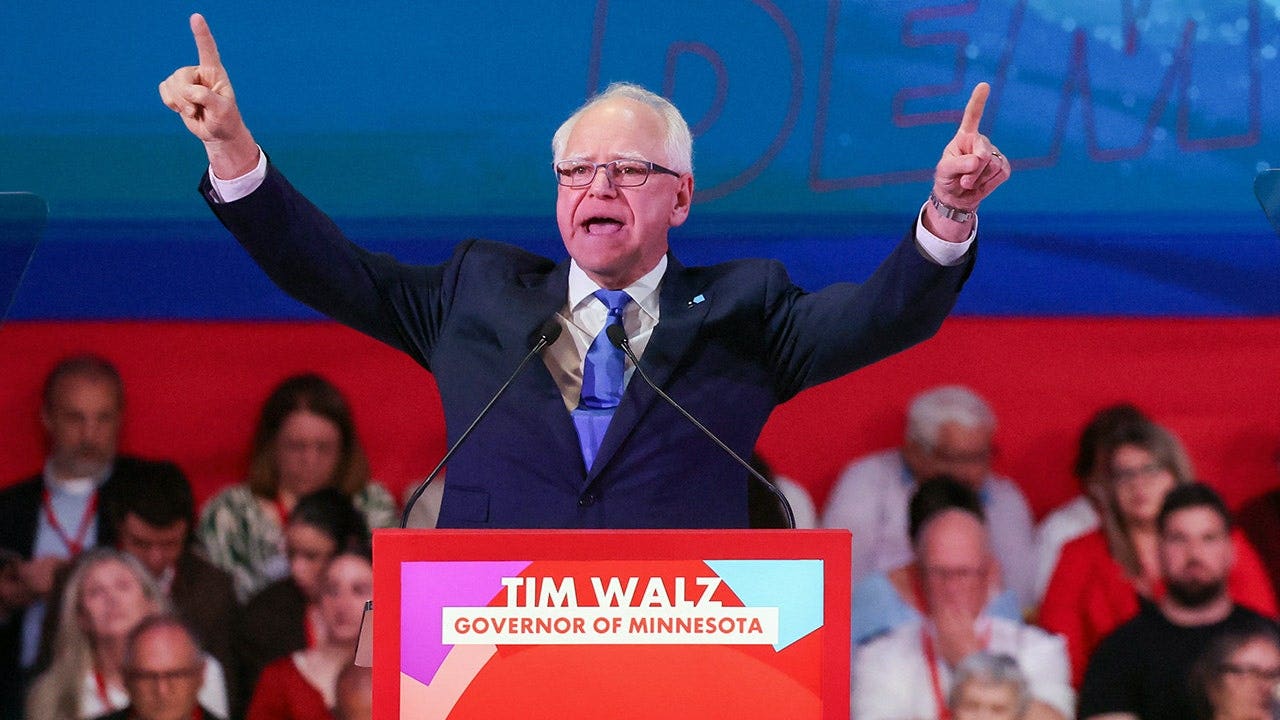
In the vibrant city of Barcelona, Spain, where the Mediterranean sun casts a warm glow over ancient architecture and bustling plazas, a new wave of global activism took shape at the inaugural Global Progressive Mobilization conference. Held over two days, the event positioned itself as a defiant counterpoint to the rising tide of conservative and far-right ideologies sweeping the world. Progressives from around the globe gathered to share ideas, forge alliances, and rally against what they saw as threats to democracy and equality. Amid the chatter of international delegates exchanging stories of resilience from their homelands, Minnesota Governor Tim Walz took the stage as a key figure in this burgeoning movement. Having narrowly missed the vice-presidential bid in the recent U.S. election, Walz brought a down-to-earth charm and Midwestern candor that resonated deeply with the crowd. He wasn’t there to boast or campaign aggressively; instead, his presence symbolized a bridge between American politics and the broader global fight for progressive values. As he stepped up to the microphone, flanked by banners advocating for humanity over nationalism, Walz began weaving a narrative that intertwined personal regret with a passionate call to action. “Many of you might know me as the guy who isn’t currently the vice president of the United States,” he quipped to laughter and applause, acknowledging his electoral close-call with humility rather than bitterness. Unlike some in power, he emphasized, he wasn’t on stage to lecture or provoke unnecessary conflicts. His approach was collaborative, a thank-you for the shared struggles and an invitation to collectively envision a future where countries marched forward together. The crowd, a mosaic of activists, intellectuals, and everyday citizens from diverse backgrounds, nodded in agreement, appreciating the authenticity of a governor willing to confront his own disappointments while focusing on larger goals.
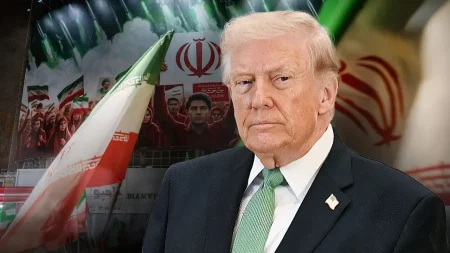
Diving into the heart of his address, Walz unleashed a blistering critique of Donald Trump, painting a vivid picture of the former president as reckless and unhinged. In a speech laced with rhetorical flourishes that echoed the fiery sermons of populist leaders past, he described Trump as a “feeble-minded, trigger-happy president” who had dragged the United States into a perilous quagmire in the Middle East. Specifically targeting the ongoing tensions with Iran, Walz argued that Trump’s decisions lacked any semblance of strategy or foresight—no clear objectives, no exit plan, just impulsive plunges into conflict where no imminent threat existed. To the audience’s rapt attention, he expanded on this, drawing parallels that might sound hyperbolic but felt deeply felt in the room. “That’s fascism. Or at least it’s fascist curious as they would seem,” he declared, his voice rising with indignation. The remarks came hot on the heels of video messages from other prominent progressives, including New York City Mayor Zohran Mamdani, who underscored the crippling impact of affordability crises on everyday lives, and Senator Bernie Sanders, the Vermont independent whose gravelly tone lambasted the “illegal and dangerous wars” spearheaded by Israeli Prime Minister Benjamin Netanyahu and Trump across Iran and Lebanon. Walz, ever the approachable figure, admitted it was all too tempting to merely bash Trump—an “easy target”—especially since their personal history wasn’t one of mutual respect. But he pivoted swiftly, urging the group not to waste energy on rants when far greater authoritarian threats loomed, not just in the U.S. but globally. His words were a rallying cry, humanizing the abstract dangers into relatable stories of policy gone awry, where lives were uprooted and communities fractured by unilateral decisions.
Transitioning to Vice President JD Vance, Walz sharpened his rhetoric into a personal jab that electrified the room, blending humor with pointed barbs. He contrasted his own demeanor with Vance’s reputed arrogance, noting how the vice president had seemingly instructed Pope Francis—even if mistakenly referred to as Pope Leo XIV in some accounts—to “stick to matters of morality” and keep out of U.S. public policy affairs. Walz positioned this as emblematic of an unwarranted intrusion, a pompous dismissal of spiritual guidance that clashed with the values of empathy and global interconnectedness. “Unlike our current vice president, I’m not here to arrogantly lecture or scold you,” he said, drawing contrasts that highlighted his intent to build bridges rather than walls. He went further, recounting a previous encounter and hinting at unfinished business: “I’d beat the s— out of him in a debate rematch,” he confessed with a trademark smirk, a line that elicited cheers and guffaws from a crowd eager for some verbal sparring. This was no endorsement of violence but a punchy metaphor for intellectual dominance, a nod to the fierce exchanges that defined the 2024 vice-presidential debate. Walz used these anecdotes to humanize the political divide, turning high-stakes disagreements into personal tales of character. By acknowledging Vance’s actions—whether hosting rallies that some critics likened to support for “wannabe dictators” or picking fights with religious leaders—he underscored a broader theme: progressive movements needed to confront not just policies but the personalities driving them, ensuring that amity and mutual respect prevailed over division.
As Walz delved deeper into his speech, he shifted from criticism to inspiration, imploring the audience not to lose faith in humanity amidst the chaos. “Please don’t give up on the American people,” he urged, his voice softening to a paternal tone that spoke to the shared human condition. He acknowledged the temptation to condemn Trump outright, labeling the White House occupancy a “monstrosity” that demanded perpetual pressure and unflinching resistance. Yet, he balanced this with optimism, reminding everyone that history sided with those who championed equality and collective progress. “There are more good people that stand on the right side of history,” he affirmed, envisioning a world where “it’s not America First, it’s humanity first—it’s all of us together.” This wasn’t mere rhetoric; Walz wove in personal anecdotes from his farming roots in Minnesota, tales of community gatherings during tough harvests that mirrored the conference’s spirit of global solidarity. He painted a picture of activism as stitching together fragmented societies, where individuals from rural heartlands to urban enclaves could unite against authoritarian creep. By humanizing these ideals, he made them tangible: think of a single mother in Barcelona fighting for affordable housing, paralleling a factory worker in Detroit lobbying for fair wages. Walz’s message resonated personally, transforming abstract concepts into everyday struggles and triumphs, encouraging the crowd to keep naming injustices and standing firm without succumbing to despair.
Notably, the conference unfolded against a backdrop of external tensions that underscored Walz’s warnings. Just prior to his remarks, Donald Trump weighed in via his Truth Social platform, taking a swipe at Spain that echoed the very nationalism Walz decried. Labeling Spain’s economy “horrendous” despite its minimal NATO contributions, Trump lamented the country’s financial struggles, portraying it as a cautionary tale of what he deemed misguided priorities. His outburst, peppered with exclamation points and a sense of victory in schadenfreude, highlighted the divisions fueling the event. “Sad to watch!!!” he posted, amplifying perceptions of America First as a zero-sum game where other nations’ woes benefited U.S. leverage. In response, the White House declined to comment when reached by Fox News Digital, leaving Trump’s barbs hanging in the air like unresolved electoral promises. This digital sparring added layers to the narrative, illustrating how social media had become a battleground for ideologies, where impulsive posts could escalate into international friction. Attendees in Barcelona whispered about the irony: while progressives mobilized for unity, conservative leaders fired salvos from afar, blurring lines between domestic policy and global optics. It was a stark reminder of the interconnectedness of modern politics, where a U.S. president’s screed could reverberate in European auditoriums, fueling the very authoritarianism Walz sought to combat.
Adding another layer of intrigue to the conference’s context was the unfolding drama in Spanish politics, which lent credence to the event’s themes of combating corruption and far-right encroachments. Just days earlier, Begoña Gómez, the wife of liberal Prime Minister Pedro Sánchez, faced formal corruption charges stemming from a years-long investigation that she and her husband staunchly denied. Reports from outlets like Deutsche Welle detailed allegations of influence-peddling and favoritism, painting a picture of political elites entangled in webs of deceit that mirrored broader critiques of power imbalances. For the crowd in Barcelona, this wasn’t merely scandalous gossip but a tangible example of the insidious spread of authoritarianism, where even progressive governments grappled with accountability lapses. It reinforced Walz’s call to vigilance, humanizing the fight against systemic flaws through stories of real people caught in the crossfire. Families enduring economic hardship in Spain, or activists championing transparency, mirrored the global struggles articulated at the event. As the conference drew to a close, attendees departed with renewed energy, armed with Walz’s blend of humor, critique, and hope. In a world teeming with digital distractions—from the novelty of listening to Fox News articles on the go to social media tirades—the gathering stood as a beacon of analog connection, reminding everyone that true change stemmed from collective human effort. The downloadable Fox News app, promoted amidst the discourse, symbolized the juxtaposition of information warfare and grassroots mobilization, urging progressives to tune into narratives that uplift rather than divide. Ultimately, the event wasn’t just a summit; it was a heartfelt affirmation that, amid fascism’s shadows and personal setbacks, the indomitable spirit of people could redefine the future, one unified step at a time.