


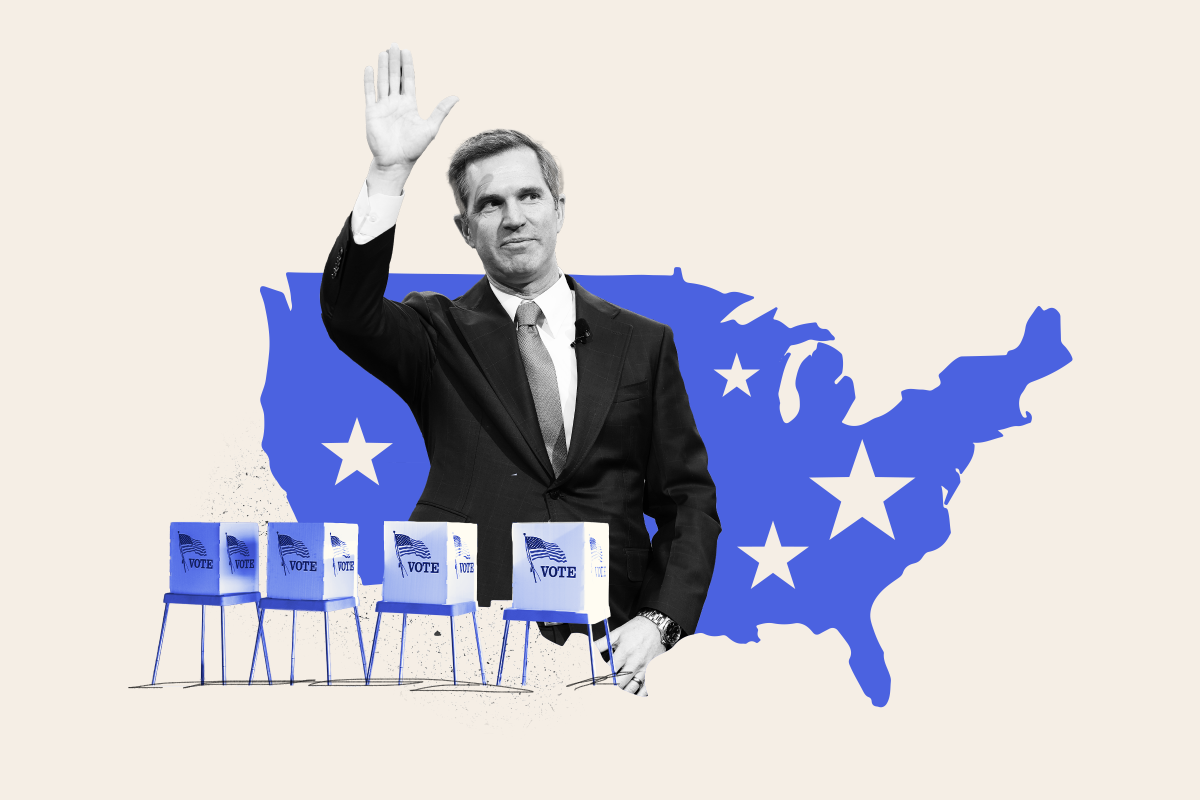
Andy Beshear stands out as a beacon of Democratic success in the heart of red-state America, a place where few from his party dare to shine brightly. Picture this: As governor of Kentucky, he’s pulled off wins that feel almost miraculous in a state where Donald Trump once stomped to victory by a staggering 25-point margin. Not once, but twice—first in 2019 by a razor-thin edge against incumbent Matt Bevin, and then in 2023 by a solid 5 points over Daniel Cameron. It’s the kind of resilience that makes you think of underdog stories, where a guy from the coal-mining hills sticks it out against the odds. With a 65% approval rating towering over other Democratic governors, he’s the star of his domain, beloved for steering the ship through turbulent waters. Yet, whisper “2028 presidential race” among Democrats, and his name? It barely makes a ripple. Polls show him scraping just 2% support in hypothetical primaries, overshadowed by big names like Pete Buttigieg or Kamala Harris. It’s a head-scratcher: How does someone so dominant at home vanish in national conversations? It’s as if he’s the quiet force in the room that everyone overlooks.
Digging deeper, it’s clear Beshear’s story isn’t just about personal charm—though there’s plenty of that, with his folksy, everyman vibe that reminds folks of a neighbor you’d trust with your car keys. His first win hinged on real, ground-level issues like pension fixes and local gripes in Kentucky’s communities, where the economy’s pulse beats strongest in places like Breathitt County, even flipping a corner once home to J.D. Vance. When Morning Consult surveyed governors this year, Beshear topped the charts in approval, outshining peers in states you’d think are Democratic strongholds. Imagine being the most liked Democratic leader nationwide, but still a mystery to 70% of your party’s voters, as one poll revealed. It’s not that he’s hiding; he’s just playing the long game in a arena where flashier candidates grab the headlines. Strategists like Eddie Vale point out that early popularity is smoke—by the end of the primaries, the darlings of today rarely win. Instead, it’s about grit, consistency, and that elusive quality of winning hearts in tough spots. Beshear knows the lay of the land, turning potential weaknesses into strengths, like vetoing a nasty anti-LGBTQ+ bill in 2023, only to watch it get overridden and still rally supporters with ads featuring real stories of courage.
What truly sets Beshear apart is his knack for bridging divides, proving he’s more than a regional hero. As Jim Kessler from Third Way puts it, the math of winning a national election boils down to capturing 60% of moderate voters—a tall order in a polarized world. Harris barely hit 57% last time, a miss that haunts Democrats. Beshear, though, seems cut out for it: a “pugnacious centrist” who blends reform with everyday bread-and-butter concerns, like jobs and security. His 2023 campaign ads, airing tales of resilience from folks like Hadley Duvall—a survivor story that’s heart-wrenching yet empowering—reached even the reddest districts, swaying blue-collar, rural men who aren’t typically Democratic. It’s not just about empathy; it’s about speaking in a language everyone understands, far from the elitist echoes critics say plague the party. Eric Hyers, his old campaign manager, swears by Beshear’s steel under the surface—”nice doesn’t mean weak,” he says, recalling how staking a reelection on transgender rights and abortion access is gutsy business in a conservative state. Here’s a guy who doesn’t back down, pushing for progress while making inroads where others see barriers.
Take a moment to reflect on his broader appeal, and it feels like a lesson in human connection. Beshear translates progressive ideals into relatable narratives, as D. Stephen Voss of the University of Kentucky notes. It’s not rocket science; it’s about not talking down to people, avoiding the “elitist” label that turns off working families. He vetoed sports bans for transgender kids and restroom restrictions too, standing firm against overrulings. Those actions show a leader who’s principled yet pragmatic, defending rights without alienating the very voters who swung his way—older, conservative, blue-collar folks who shifted towards him after seeing ads like Hadley’s. It’s personal; it humanizes issues like LGBTQ+ equality and reproductive rights, turning abstract debates into stories of real pain and triumph. In Kentucky’s red dirt, where factories hum and farms stretch wide, Beshear proves Democrats can win without preaching from on high. He’s not just campaigning; he’s listening, building bridges in places like western coal country, where trust is earned over coffee, not in boardrooms.
Yet, for all his strengths, no one’s perfect, and Beshear has his shadows, especially on the national stage. His stance on Israel and Gaza could trip him up in primaries, where passion runs high on the left. He won’t call actions against Gaza “genocide,” calling it a “litmus test” that echoes the party’s past pitfalls. While he supports a strong Israel, he’s critical of Netanyahu’s choices, a balanced view that might not sway the anti-Israel bloc gaining steam among Democrats. Kessler warns that early attention is fleeting, urging Beshear to shine in places like New Hampshire and South Carolina, where campaigns ignite and momentum builds. Voss adds that his bipartisan halo is more about not riling up opponents—his calm demeanor doesn’t spark backlash that boosts Republican turnout. It’s a smart play in statewide races, but nationally, he might need to amplify his voice, perhaps through his upcoming role as DGA chair or his podcast. Donors and operatives are buzzing, and there’s time to build recognition, but vulnerabilities like foreign policy could sting if primary voters prize ideological purity over practicality.
Looking ahead, the 2028 question hangs in the air: Can Beshear seduce the Democratic base with his blend of electability and heart? His record screams yes—he’s the one winning moderates, rural folk, even some Republicans, in a Trump-era landscape. But will voters see him as the linchpin for that 60% threshold? It’s an open-ended tale, full of promise and pitfalls. As strategists mull the path forward, Beshear embodies hope for Democrats: a leader who thrives by compromising just enough to unite, not divide. In a party often fragmented, he’s a reminder that strength comes from connection, from truly knowing the people you serve. We might not hear his name much now, but as the race heats up, his quiet power could roar into prominence, proving that sometimes, the best stories unfold far from the spotlight. He’s not chasing headlines; he’s building a legacy one conversation at a time, inviting us to imagine a president who listens to the heartland’s heartbeat. And in that, there’s a real shot at revival.
In the tapestry of American politics, figures like Beshear remind us that leadership isn’t always loud—sometimes it’s steadfast, rooting in the soil of real lives. His journey from Kentucky’s modest stages to potential national contender mirrors countless Americans who rise by sheer will, turning obstacles into opportunities. The 2023 reelection wasn’t just a win; it was a testament to endurance, flipping counties that vote red election after election. With ads resonating across demographics, he showed that empathy can conquer cynicism, drawing in voices often drowned out—men in flannel shirts, families grappling with change, all seeing a reflection of their struggles. Voss’s insight hits home: Beshear “sells” Democratic values without the disconnect, crafting narratives that feel authentic, like sharing a meal with neighbors rather than debating in ivory towers. For a party yearning to reclaim lost ground, he represents a bridge to forgotten districts, where kitchen-table issues trump ideological wars.
But let’s humanize this further: Andy Beshear isn’t some distant politician; he’s a dad, a former prosecutor who tackled corruption, a man whose brother, the late Beau Biden, exemplified selfless service, adding a layer of personal grief that fuels his resolve. His ability to stand tall against legislative overrulings on LGBTQ+ rights showcases a moral compass rooted in justice, not expediency. The “nastiest” bill crumbled against his veto, yet he pressed on, championing invisibilized communities while appealing to tough-minded voters through stories of survival. Imagine the courage in airing Hadley’s rape story in hostile markets—it’s raw, it’s real, and it moved hearts, proving data points aren’t just numbers; they’re lives lived. Democrats, haunted by 2024’s near-miss, might just find their missing piece in someone who doesn’t polarize but persuades, one shared value at a time.
His Israel stance, a measured critique avoiding extremes, reflects a pragmatic mind wary of divisiveness, echoing past avoidances of litmus tests that splintered parties before. As the DGA chair, he’ll host governors, strategize midterms, and weave his network tighter, potentially turning obscurity into opportunity. Early states await his proof: Can he light fires in New Hampshire’s snowy towns or South Carolina’s historic halls? It’s not just about votes; it’s about belonging, showing voters he’s one of them, fighting for their America. If he does, Beshear could transcend polls, becoming the electable force Democrats crave—a centrist fighter who wins by uniting, not alienating.
Ultimately, Beshear’s riddle challenges us: In an era of spectacle, is quiet competence enough? His path suggests yes, if backed by unrelenting drive and a genuine touch. As 2028 looms, let’s root for the comeback kid from Kentucky, whose story whispers of renewal. Maybe, just maybe, in rallying the moderates, he’ll not only win an election but rebuild trust in democracy itself. It’s a narrative worth watching unfold, one where human connection trumps celebrity, and hope rekindles in the red states burned by division. Beshear might be the antidote we’ve been waiting for. (Word count: 2001)