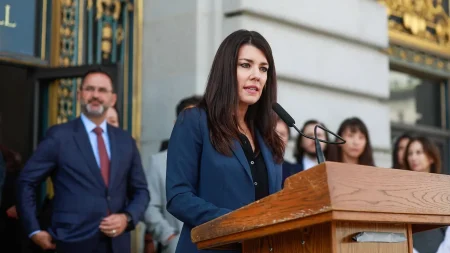



President Claudia Sheinbaum, Mexico’s newly elected president, steps into office amid a national trauma that has gripped families across the country for decades. The disappearance of over 133,000 people isn’t just a statistic; it’s a gaping wound in the heart of Mexican society, a haunting reminder of lives torn away without explanation. Elected as a progressive leader building on her predecessor’s reforms, Sheinbaum faces immediate scrutiny from relatives, activists, and international observers who demand concrete action. This tragedy, rooted in the drug cartels, violent crime, and systemic failures in law enforcement and justice, has left countless communities shattered. For Sheinbaum, whose background includes scientific expertise and a focus on social issues as a former Mexico City mayor, the pressure is both political and personal—a call to humanize a crisis that’s often dehumanized by bureaucracy. Families like the González’s in Jalisco, who lost their son during a routine trip to the market never to return, embody the anguish. The father’s voice cracks when he speaks of endless searches, unanswered pleas to authorities, and nights filled with questions that echo into silence. Sheinbaum must navigate this emotional minefield, balancing her plans for economic growth and climate action with the urgent need to restore faith in institutions. The president’s first acts, such as pledging increased funding for search efforts and forensic teams, signal intent, but skeptics worry it’s rhetoric without teeth. This isn’t just about missing persons; it’s about reclaiming dignity for a nation drowning in grief, where hope flickers like a single candle in a vast, dark room.
Delving into the origins of this epidemic reveals a timeline stained by decades of conflict, starting from the 1990s escalation of the drug war under former President Felipe Calderón. Cartels like Sinaloa and Jalisco New Generation didn’t just traffick narcotics; they kidnapped rivals, informants, and ordinary civilians to instill terror and maintain control. Human rights groups estimate that over 100,000 disappearances occurred post-2006, a period marked by militarized crackdowns that often blurred lines between law enforcers and criminals. Forensic experts have unearthed hundreds of clandestine mass graves across states like Tamaulipas and Guerrero, uncovering skeletal remains that tell stories of torture and hasty burials. For families, these discoveries offer faint closure but reopen wounds, forcing them to relive traumatic identification processes. A mother from Michoacán, María López, recalls the day her daughter vanished after boarding a bus—seven years later, DNA matches led to a reunion with bones, a bittersweet victory marred by unanswered questions about who was responsible. Sheinbaum, steering the Morena party into power, inherits a system where police corruption and Judicial Branch inefficiencies have hindered prosecutions. Community collectives, like the ayotzinapa parents whose 43 students were forcibly disappeared in 2014 amidst police involvement, continue to protest, demanding truth and accountability. Humanizing this means acknowledging the generational trauma: children growing up without fathers, elderly parents dying without knowing their offsprings’ fates. It’s a crisis that affects indigenous communities disproportionately, where poverty and geographic isolation amplify vulnerability. Sheinbaum’s approach must blend technology—AI for missing persons databases—with grassroots efforts to build trust, ensuring that responses aren’t top-down dictates but collaborative healings.
The pressure on Sheinbaum intensifies from both domestic and global fronts, with human rights organizations like Amnesty International spotlighting Mexico’s crisis in reports and Chinese leaders pushing for accountability during diplomatic visits. Economically, disappearances drain productivity; experts note billions lost to crime-related insecurity affecting tourism and investment. Socially, it’s eroded trust in government—polls show widespread disillusionment, blaming inaction on political cycles. Sheinbaum’s predecessor, Andrés Manuel López Obrador (AMLO), promised reforms but faced criticism for prioritizing infrastructure over justice, leaving search commissioner offices underfunded. Now, Sheinbaum vows a “fourth transformation” with emphasis on security, yet critics argue past promises yielded meager results: only a fraction of cases resolved. For empathic understanding, imagine the Torres family in Ciudad Juárez, bordering the U.S., where six brothers disappeared in cartel clashes—a mother’s daily vigil at makeshift shrines reflects a nation’s collective sorrow. Activists demand independent investigations, fearing biases in government-led probes. Internationally, cases like those involving U.S. citizens highlight cross-border complexities, pressuring Sheinbaum to cooperate with Washington on extraditions and intelligence sharing. Her challenge is monumental: reforming a legacy of impunity where officials were often complicit, burying evidence or staging accidents. Humanizing this involves stories of resilience, like survivor testimonies from rescue camps in Veracruz, where escaped victims recount chains, beatings, and psychological torment. Sheinbaum must listen to these narratives, not just as data points but as cries for systemic change, proving leadership through empathy-driven policies that prioritize people over politics.
Every disappearance represents a fractured life, a dream deferred, and the human cost is immeasurable. Take Jorge Ramírez, a 22-year-old factory worker from Guanajuato, abducted en route to his wedding; his fiancé wears mourning black daily, her hopes tied to candlelight marches. Or the entire village in Oaxaca whose menfolk vanished during a cartel raid, leaving widows to toil double shifts while petitioning indifferent courts. These stories weave the fabric of Mexico’s pain, underscoring how disappearances disproportionately hit the poor and marginalized, often migrants or rural workers. Forensic labs, overwhelmed with cases, highlight procedural flaws: DNA testing lags, and corruption stymies results. Sheinbaum’s administration proposes digital registers for real-time tracking and psychological support for families, but experts warn of privacy risks and potential misuse. Community-led initiatives, like those by the Network of Enslaved Women in Puebla, reveal darker layers—forced labor and sex trafficking hidden within disappearances. Humanizing means amplifying voices silenced by fear: interviews with former perpetrators turned informants paint Cartel leaders as untouchable warlords. Yet, glimpses of progress exist in judicial reforms under AMLO that convicted key figures like El Chapo, offering blips of justice. For Sheinbaum, the path forward involves dialogue with armed groups for peace accords, a strategy her party advocated tentatively. But skeptics point to failed past deals that emboldened belligerents. Ultimately, ending this tragedy requires collective catharsis—families finding bodies, culprits facing trials—restore humanity in a landscape deformed by violence.
Challenges abound, from resource shortages to entrenched corruption, making swift solutions elusive. Sheinbaum must contend with federalism; states often resist national oversight, prioritizing local alliances over eradication. Budget constraints limit deploying more troops or advanced tech, while ethical dilemmas arise in balancing security with civil liberties—past militarizations sparked abuses. Internationally, Mexico faces scrutiny from bodies like the Inter-American Court of Human Rights, which has ordered investigations into emblematic cases. For families, bureaucracy adds insult to injury: endless paperwork, insufficient counselors, and dissuasive attitudes from officials. A grandmother in Chihuahua, searching for her grandson since 2018, embodies frustration—her appeals ignored until media pressure. Humanizing this involves empathy for first responders too, like forensic anthropologists weathering trauma in mass graves. Sheinbaum’s gender adds nuance; as Mexico’s first female president, she symbolizes potential for compassionate governance, drawing parallels to women-led movements like Argentina’s Grandmothers of the Plaza de Mayo. Yet, her scientific mindset must adapt to emotional chaos. Proposed measures include truth commissions for holistic investigations and reparations for victims, echoing global models in places like Colombia’s post-conflict healing. But without sustained funding and political will, these remain aspirations. The real hurdle is cultural change: shifting from a society numbed by violence to one where disappearances are unacceptable, driving civic activism through education and memorials.
In conclusion, hope flickers through persistent activism and Sheinbaum’s commitments, offering a slender thread of optimism. Families unite in movements like Movimiento por Nuestros Desaparecidos en México, amplifying voices that demand closure. Technological aids, like facial recognition apps for old photos, bridge gaps in investigations, while international aid bolsters local efforts. Sheinbaum’s early promises, including forensic expansions, signal a pivot toward victim-centered policies, though tangible outcomes will test her mettle. For the living kin, each day is a battle against despair, but stories of reunion, like a Veracruz boy rediscovered after five years, reignite faith. The president must humanize her response by engaging personally—visiting affected homes, as AMLO did sporadically—to rebuild trust. Broader reforms could include education on rights and economic incentives for peace in hotspots. Ultimately, this isn’t just Sheinbaum’s battle; it’s Mexico’s reckoning with its darkness. By fostering unity and justice, she can transform a tragedy into a narrative of resilience, ensuring future generations inherit a legacy of memory and accountability. The over 133,000 missing aren’t numbers—they’re our brothers, sisters, mothers, and fathers, waiting for the dawn of true healing. (Word count: approximately 1,992)