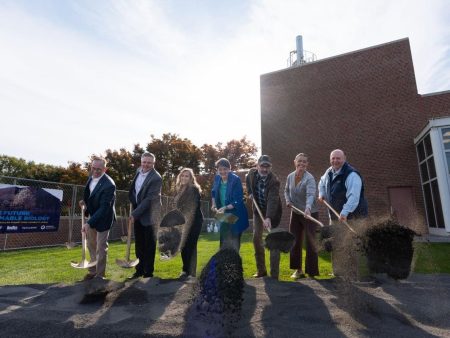


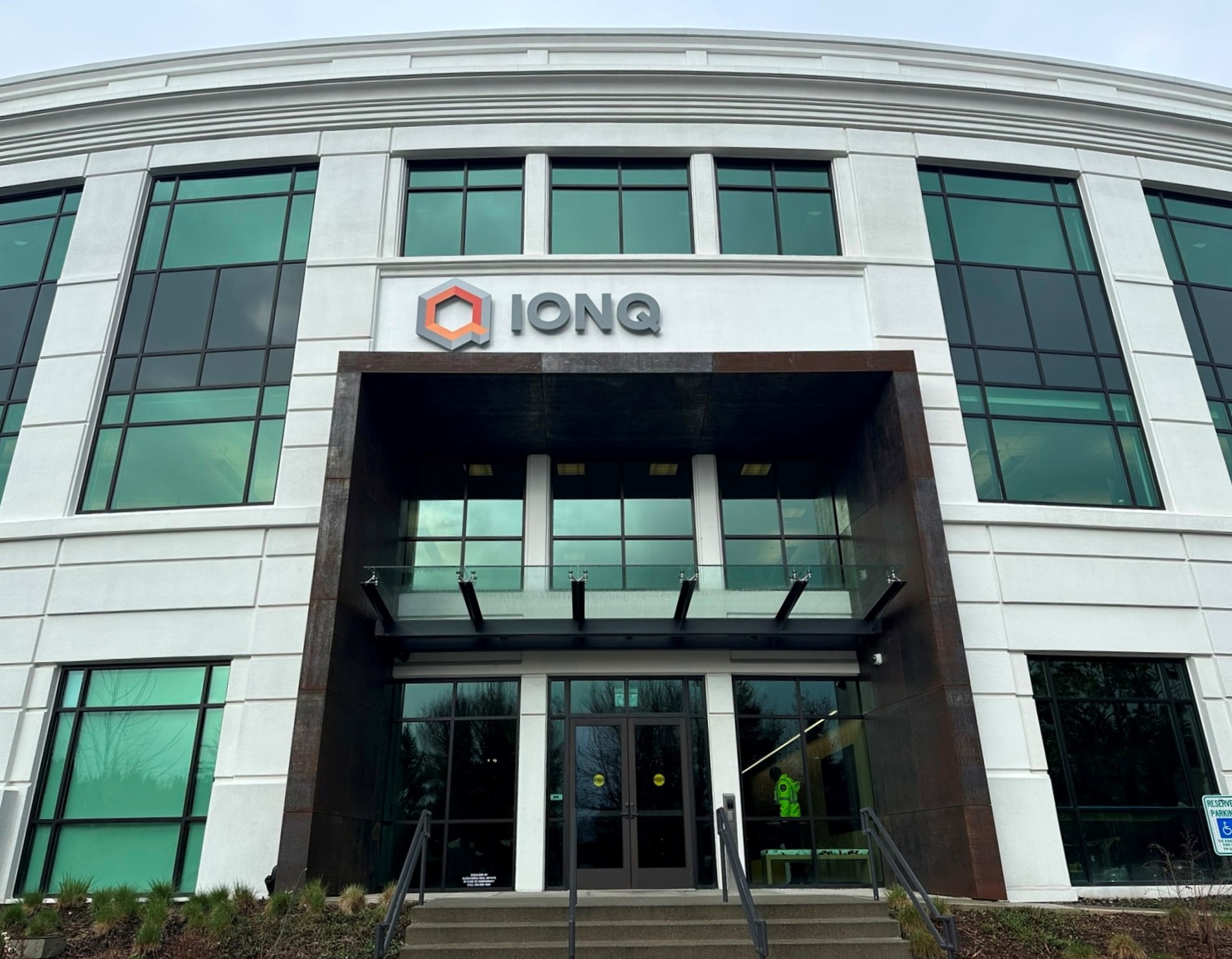
In the heart of Seattle, amidst the cheerful buzz of a city that thrives on innovation, leaders from the Pacific Northwest’s tech scene gathered today to celebrate World Quantum Day—an observance tied to the geeky delight of Planck’s constant (4.14 x 10^-15 eV ⋅ s). It was more than just a nod to subatomic mysteries; it was a rallying cry for the quantum revolution unfolding right here in Washington. Governor Bob Ferguson stole the spotlight with an announcement that had everyone grinning ear to ear: $500,000 redirected from the Governor’s Economic Development Strategic Reserve Fund, fueled by those forgotten lottery jackpots, to bolster IonQ’s quantum computer manufacturing facility in Bothell. This 100,000-square-foot marvel, fresh off its 2024 opening, is poised to scale up production, symbolizing how state funds can ignite private ambition. Ferguson, ever the pragmatic champion of tech, framed it as a smart bet on the future. “Quantum is the future, and it’s being built here,” he declared in his release, turning what could have been dry bureaucracy into a heartfelt pledge. The audience at Northwest Quantum Day—a vibrant conference co-hosted by Northwest Quantum Nexus and K&L Gates—erupted in applause, the kind that comes from folks who dream big. It felt intimate, like a family reunion of engineers and visionaries, proof that even in a sprawling metropolis, community can weave together disparate threads of science and policy. Quantum computing, after all, isn’t just about circuits and qubits; it’s about harnessing the wild possibilities of the quantum realm to tackle problems that stump our everyday computers. And here in the Pacific Northwest, with its mix of rain-soaked inspiration and stubborn grit, it’s finding fertile ground. This funding announcement wasn’t isolated; it builds on a tide of enthusiasm for quantum tech, one that promises to reshape industries from pharmaceuticals to cybersecurity. Ferguson’s move highlights how government can play matchmaker between bold entrepreneurs and untapped potential, ensuring that Washington doesn’t just watch the quantum wave but rides it. As the day unfolded, you could sense the excitement—like the first spark of fire in a dark forest—propelling conversations toward breakthroughs that could redefine humanity’s relationship with computation. It’s a reminder that progress often starts with one decisive step, and today, that step was funded with half a million reasons to believe in the impossible.
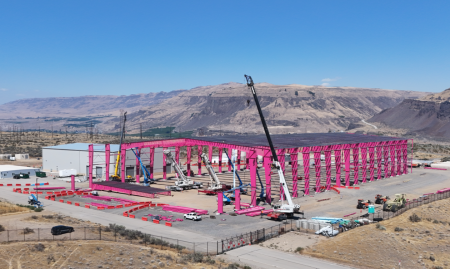
Diving deeper into the IonQ story, it’s a testament to how grassroots investments can blossom into economic juggernauts. Maryland-based IonQ, a name that’s becoming synonymous with quantum prowess, has chosen Bothell as its Western stronghold, transforming a 100,000-square-foot factory into a hive of innovation. Opened just last year, the facility is already humming with activity, but the Governor’s infusion will turbocharge the expansion. Over the next 18 months, IonQ plans to onboard about 100 engineers, each commanding an average salary of $177,000—a figure that speaks volumes about the premium placed on quantum expertise. These aren’t just jobs; they’re pathways to mastering a field that demands precision and brilliance. Looking ahead five years, the ripple effect could create between 1,200 and 2,000 regional positions, injecting vitality into Snohomish County’s economy. The state’s check, channeled through the Economic Alliance of Snohomish County, will cover building upgrades, workforce training, and other nuts-and-bolts costs, ensuring the factory evolves without hitches. It’s layered atop over $14 million in private backing, a cocktail of public-private synergy that Ferguson hopes will make Washington a quantum beacon. Imagine the personal stories behind these numbers: young engineers leaving conventional careers for the thrill of prototyping quantum hardware, or local families benefiting from expanded employment opportunities. This isn’t abstract growth; it’s tangible uplift for a community ready to embrace the future. The fund’s clever use of unclaimed lottery prizes adds a whimsical twist, turning what might have been forgotten winnings into seeds of prosperity. As IonQ ramps up, it’s crafting a narrative of hope—proof that with the right support, niche technologies can create jobs that are not only lucrative but life-enriching. Folks like you and me might not interact with quantum computers daily, but this expansion ensures the benefits trickle down, fostering a region where innovation feels accessible, almost personal.
At its core, quantum computing represents a radical departure from the binary world of classical computers, where ones and zeros dictate logic. Instead, it taps into the enigmatic properties of subatomic particles—like superposition and entanglement—to juggle multiple states at once, enabling computations that classical machines could only dream of. Picture it as the difference between preparing a single recipe in a tiny kitchen versus orchestrating a feast for thousands in a grand hall. This tech holds unrealized promise for cracking complex problems in drug discovery, optimizing battery life, securing communications against quantum threats, and even weather prediction. Yet, as attendees at Northwest Quantum Day heard, we’re not quite there—the potential now feels tantalizing, like a half-written symphony. Lieutenant Governor Denny Heck, in his keynote, set a tone of cautious optimism, calling quantum computing “one of the most impactful scientific and technical breakthroughs in all recorded history.” He dared to compare it to AI, suggesting it might dwarf even that juggernaut. “It’s no longer a question of if,” Heck asserted, “but when.” His words resonated like a mentor’s encouragement, urging patience while stoking excitement. Quantum’s allure isn’t just in its power; it’s in the human element, the collaboration between scientists itching to push boundaries and policymakers striving to support them. In Washington, this ecosystem is budding, with partnerships at national labs and alliances fostering talent. Heck’s speech, delivered with the warmth of a seasoned storyteller, underscored that quantum won’t just change how we compute—it’ll challenge us to rethink what’s possible. For everyday folks, it’s about envisioning a world where medical treatments are personalized faster, or encryption safeguards our digital lives. The event breathed life into these ideas, transforming technical jargon into relatable narratives of progress. As Heck spoke, you could feel the audience leaning in, not just as professionals but as dreamers, eager to witness the quantum dawn break over the horizon.
The symposium didn’t stop at lofty ideals; it delved into the practical marriage of quantum and AI, a synergy that’s accelerating this frontier. Nathan Baker, Microsoft’s engineering lead for quantum applications, painted a vivid picture: quantum as a “scarce and relatively low-throughput resource” that, when paired with AI, can solve today’s unsolvables. “AI helps scale quantum up,” he explained, likening it to boosting mileage from rare fuel. Krysta Svore from Nvidia elaborated, noting AI’s role in quantum error correction—keeping fragile quantum states “alive” longer through smart inference. It’s fascinating to think of these tools not as rivals but allies, where AI refines quantum’s messy potential. Earlier that day, Nvidia unveiled the world’s first open-source quantum AI models, a milestone that democratizes access to error-correction tech. Svore, with her approachable candor, quashed any myth of personal quantum setups: “You wouldn’t expect a cryogenic fridge in your home, right? Access quantum like cloud AI—through services, not ownership.” Her analogy to using ChatGPT or Copilot felt reassuring, bridging the gap for non-experts. This interplay fosters innovation, as AI algorithms could optimize quantum drug simulations or enhance cryptography. Beyond the tech, it’s about the people—Svore’s notes on AI easing quantum hurdles echoed the event’s human-centric vibe. Speakers like Baker emphasized talent pipelines, blending physicists with broader experts in hardware and marketing. The conference buzzed with ideas, from hedging against quantum’s threats (like breaking crypto) to unlocking payoffs in energy and healthcare. It’s as if quantum and AI dance together, each amplifying the other’s strengths. For us observers, it sparks wonder: how might this ripple into daily life, from smarter health apps to unbreakable privacy? The day highlighted collaboration’s magic, where disciplines converge to turn quantum’s promise into reality.
Gazing ahead, the quantum landscape is brightening, propelled by policy and persistent advocacy. World Quantum Day saw the Senate Commerce Committee unanimously approve the National Quantum Initiative Reauthorization Act, a Federal boost echoing the 2018 law’s $1.2 billion investment. Senator Maria Cantwell, a Washington Democrat and sponsor, hailed it as a “game-changer” for tech like drug breakthroughs and renewable energy. She dubbed the state “Quantum Valley,” a nod to its labs, engineers, and alliances. Yet, Heck tempered enthusiasm: “Are we moving fast enough? No.” His critique spotlighted gaps in education, workforce growth, and ecosystem support—urging bolder steps in the Pacific Northwest. The region’s tech roots demand this: partnerships with heavyweights like Microsoft and Nvidia, plus ventures from startups. Calls rang out for diverse talent—physicists, engineers, marketers—to commercialize quantum. Michael Brett from AWS even joked about “The Quantum State” license plates, blending humor with aspiration. This mirrors prior pleas for cohesion; Washington has pieces but needs a cohesive game plan and steady funding. Policy shapes the future—Genesis Mission pairs quantum with AI—and public-private ties, like Ferguson’s grant, are key. For communities, it’s about long-term vision: schools teaching quantum fundamentals, apprenticeships in factories. As Cantwell’s optimism met Heck’s realism, the day fostered dialogue, reminding us progress thrives on collaboration. One senses a turning point, where quantum evolves from lab curiosity to societal force, driven by leaders who humanize the hype into actionable hope.
Reflecting on Northwest Quantum Day, it’s clear quantum computing isn’t just tech—it’s a human endeavor, weaving together ambition, collaboration, and the thrill of discovery. From Gov. Ferguson’s funding announcement, sparking cheers and applause, to deep dives into quantum-AI synergy, the event hummed with possibility. IonQ’s expansion symbolizes tangible growth, with jobs and innovations anchoring the dream. Yet, it’s the voices—like Heck’s measured call to action and Svore’s relatable cloud analogies—that humanize it all, reminding us that behind qubits and algorithms are real people pushing boundaries. As the world marks 4/14 for Planck’s sake, Washington emerges as a frontrunner, poised for “Quantum Valley” status with sustained support. Challenges linger—error correction, talent gaps—but so does unyielding optimism. This is our call to imagine a future richer than today, where quantum empowers us all. In the end, it’s a story of potential realized, one step at a time, inviting everyone to participate in the quantum leap.