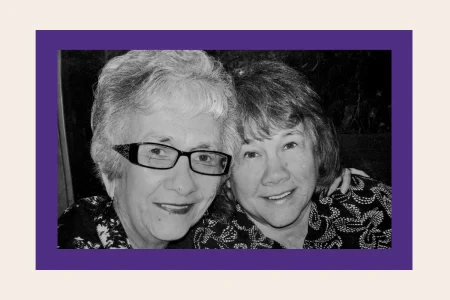



Amanda Ungaro’s story unfolds like a shadowed chapter from a life torn between glamour and turmoil, where a Brazilian model’s once-golden connections to the world’s elite crumbled into a nightmare of incarceration and despair. At 41, this former beauty queen, sculpted by the runway lights of Milan and Miami, found herself ensnared in the cold grip of U.S. Immigration and Customs Enforcement (ICE) following what she describes as an unjust arrest. In a raw interview with El País, published just days ago, she painted a harrowing portrait of her detention, labeling it “hellish”—a period where human dignity seemed stripped away in fluorescent-lit halls and bureaucratic indifference. Imagine waking up to the reality that your past brushes with power, including celebrations at Mar-a-Lago with the Trumps, could be weaponized against you. Ungaro’s narrative isn’t just about legal woes; it’s a deeply personal reckoning, a woman’s cry against a system that devours the vulnerable. As she recounted huddling in cramped spaces, yearning for sunlight and basic hygiene, her words carried the weight of someone who had seen the underbelly of America’s promise. She spoke of her son, the aching separation from her child in Italy, and how this ordeal forced her to confront the fragility of her world. Yet, amidst the pain, there was defiance—a spark in her eyes that refused to be extinguished by cuffs and cells. This wasn’t merely an immigrant story; it was Amanda’s battle for truth, resilience, and a shred of justice in a nation that had both embraced and betrayed her. The details she shared weren’t abstract statistics but vivid human experiences: the stench of neglect, the echo of sobs from fellow detainees, and the relentless toll on her spirit. In her telling, the ICE facilities became metaphors for a broken America, where even those with former ties to the powerful could be made to feel utterly powerless. As she emerged from this abyss, deported back to Brazil, Ungaro carried scars not just physical—lice-infested and weakened—but emotional ones that whispered of betrayal and redemption. Her journey highlighted how personal connections in high society could unravel into accusations and alienations, turning a model-turned-mother into a symbol of immigration’s harsher realities. She mused in the interview about lost days, the fear of never holding her beloved child again, and the gnawing isolation that made each hour stretch into eternity. It was a story of survival, laced with the universal longing for humanity in inhumane conditions, reminding us that behind every headline, there’s a pulse of real anguish beating stronger than any barrier.
The descent into detention began innocently enough, or so it seemed to Amanda, until an anonymous tip about a cosmetic clinic shattered her Florida life and upended everything she thought she knew about security and privilege. Police stormed in, arresting her and her husband without preamble, thrusting her into a nightmare she had never bargained for. With no prior criminal record staining her past, she found herself suddenly equated to the darkest elements of society—plucked from her world of beaches and business and shoved into a world of iron bars and indifference. In Miami’s detention center, she spent hours handcuffed and confined in a cell that felt more like a cage for society’s rejects, where the air hung heavy with the scent of fear and regret. “I spent the whole day crying,” she admitted, her voice cracking with the memory of vulnerability that few ever get to witness. There, she witnessed heartbreak up close: an elderly woman, frail and forgotten, tethered to a wheelchair with unyielding cuffs, her eyes pleading for kindness that never came. It wasn’t just the elderly who suffered; Amanda described a gut-wrenching scene of a fellow detainee—young, frightened—who miscarried and endured agonizing delays for medical help, her cries muffled by a system’s apathy. These were not faceless strangers; they were mothers, fathers, sons, and daughters, some even holding lawful residency permits, yet treated as pariahs in their hour of need. Amanda’s heart sank as bonds formed and broke in those sterile walls, where whispers of backstories revealed lives interrupted—dreams of a better future dashed by borders and bureaucracy. She felt the sting of injustice keenly, wondering how a model who had once sipped champagne at elite gatherings could now beg for basic rights. The handcuffs chafed her wrists, a physical reminder of her powerlessness, while emotionally, she grappled with the isolation, the day-to-day erosion of self-worth. Even as she fought tears, she clung to memories of her son, a lifeline that kept her spirit from fully dissolving. In those moments, the detention center became a crucible of empathy, forcing Amanda to see the human cost of policies that divided families and dashed hopes. It humanized the abstract debates on immigration, turning cold enforcement into stories of isolation—the longing for a child’s hug, the dread of prolonged uncertainty. Amanda’s days blurred into a rhythm of numbing routine, where the only light was the faint hope of release, yet each interaction with guards or fellow inmates reaffirmed her resolve to expose the cruelties she endured.
Transported from the humid confines of Miami to the remote stretches of Louisiana after nearly three-and-a-half merciless months, Amanda’s ordeal escalated into what she calls an assault on her very humanity, a dark hall echoing with the suffering of over 120 souls crammed together like forgotten cargo. The facility was a far cry from her past life of luxury; instead, it resembled a warehouse of woe, where the floor remained perpetually wet from leaks or indifference, and windows were a luxury denied. “Four days without seeing the sun,” she recounted, her face etched with phantom exhaustion, as the absence of natural light plunged the space into a perpetual twilight, breeding despair and illness alike. Emerging from that abyss, she bore the marks of neglect—infested with lice, a parasitic invasion that symbolized the utter collapse of dignity in custody. Imagine the itch, the constant discomfort, the shame of carrying such a stigma back into freedom, a reminder that the body could be weaponized against the soul in these institutions. In that vast hall, prisoners mingled with the air thick as molasses, sharing stories of loss and longing; some whispered of wives left behind, children growing up without touch, others lamented dreams deferred by expired visas and fraudulent charges that Amanda herself faced. She felt the crush of overcrowding, bodies pressed close in a cacophony of languages and laments, where hygiene was a distant memory and medical care a gamble. The nights were longest, filled with the shuffle of restless feet and the low murmur of prayers for dawn. Amanda’s spirit rebelled against the monotony, her mind fleeing to happier times—family gatherings in Brazil, laughs shared with her son—but the reality of the hall dragged her back. She bonded with inmates over fragments of their lives: a musician silenced by detention, a teacher aching for her classroom. These connections forged a makeshift family, yet they amplified the pain of separation, making her cry out internally for release. The deportation loomed like a storm cloud, promising an end but at a steep price—whatever ties she had in America severed, her reputation in tatters. Still, amid the lice and the wetness, Amanda’s inner fire flickered; she vowed not to let this break her, drawing strength from the suffering she witnessed, turning it into fuel for her story. It was in Louisiana where the true human toll became undeniable, where immigration enforcement revealed its face not as justice, but as a merciless tide that swept away lives indiscriminately.
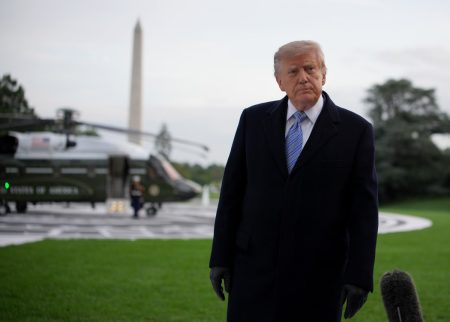
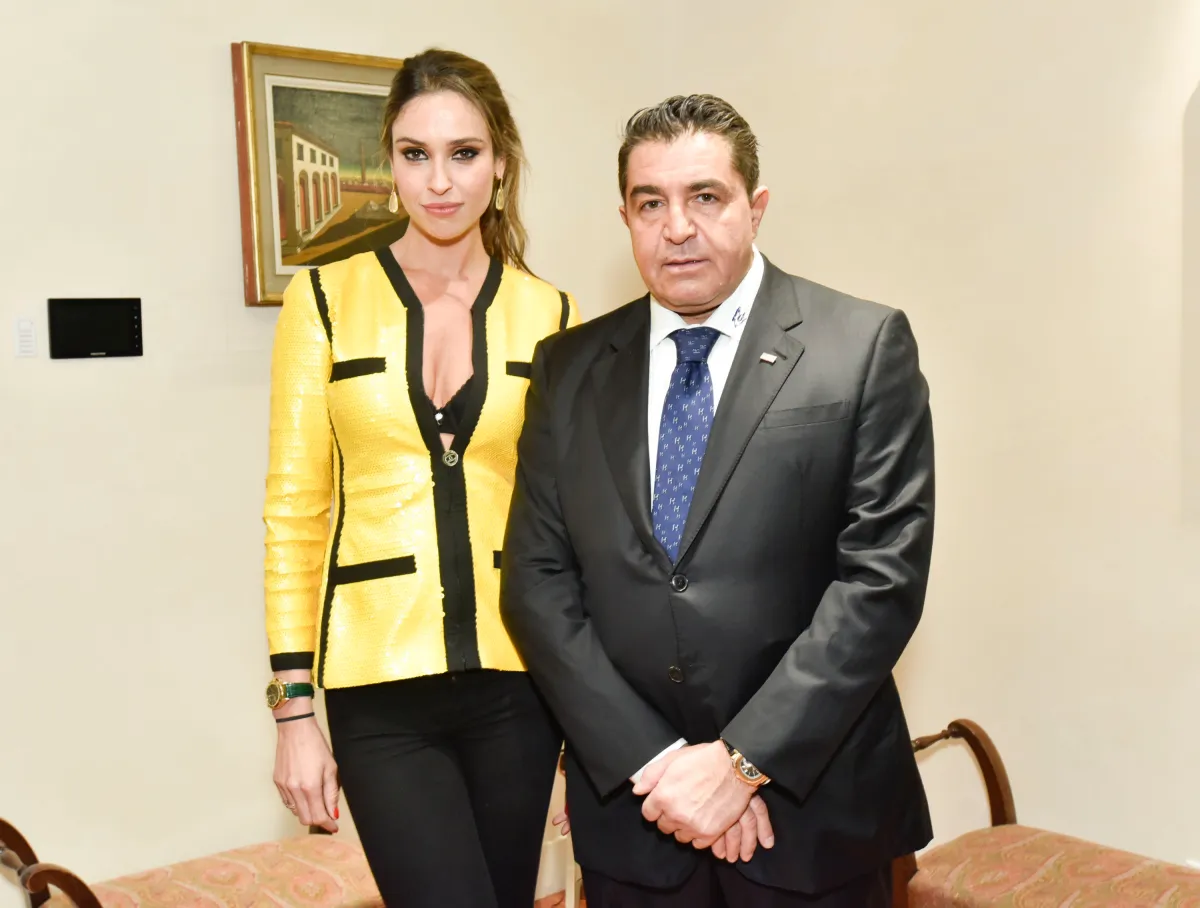
Amanda’s web of connections to the Trumps added layers of intrigue and betrayal to her saga, transforming a personal plight into a spectacle that blurred the lines between celebrity, politics, and heartache. Once entangled in the same orbits as Donald and Melania Trump, socializing at lavish New Year’s Eve galas at Mar-a-Lago in 2022, where laughter flowed as freely as champagne, she now claimed those very affiliations had coiled back like snakes, poisoning her fate. Central to this drama was Paolo Zampolli, the Italian modeling agent who had shared her life intimately—as her former partner and the father of her young son—fatefully introducing Melania to Donald, then ascending to roles of influence, including Trump’s special representative for global partnerships at the United Nations. Amanda accused Zampolli of abusing his powerful contacts to orchestrate her custody, a shattering allegation that painted him as a manipulator wielding webs of influence against even his own flesh and blood. Zampolli vehemently denied it, waving away her claims as fabrications born of a “very difficult” relationship marred by motherhood disputes, insisting his dedication remained solely to their child. The Department of Homeland Security echoed this dismissal, branding any notion of political favoritism or revenge as utterly false, emphasizing that her arrest stemmed from legitimate law enforcement concerns, not shadowy maneuvers. Yet, in Amanda’s eyes, these denials rang hollow, obscured by the pain of a partnership soured and a family fractured. She reflected on shared memory—the birth of their son, tender moments before ambition and ambition tore them apart—with a bittersweet longing that mingled love with resentment. Zampolli’s prominence, from the Kennedy Center Board to diplomatic assignments, seemed emblematic of how privilege could shield or condemn, depending on which side of the divide one stood. Melania’s spokesperson added distance, stating the first lady had “no knowledge of, nor involvement in” the pair’s tangled affairs, casting her as an unwitting bystander in this emotional tempest. For Amanda, these ties weren’t just background; they were the razor wire that entrapped her, forcing her to relive betrayals amidst detention’s solitude. She wondered aloud how connections meant to elevate could instead demean, turning allies into antagonists. This personal history humanized the broader narrative, showing how elite circles could amplify suffering, where a model’s plea became a political pawn, and a father’s absence deepened wounds. In probing these bonds, Amanda unearthed quests for autonomy, dreaming of a future where she could reclaim her life and protect her son from the vortex.
As Amanda’s revelations surfaced, they collided with a charged political moment, her pointed threats against Melania Trump erupting on X like a digital storm just hours before the first lady’s public disavowal of any ties to Jeffrey Epstein and his alleged crimes—a denial that teetered on the cusp of public scrutiny and familial fragility. “I will tear down your corrupt system, even if it’s the last thing I do in my life,” Amanda posted, her words a raw eruption of fury and conviction, suggesting she held secrets that could unravel the Trump’s meticulously crafted facade. The timing was uncanny, her accusatory tone—”Maybe you should be afraid of what I know … of who you are, and who your husband is”—amplifying tensions as Epstein’s shadow loomed over national conversations, intertwining personal vendettas with societal reckoning. Amanda’s outbursts weren’t mere rants; they stemmed from a wellspring of betrayal, forged in the fires of detention and the pain of lost bonds, making her a formidable whistleblower in an era rife with accusations against the powerful. She hinted at undisclosed knowledge, a trove of truths that could expose vulnerabilities in a family accustomed to projecting perfection. In response, the Trumps’ orbit tightened in denial, their spokespersons dismissing Amanda as a distant acquaintance with no bearing on Melania’s declarations. Yet, the model’s threats underscored the fragility of power, humanizing debates on accountability by revealing how one woman’s anguish could challenge the titans of politics. Amanda’s voice, amplified in media interviews and social posts, carried the echo of marginalized voices everywhere—detainees, ex-partners, parents separated from children—demanding recognition amid America’s immigration battles and Epstein inquiries. She portrayed herself not as a victim but as a catalyst, her resolve hardening like tempered steel, driven by maternal instinct and righteous indignation. The exchanges highlighted emotional undercurrents: fear of exposure mingled with defiance, where personal losses catalyzed broader critiques of systemic rot. In recalling her son’s innocence, Amanda found motivation to push boundaries, turning isolation into a platform. Her actions invited empathy for the unseen tolls of scandal, where threats became proxies for truths buried deep. As public discourse swirled, Amanda’s challenge persisted, a testament to how individual stories could prick the balloon of power, evoking sympathy for her quest and contemplation of justice’s elusive grip.
In the aftermath of Amanda’s ordeal and outcry, uncertainties linger like unsettled dust, leaving questions about her next steps and the ripples of her story on U.S. immigration policies and international relations. With deportation complete and her return to Brazil, the question hangs—will she pursue legal avenues in either country, seeking restitution for what she deems inhumane treatment and wrongful detention? Amanda’s spirit remains unbroken, her interview a clarion call for accountability, yet the path forward is shrouded in ambiguity, with no immediate announcements of lawsuits or advocacy campaigns. This limbo reflects the broader human struggle for immigrants ensnared in bureaucratic mazes, where justice often feels like a distant shore. Her tale intersects with ongoing debates on detention standards, due process for non-citizens, and the ethical use of personal networks in governance, humanizing policy critiques by anchoring them in lived anguish. Paolo Zampolli’s denials and the DHS’s firm stance have not silenced murmurs of conspiracy, fueling narratives of power abuses that echo in public discourse. For Amanda, the focus shifts to rebuilding—reconnecting with her son, perhaps penning a memoir to amplify her voice, and advocating for reform that honors human dignity. The emotional toll endures, manifested in nightmares of lice-ridden halls and the void of separated families. Yet, her resilience offers hope, a beacon for others facing similar fates. Society watches, pondering how her experience might catalyze change, from improved facility conditions to greater transparency in high-profile cases. In Amanda’s journey, we see a microcosm of global immigration woes—parents fighting for their children, individuals grappling with systemic failures. Her story, raw and real, compels reflection on empathy’s role in shaping a fairer world. As she contemplates her future, the world awaits, wondering if Amanda Ungaro will emerge not just as a survivor, but as a force reshaping narratives of power, detention, and redemption, her humanity a reminder that even in exile, the fight for justice endures.